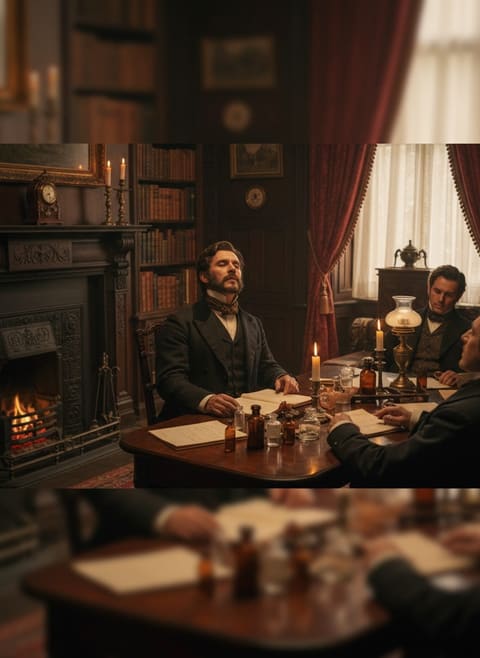
He was a collector of promises before he was a collector of heads. This wouldn't have surprised you in the early days, when words seemed like enough to calm the storm — until the riverbank ran red.
The Siege and Its Desperation
In the sizzling heat of the Indian summer of 1857, a harrowing story unfolded in Cawnpore, where up to 900 British civilians and soldiers found themselves trapped in a garrison. It was the Indian Rebellion, a swelling revolt against the British East India Company's rule, catching the colonial powers by surprise. However, the predicament of Cawnpore, with its vulnerable inhabitants including women and children, was particularly dire. Supplies dwindled, and the oppressive heat made each day a litmus test for endurance. Starvation hovered as an impending specter. The soldiers lost strength, their emaciated forms casting shadows as frail as paper against the sun-baked walls of their defenses.
For those within, hope was both a luxury and a burden. Escape seemed dauntingly improbable, yet the alternative was death. In this crucible of fear and thirst, they awaited a savior, a twist of fate that might spare them from being footnotes in the evolving history of the rebellion.
The Promise of Safe Passage
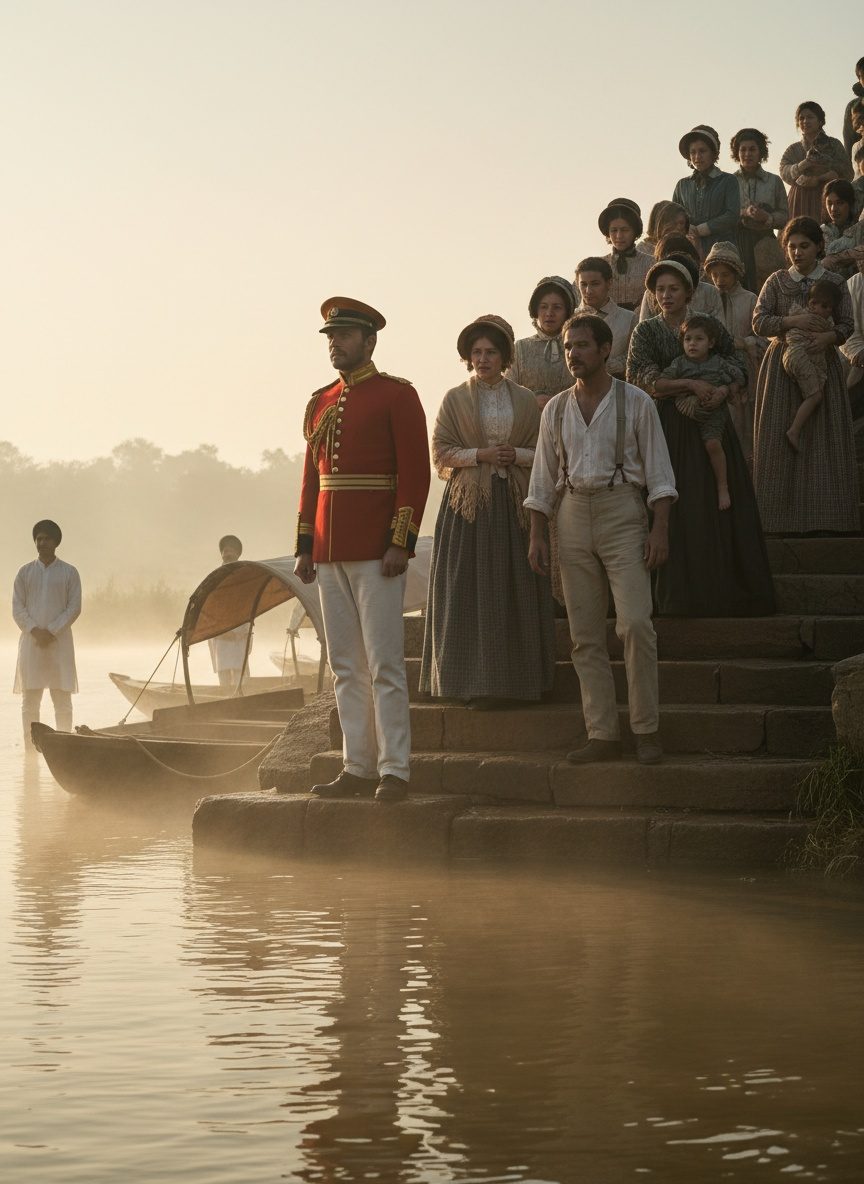
Enter the figure who was, at once, both savior and executioner. The rebel leader at Cawnpore, known for his dual nature of charm and ruthlessness, reached a point where he extended an olive branch wrapped in promises — a guarantee of safe passage. It was said that his silver tongue was his mightiest sword. With no other apparent choice, the beleaguered occupants of the garrison accepted this offer. The plan was simple: they would be ferried down the Ganges to safety in boats provided by the rebels.
Read next: The Day a Surgeon's Son Chose Death Over Silence
The period leading to this decision was thick with tension. Skepticism walked hand in hand with desperation. Yet when parched throats and tear-streaked cheeks met the prospect of salvation, distrust gave way to the tiniest flicker of optimism. The word of the rebel leader was all they had — and all they chose to believe in that moment.
From Refuge to Ruin
It was a cruel dawn as the British survivors stepped towards the riverbank, leaving behind the charred remnants of their refuge. An eerie silence enveloped the scene, momentarily muting the chirps of dawn-breaking life. The boats bobbed innocently by the bank, welcoming them with open seating, offering a mirage of tranquility.
Yet, as history would painfully record, this was the calm before the storm. As soon as the garrison members began to board, the air itself seemed to betray them. There was a sudden, sickening shift in the atmosphere as whispers spread through the crowd, turning to frantic calls. The advantage of surprise was the rebels’, and they exploited it mercilessly and efficiently.
=Riverside screams pierce the early morning fog, as what had been promised as salvation swiftly became slaughter. The wooden masts witnessed horrors no forest had prepared them to bear — a betrayal not just against trust but against humanity itself.
Read next: The Day a Chimney Sweep's Son Shamed a Whole Parliament
The Ripple Through Time
The massacre of Cawnpore marked a pivotal point in the Indian Rebellion, turning a spotlight on contingency and cruelty alike. When the details reached British ears, the response was instant and furious. It prompted a recalibration of tactics within the Empire, where the Cawnpore massacre became both a rallying cry and a warning.
This gruesome betrayal was not just a local tragedy but a chapter in the transformation of British policy. The brutality inflicted upon its own served as an existential mirror, challenging notions of superiority while pushing for retaliation that shifted the course of colonial rule. Empires grow uneasy under the pressure of broken promises — a lesson written in crimson ink upon the annals of history.
A Haunting Legacy
When the dust settled, what remained was a tale that whispered warnings across years and continents. It drilled into the imperial consciousness the high cost of trusting a promise from a foe underestimated and cornered. The name Cawnpore lingered like an echo, a reminder of the empire's vulnerabilities when faced with the unexpected strengths of those they sought to dominate.
Even today, this episode serves as a cautionary tale about the veneer of power and the perils of hubris, highlighting how even the strongest can falter when a well-timed promise turns into a trap. Beyond the narratives of conquest and conquest, it asks us to reflect on the true weight of a promise and our collective human folly in disregarding the lessons of trust.