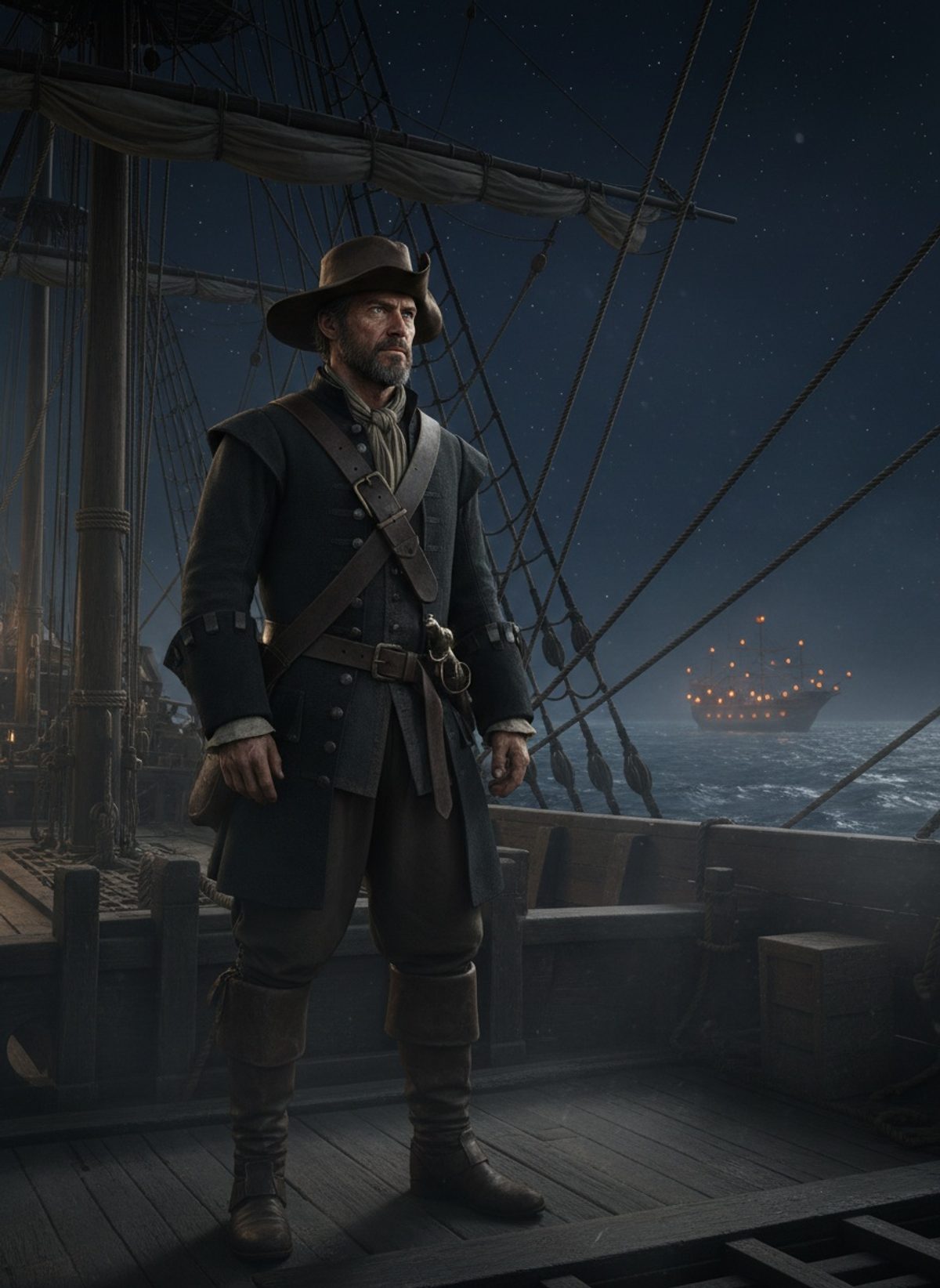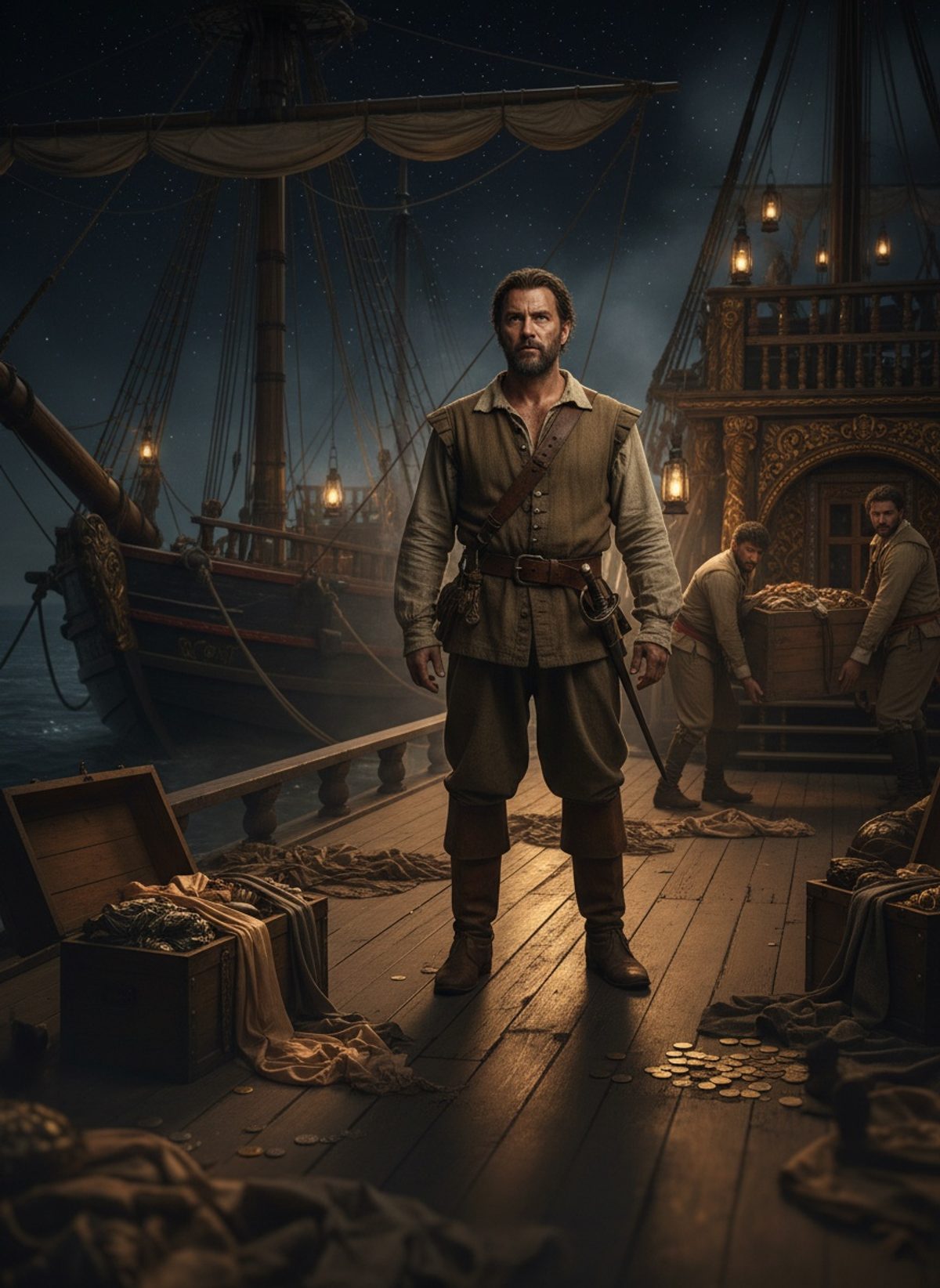
Martin Frobisher's voyages are largely forgotten. They shouldn't be.
In Search of Gold and Glory
In the summer of 1576, the horizons of the world seemed limitless to those daring enough to venture beyond them. England, perched at the dawn of its imperial dream, was consumed by the possibility of finding a northwest passage to the wealth of Asia. Martin Frobisher, a seasoned mariner from Yorkshire, was captivated by this pursuit. He set sail from London with a bold aim, navigating into the chilling embrace of Arctic waters—territory no Englishman had mapped before. Forging ahead with an intrepid crew, his ships pushed through ice-laden seas towards an uncertain future, driven by the allure of unclaimed treasure and untapped potential.
Upon his return, Frobisher delivered not spices or silks, but a piece of black rock. In the fervor of the Elizabethan age, this unassuming mineral would ignite a national obsession. Many believed it was laced with gold. If true, this discovery would propel England into the same league as Spain, whose American conquests brought immense riches from the New World. The rock set off a flurry of excitement and speculation—a striking testament to the weight of a single stone in the escalating game of empire.
The Queen's Curiosity
In Elizabethan England, even the smallest prospect of gold was enough to capture royal attention. Queen Elizabeth I herself was intrigued by Frobisher's mysterious find. Despite her court's efforts to remain cautious, the allure of potential wealth could not be ignored. Frobisher was granted an audience, presenting the black rock with the ceremonial gravitas it required. One can imagine the curiosity and skepticism shimmering in the air of the opulent court, as the queen pondered the vast implications of a golden discovery. Did Frobisher possess the key to England's fortune?
Read next: When Francis Drake Knelt Before the Mast at Plymouth, 1577
The promise of gold precipitated not just dreams of wealth but of realms untold—territories waiting to be claimed in the name of the English crown. The queen, a shrewd ruler turned sovereign gambler, sanctioned further missions. The Royal Mint began eagerly examining Frobisher's rocks for traces of the precious metal, fueling England's imagination and ambition with dreams of riches as yet uncharted.
Disillusionment and Discovery
Frobisher embarked on two more journeys, each laden with grander expectations. Ships sailed back and forth, ferrying tonnes of rock across the North Atlantic, their holds weighed down not with gold but with the weight of dreams that would, eventually, crumble. By the third voyage in 1578, the initial optimism was turning into doubt. The minerals, thoroughly examined, proved bereft of gold, transforming Frobisher's black rocks into nothing more than dark shadows of aspiration.
Despite the absence of tangible wealth, these voyages were far from futile. Frobisher's expedition had charted courses into waters that no Englishman had braved, cracked the icy barriers to the north, and demonstrated the formidable reach of English seafaring. This was more than just a quest for gold; it was a testament to England's burgeoning naval prowess and unyielding resolve to reach the ends of the earth. Each failed attempt at extracting gold was a victory in navigation, a step closer to understanding the world's vast oceans and the empire's potential place within them.
Beyond Stones and Seas
Though Frobisher’s pursuits of gold ended in disappointment, his odyssey pushed the boundaries of the known world, proving to England and Europe alike that the icy extremities of the globe were within reach. Those rocky, windswept landscapes were not barren. They held narratives of endurance and pioneering spirit. They expanded minds even as they shattered dreams and dissolved illusions of grandeur.
The story of Martin Frobisher is both a cautionary tale of folly and a record of visionary ambition. It reminds us that each exploration—each human endeavor towards the unknown—carries possibilities that extend beyond material gain. The true legacy lies not in the black stones thought to house wealth, but in the revelation that the world was a far larger, wilder canvas than previously conceived. In daring to etch their mark upon this canvas, Frobisher and his crew bridged the gap between mere dreams and the awakening of an empire's boundless curiosity.