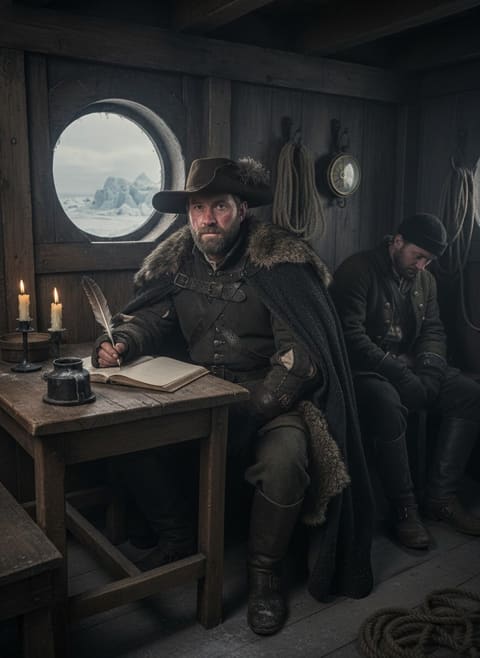
He was known as a daring adventurer who charted the unknown Arctic waters. Yet Martin Frobisher never smiled wider than when standing atop a pile of useless rock. His elation was based on a dangerous deception that proved both exhilarating and humiliating for Elizabethan England.
The Hunt for Northern Riches
In the 16th century, the promises of the New World seemed boundless. With Spain and Portugal leading the charge, maps were being redrawn, and stories of golden cities fueled the ambitions of many an explorer. England, eager to bolster its status, yearned for its share of the treasures that spilled across Europe. In the midst of this fervor stood Martin Frobisher, a seafaring Yorkshireman driven to navigate uncharted territories and unveil riches to rival any New World conquistador.
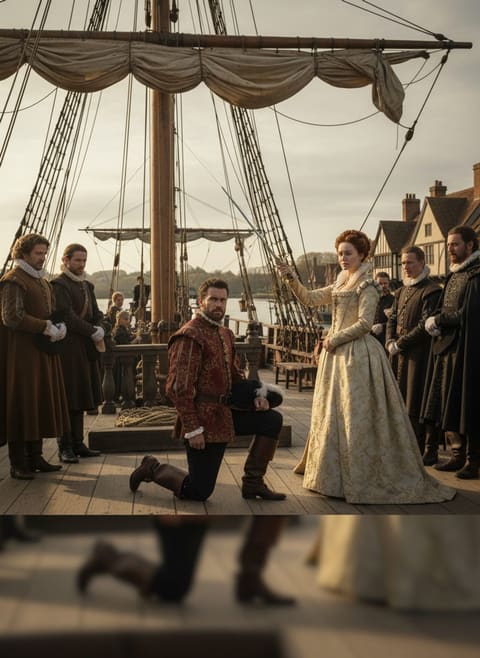
The year was 1578. Frobisher, having already made two voyages to the icy waters of the Northeast Passage, believed he had stumbled upon an Arctic El Dorado. On Baffin Island, he observed what he believed were tell-tale signs of gold among the rocks. It was here that the explorer's legend took flight. The strange, glistening ore, unyielding to the crude methods available, tricked even the sharpest eyes into suspecting it was concealing vast wealth. Returning back to England triumphantly, he persuaded investors, including Queen Elizabeth I herself, to fund yet another expedition.
Lauding his discovery, Frobisher was celebrated as an unrivaled hero. The Queen, compelled by both greed and the rush of patriotism, sent him back with thirteen ships and a crew eager to haul the bounty home. This expedition wasn't just a pursuit of personal gain; it was a pursuit of empire, one that promised to sprinkle England's coffers with gold and transform the nation into a powerhouse. These voyages, marked by their optimism and daring, embodied the very spirit of an England on the cusp of creating a destiny entwined with maritime exploration.
Read next: When Francis Drake Sailed Into the Pacific and Changed Everything
The Illusion of Gold
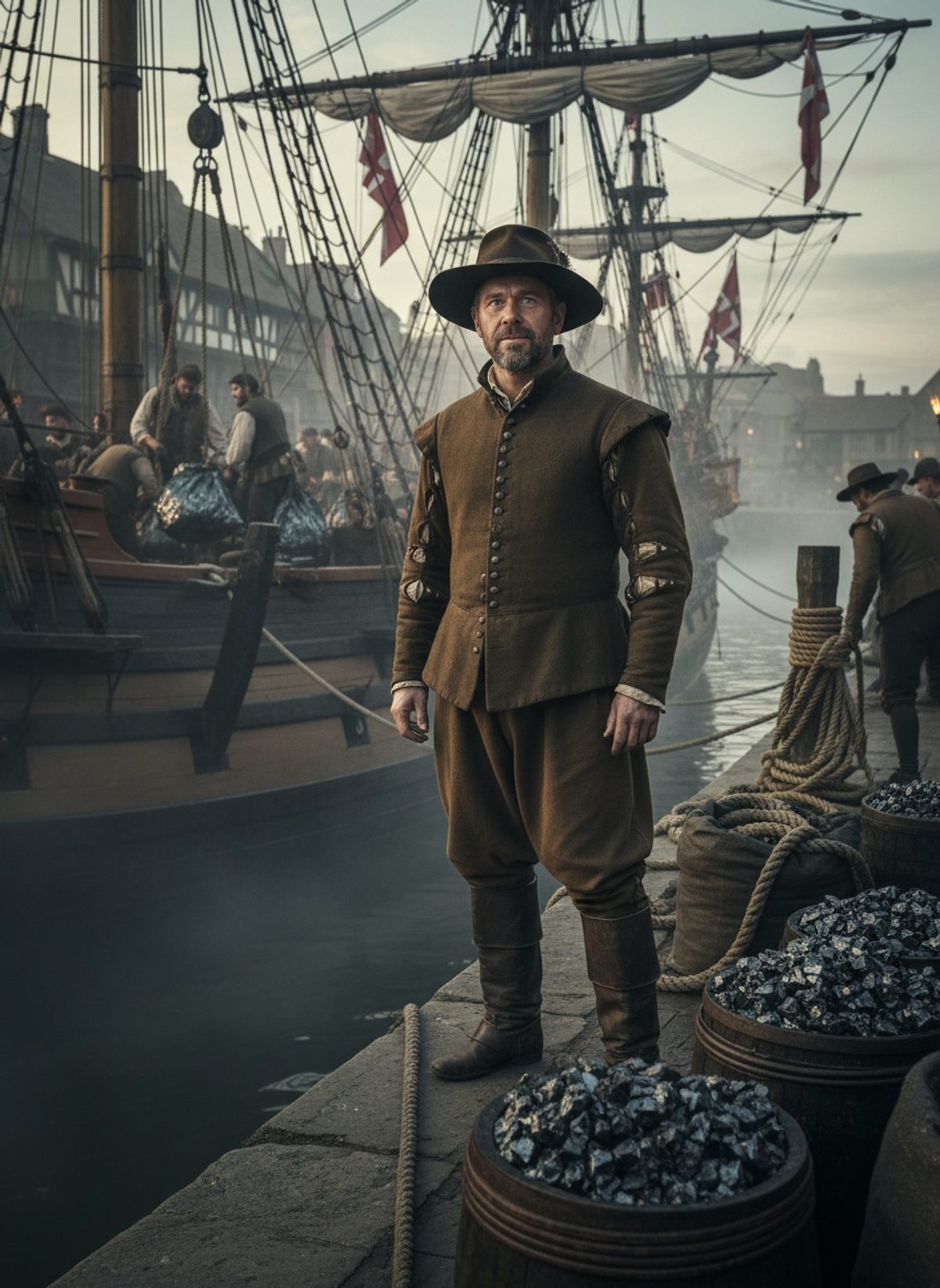
With each journey, Frobisher ventured further into the Arctic's hostile expanse, amassing rocks that glittered under the northern lights. The year 1578 saw monumental expectations and achievements, as Frobisher returned to England with a staggering 1,300 tons of the illustrious ore. Dockside, the clamor of men unloading crates hailed a rich future. A future woven from the successes of explorers and the monarch's foresight, preparing to rival the greatest powers on the continent with its own golden bounty.
Yet the high hopes harbored in every ship's cabin dissipated as rapidly as they had formulated. The Dartford furnaces, where alchemists and assayers labored over the supposed treasure, emitted their unrelenting judgment. Iron pyrite, they declared it—the dull, biting truth shattering illusions into countless pieces, like glass strewn across a marble floor. Known to many as 'fool's gold', the mineral in Frobisher's vast haul was worth little more than the effort to extract it.
News traveled swiftly, turning festivity into folly. Those who had invested stood stunned as the assurance of profit became the certainty of loss. Despite Frobisher's navigational prowess and determination, this revelation reverberated across England—an Empire embarrassed by its thirst for glory, now faced with the bitter facts of human error and natural deception. Some chided the explorer for his blindness, while others saw him as a victim of dreams woven from a collective longing for greatness.
Read next: When William Adams Built a Warship for Japan's Shogun, 1604
Reflections Among Ruins
The fervor cooled, speculation salted by the harsh truths from Dartford's smoke-filled rooms. Frobisher, once the celebrated bringer of newfound wealth, now presided over a calamity. Yet the repercussions of his mistake reached far beyond immediate financial ruin; they turned the nation's gaze internally, probing the ambitions that drove England's quest. How had they confounded the glitter of false promise with imperial potential? This question haunted the age, steering explorers and investors alike to more astute ventures.
In the aftermath lay valuable lessons—riches stood not only in gold but in the navigational charts Frobisher had curated, the ports discovered, and the terrors braved on perilous seas. While the precious metal had eluded them, England's ambition solidified. The country was galvanized not into retreat, but into refining its approach towards exploration and trade. The keen hunger to etch their mark on the world map persisted, ushering in an era that would forge new alliances, claim distant shores, and confront new adversities.
Frobisher's futile triumph nonetheless marked a turning point in England's imperial narrative. It was a poignant reminder that visions of empire often veered unpredictably. The explorers of the Elizabethan era, driven by boldness, blunders, and boundless ambition, advanced the story that would help Britain rise not just from glittering minerals, but from mere mindset to mighty empire—a lesson penned not in gold, but in the tenacity of daring men willing to risk all on a sliver of hope.