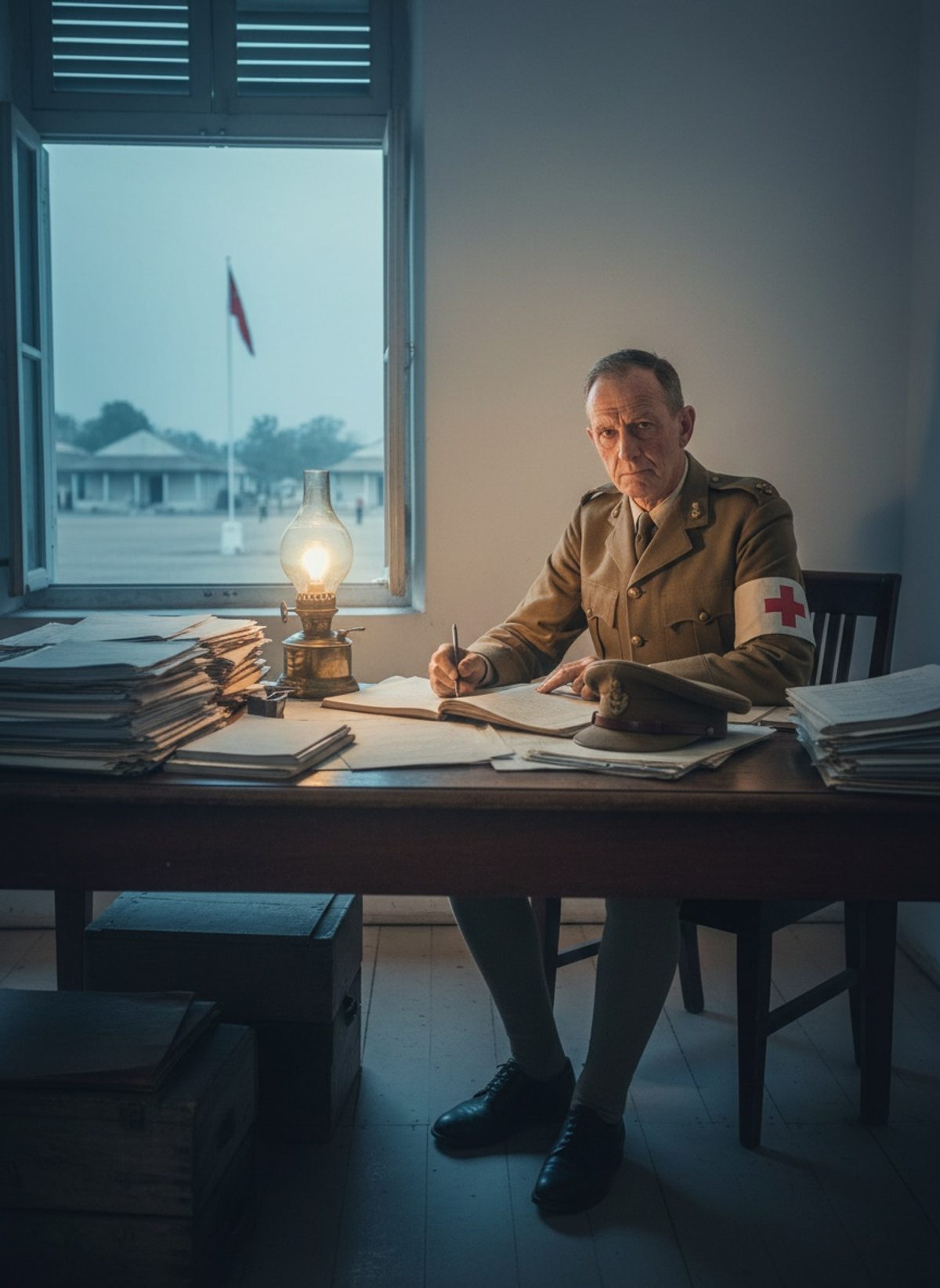
The humid air clung to the skin like a damp cloth as it drifted through the narrow streets of late Victorian India, a place where a cacophony of languages and the scent of spices inundated the senses. The oppressive heat shimmered across the rolling landscapes and wooded barracks of the British Army's cantonments. This intoxicating corner of the empire held many secrets, but the most perilous was not hidden in its tangled bazaars or lush jungles — it was entrenched in the very core of the British military presence. Here, under the blazing sun, the army's greatest adversary lurked not in enemy ranks but within its own regiment, masked by the grim statistics that Surgeon-General Sir William Taylor unearthed and dutifully reported in 1897.
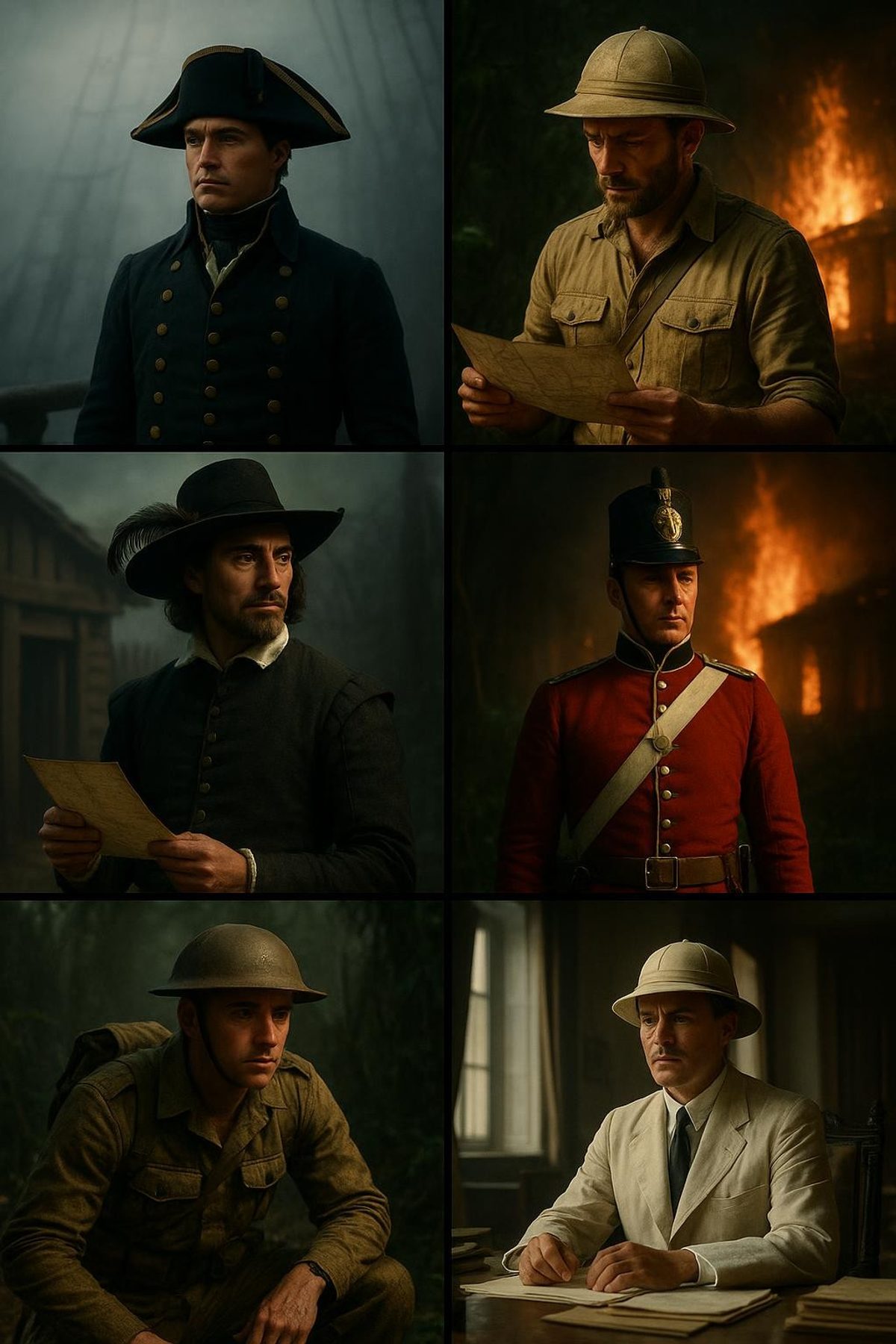
Throughout the empire's sprawling lands, from the dusty plains of Punjab to the coastal fortresses of Madras, the British Army was a formidable force — well-drilled men clothed in their iconic red coats and white helmets. Yet, beneath this veneer of martial prowess lay a sobering truth that few within the upper echelons were willing to confront. While bullets accounted for only a fraction of their losses, disease, particularly venereal in nature, was wreaking havoc within the ranks. The proud soldiers, carriers of the crown's banner, were succumbing not to battle but to their own vulnerabilities and the indulgences of the surrounding world.
The statistics that Taylor meticulously compiled painted a damning portrait. Hospitals overflowed not with casualties of combat but with victims of their own actions, their bodies betrayed by desires fulfilled in fleeting moments. The numbers were stark: more admissions for venereal diseases than any other affliction, a staggering testament to the uncontrolled spread of infections men barely understood yet knowingly courted. For the army brass, such truths were inconvenient realities best left unspoken, tucked away in dusty desks far from Parliament's gaze.
As the century drew towards a close, the clamour of reform echoed through the ranks, driven by Taylor’s uncompromising determination to confront what the Army Council chose to ignore. His report was a clarion call that named causes and demanded change, an effort he hoped might cleanse the military’s tarnished honour and improve soldiers' health and morale. Yet, in the secretive world of military bureaucracy, silence often held its own power, and Taylor’s work was quietly buried—a testament to institutional inertia and an unwillingness to tarnish the army’s stoic image.
Read next: When George Lorimer's Horse Climbed the Stairs, 1891
In the shadow of mutiny and rebellion that forever haunted the corridors of British India’s military command, the authorities feared repercussions, both diplomatic and operational, should Taylor's findings reach the wider public. Thus, the cycle of infection continued unchecked, each instance a whispered scandal contained within hospital walls, stories of shame shared among the men but rarely spoken of beyond. For the common soldier, who risked life and limb in service of empire, this neglect represented an egregious breach of duty by those entrusted with their care and wellbeing.
The walls of the cantonments, fraught with their own dramas outside the realm of battle, became silent witnesses to this internal conflict. Outside, the vibrant streets buzzed with life, music, and markets offering salvations and ruin in equal measure. India’s cultural tapestry was one into which these men folded — the allure of its exoticism an all-too-attractive escape from the harsh routines of army life. Yet it was this very escape that led many into the clutches of the illnesses that weakened the empire’s defense from within.
As twilight descended upon these military settlements, casting long shadows across parade grounds and barracks, a collective unease settled over the troops. Officers and enlisted men alike knew the whispers; they heard the muffled conversations of colleagues too embarrassed to face the doctor, plagued by ailments they could neither discuss nor ignore. Taylor's report should have been a beacon, illuminating the path to reform and recovery, yet the army's reluctance left it dimly burning behind layers of bureaucratic indifference.
In this saga of neglect and ambition, Sir William Taylor's report stands as a silent monument to a battle that was both intimate and far-reaching, one fought not with rifles and cannon but with paper and silence. It reminds us of the often unseen struggles that can devastate the mightiest of forces, battles fought within the heart, far from the battleground. The empire, cast in glorious visions of power and control, was being gnawed away from the inside out, a victim of its own excess and the political games played in the shadows by men threatened by the truth.
Today, the story of the British Army’s hidden war against venereal diseases forms an untold chapter in the intricate history of empire-building — a tale of human frailty juxtaposed against dreams of imperial grandeur. It offers us a clearer understanding that in any mighty structure, however immovable it may seem, vulnerabilities often lie beneath the surface. These soldiers, stalwarts of an empire, remind us that the true battles of history are not just fought with arms, but with honesty, integrity, and the resolve to face the truths that others might wish to bury in silence. And so, as history turns its pages, this lesson resonates: the mightiest empire is only as strong as its weakest link. The weakest of its maladies can ultimately prove the most devastatingly persistent opponent.