97 stories
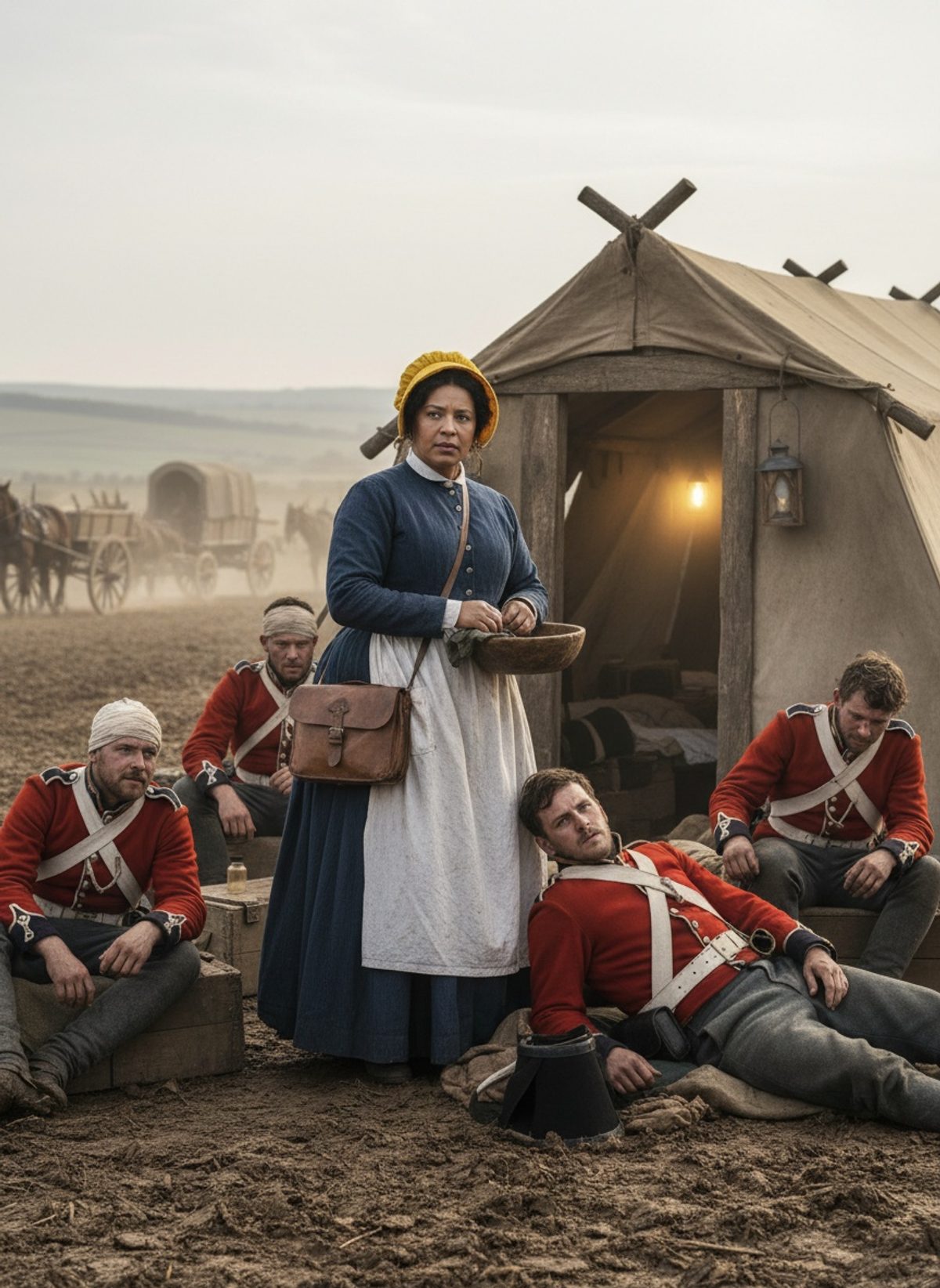
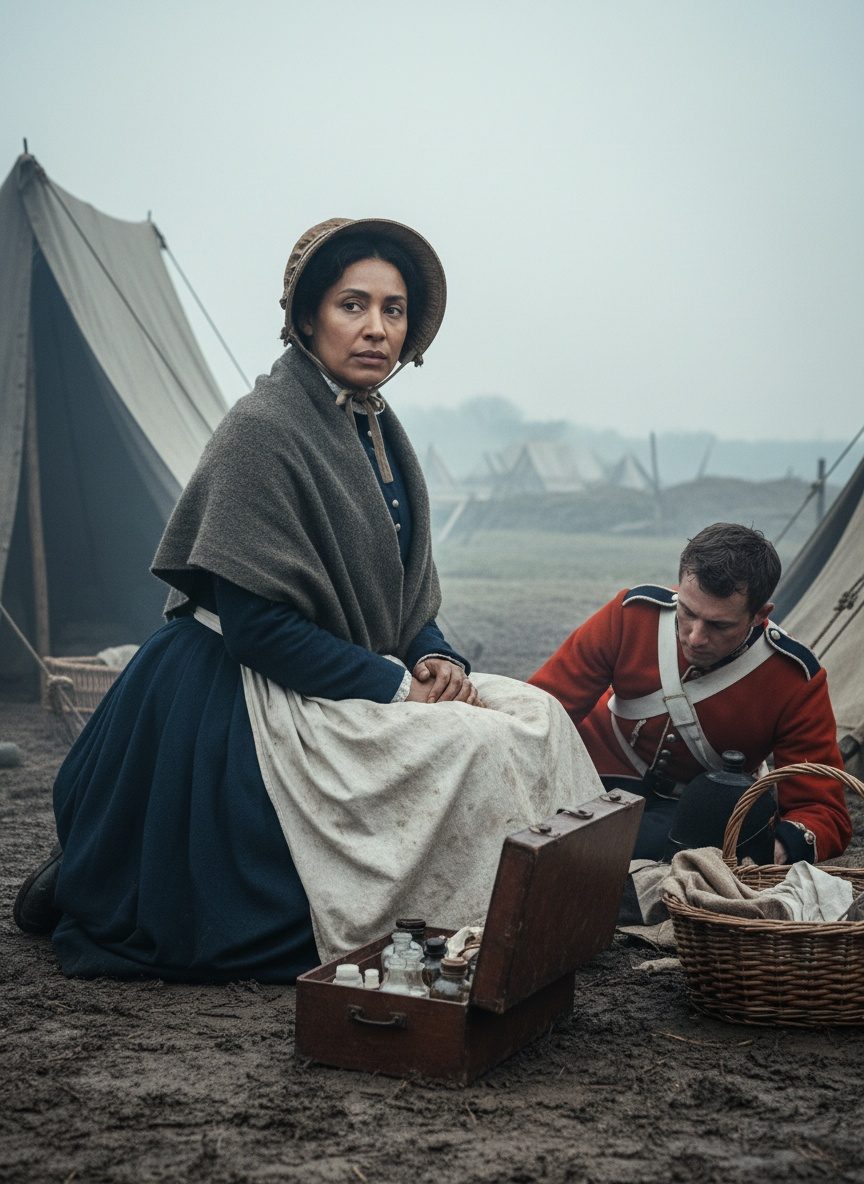
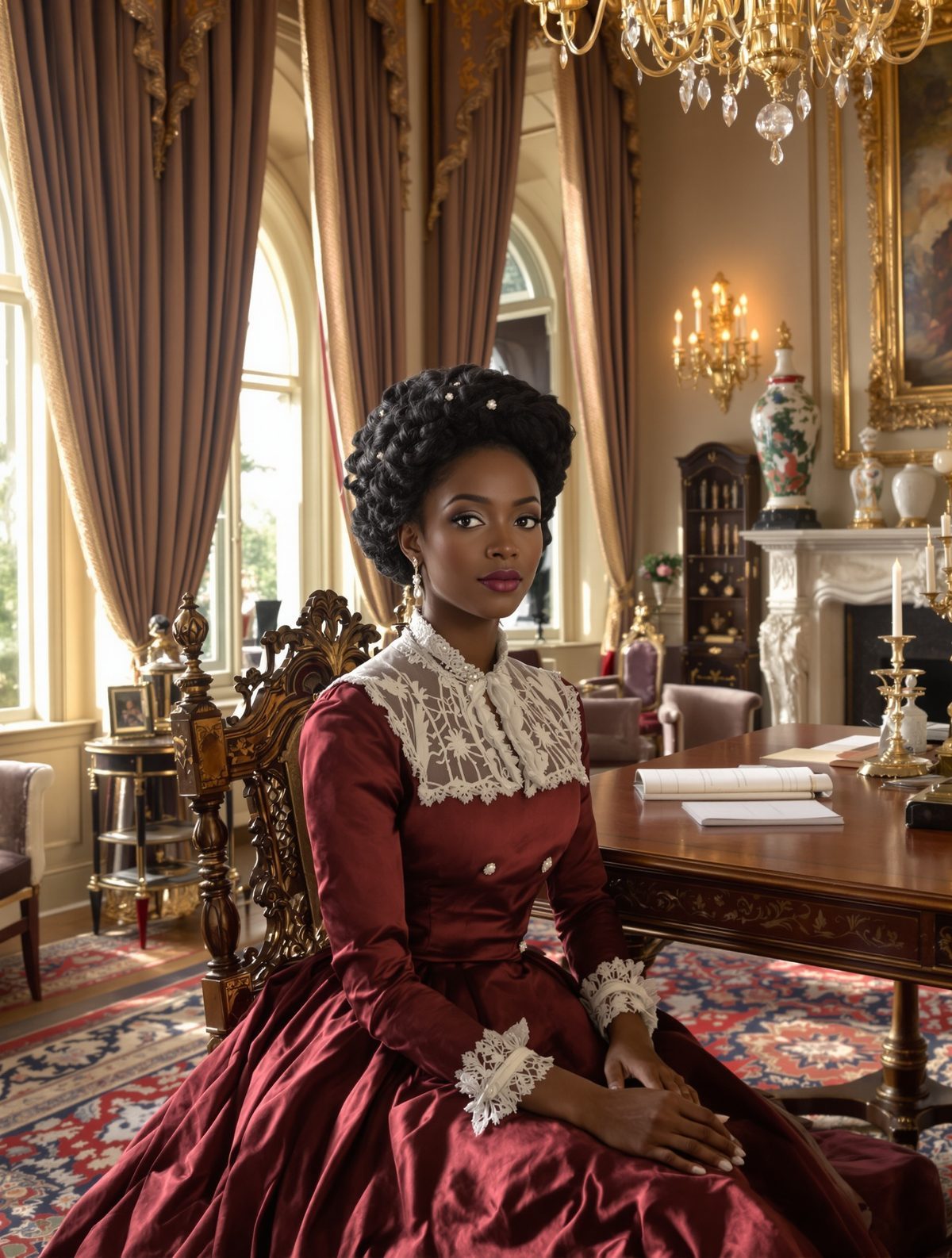
The War Office turned her away. The army hospitals turned her away. So Mary Seacole built her own establishment two miles from the guns — and outlasted every official who refused her.
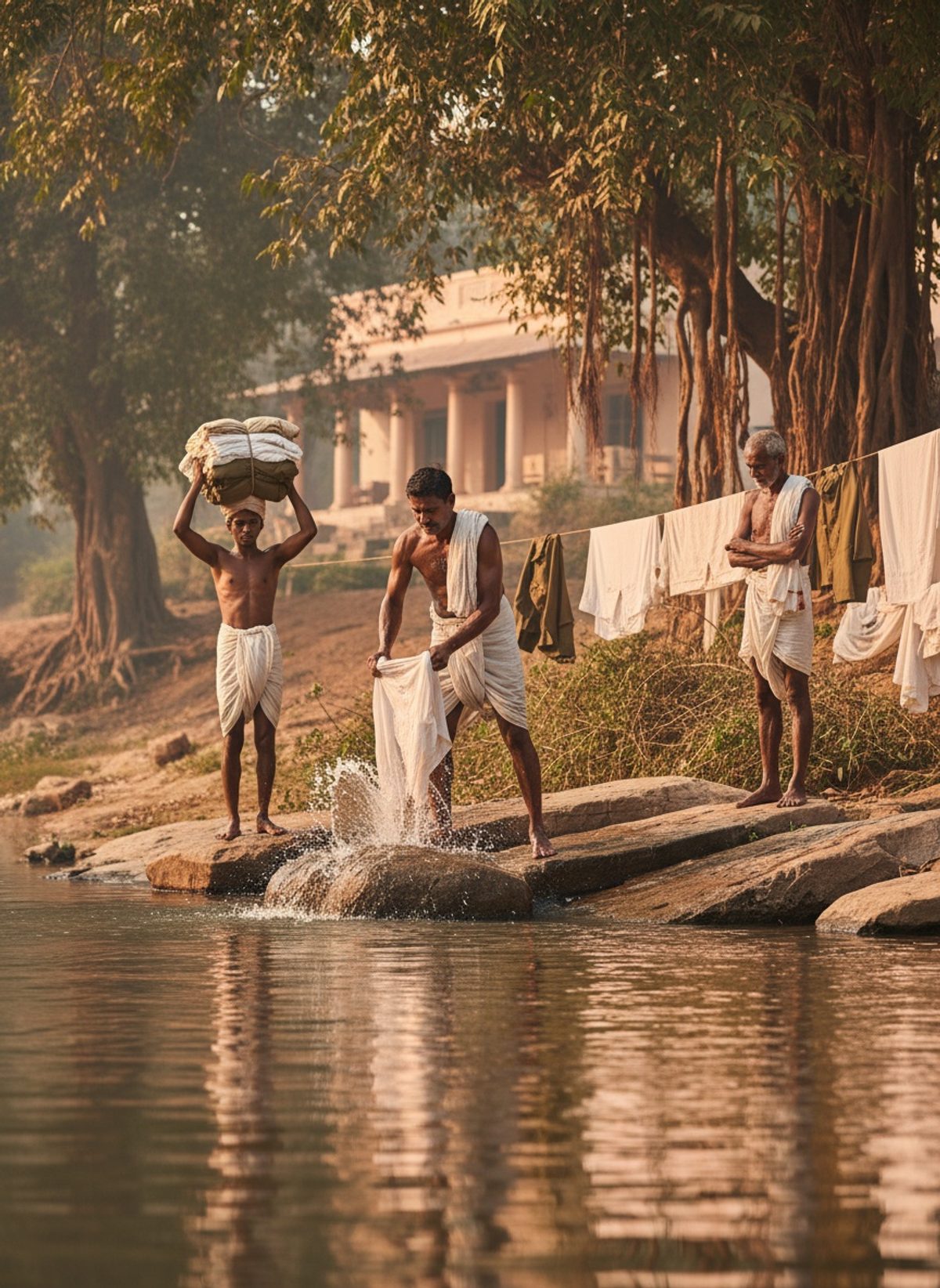
Meerut Cantonment, 1885. Every British regiment had one. The dhobi wallah arrived before dawn. He carried whole battalions of shirts to the river. Beat them clean on flat stones. Returned them starched and folded by parade. No army moved without him.
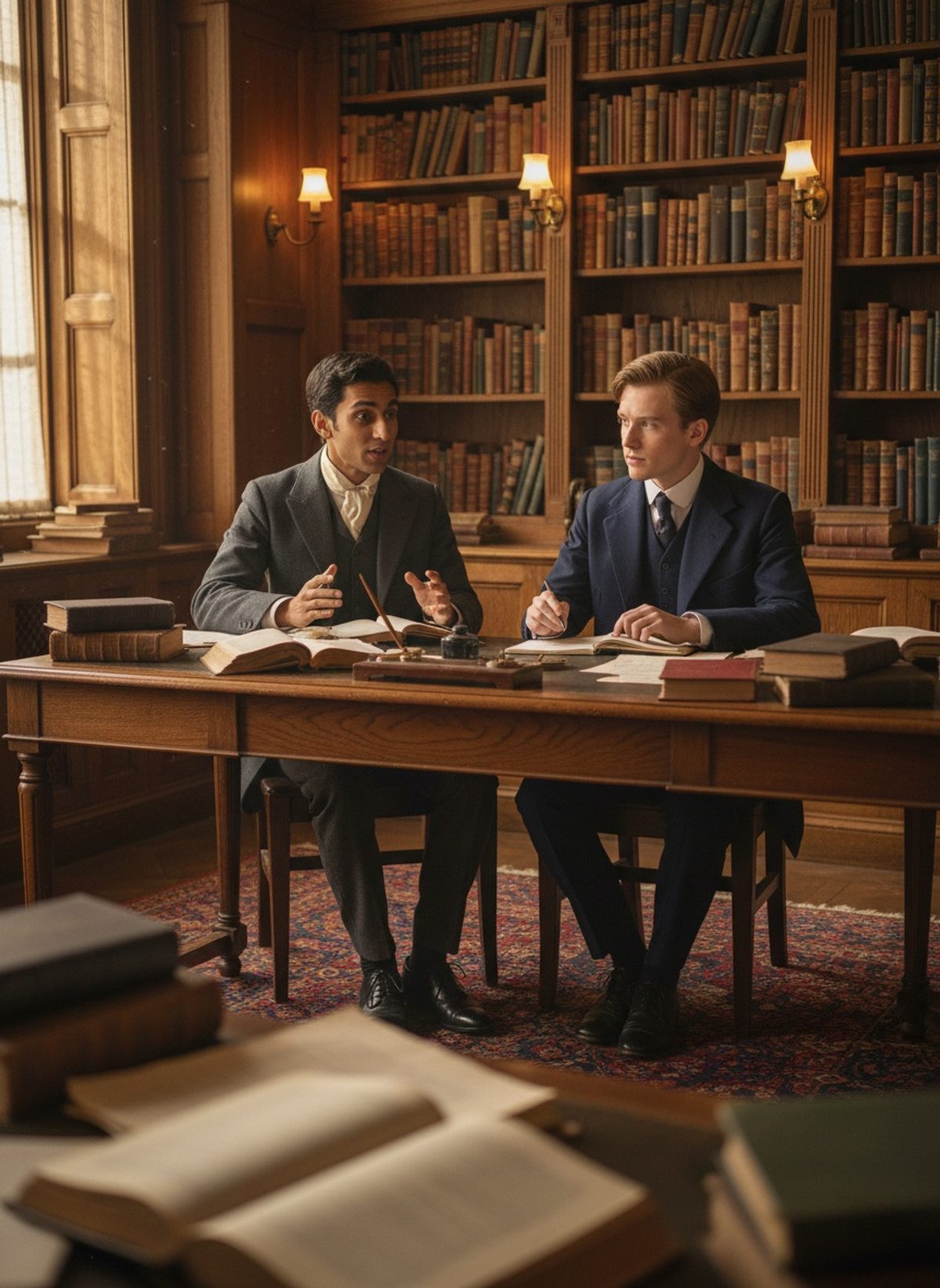
A young Indian student befriended an English novelist. He showed him a world the Empire never meant him to see. The result became one of literature's greatest indictments of British rule.
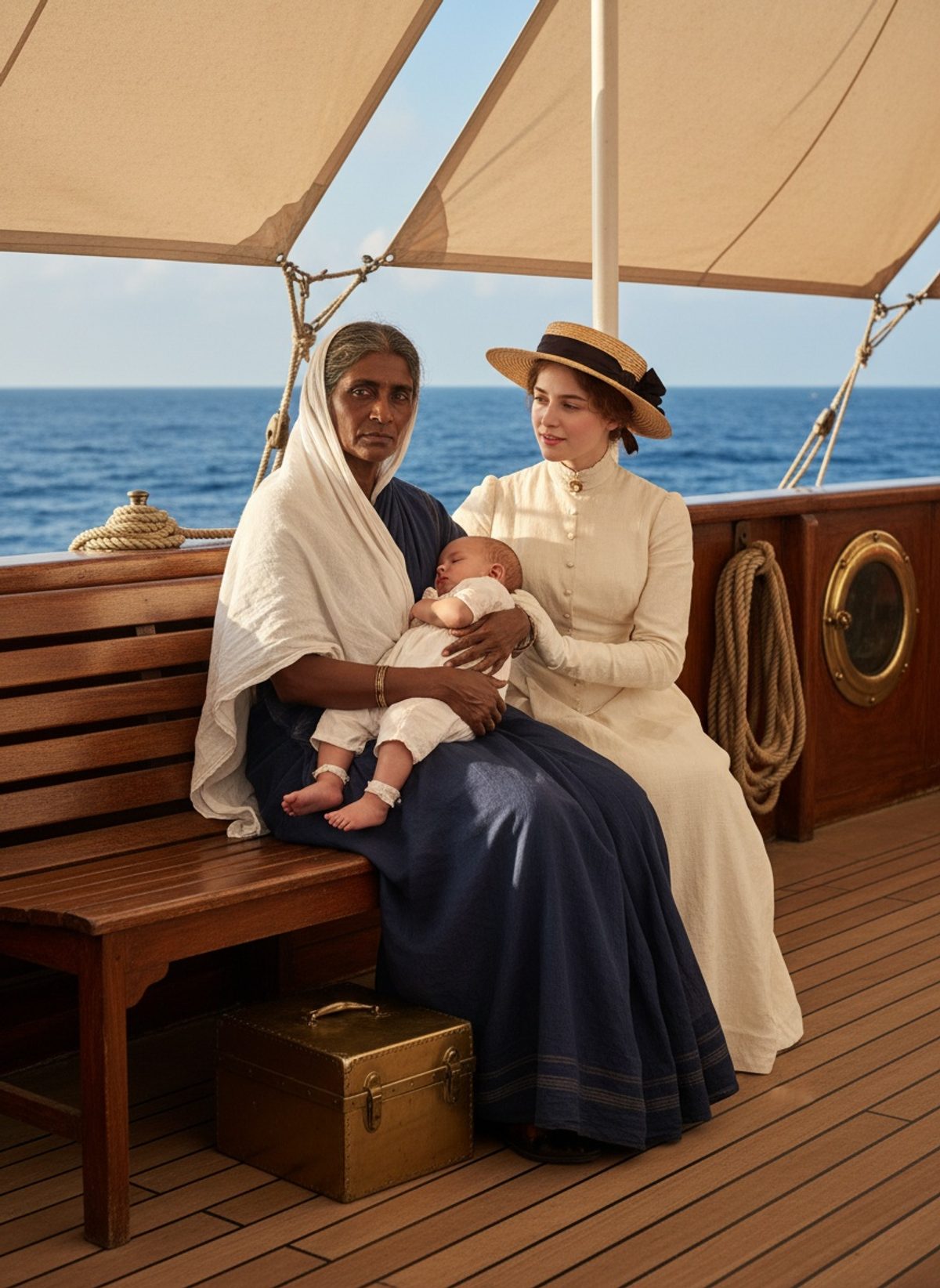
Bombay, 1885. She had crossed the black water a dozen times. Each voyage, she raised other women's children. Each arrival, she handed them to strangers. Then turned around. And sailed back alone.
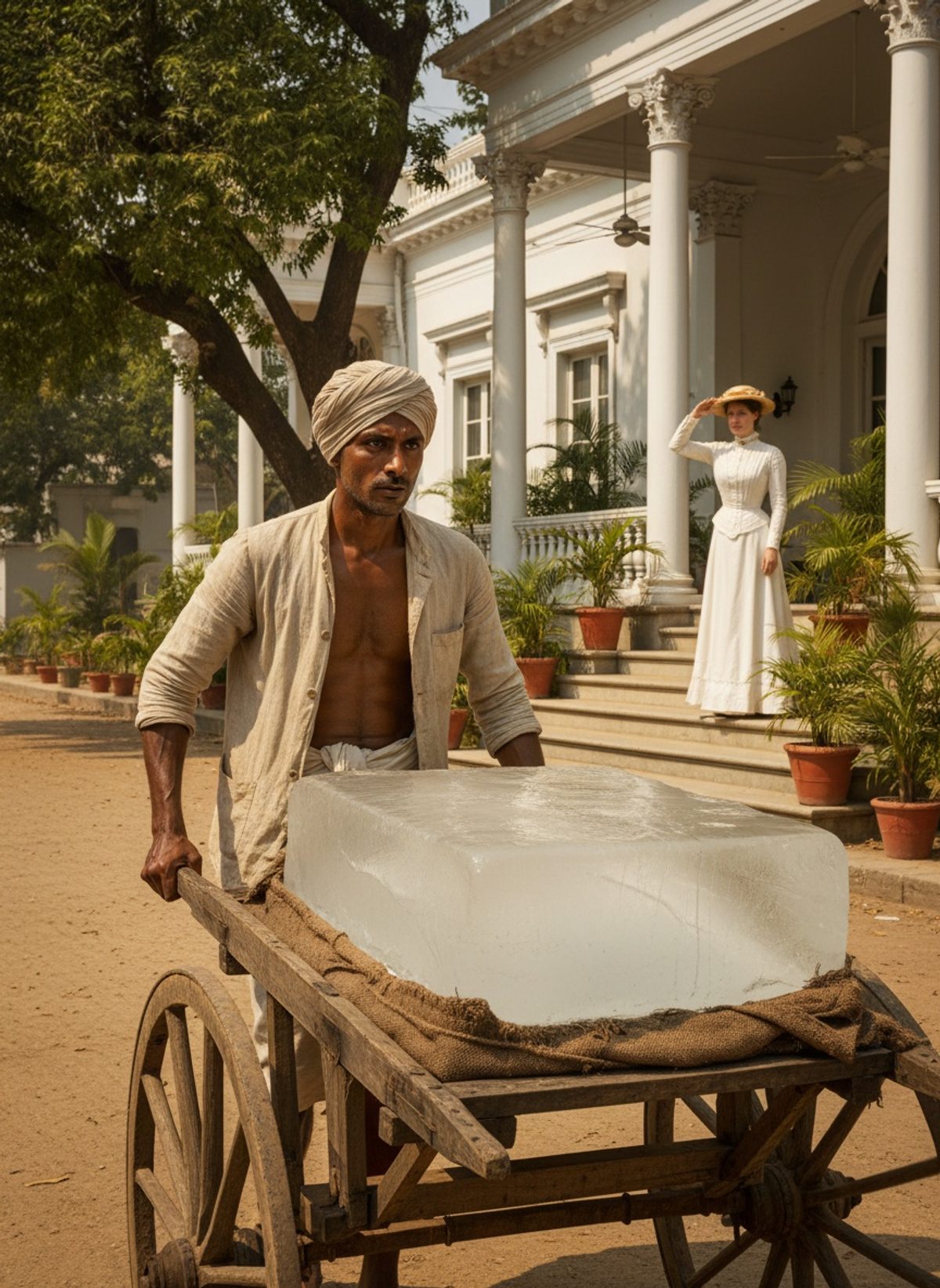
Calcutta, 1880. The Viceroy expected ice at dinner. It had crossed an ocean. Sailed up the Hooghly. Hauled by hand through the city heat. Served in crystal. Still cold.
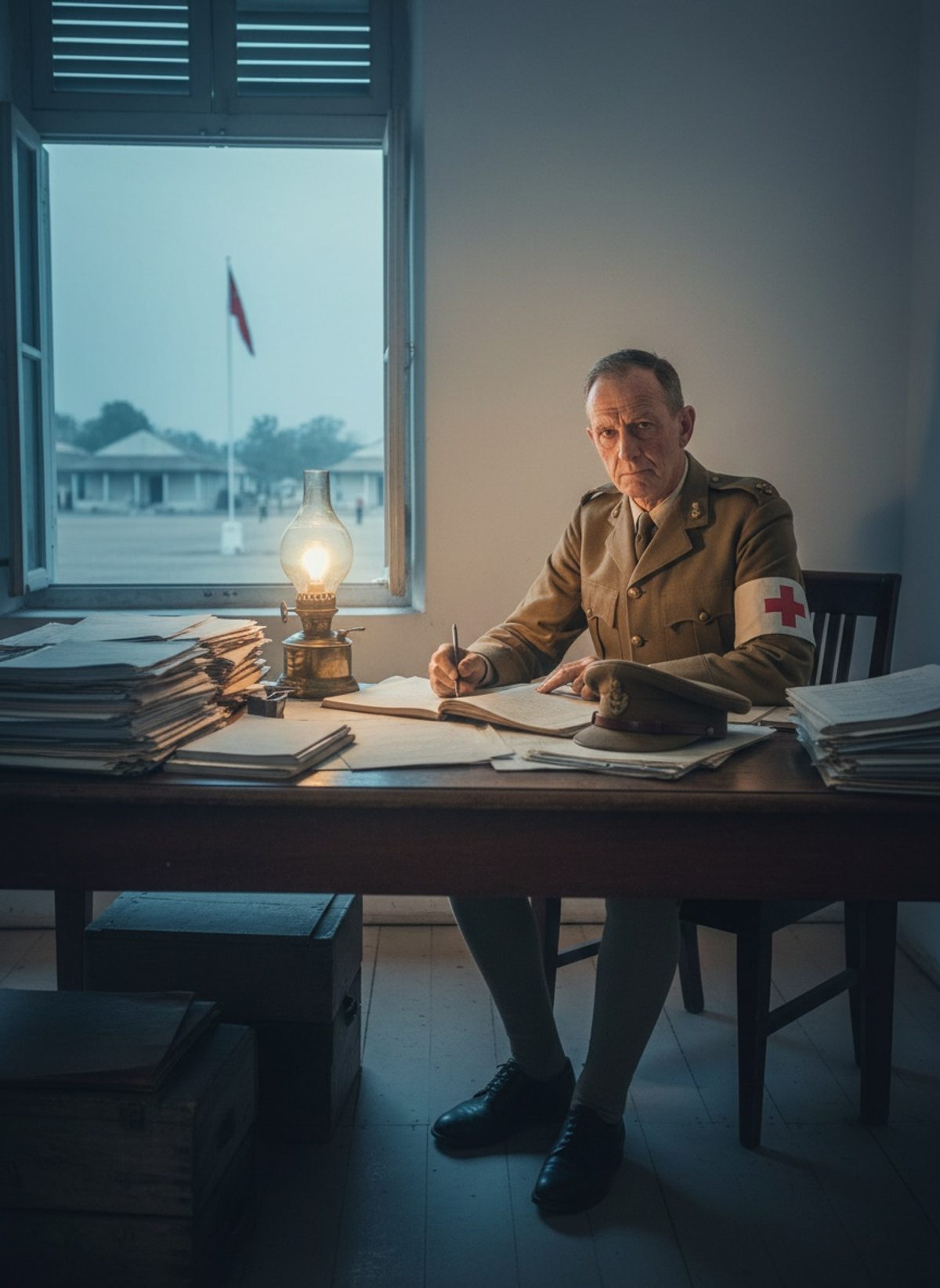
The British Army lost more men to disease than bullets. Surgeon-General Sir William Taylor published a damning report on venereal disease rates in India. The Army Council buried it. Parliament never saw it.
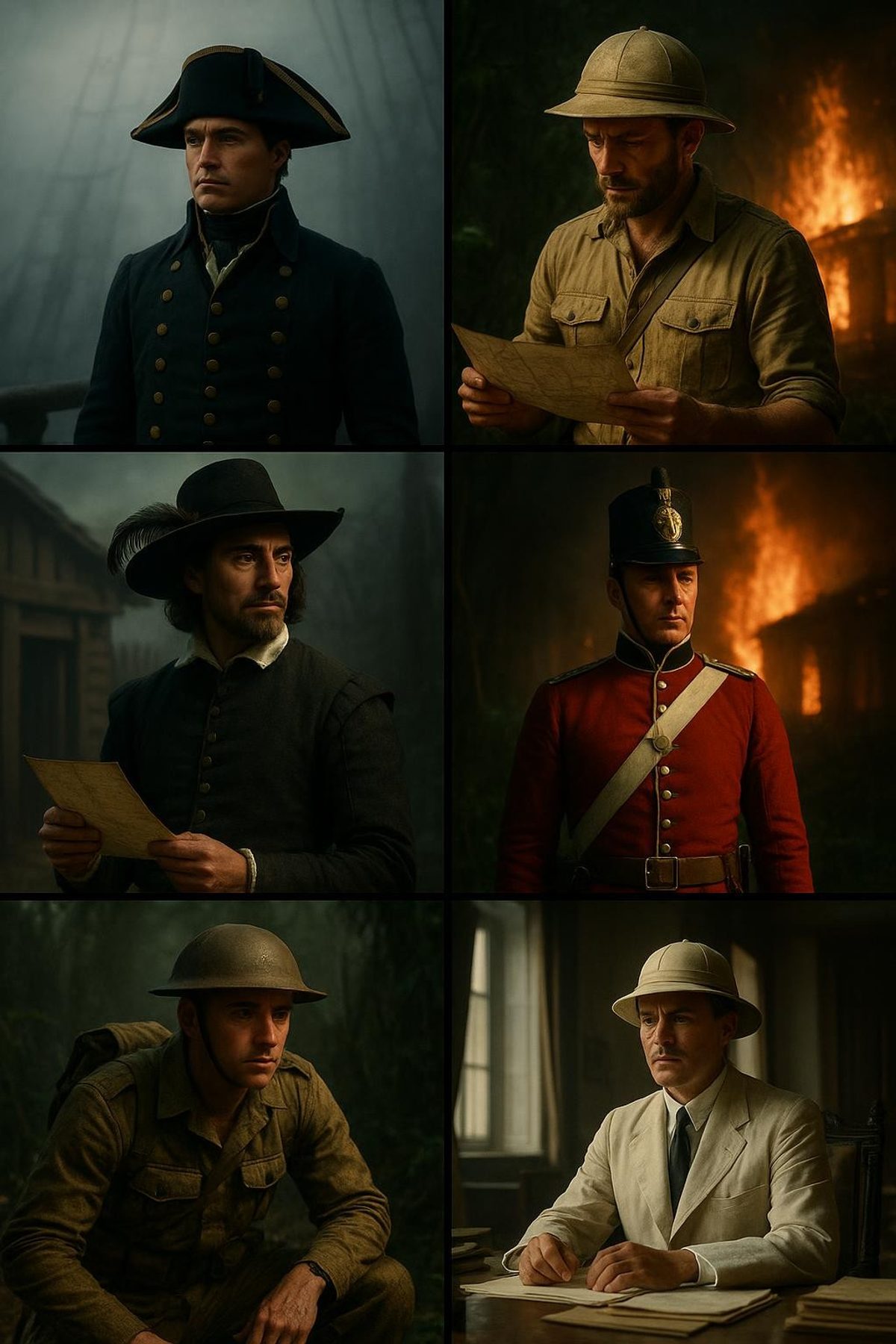
Six real moments. Six impossible choices. The British Empire left behind unsolved riddles that still have no clean answer. Pick one. Defend it.
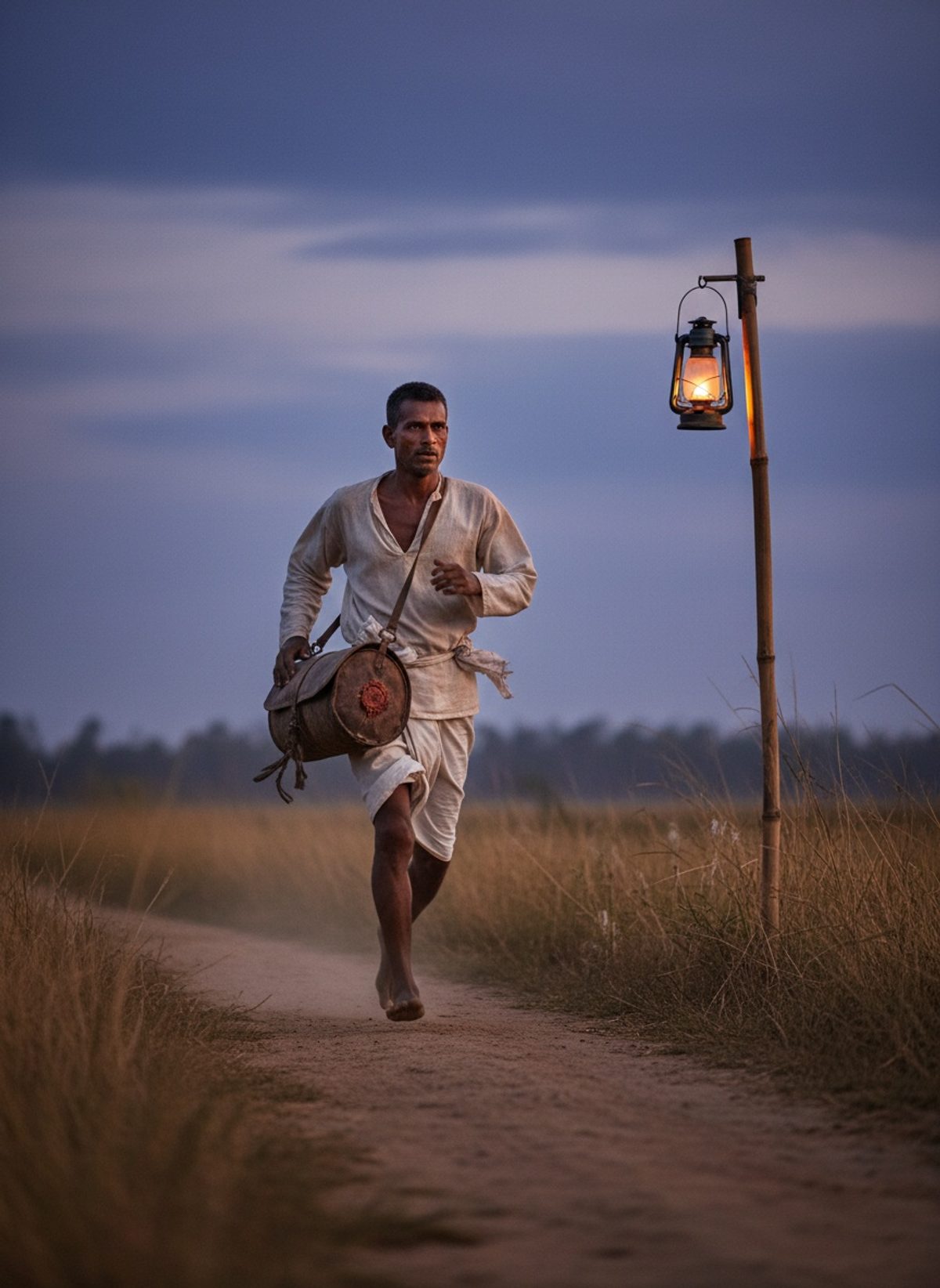
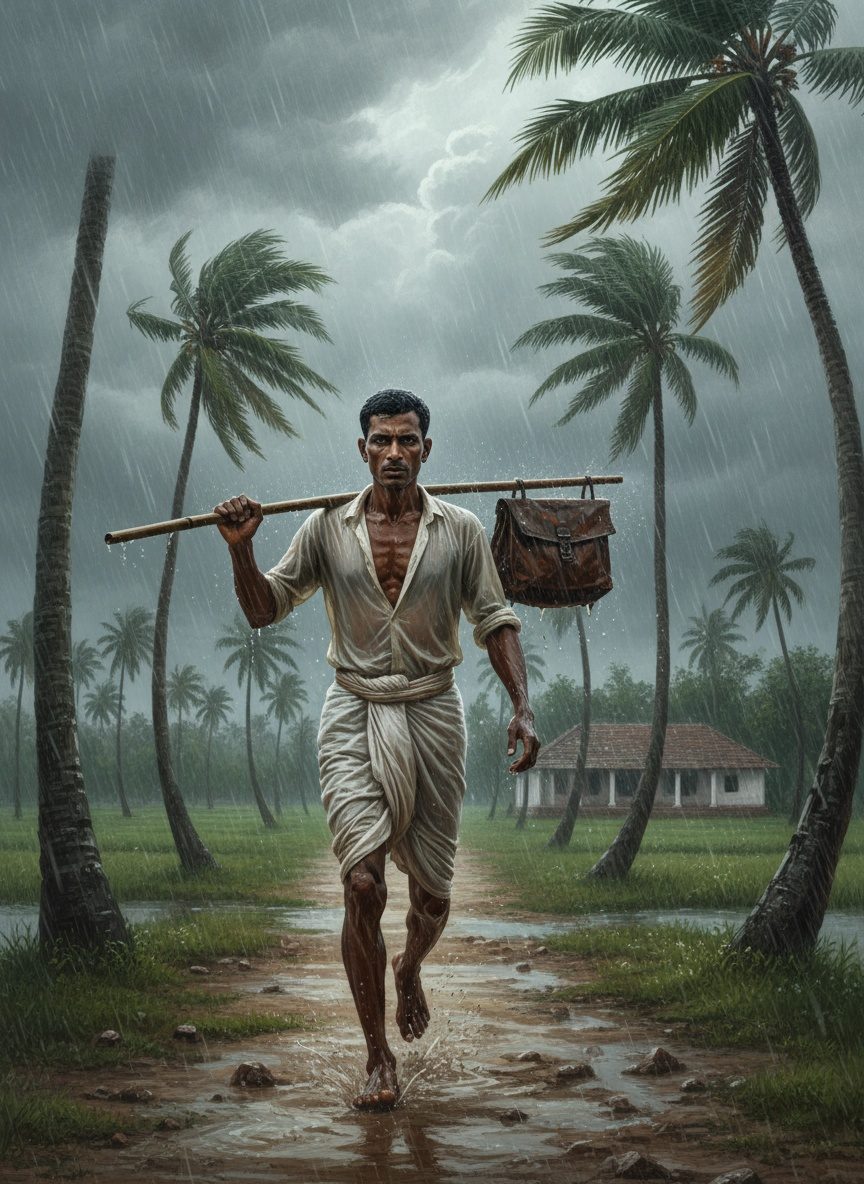
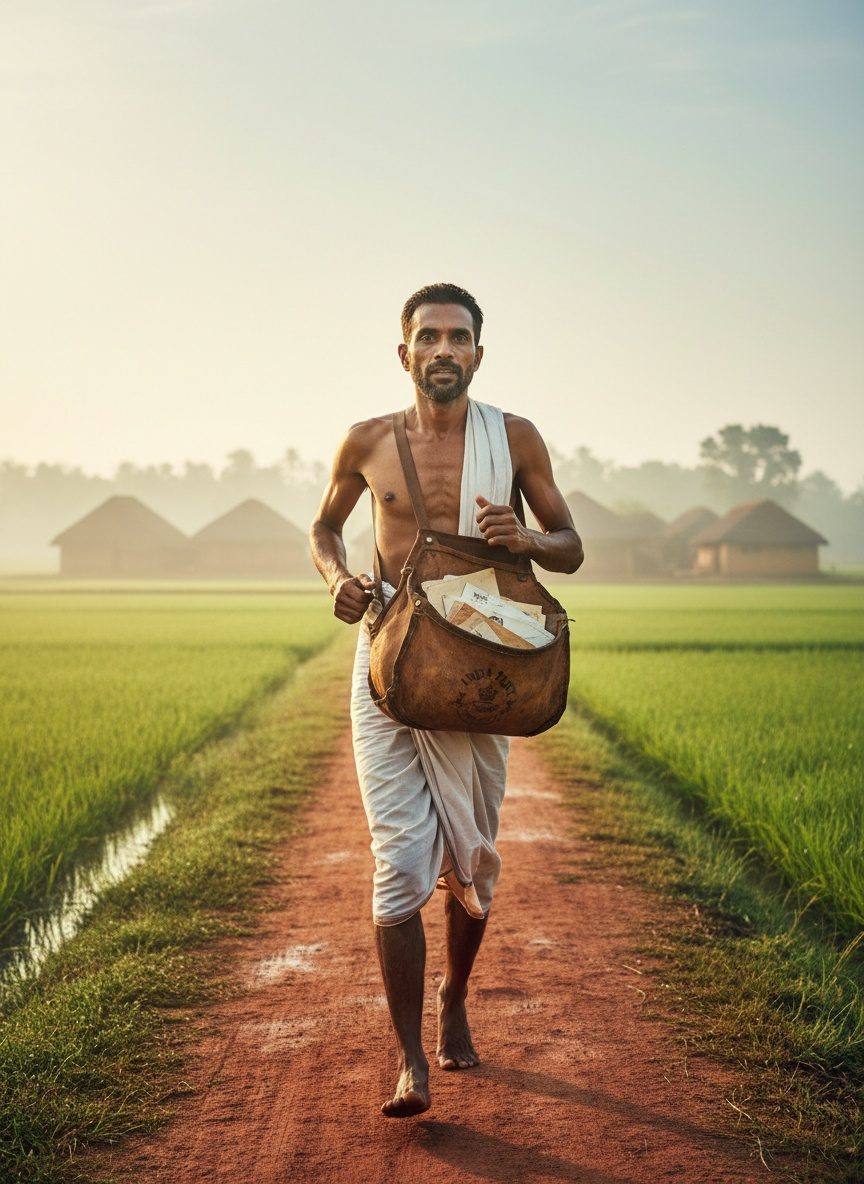
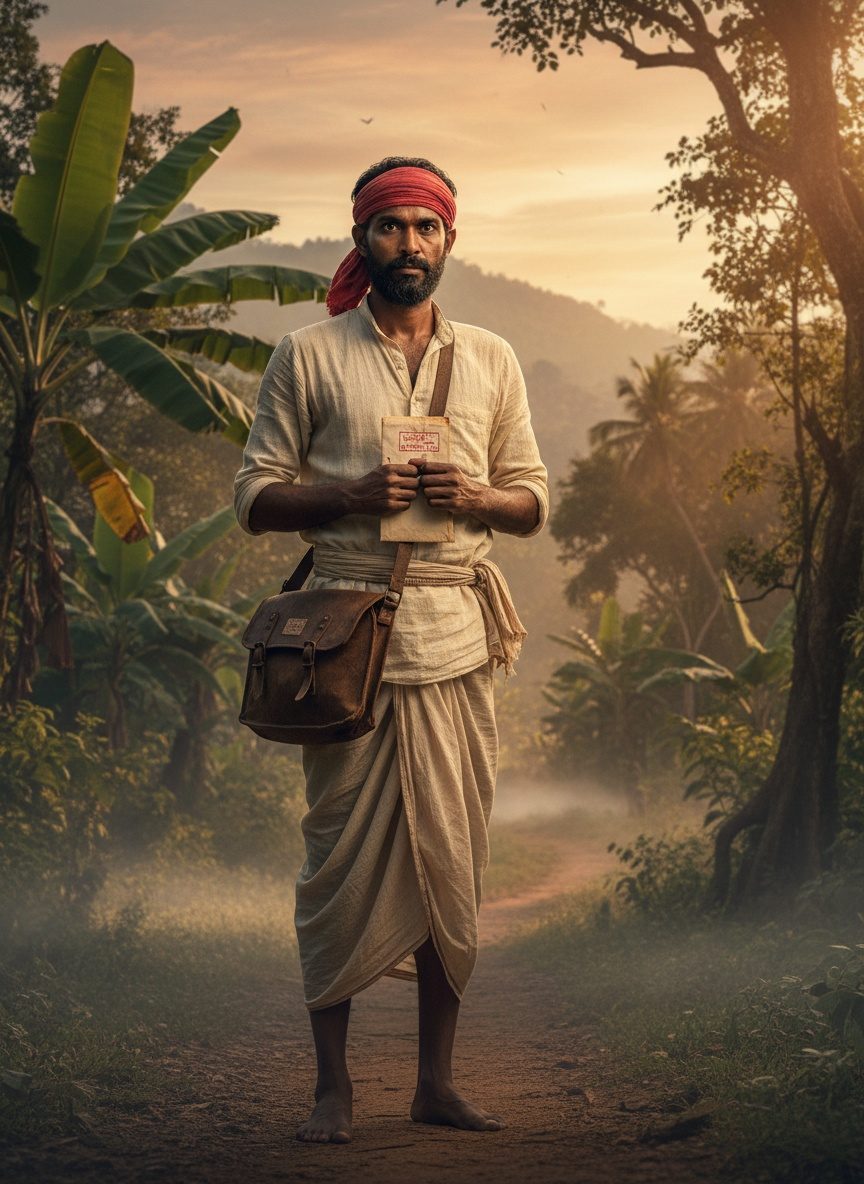
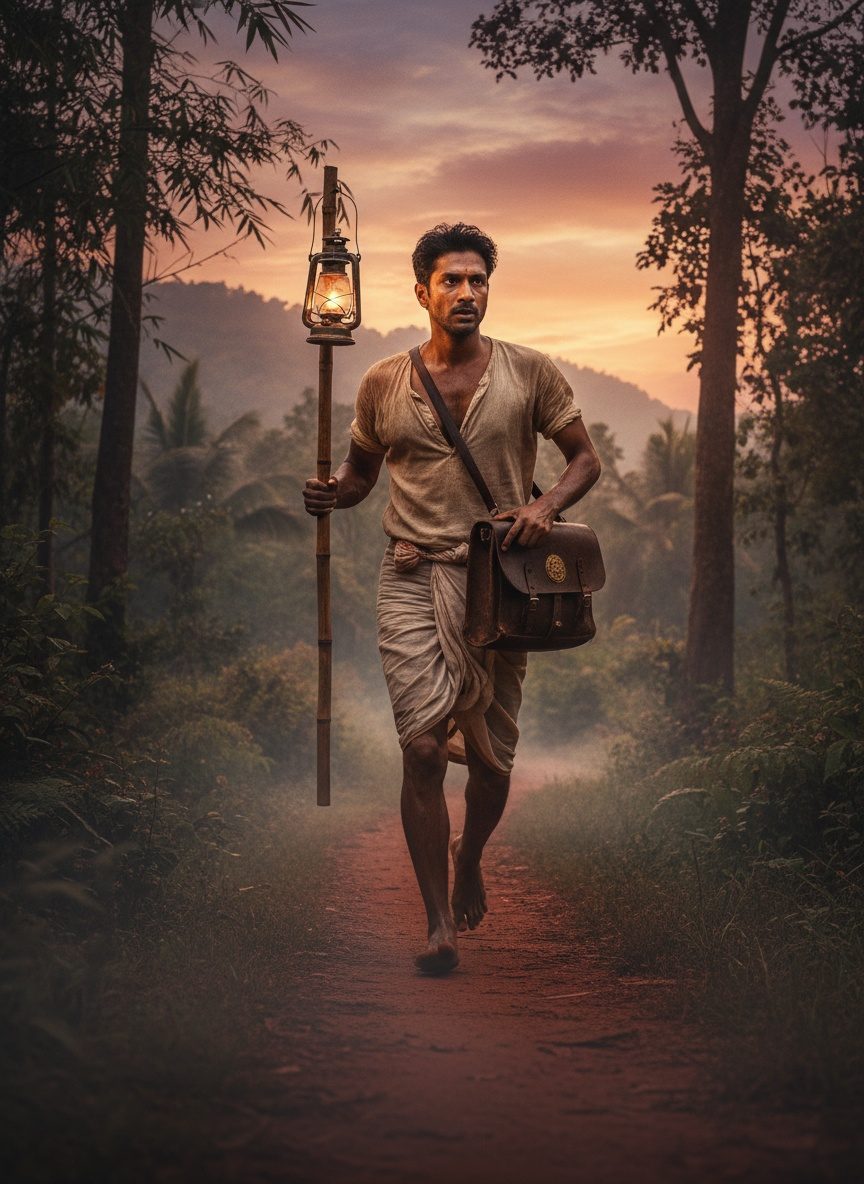
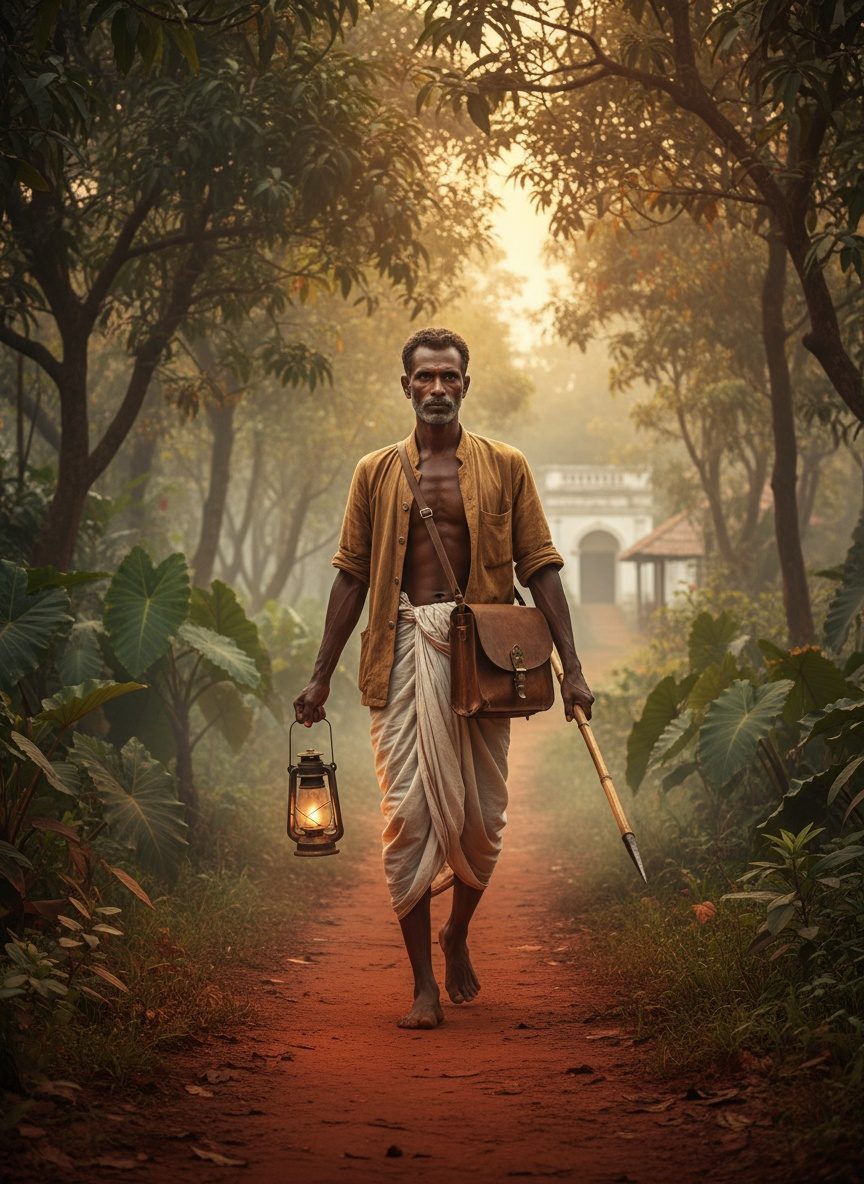
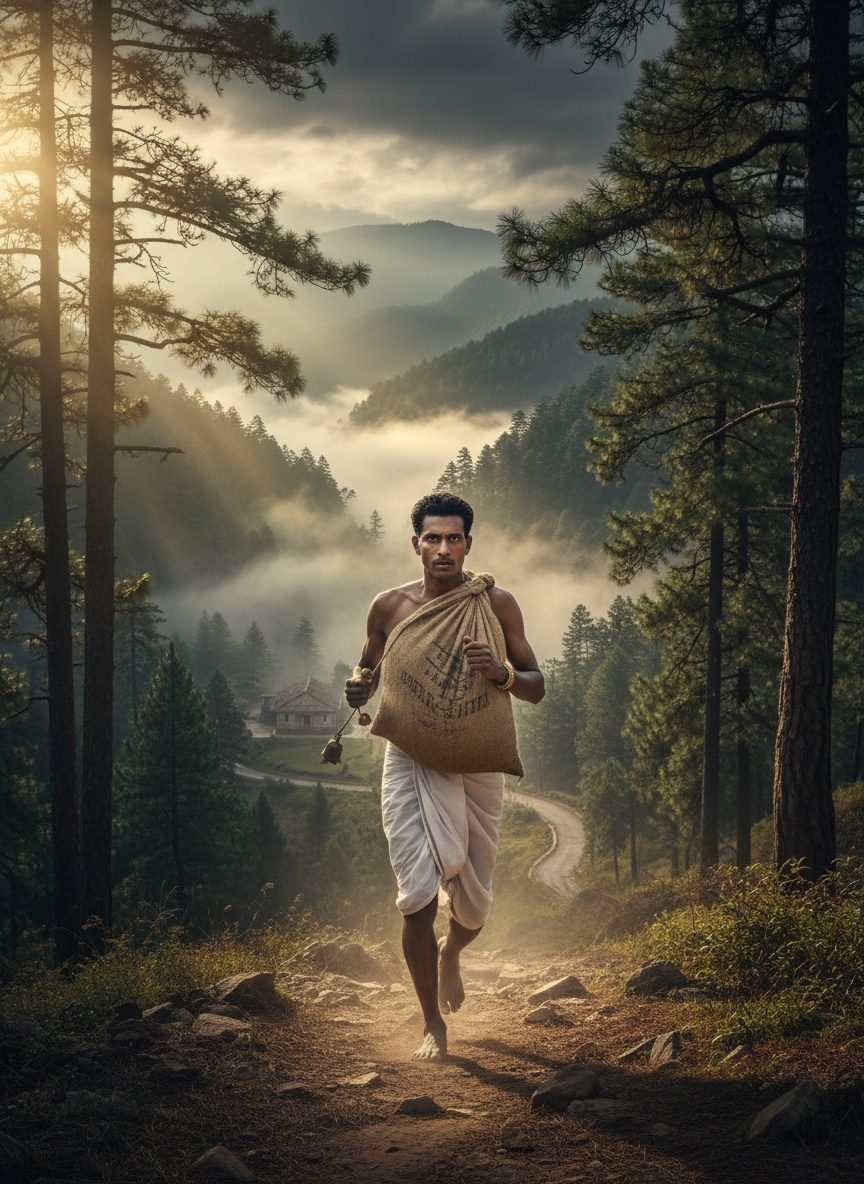
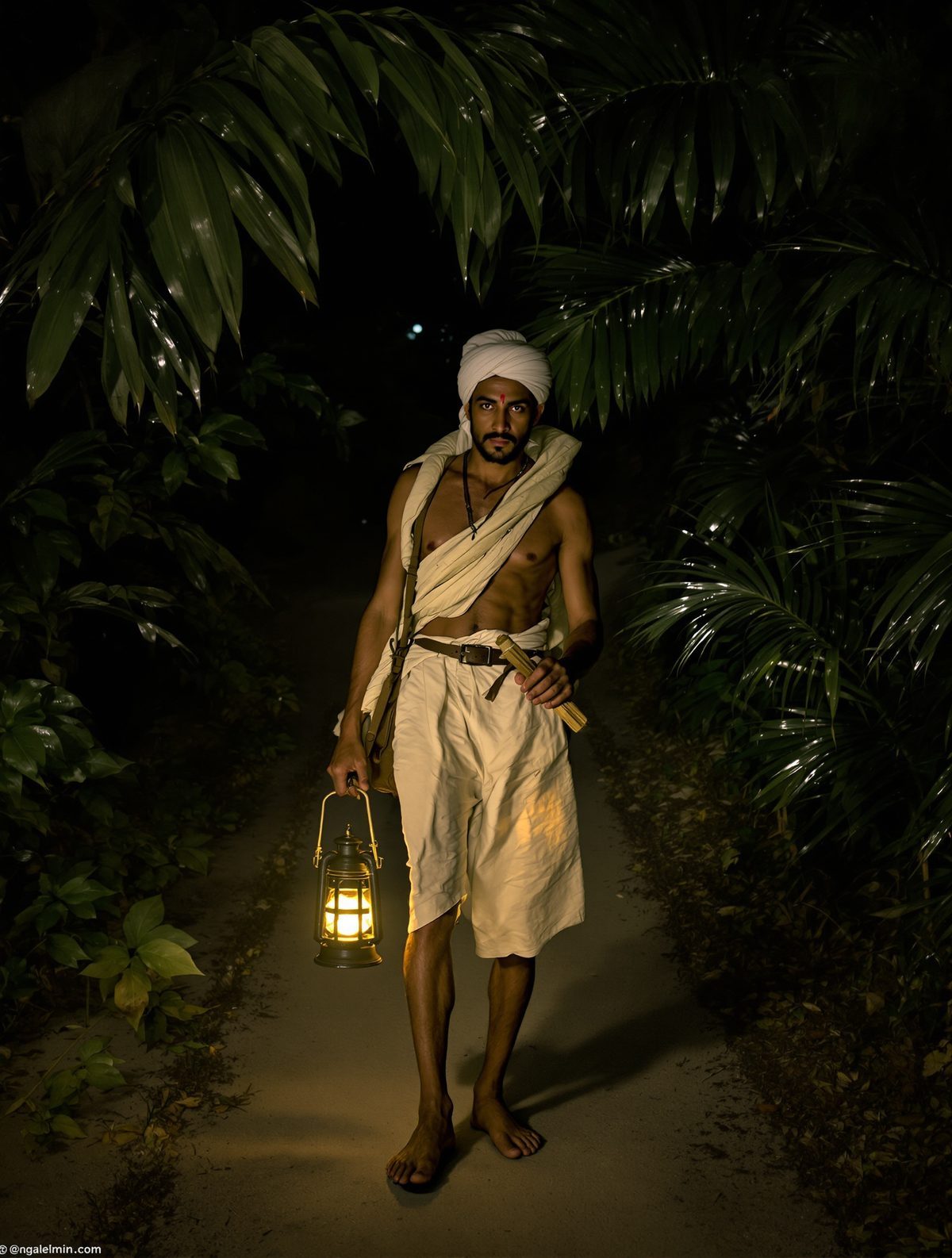
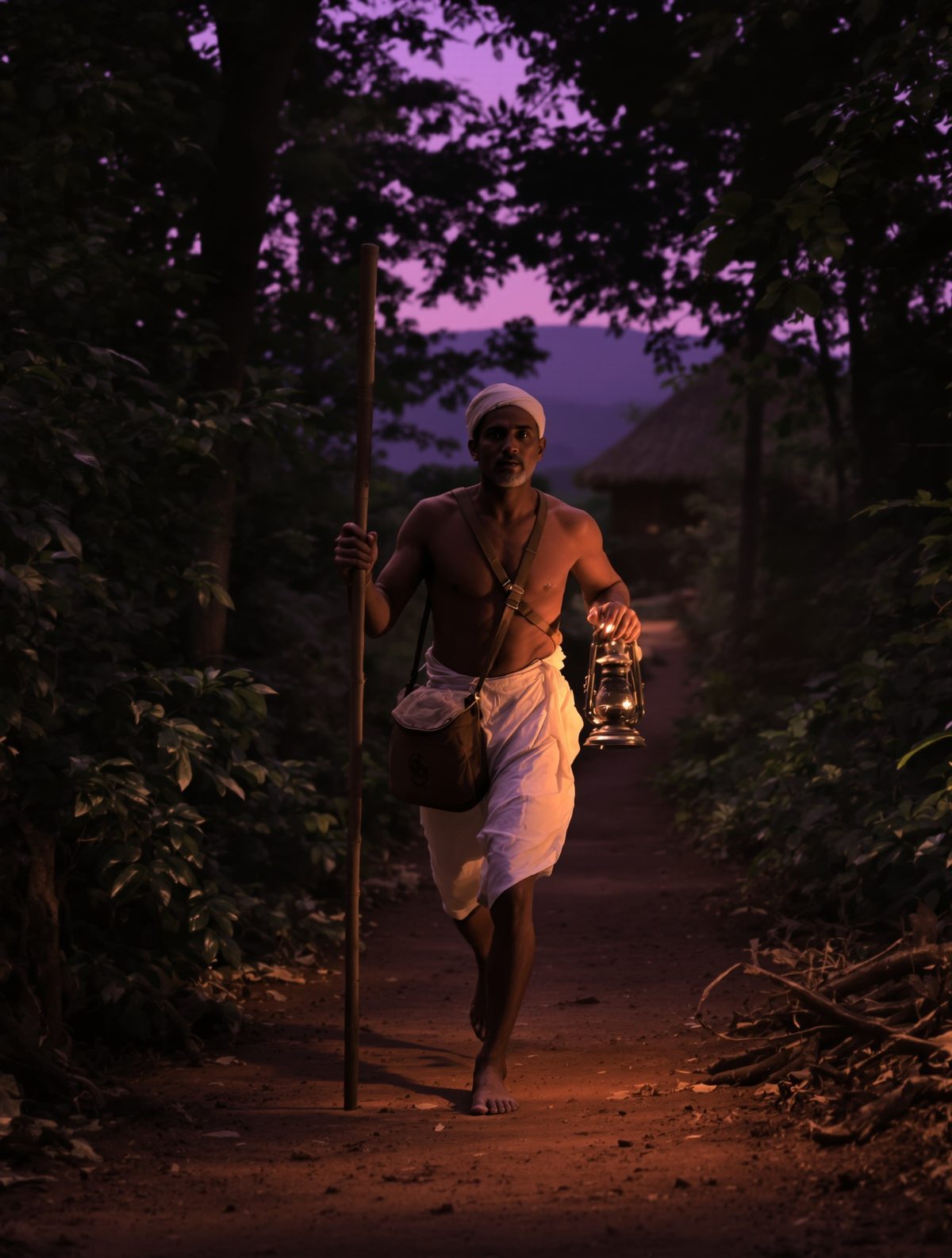
1875. Night on the Bengal plain. A barefoot runner left one lantern post and ran for the next. He carried the mail of an empire. He ran through monsoon and tiger country. He never stopped. He never missed.
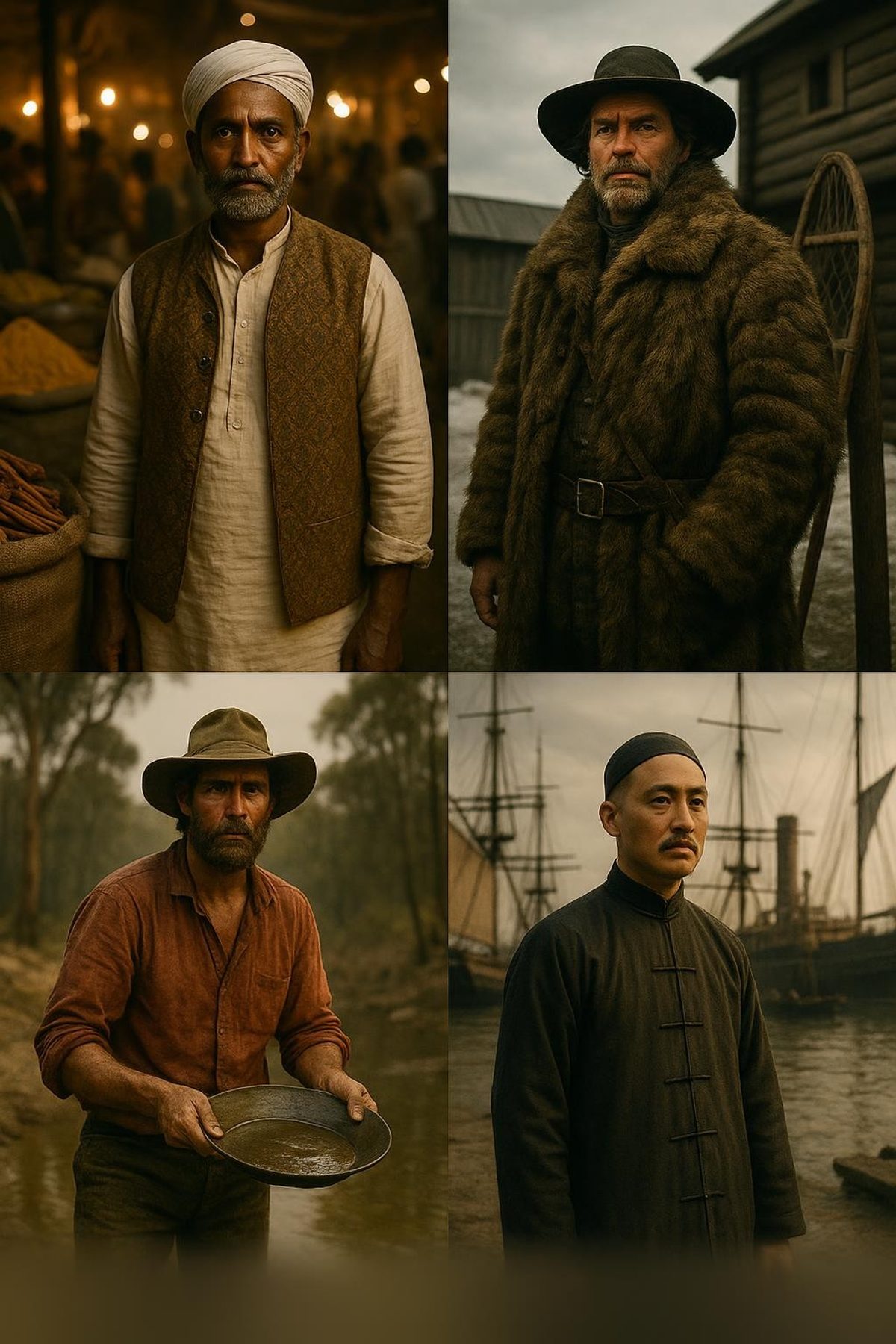
Bombay merchant. Canadian fur trapper. Australian gold-rusher. Hong Kong trader. Four corners of one empire. Four completely different lives. Which would you pick?
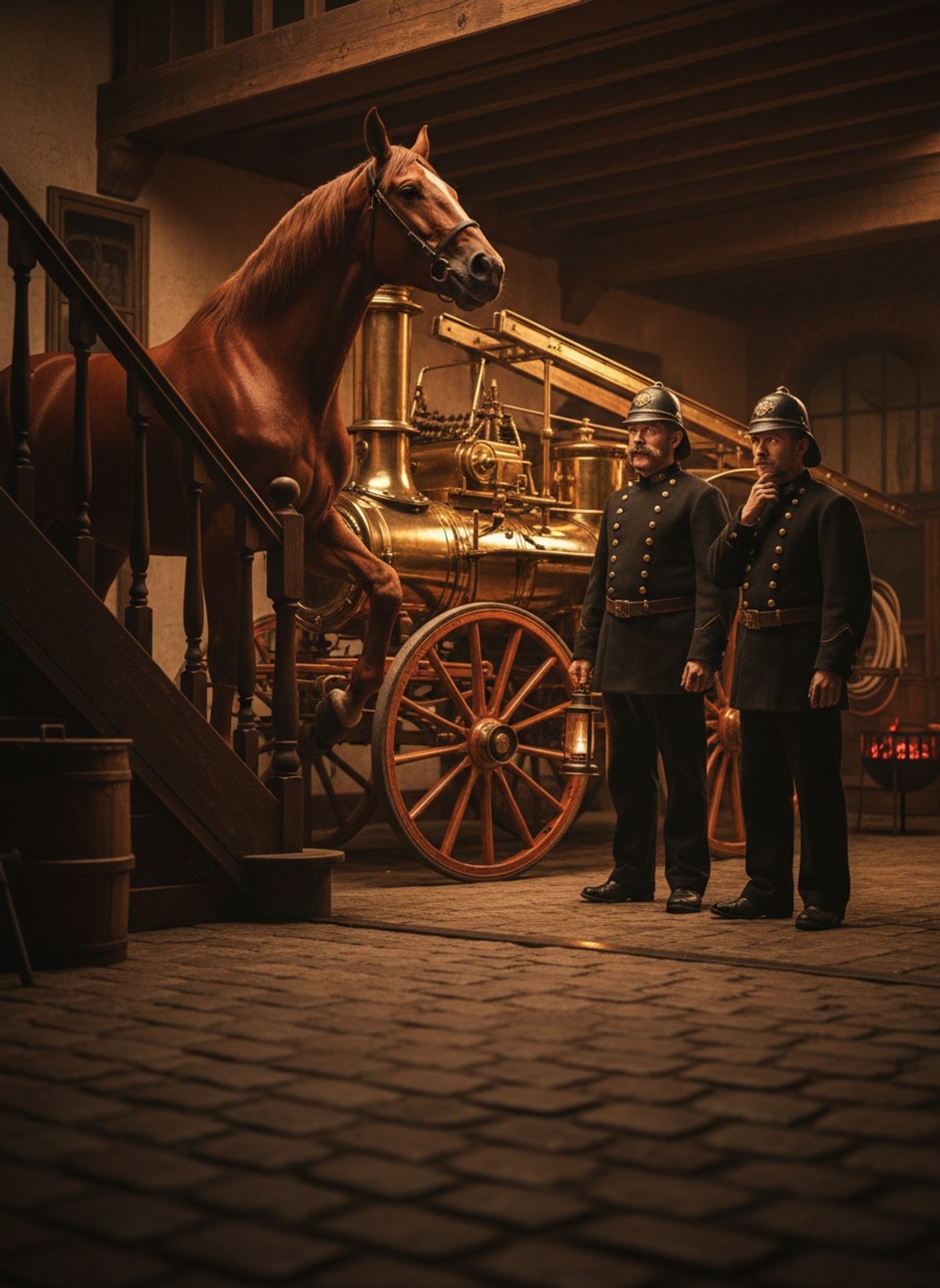
London fire stations kept horses below and men above. The horses had other ideas. When one bay mare climbed the station stairs at night, an engineer named George Lorimer found the answer — and changed fire stations forever.
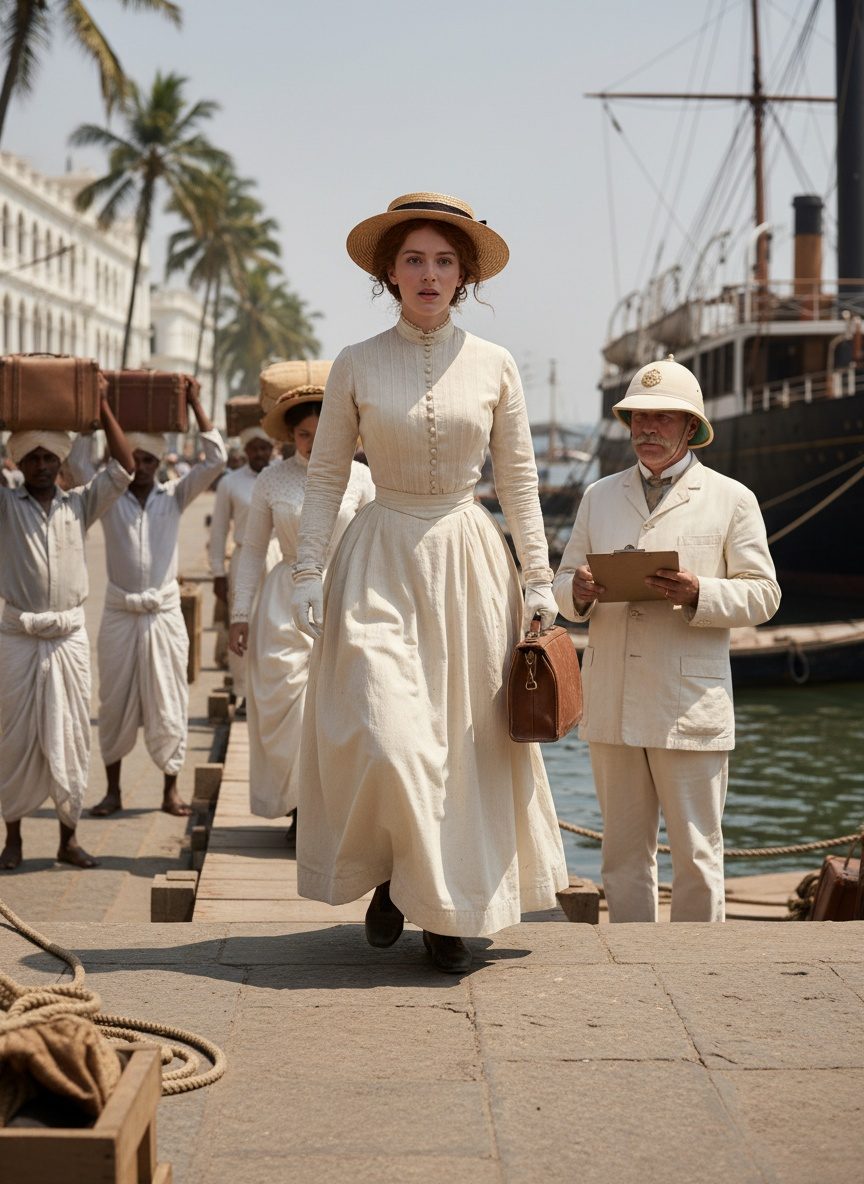
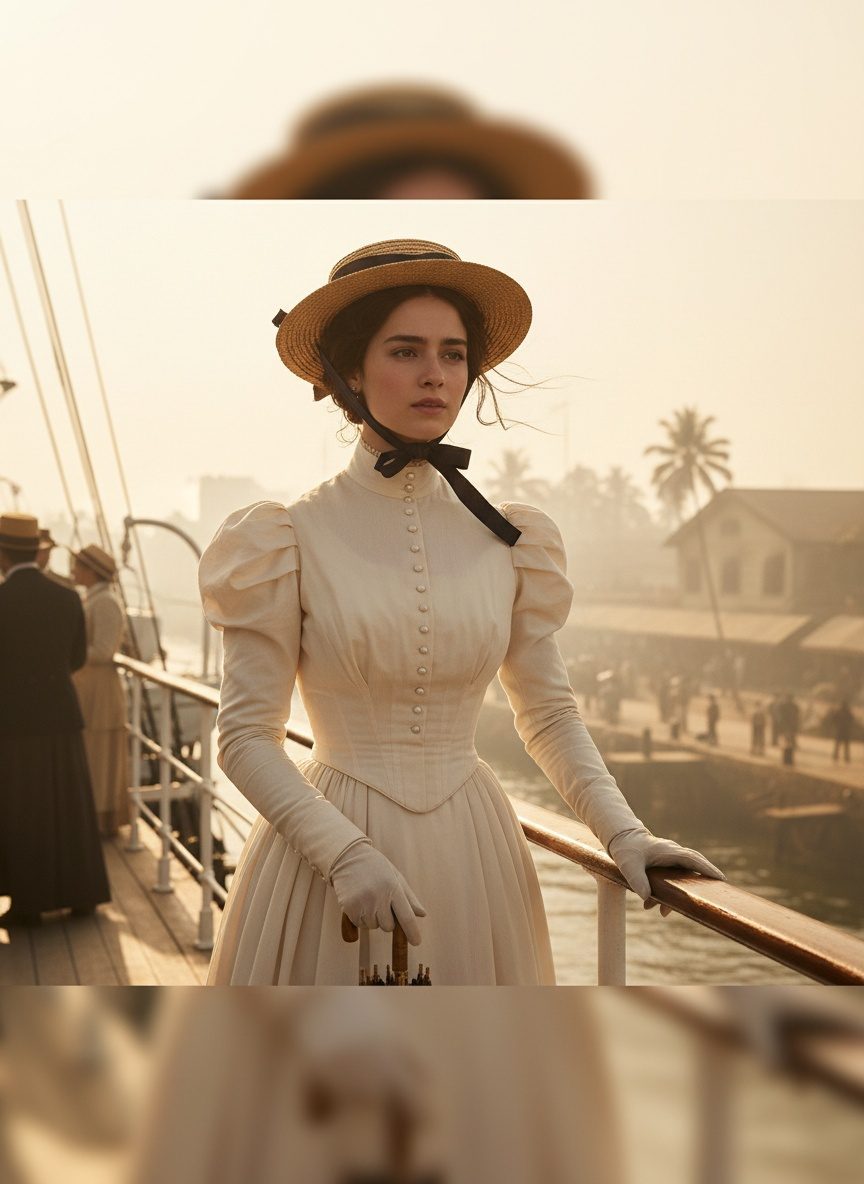
Bombay. 1880. The P&O steamer docked at dawn. Young British women stepped ashore. They had sailed six weeks from Southampton. They had come to find husbands. Some would find the life they dreamed of. Some would sail home alone. They called themselves the Fishing Fleet.
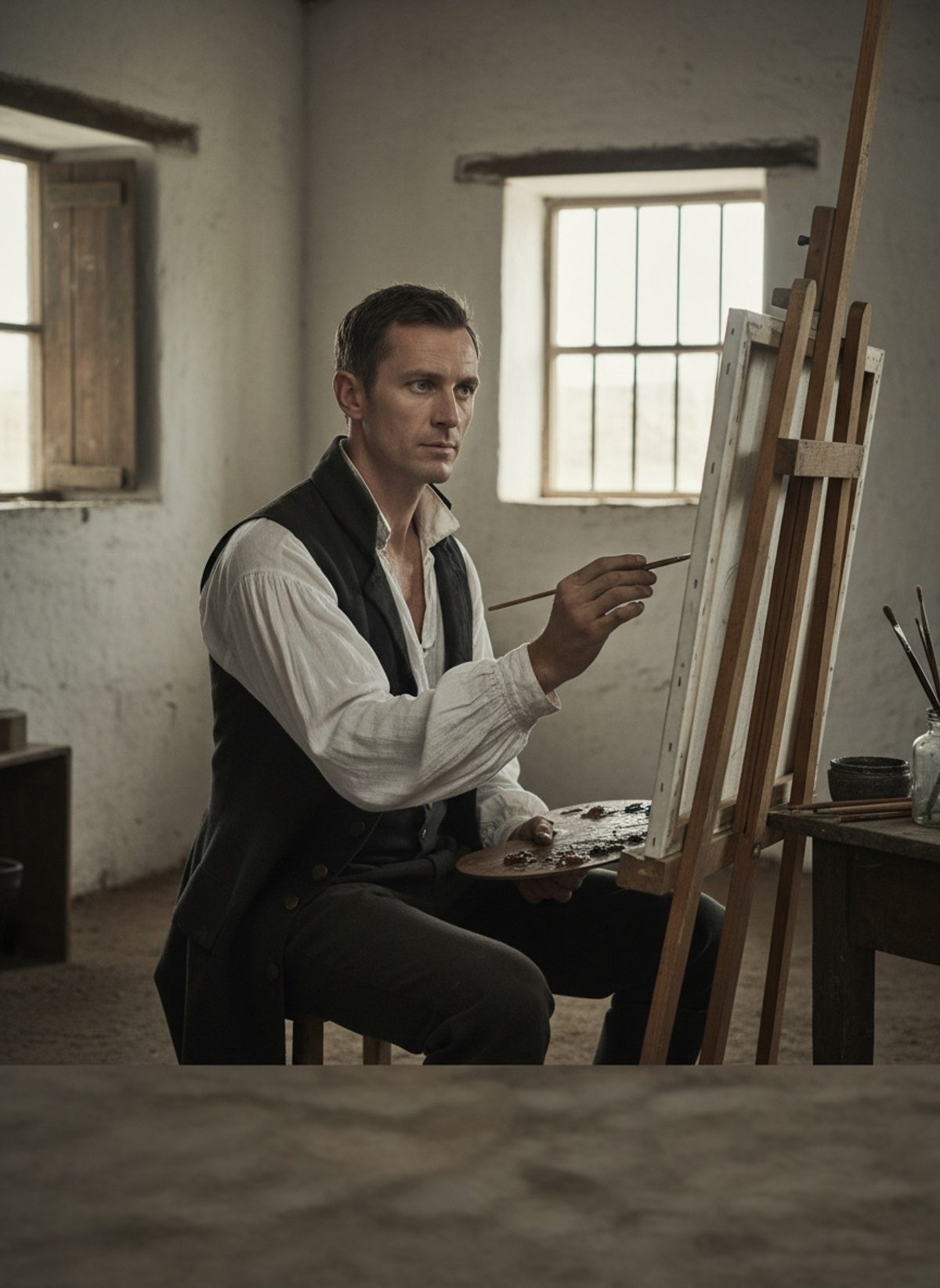
He poisoned three people in London, forged bank drafts worth thousands, and fled to France. Then the Empire caught him. Transported to Van Diemen's Land, he became the colony's most elegant portrait painter.
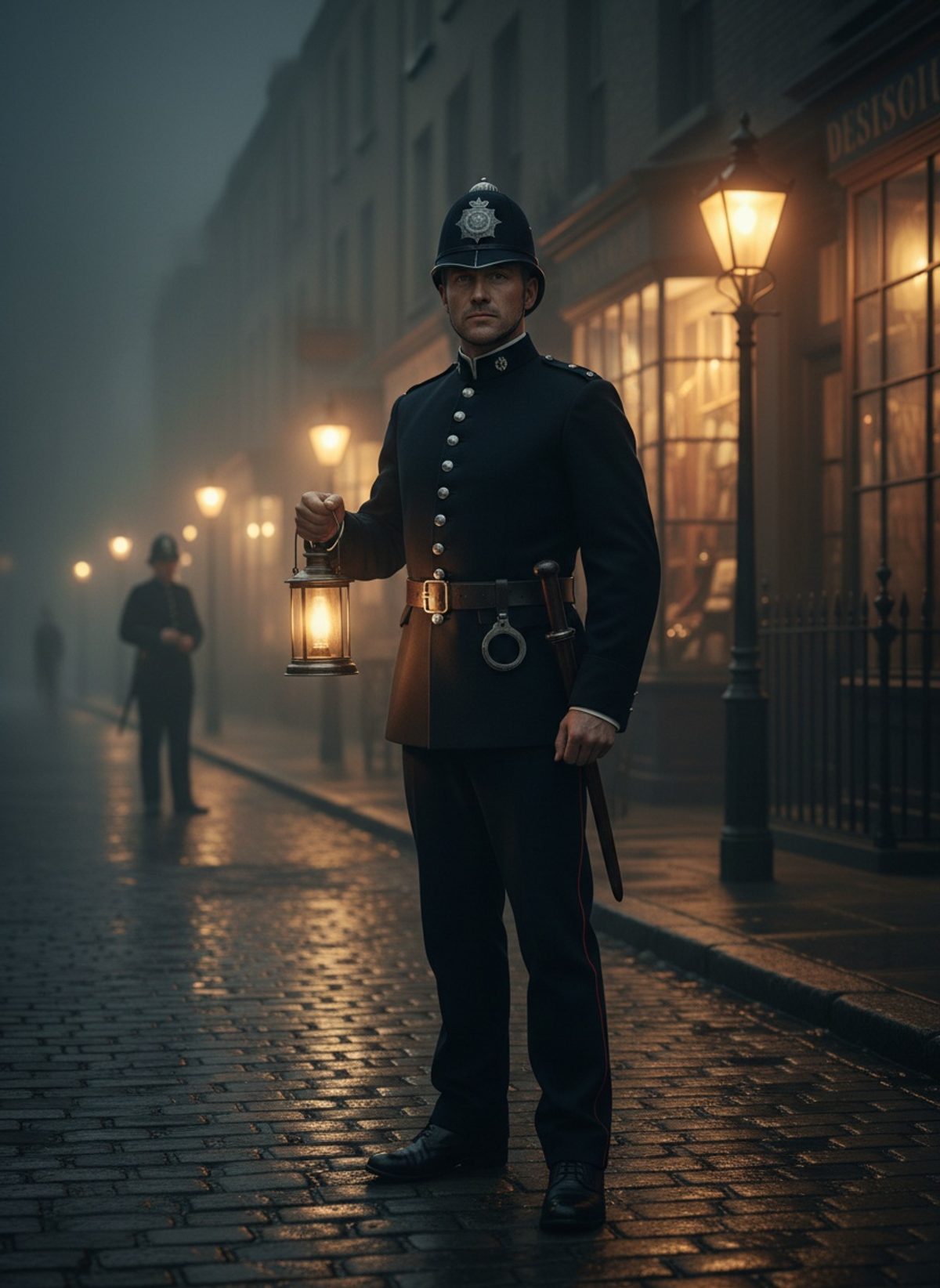
No radios. No cars. No backup. A Victorian constable walked his beat alone — twelve miles a night, six nights a week. He was expected to be sober, clean, and fearless. Most were.
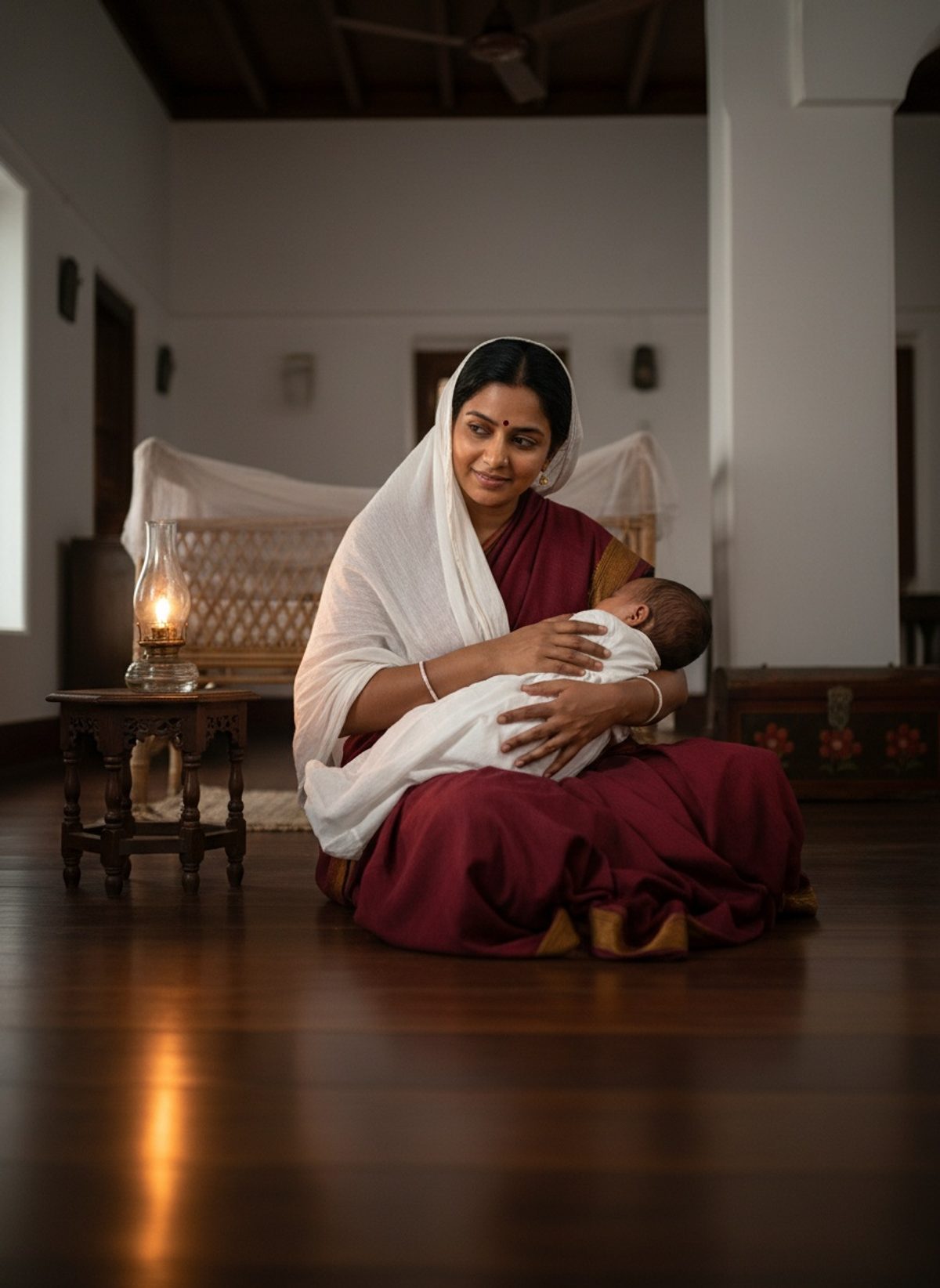
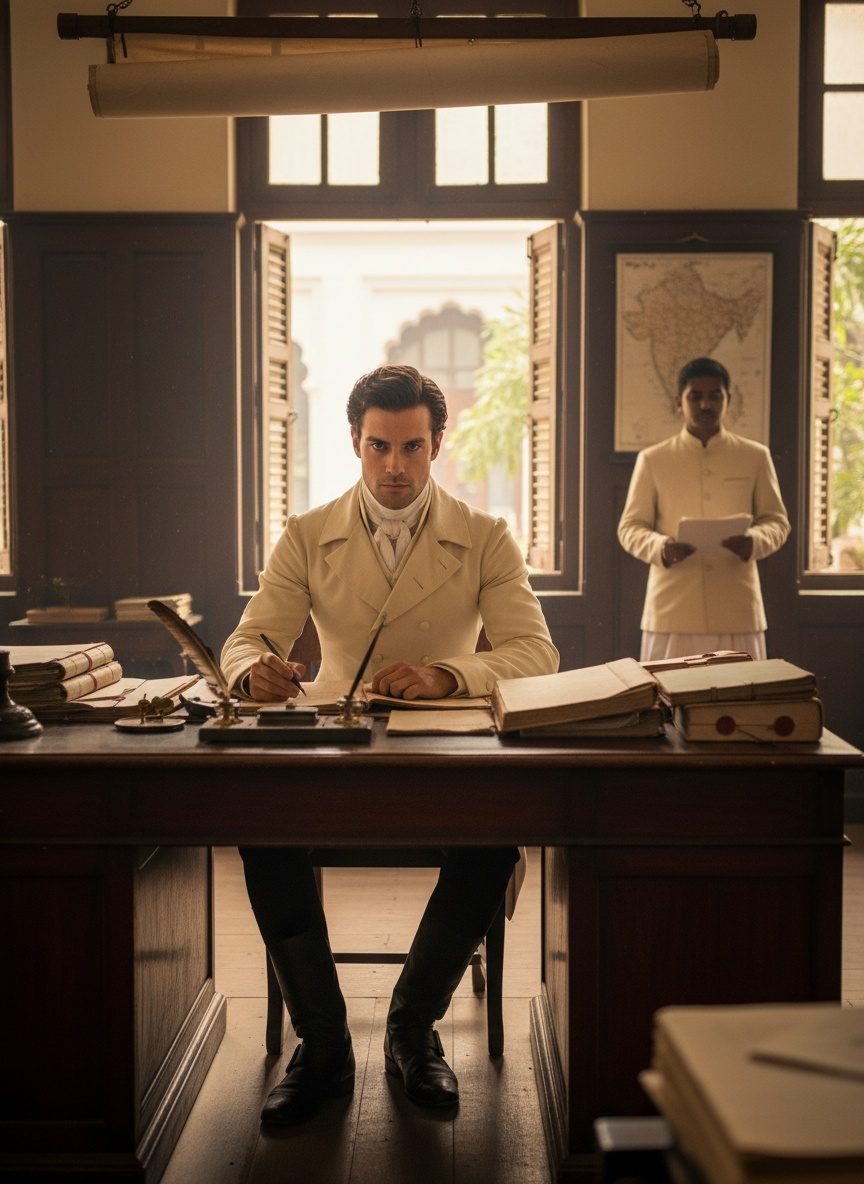
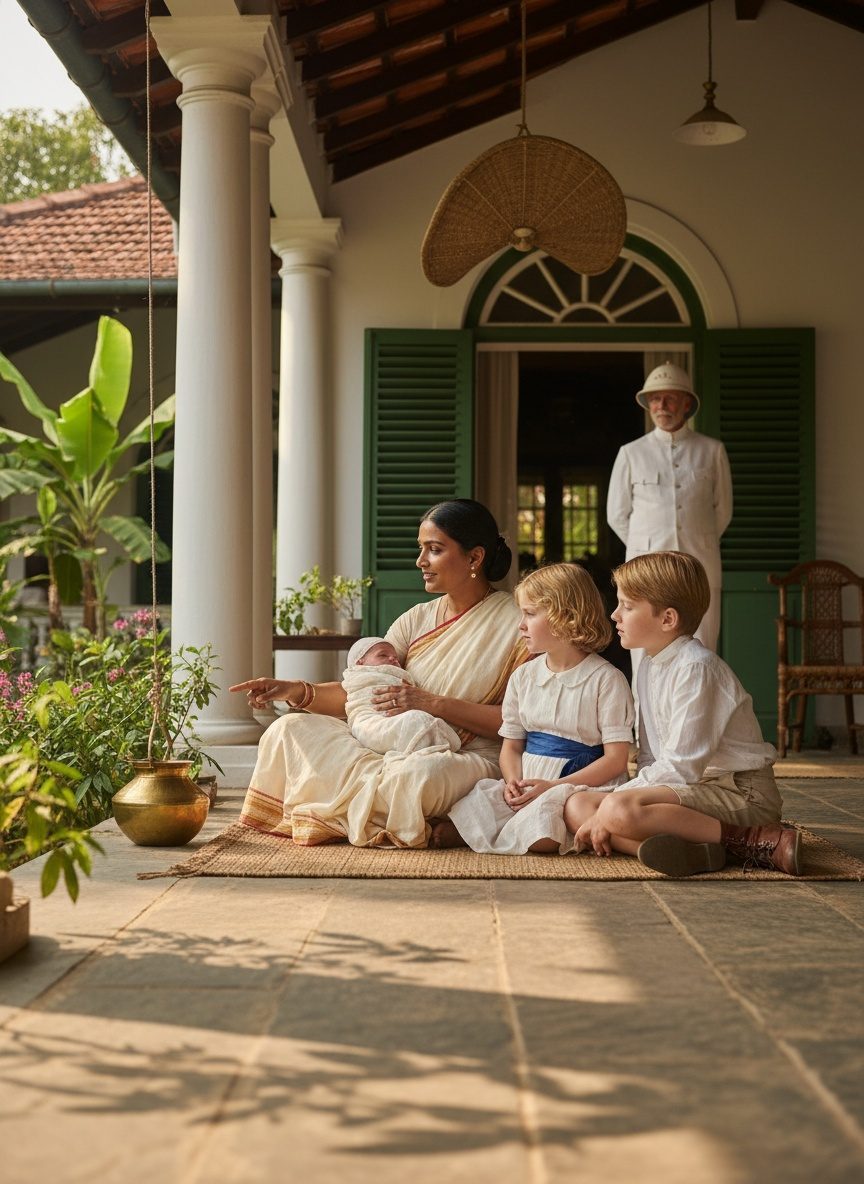
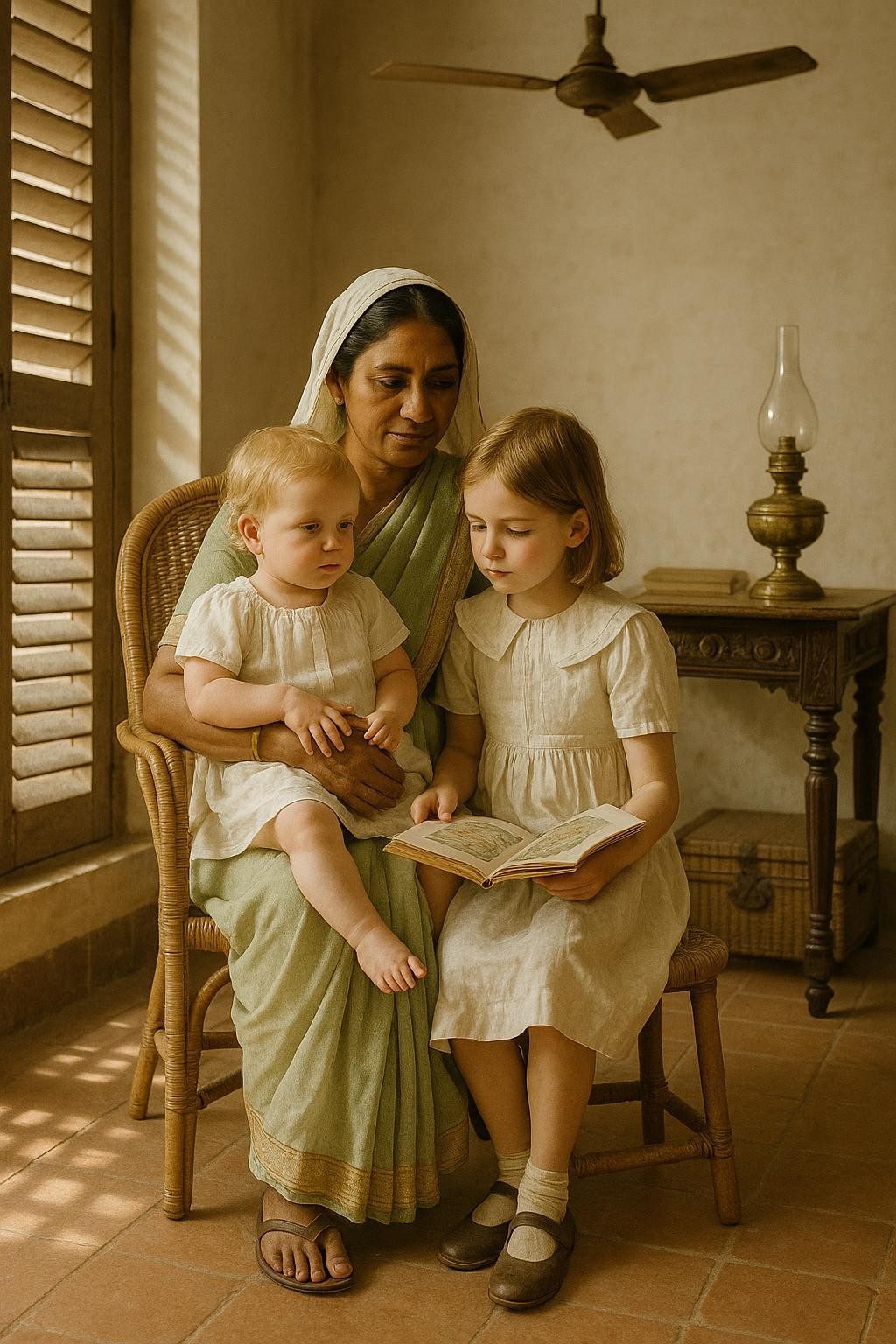
Calcutta, 1885. The memsahib was at the club. The officer was at his desk. In the nursery, an ayah sang. She had raised three British children. None of them ever forgot her name.
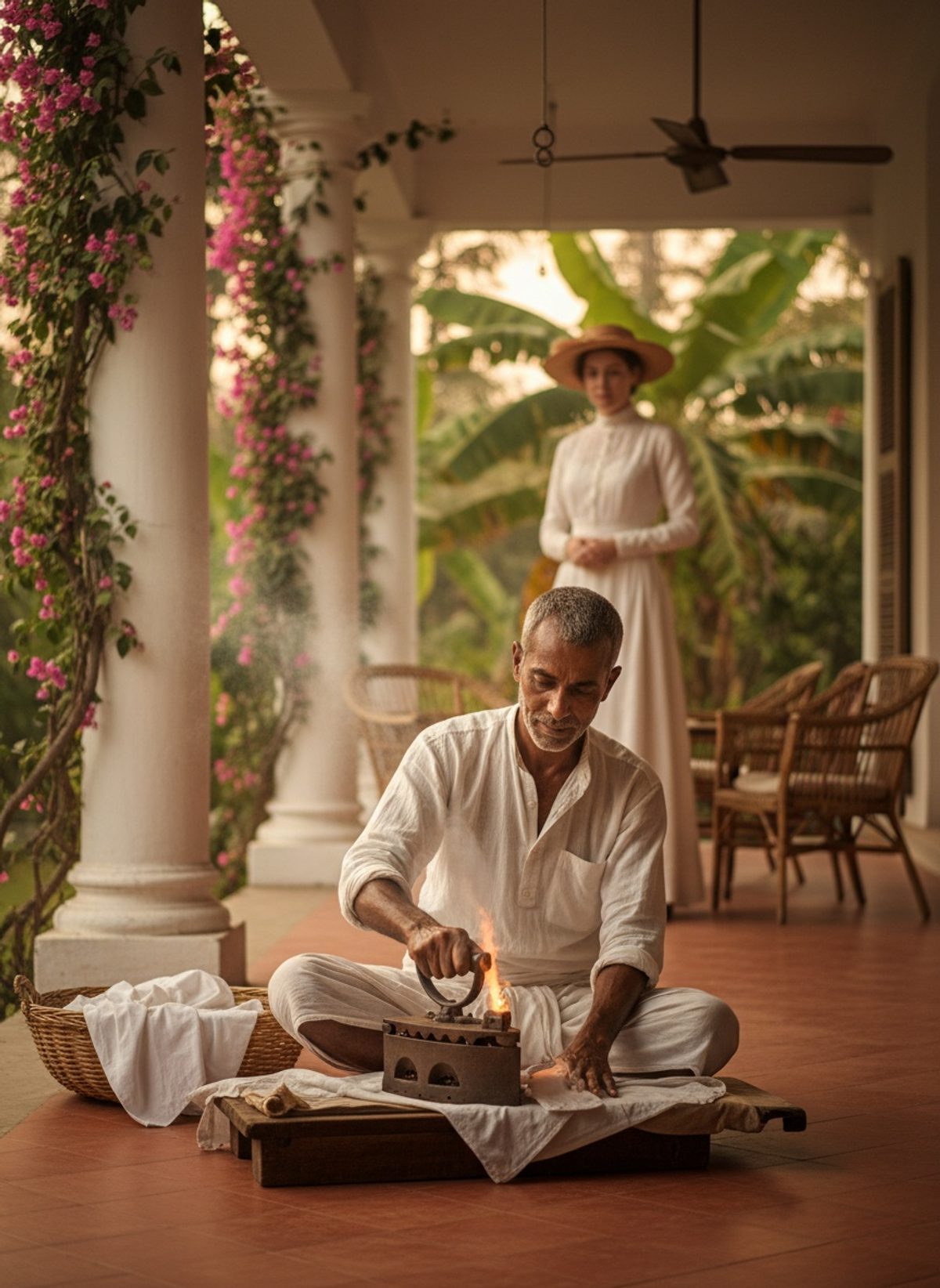
Calcutta, 1890. Every morning before dawn he came. Basket balanced. Irons heated over charcoal. A British officer's collar, crisp and white by breakfast. The empire ran on paperwork. The paperwork needed pressing.
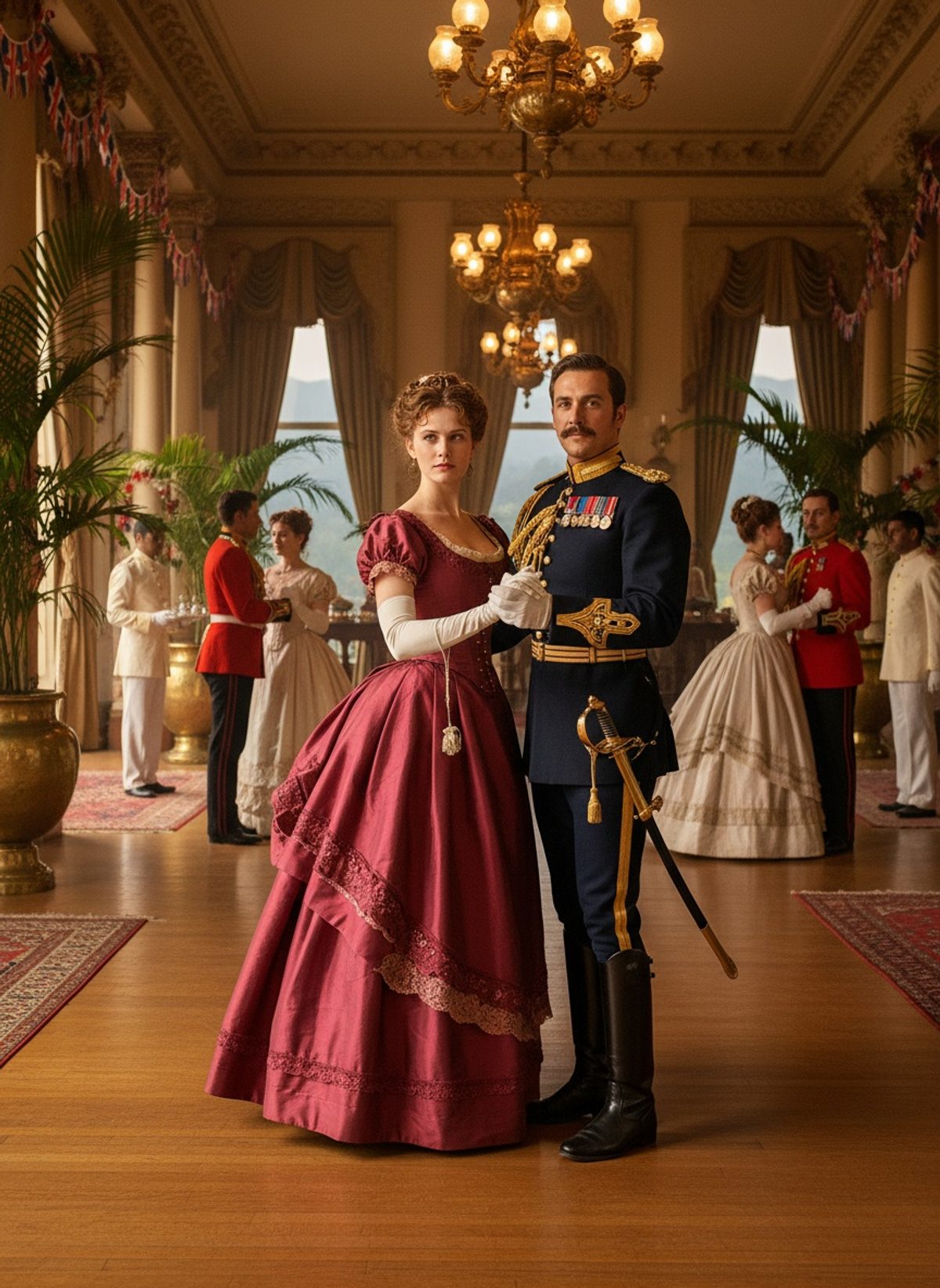
Simla, 1885. The hill station blazed with lanterns. Young women had sailed months to reach this ballroom. Officers in full dress spun them across the floor. England felt very far away. This was the Empire's drawing room.
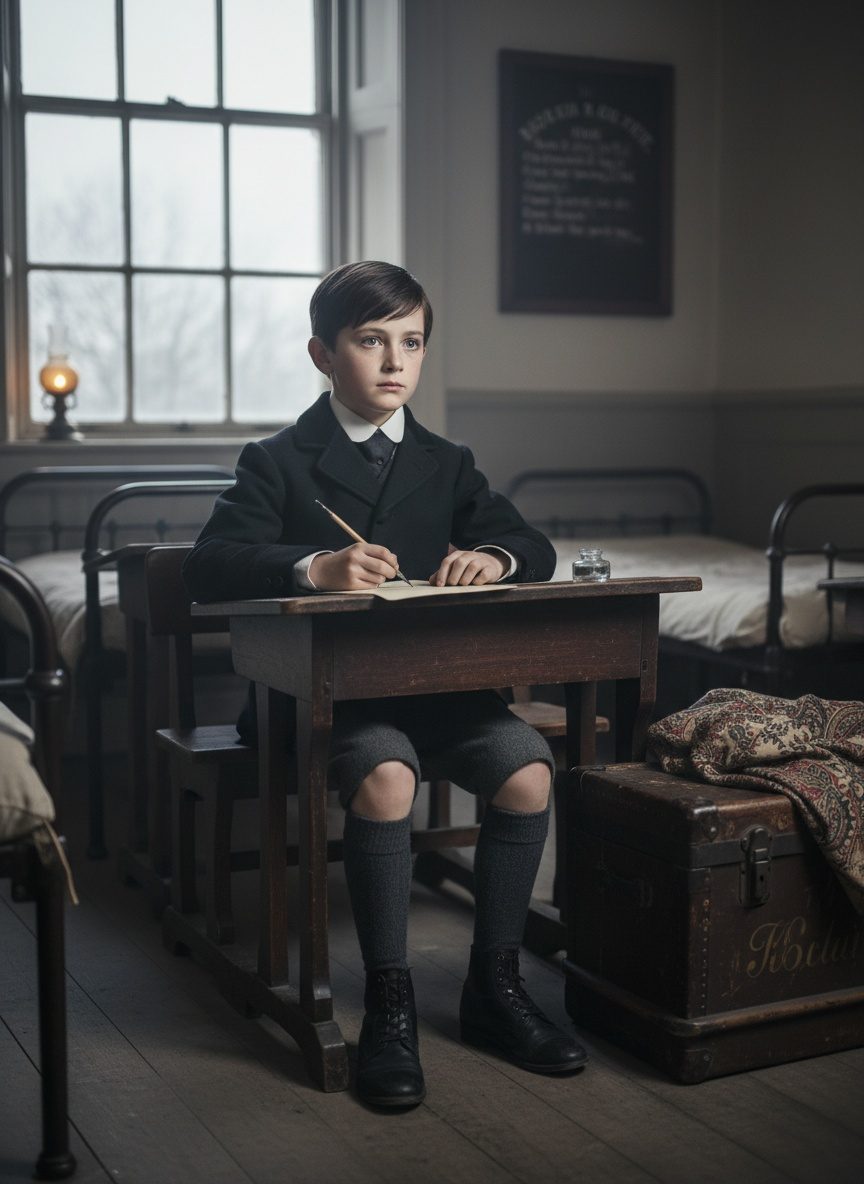
India, 1885. He was seven years old. His parents were three weeks away by sea. He sat at a cold English desk. He wrote. 'Dear Mama. I am well. Please come.' The letter took six weeks to arrive.
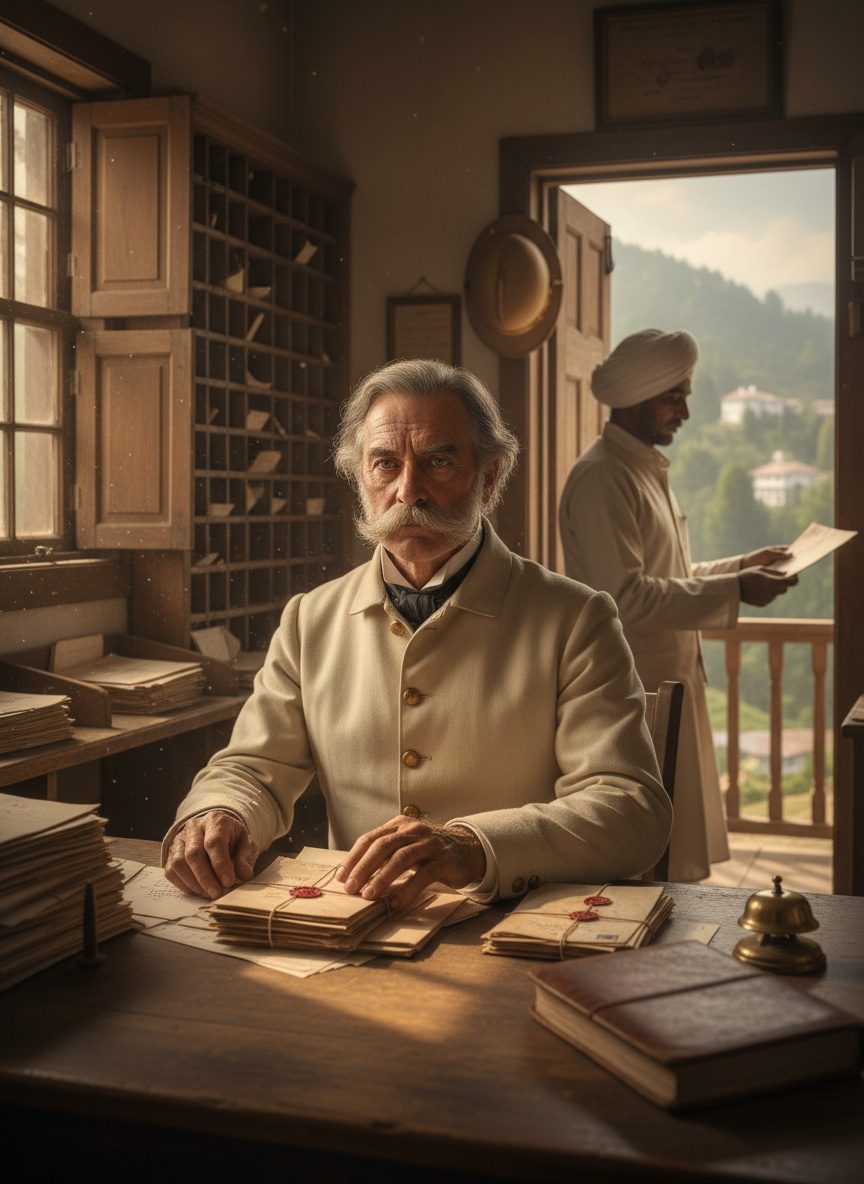
Simla, 1864. The Raj had moved its summer capital to the Himalayan hills. Every letter home crossed three thousand miles. One postmaster handled them all. He knew every family by name. He knew whose son had not written back.
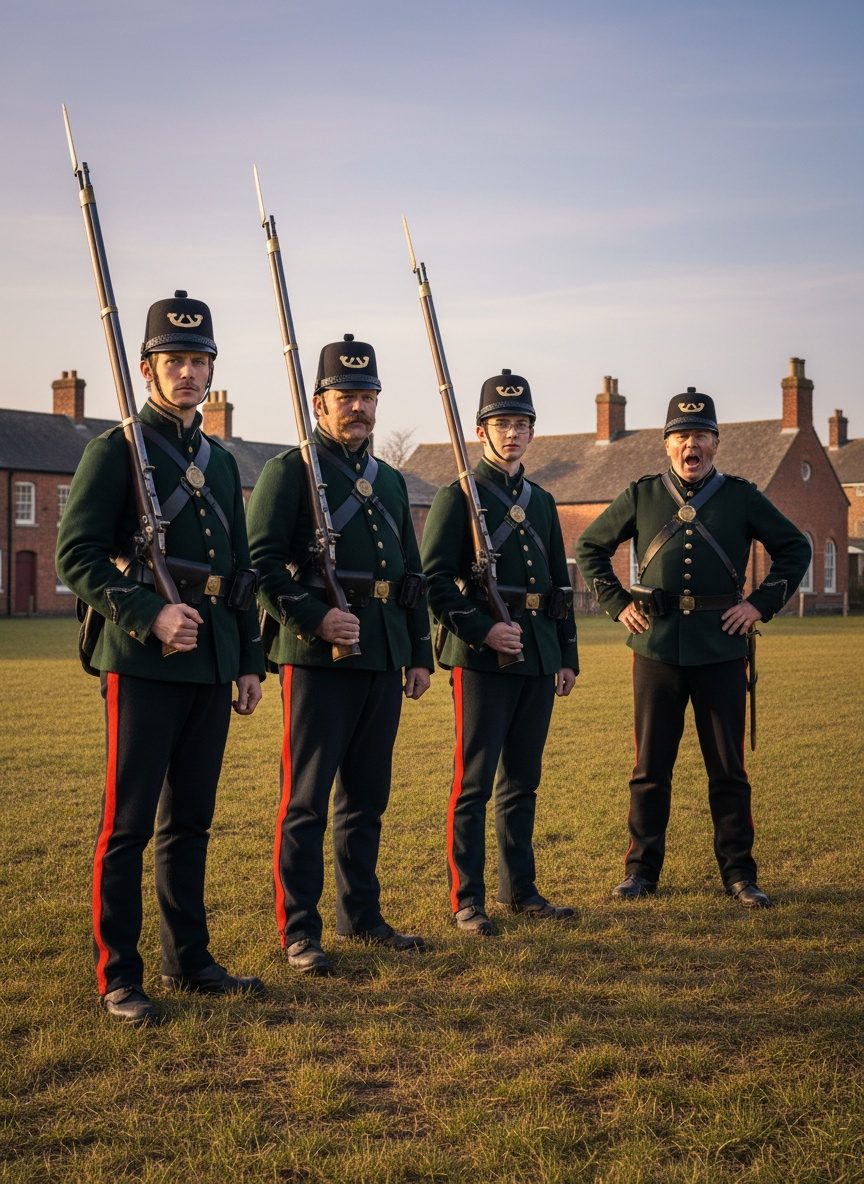
After invasion scares shook Britain, ordinary men picked up rifles. Clerks. Shopkeepers. Schoolmasters. They drilled at night and on weekends — and nobody gave them orders to stop.
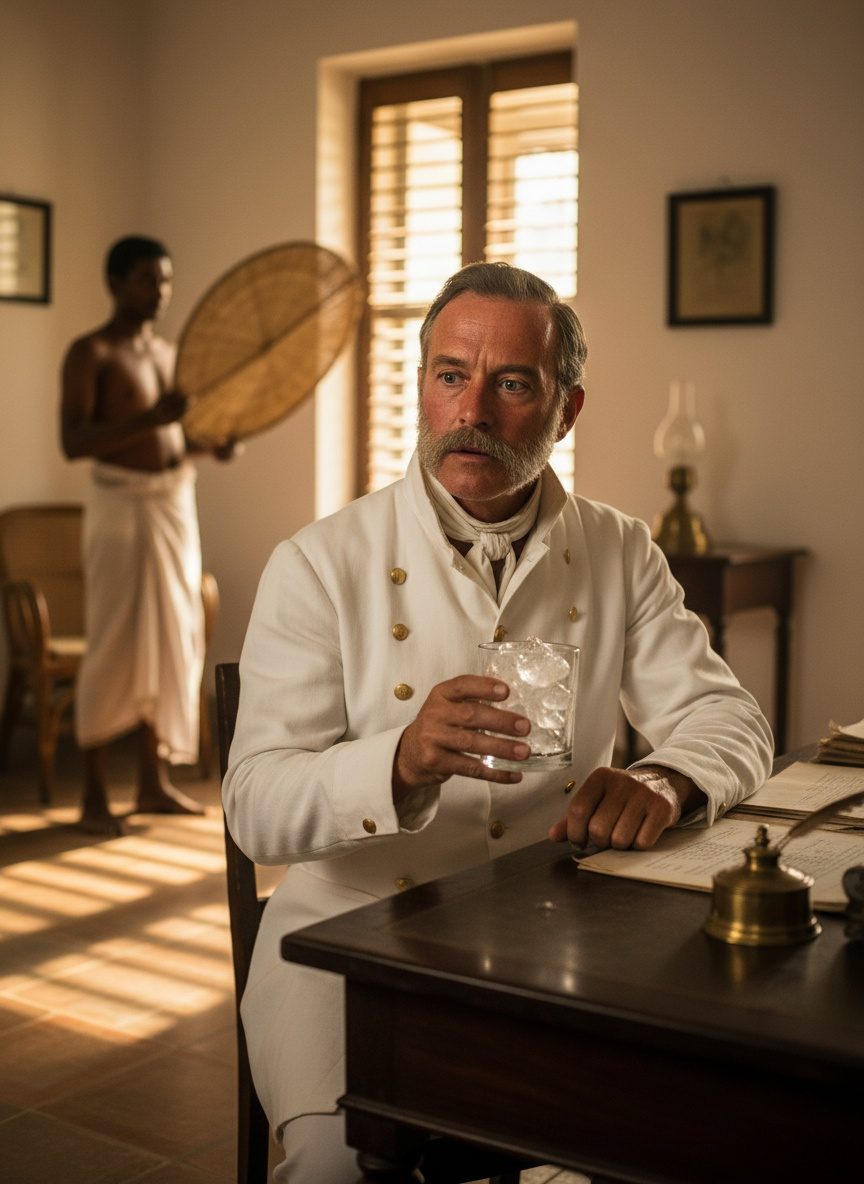
Delhi, 1833. British officials were dying from the heat. A merchant named Frederic Tudor shipped 180 tons of ice from Boston to Calcutta. It arrived intact. For the first time, a British officer in India tasted a chilled drink. Nothing was the same again.
India. Monsoon season. 1877. The rivers were rising. The roads were gone. But the mail had to move. He ran anyway. Barefoot. Through the flood. Twenty miles. The letter arrived.
1880. Bengal. A British-run postal dak carried letters to every corner of the province. The runners went out before dawn. In monsoon. In heat. In flood. No letter was ever left behind. They walked twenty miles. Every single day.
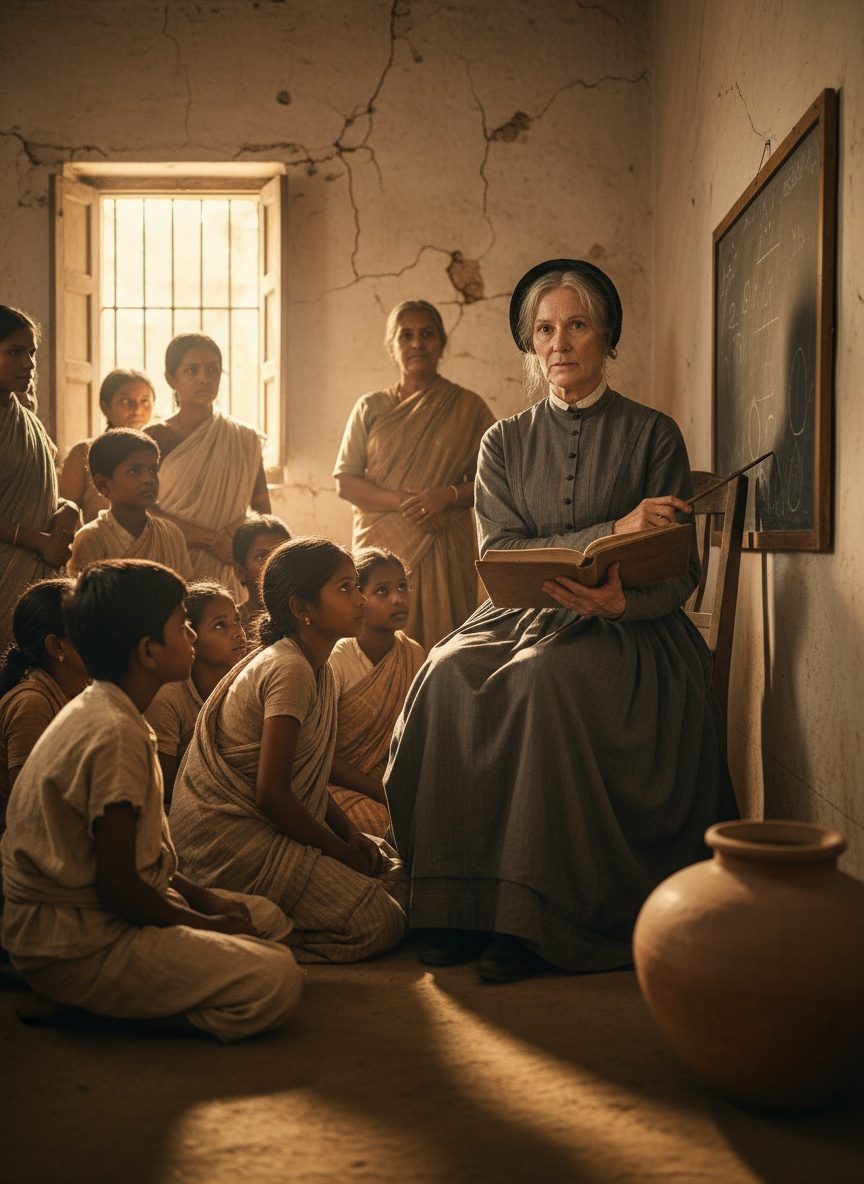
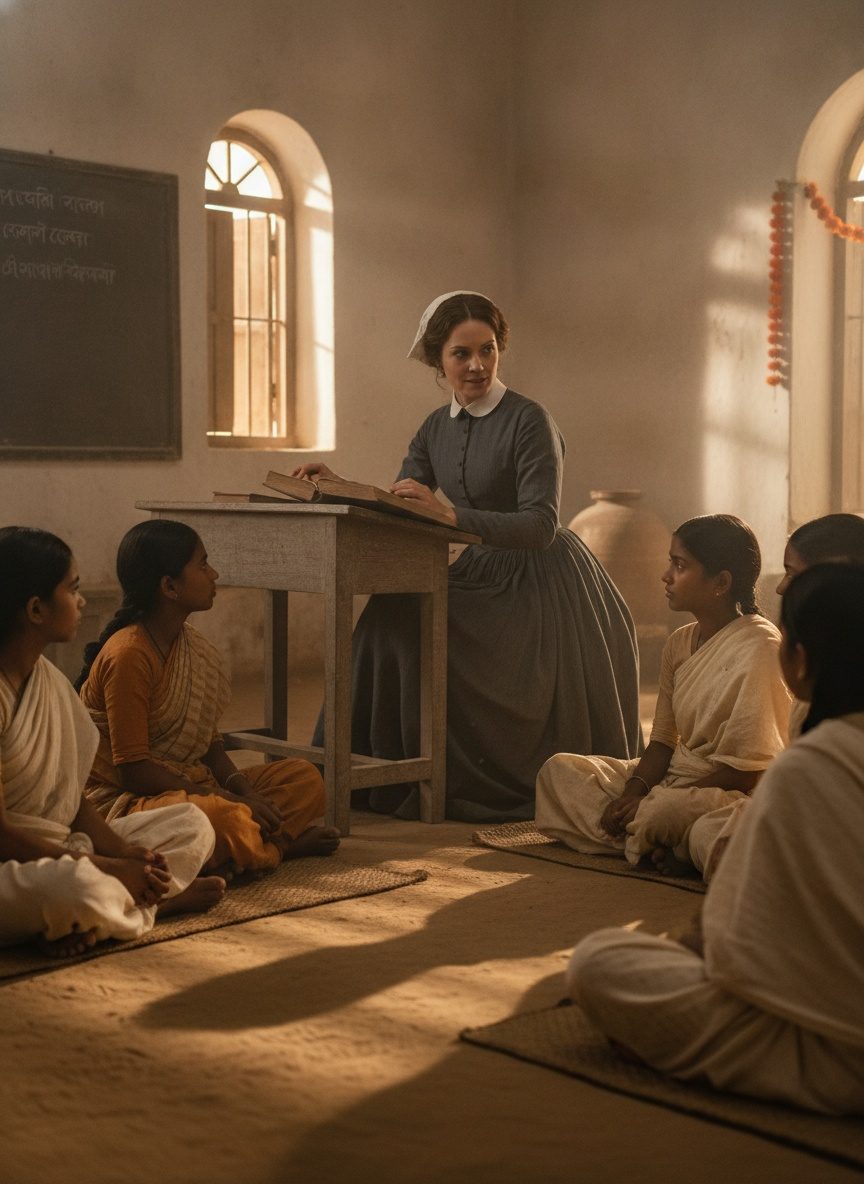
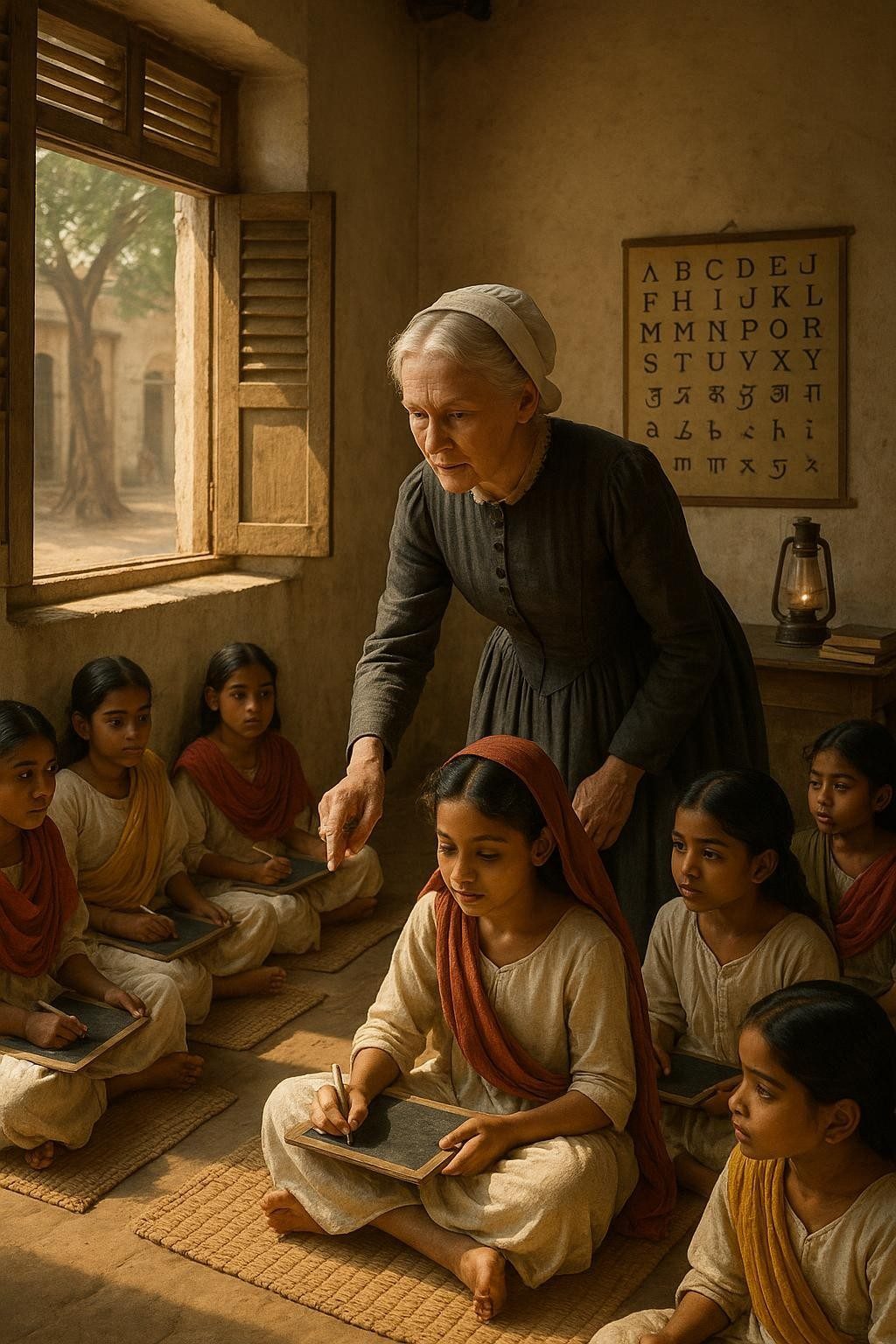
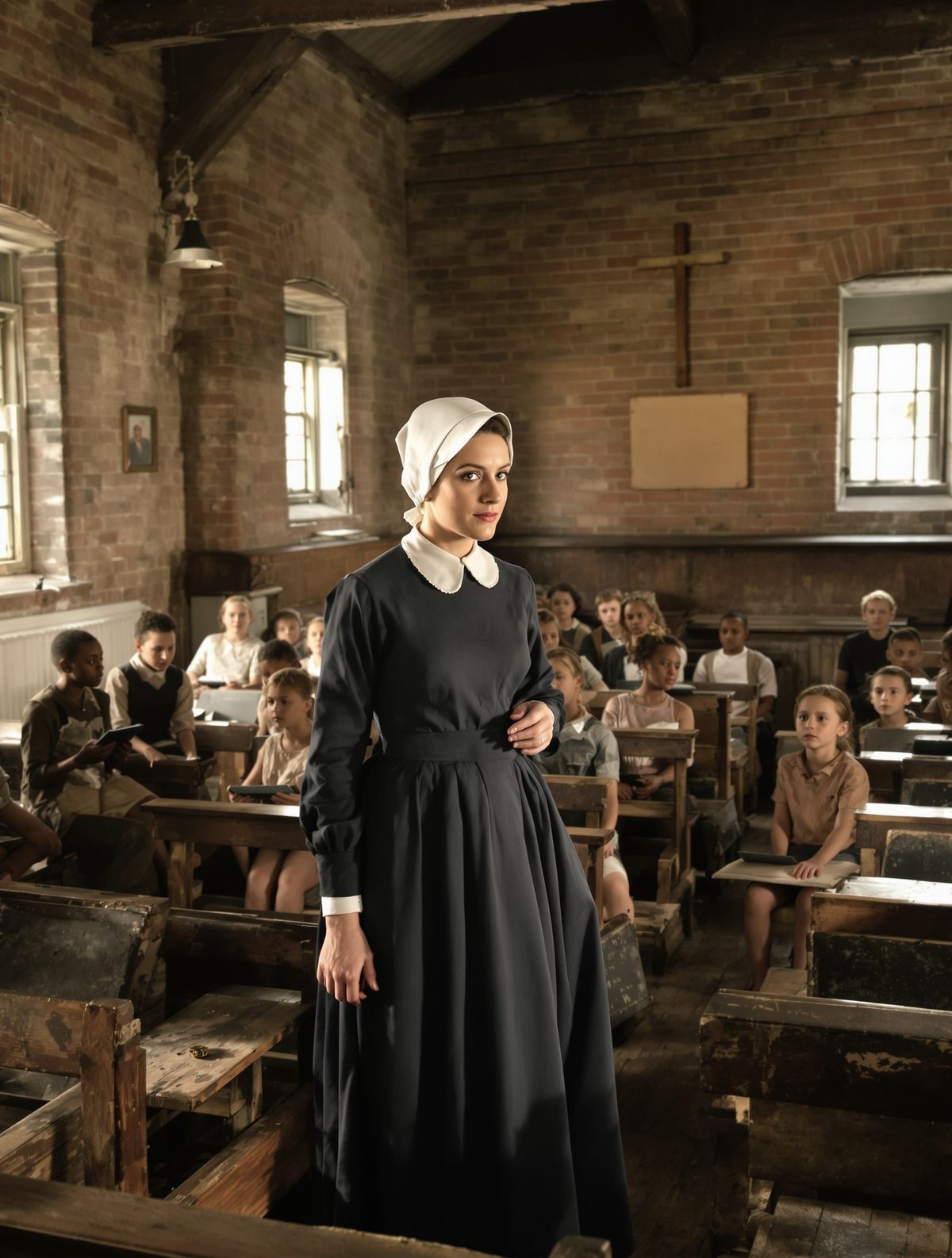
Calcutta, 1866. A Bristol reformer stepped off the boat. No government post. No salary. No permission. She opened a school in a slum. Taught children no one else would touch. India noticed. The Raj did not.
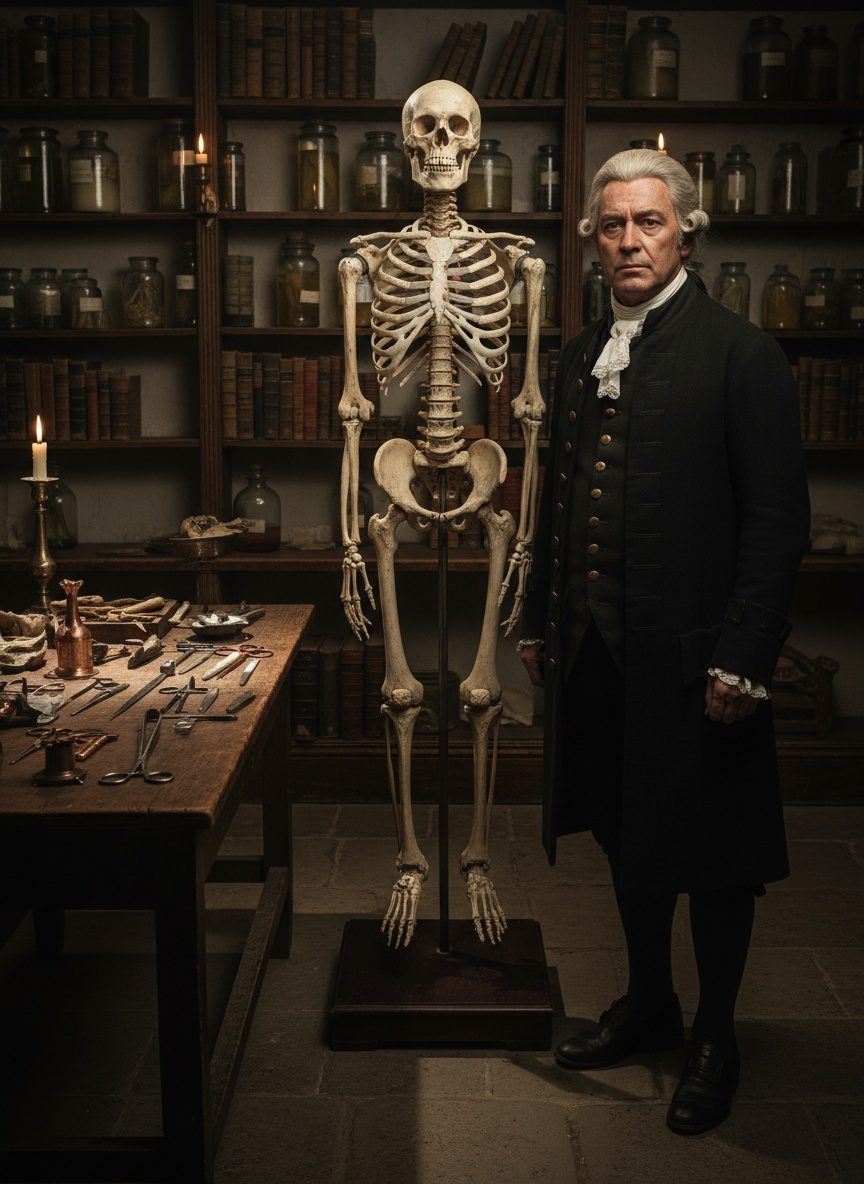
William Darby was a celebrated London strongman. He feared the body-snatchers. He paid for a lead coffin and a deep grave. His friends took the surgeon's money anyway. His skeleton toured Britain for decades.
Madras, 1877. The Great Famine was killing thousands. William Digby watched grain ships leave the port while bodies lined the road. He refused to stay silent. He wrote. He published. He named names. Britain finally looked.
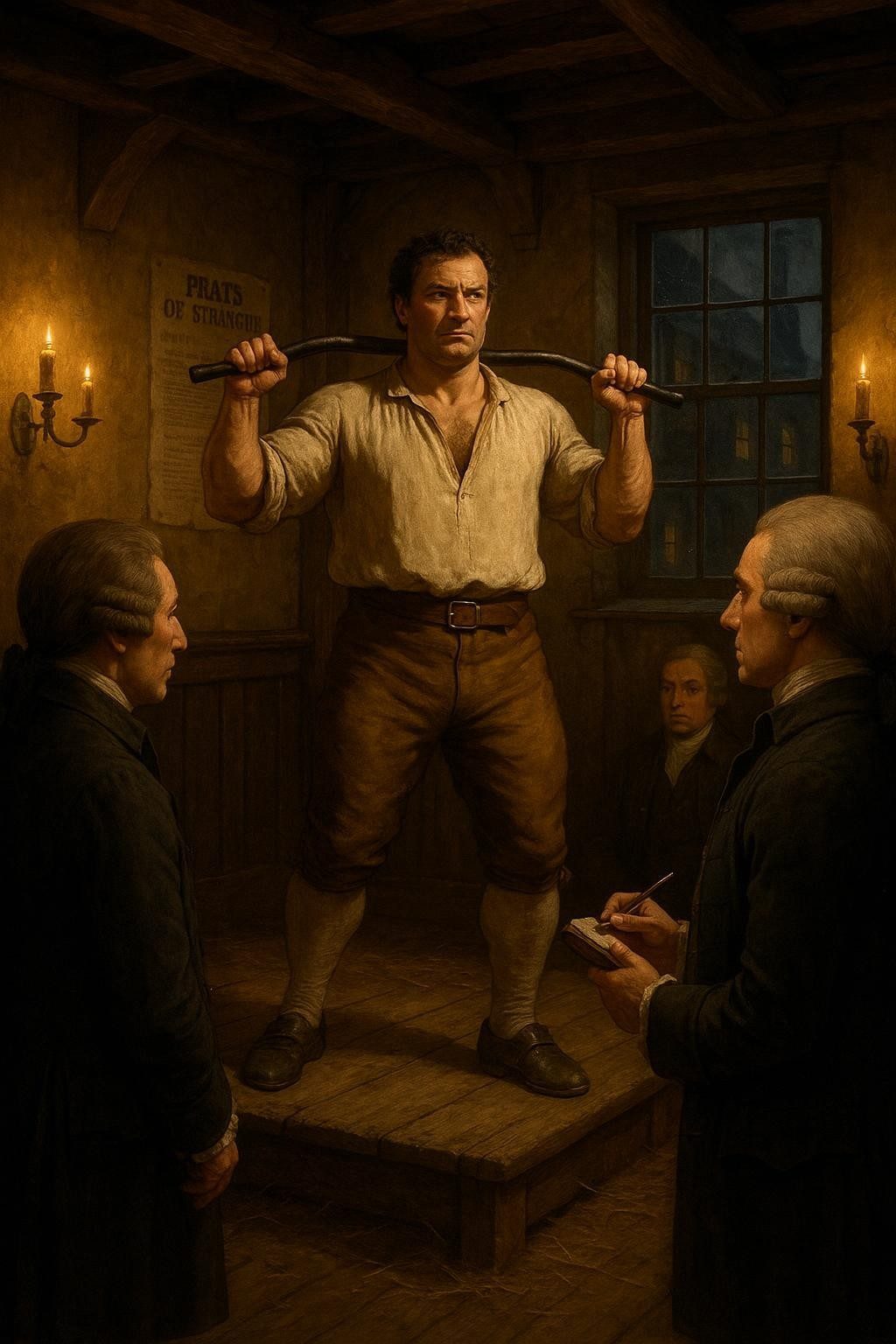
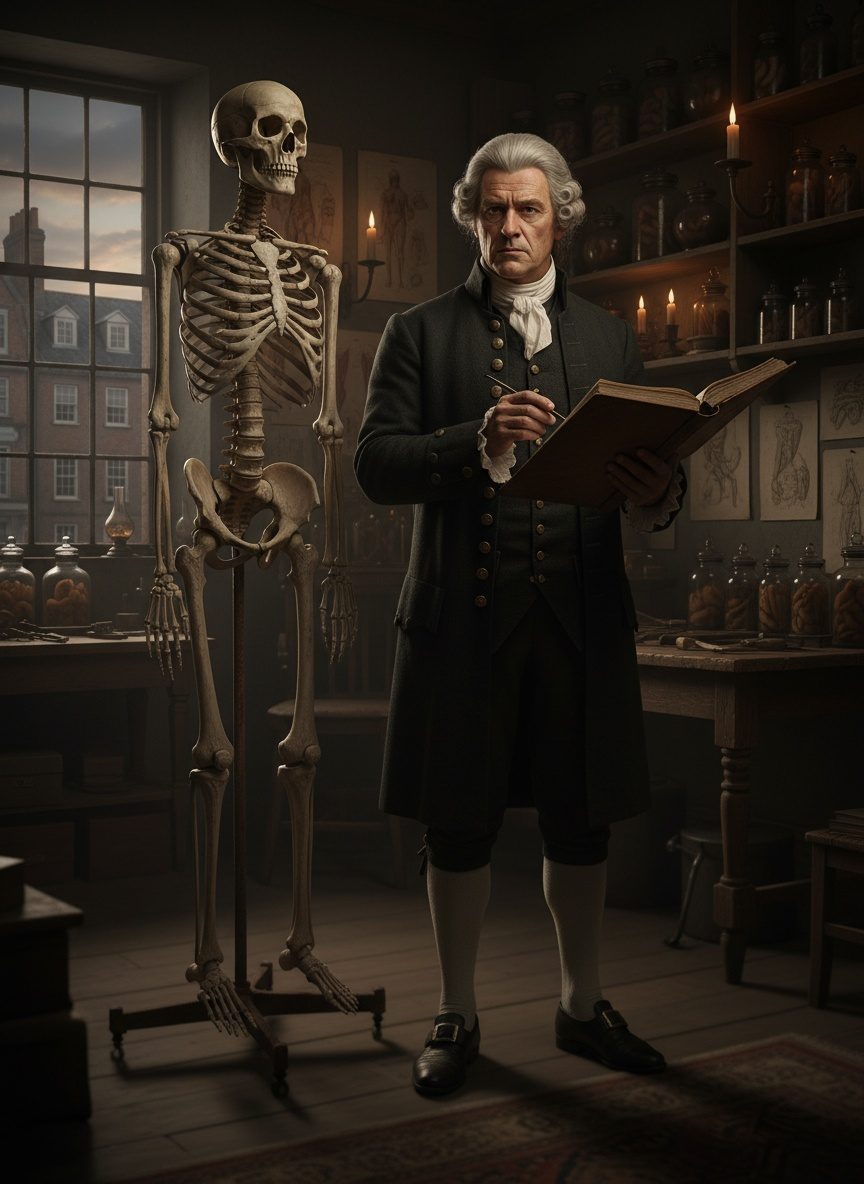
Charles Byrne was 7'7" and Irish. He feared surgeons. He paid for a sea burial. Surgeon John Hunter bribed his friends anyway. Byrne's bones stood in a London museum for over 200 years.
Charles Byrne was 7'7" and Irish-born. He begged to be buried at sea. Surgeon John Hunter bribed his undertaker instead. His skeleton hung in a London museum for over 200 years.
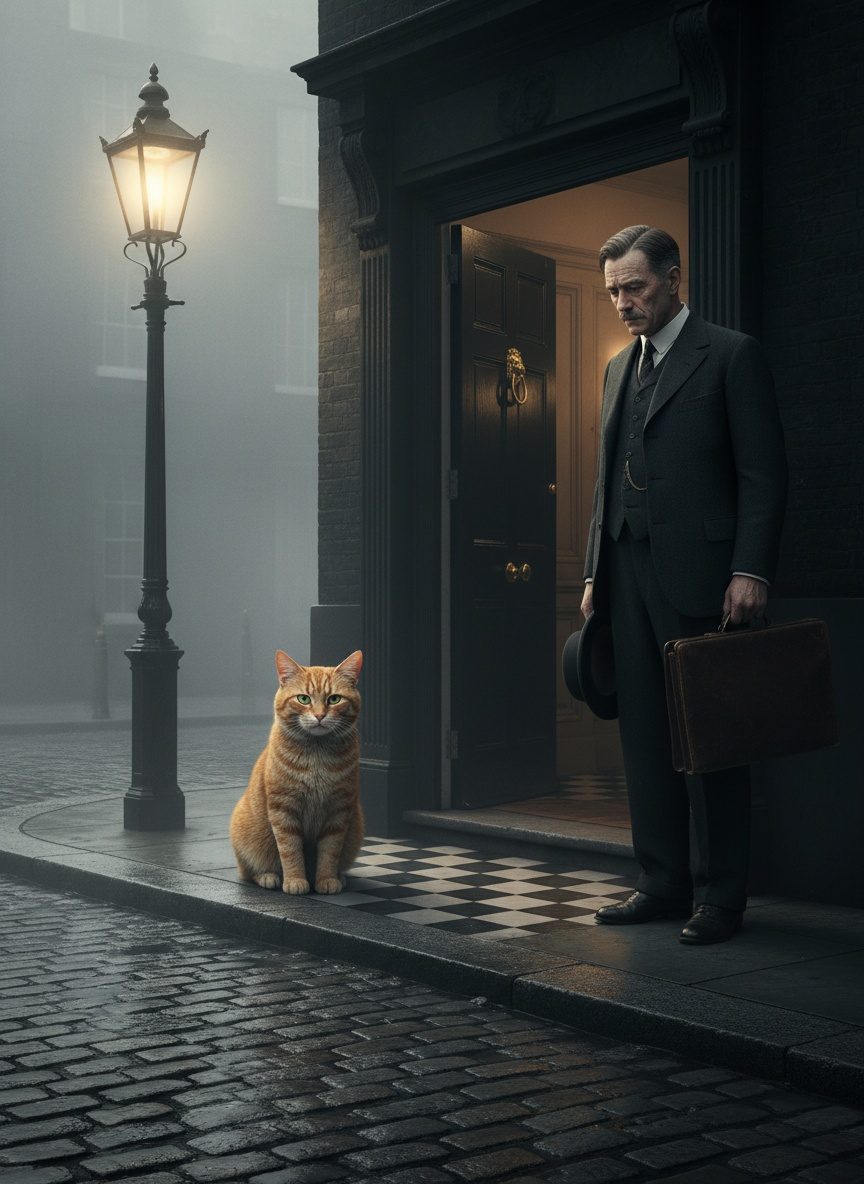
A stray tom called Treasury Bill arrived at Downing Street in 1929. He stayed through the Depression, a World War, and seven Prime Ministers. No election. No appointment. He simply never left.
Calcutta, 1835. A young British politician faced a committee. He argued every Indian child deserved a proper education. The committee voted against him. He appealed to the Governor-General. And changed a continent.
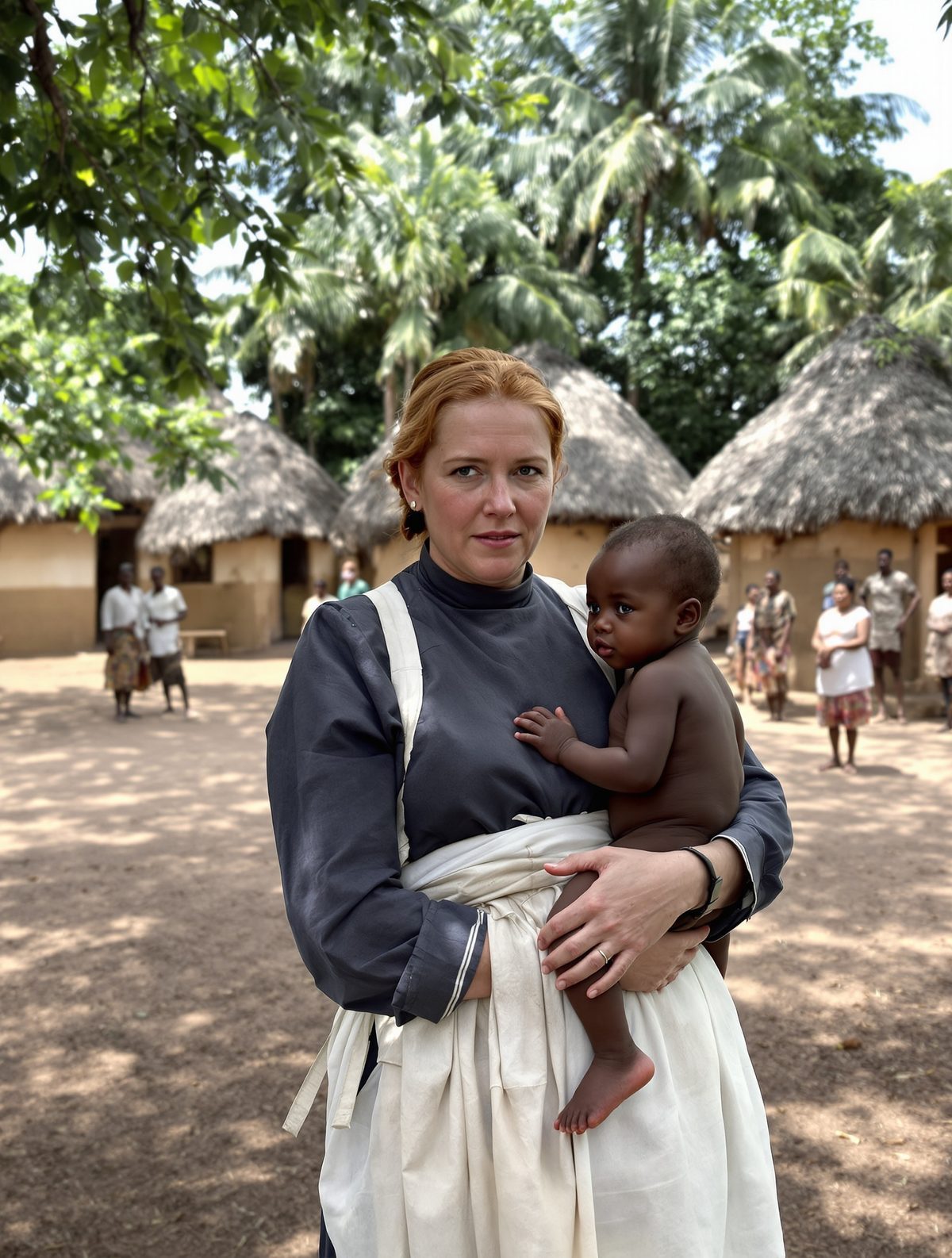
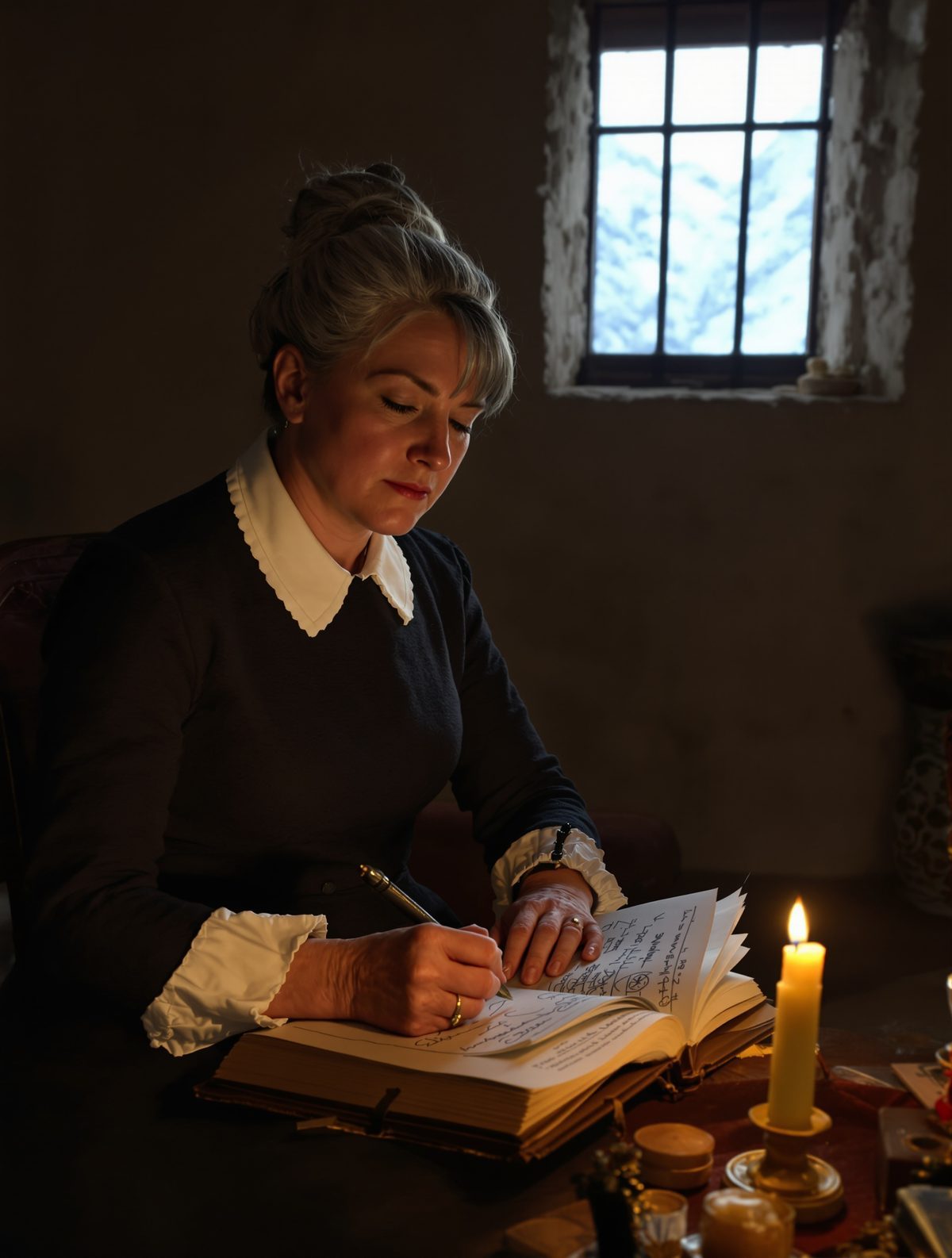
Crimea, 1855. The War Office had refused her. She paid her own passage anyway. Under fire at the front, she knelt beside dying men. She had no orders. No salary. Just her hands and her medicine chest.
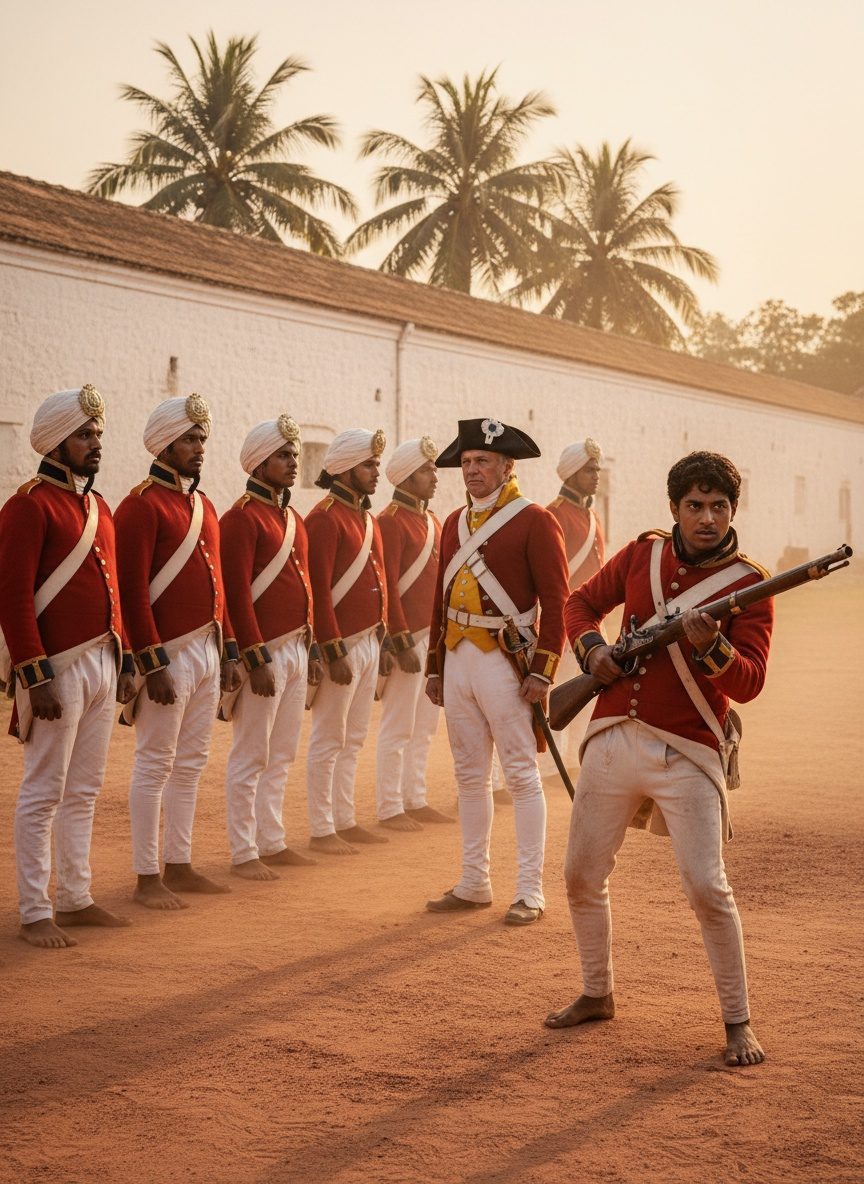
They were farmers, weavers, barbers and fishermen. Then a Company recruiter arrived. Within weeks, they were soldiers of the most powerful private army the world had ever seen.
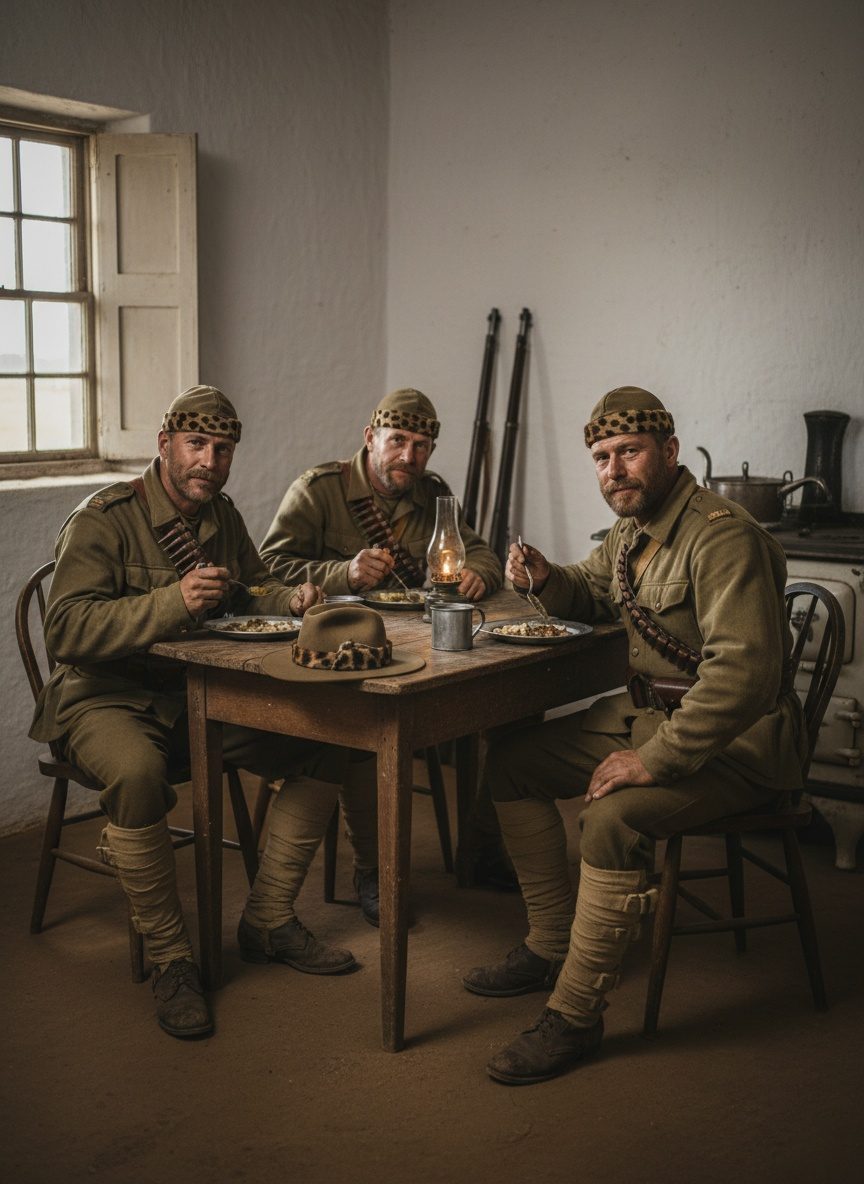
South Africa, 1900. Rimington's Guides — part scout, part shadow — pushed deep into Boer country. In deserted farmhouses, they ate, rested, and vanished. Their leopard-skin headbands became a legend.
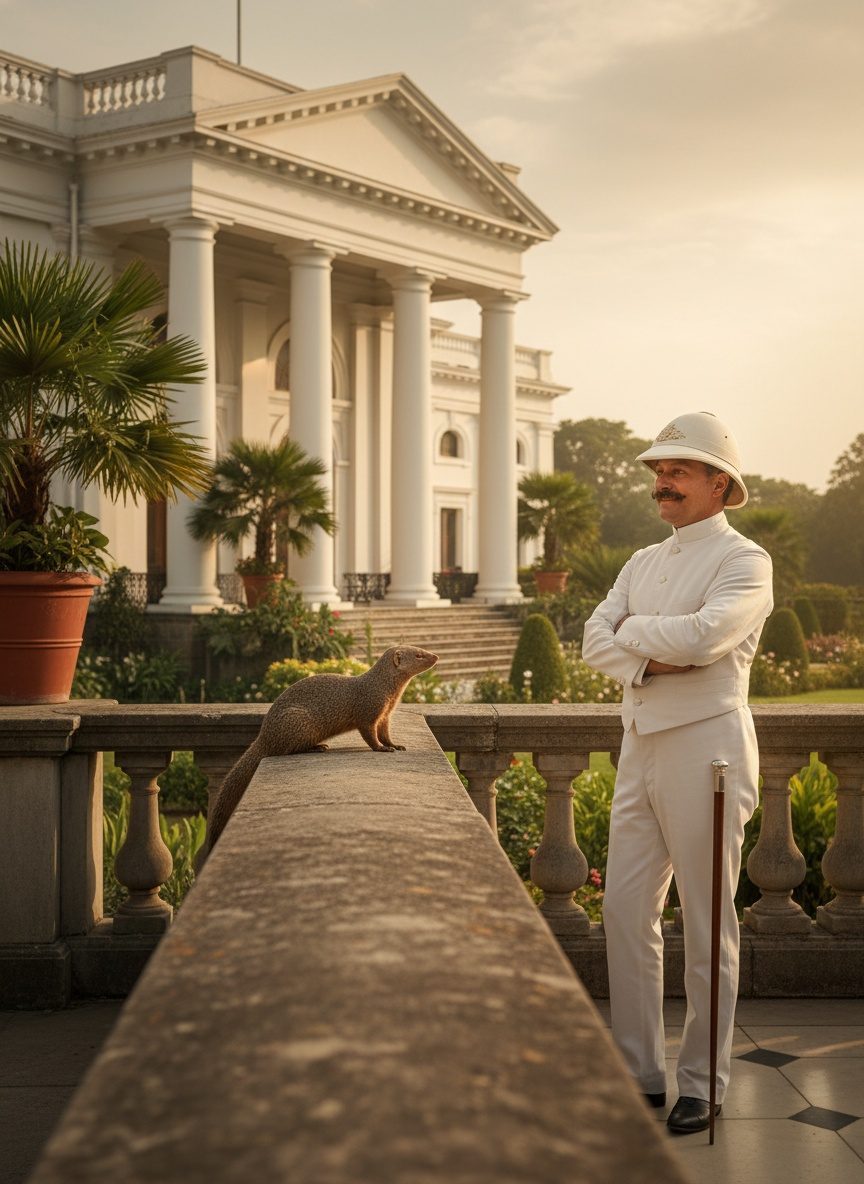
He had no rank, no salary, and no orders. Yet Kipling, Curzon, and half the Bengal Civil Service knew his name. Rikki-Tikki lived in Government House longer than most men governed it.
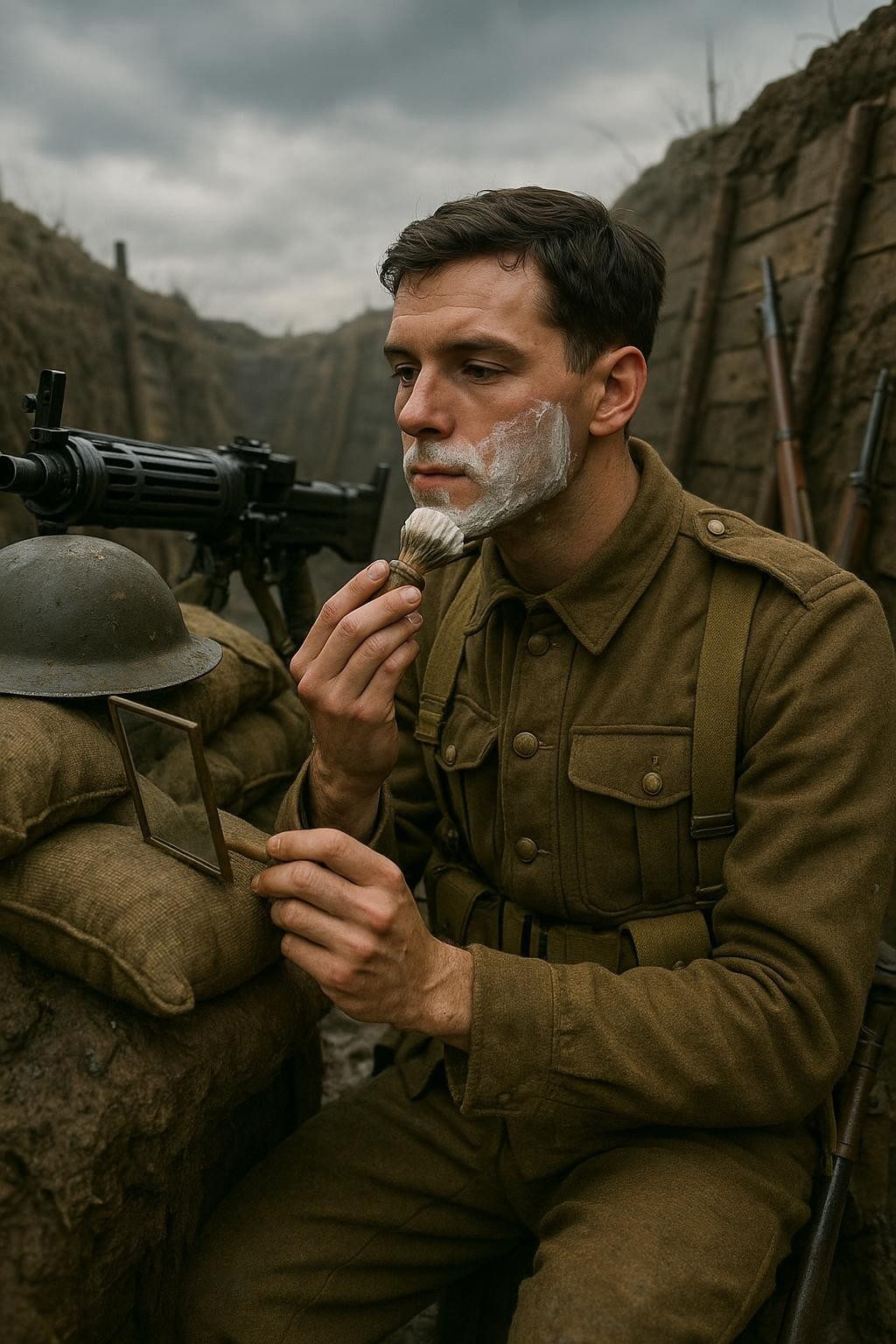
Western Front, 1918. Between the shells, a soldier lathers his face and shaves. Not a pause in the war. Just a man refusing to stop being human. Small acts. Enormous defiance.
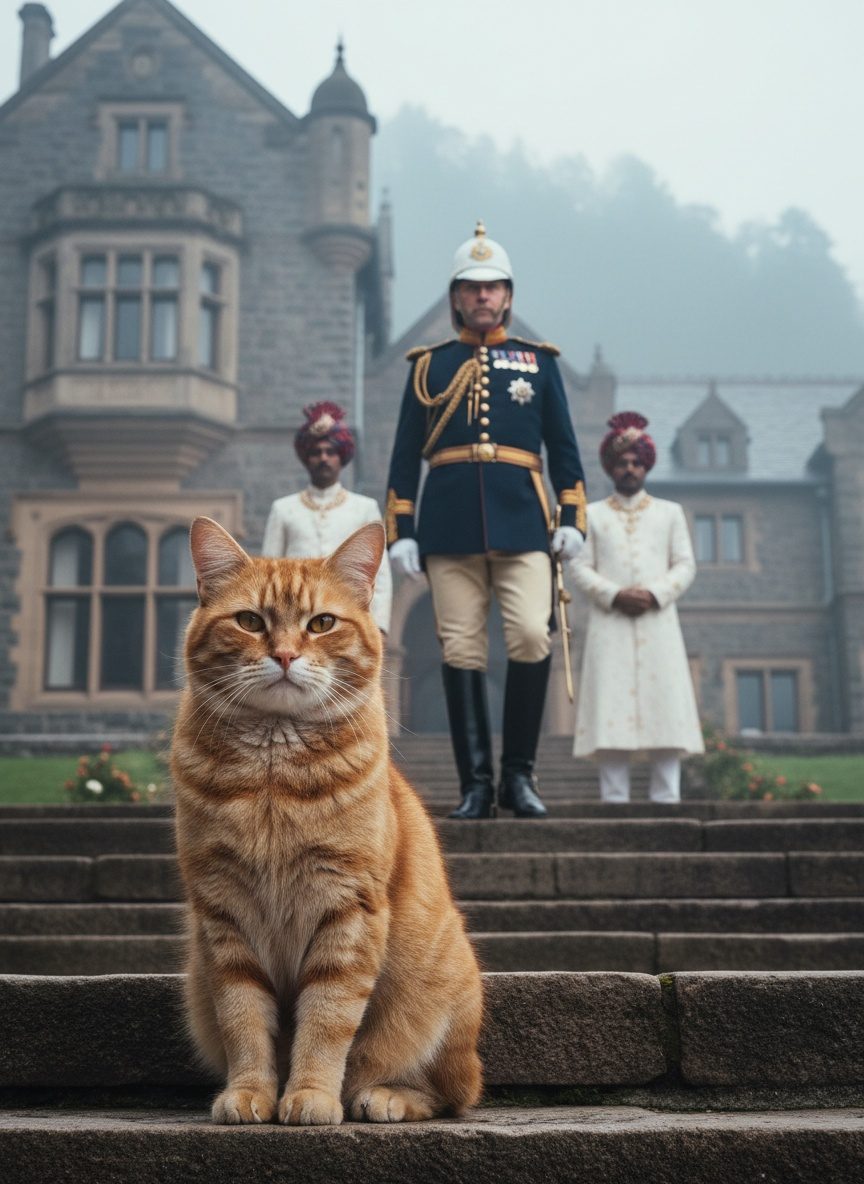
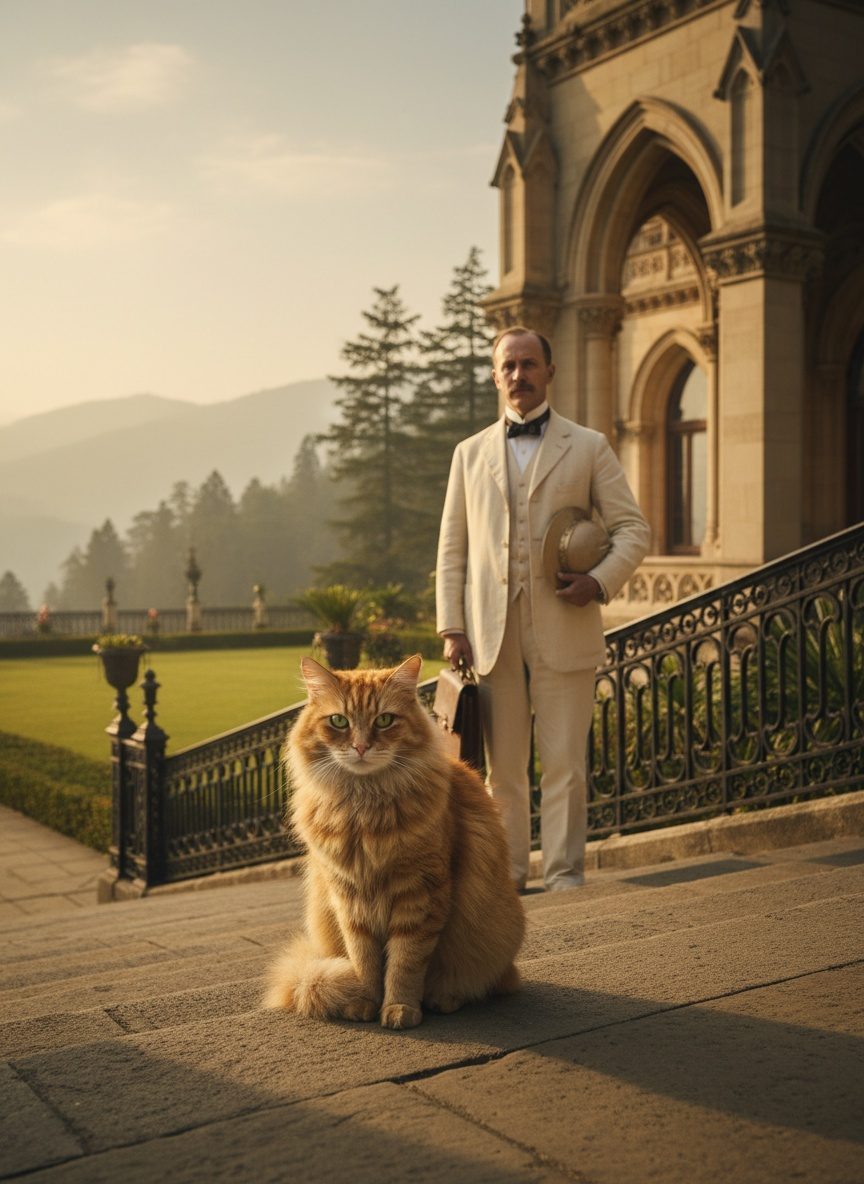
Seven Viceroys ruled India from Viceregal Lodge in Simla. Empires rose and fell. One resident never left. The lodge cat watched them all come and go — and stayed.
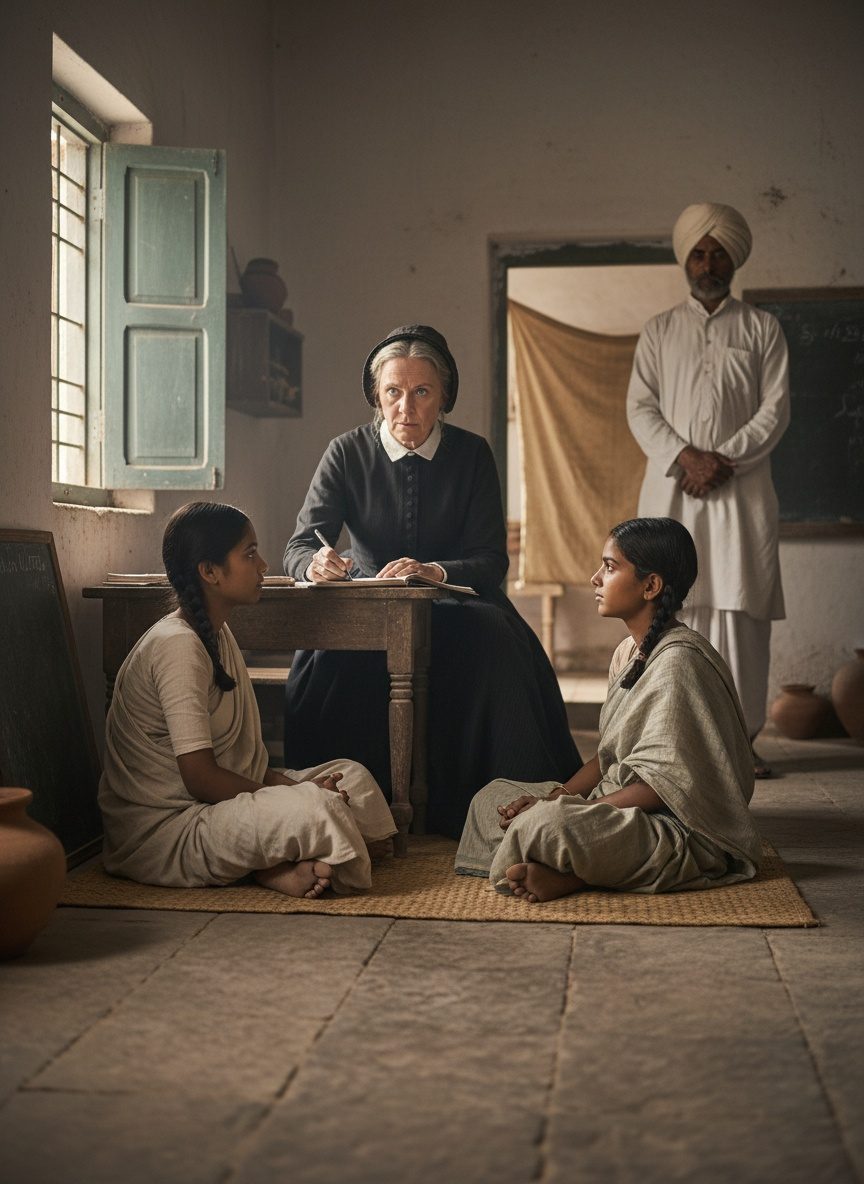
Bombay, 1866. Mary Carpenter stepped off the ship alone. No official welcome. No government backing. She walked into India's poorest schools. What she found there changed everything.
Calcutta, 1880s. Every British child born in India knew one face before any other. Not their mother's. Their ayah's. She fed them. Sang to them. Taught them their first words. In a foreign empire, she was home.
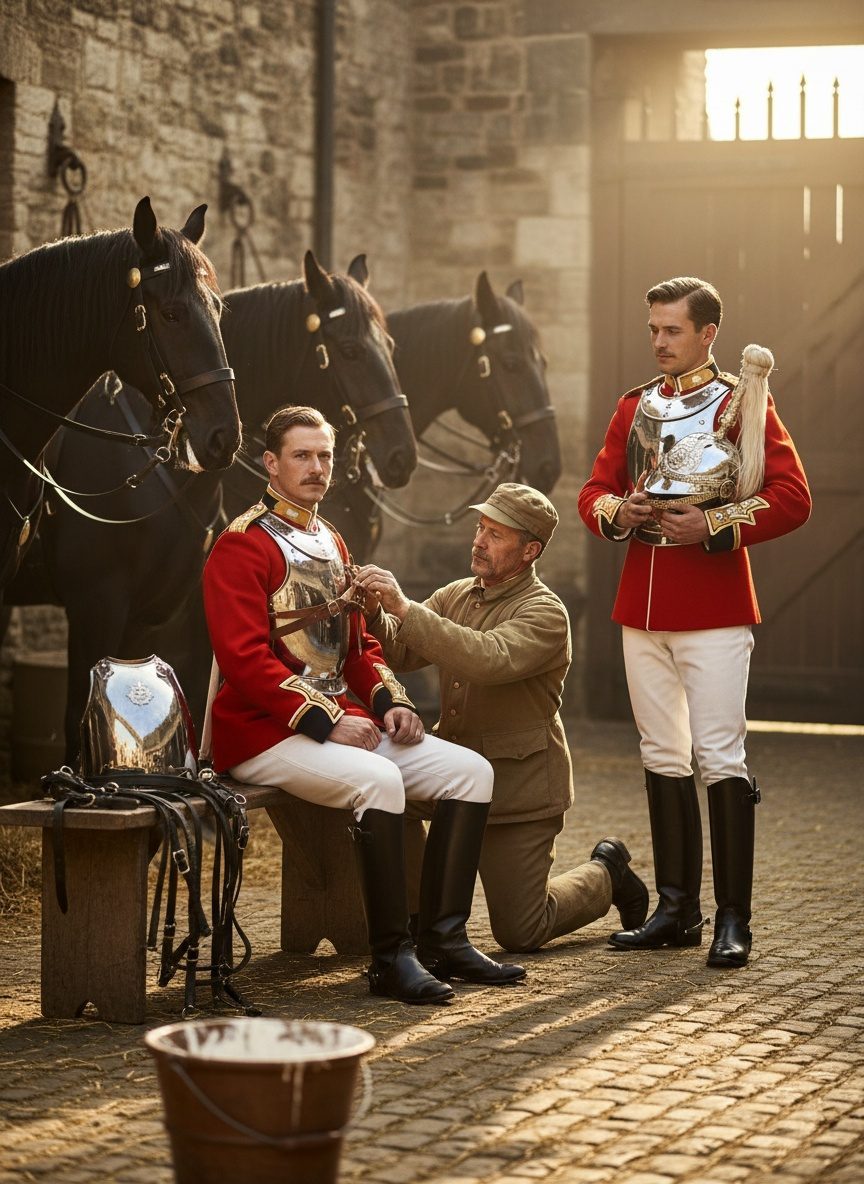
Behind the gleaming breastplates and plumed helmets, chaos reigned. The Life Guards' preparations for Victoria's Golden Jubilee review were a masterclass in controlled pandemonium. Every boot, every cuirass, every horse had to be perfect.
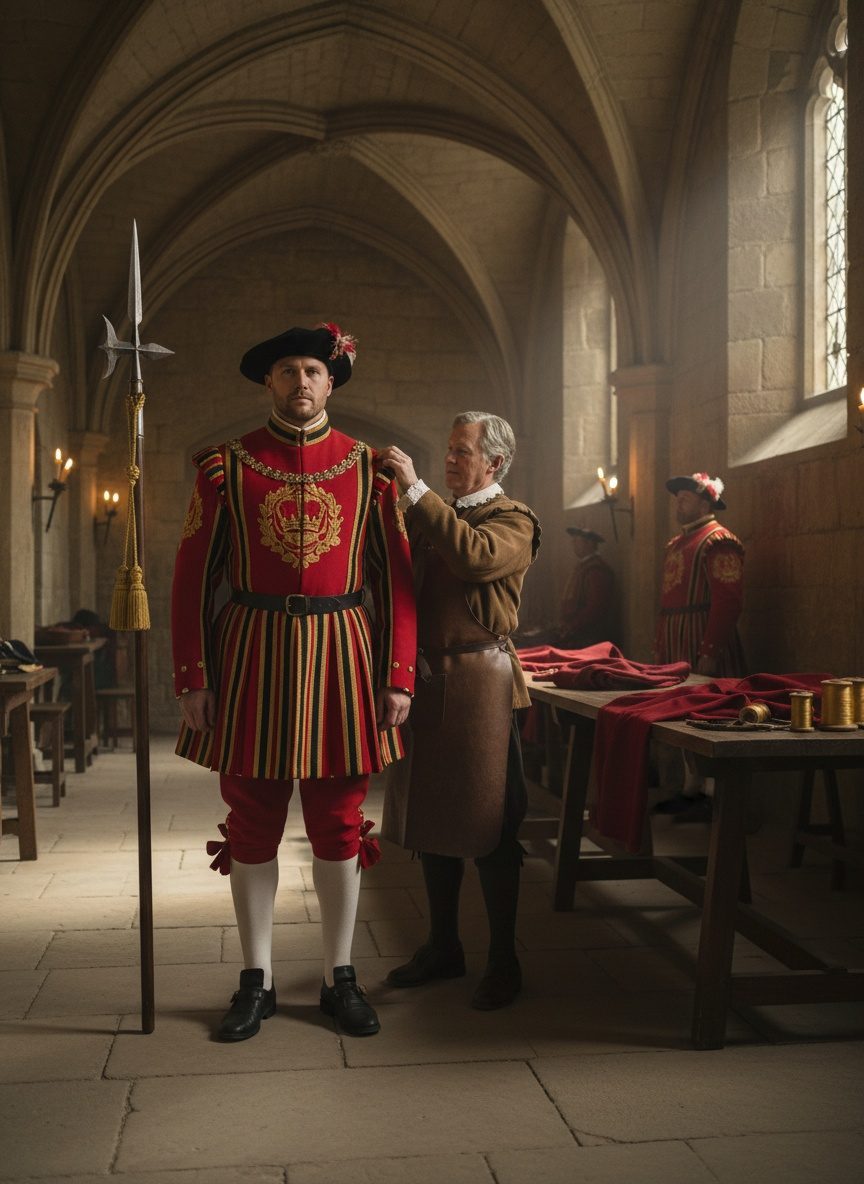
Five hundred years before Canadian reservists lined up for their bearskins, England's oldest royal bodyguard was being fitted for Tudor livery. The ritual was meticulous. The stakes were deadly serious.
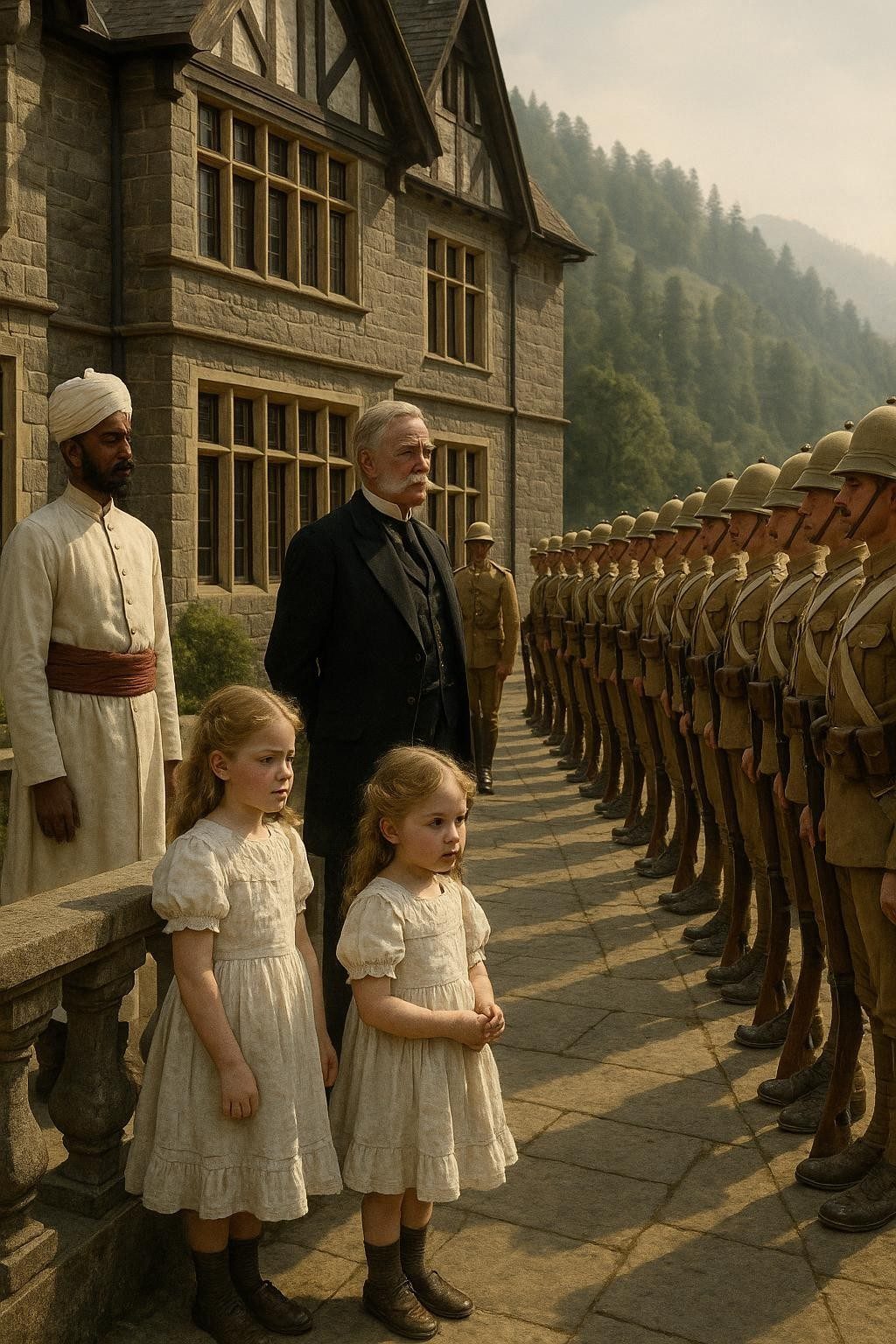
Every summer the Viceroy left Calcutta's heat for Simla's hills. There he inspected the garrison — red coats swapped for khaki, bayonets gleaming in mountain air. Then came the children's levee. The same hands that commanded an empire poured lemonade for schoolmasters' daughters.
India, 1885. A single letter had to reach a remote hill station. No telegraph line ran there. A dak wallah took it. Sixty miles of jungle. Three river crossings. He arrived at dawn. On foot.
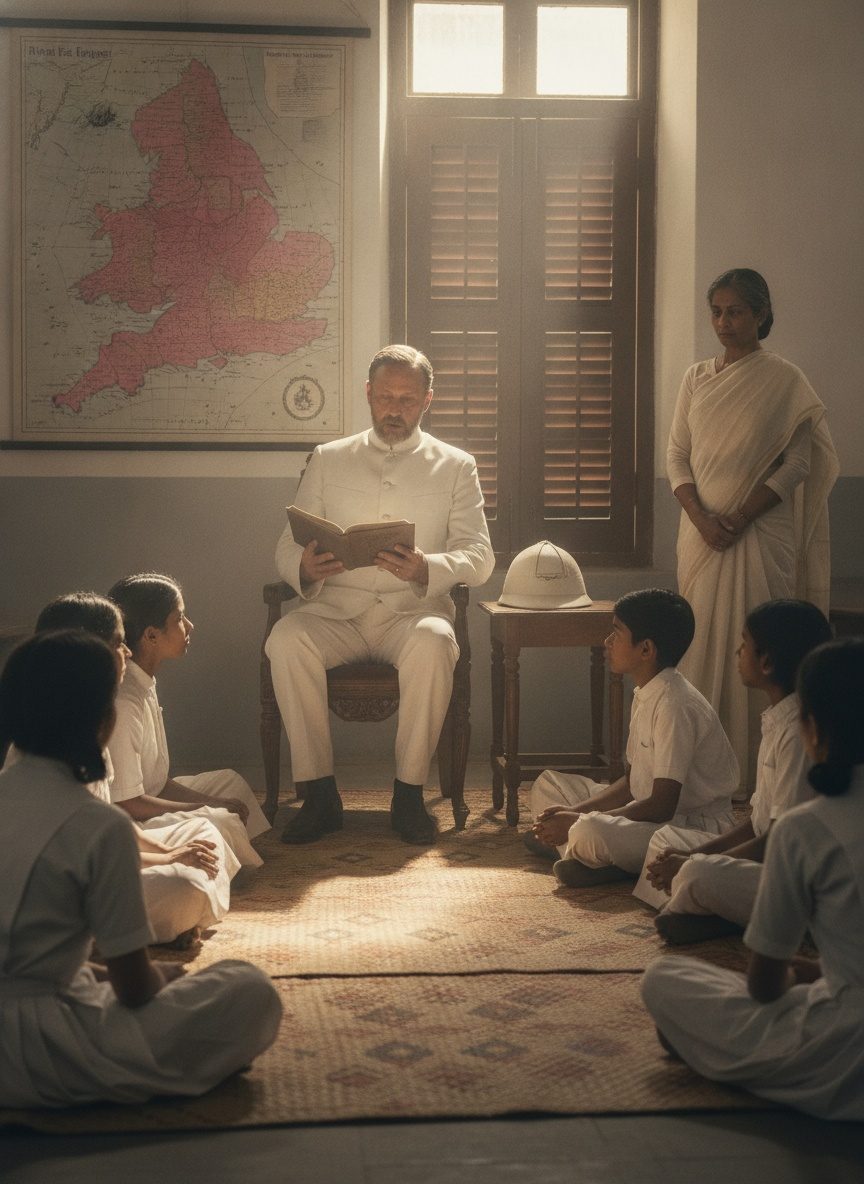
Lord Hardinge had just survived an assassination attempt. Weeks later, he stood in a Calcutta schoolroom reading aloud to Indian children. Power and pageantry — then a quiet room and a book.
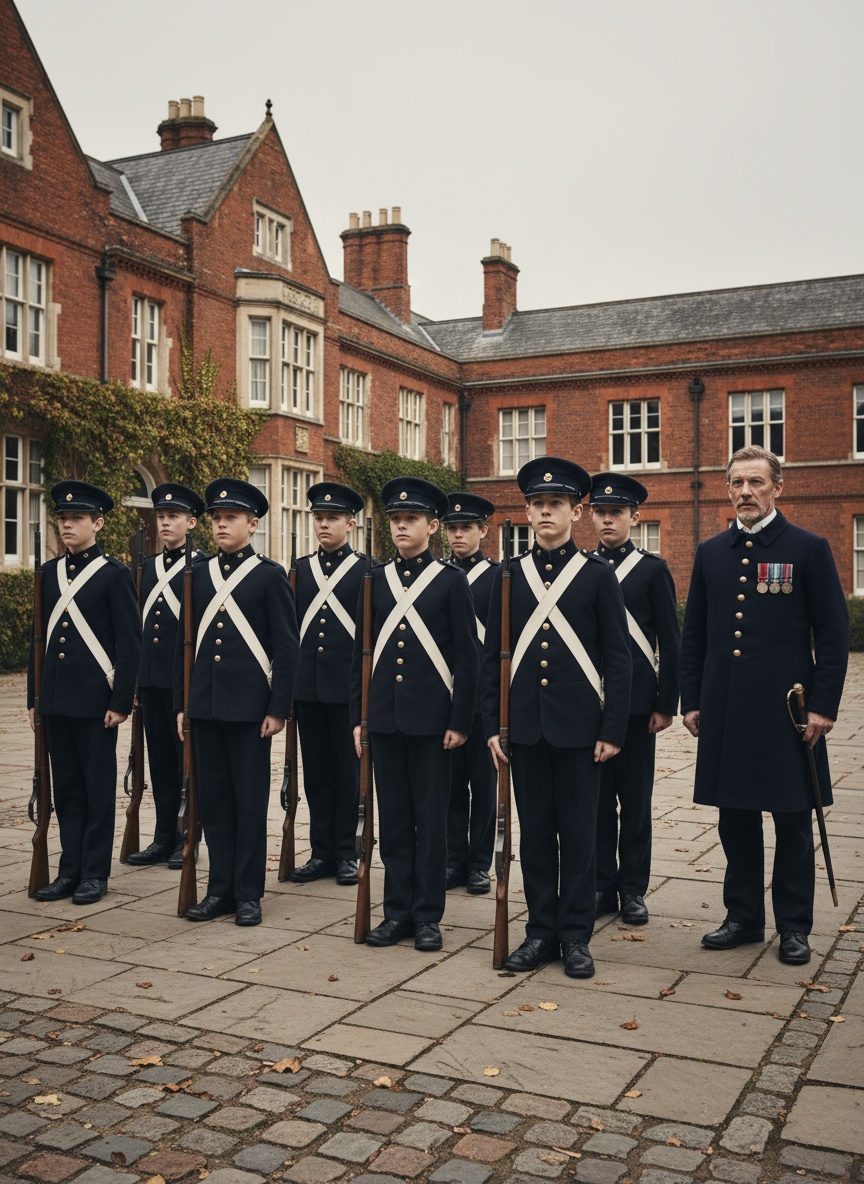
By 1860, Britain needed a pipeline of soldiers. The answer: boys. Thousands of them. Drilled in schoolyards, issued dummy rifles, taught to march before they could shave. The empire trained its next generation in plain sight.
Bombay, 1890. She had sailed six weeks alone. No family. No guarantee. Just a trunk, a letter of introduction, and hope. Thousands of young British women made this crossing. Most never came home.
Calcutta, 1883. A bill passed that let Indian judges try British subjects. The memsahibs exploded. They petitioned, marched, and screamed — and broke a Viceroy's nerve in a single season.
Six Viceroys ruled India. Wars were fought. Empires cracked. But the cats of the Viceregal Lodge in Simla just kept purring. While men came and went, the Lodge cats outlasted them all.
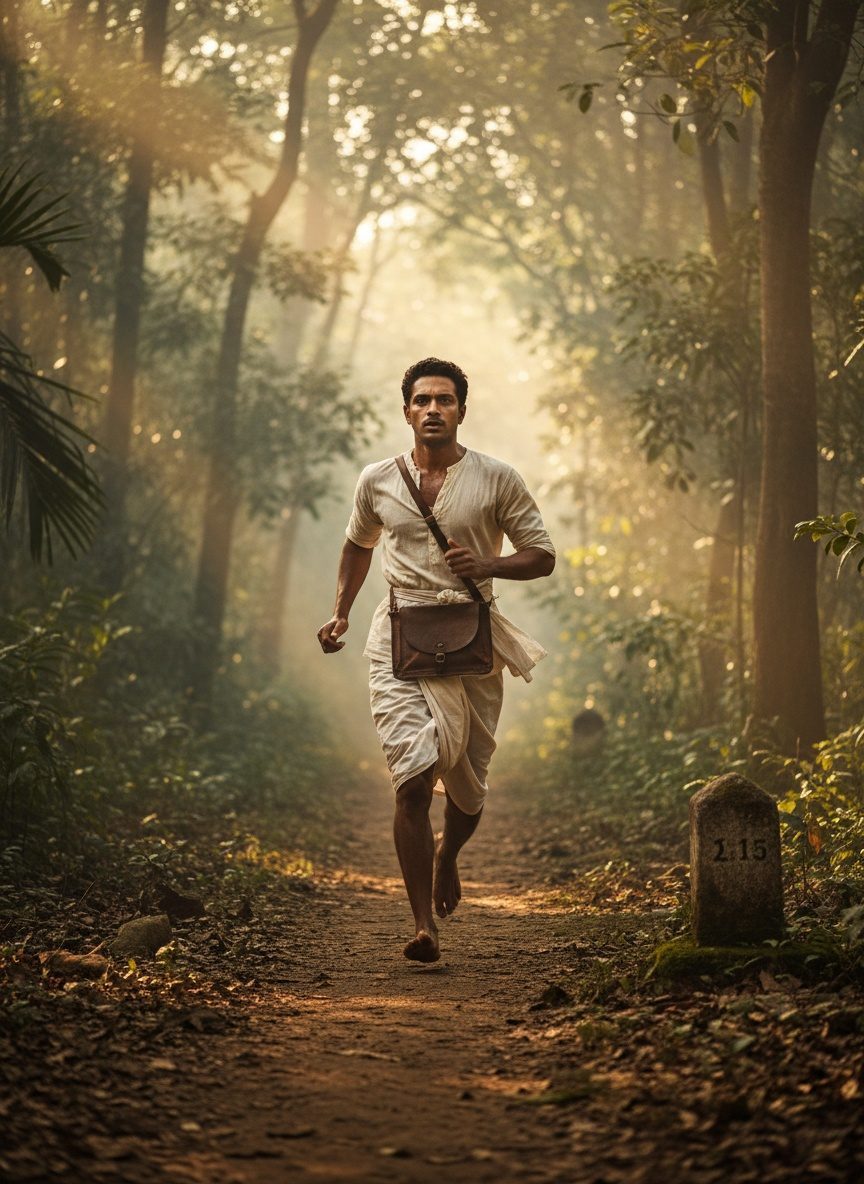
India, 1880s. The imperial mail had to move. No roads. No telegraph. Just one man. A leather satchel. Miles of jungle. He ran anyway.
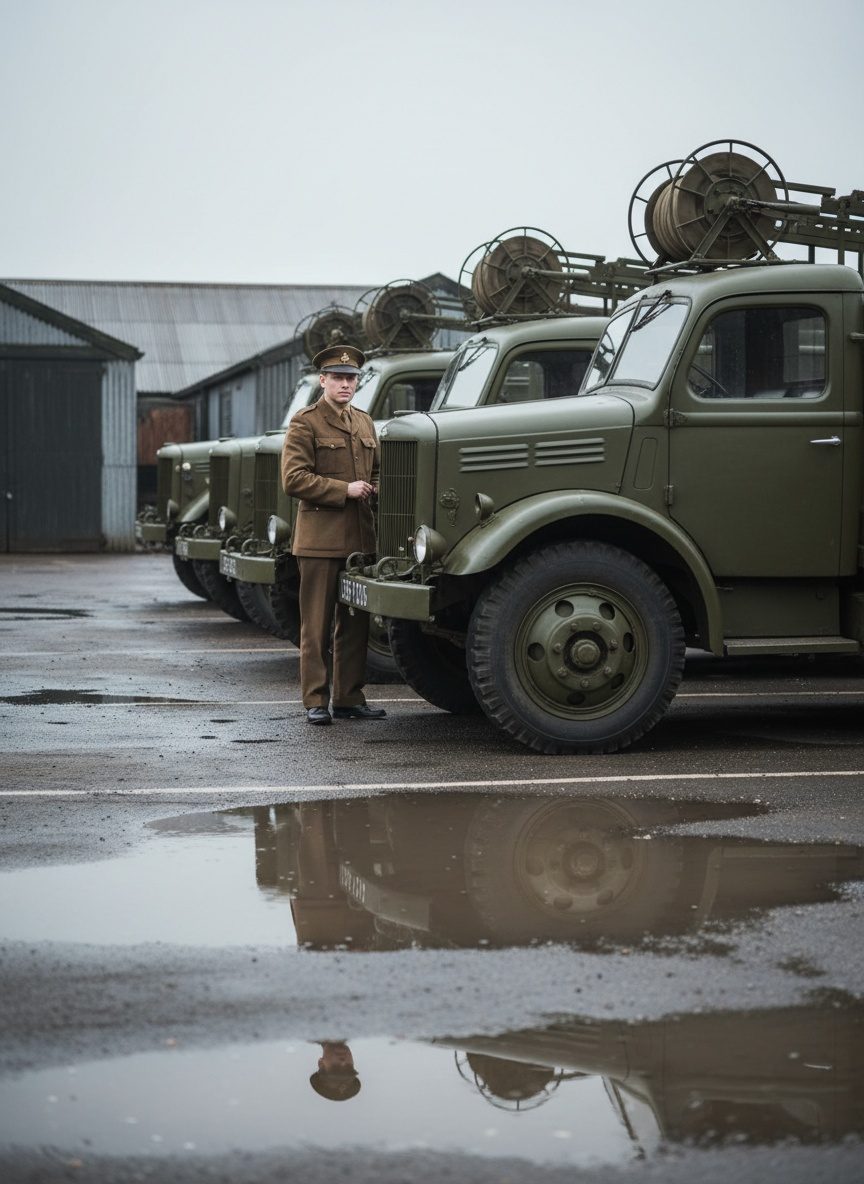
Britain built 900 fire engines in 1953. Military trucks. Green paint. Kept in mothballs for 50 years. Soldiers drove them when firefighters walked out. Make do and mend — imperial style.
Bombay, 1887. The memsahib was ill. The children were frightened. Mary the ayah had raised three British families. She held the youngest child close. Sang softly. She had always been there.
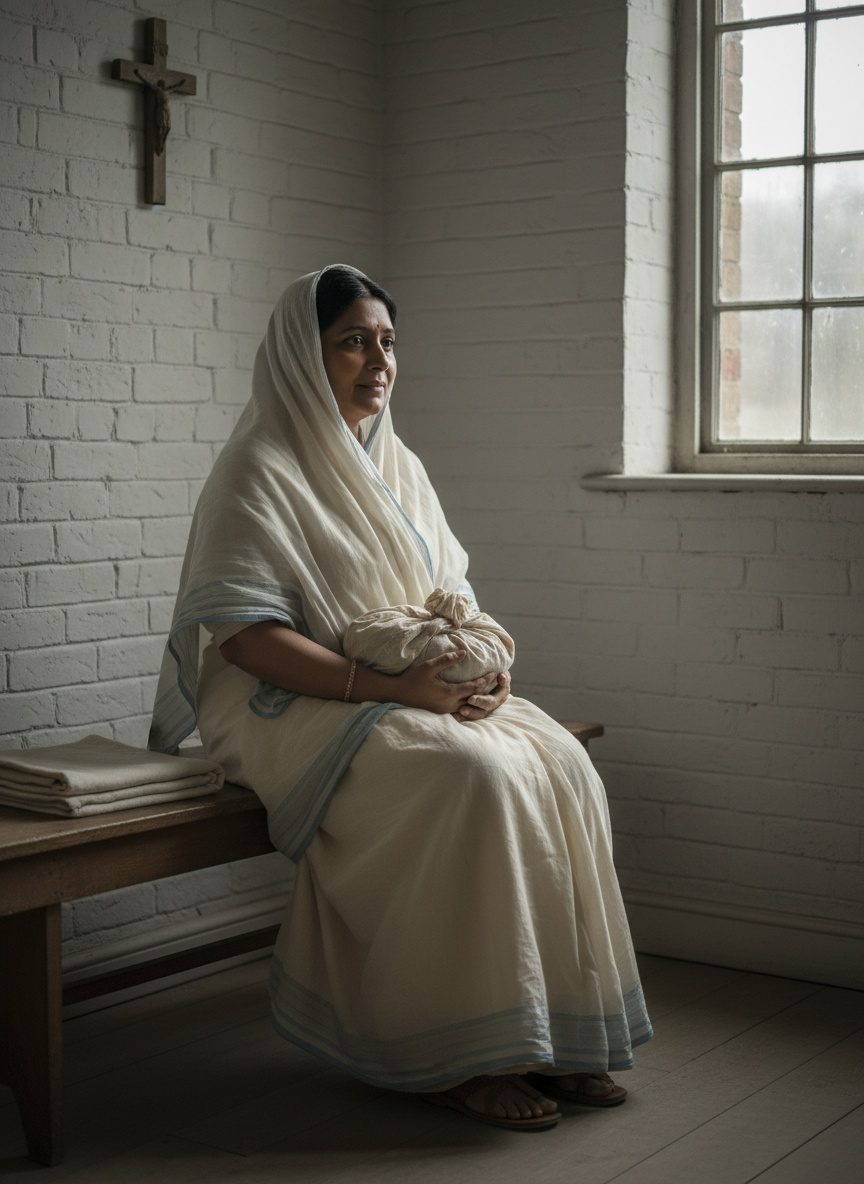
London, 1888. A small Indian woman stood alone on the docks. She had sailed from Calcutta. Crossed an ocean. She carried one child. She would return alone. The ayahs waited months. Forgotten. Faithful.
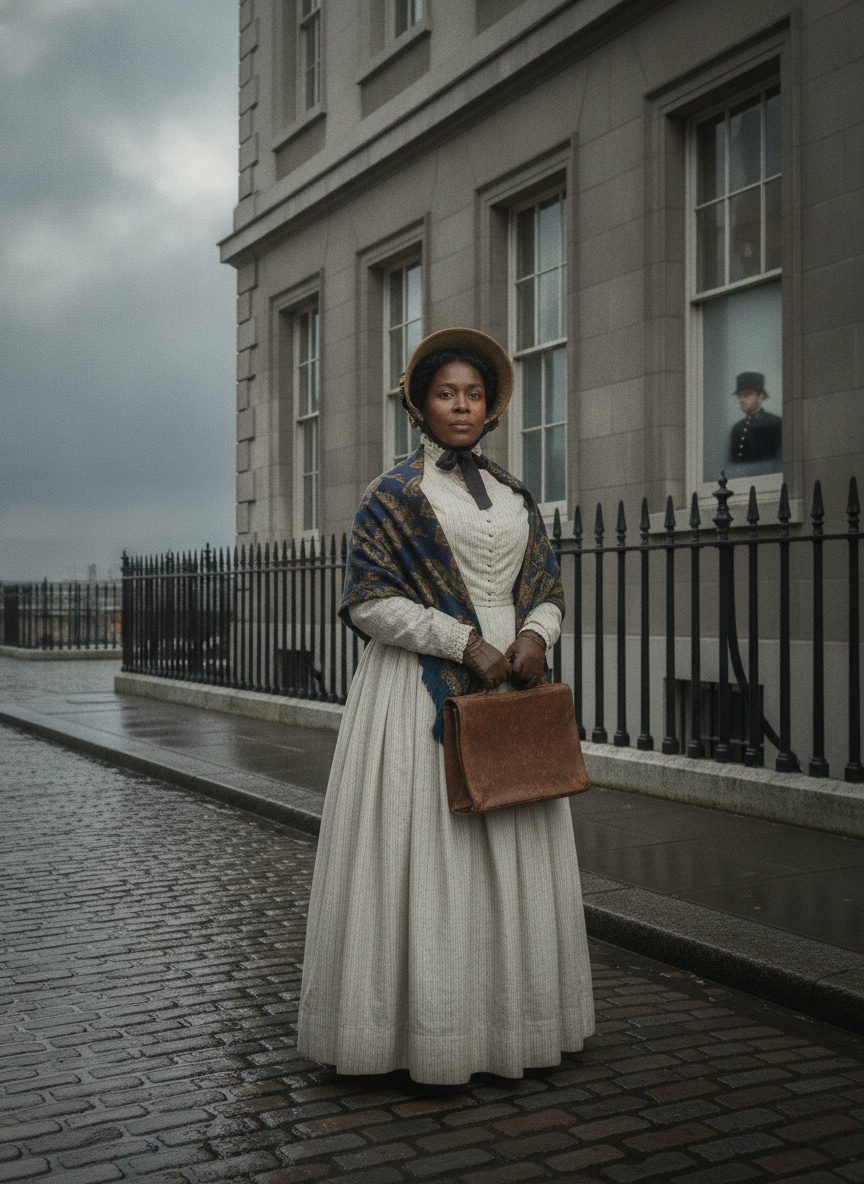
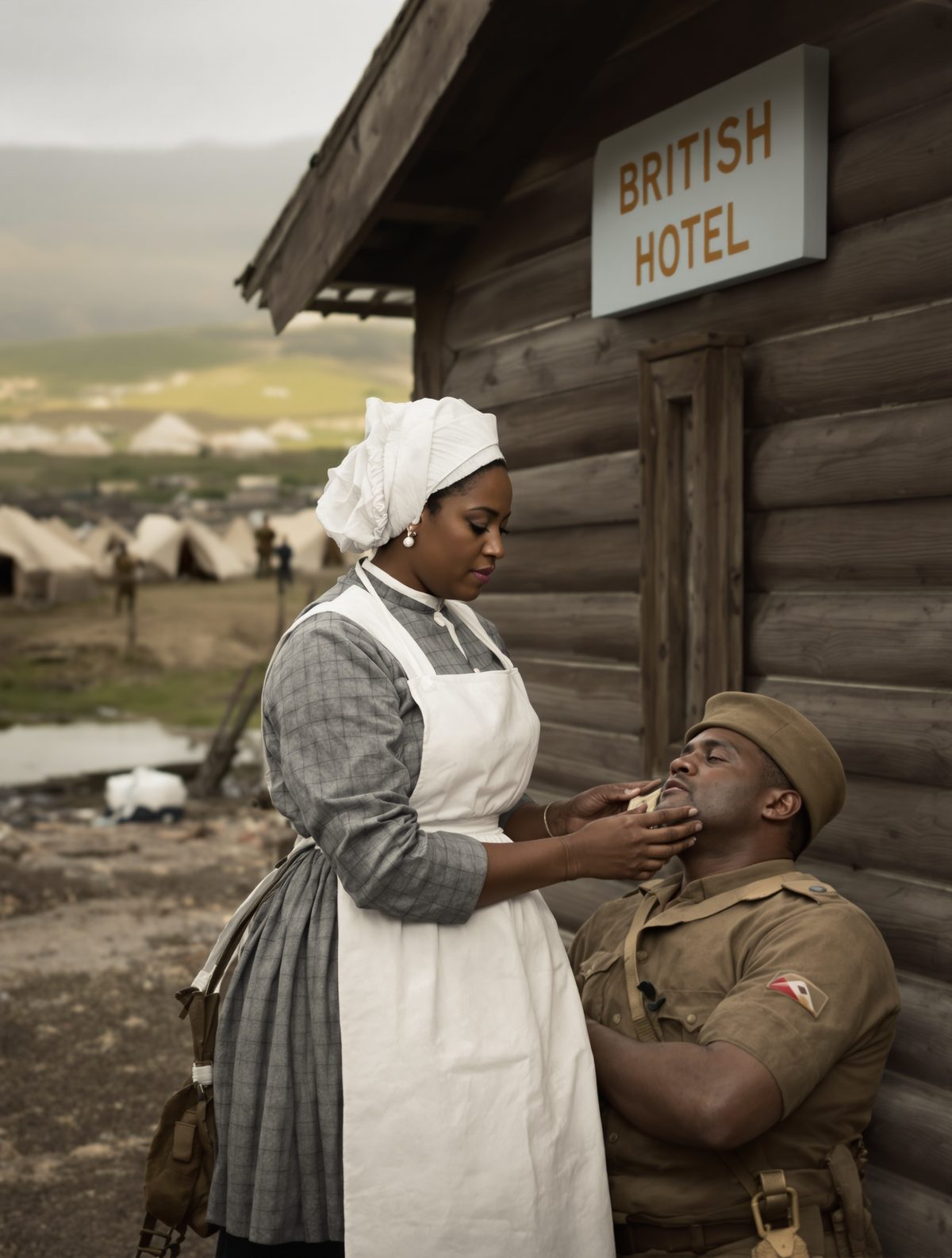
The British Army turned her away three times. She funded her own passage, built her own hotel under fire, and nursed dying soldiers for free. Then she came home bankrupt — and took her case to the public.
Calcutta, 1849. Mary Carpenter stepped off the ship alone. No government backing. No mission society. She walked into the slums. She opened a door. Inside, forty girls waited to learn to read.
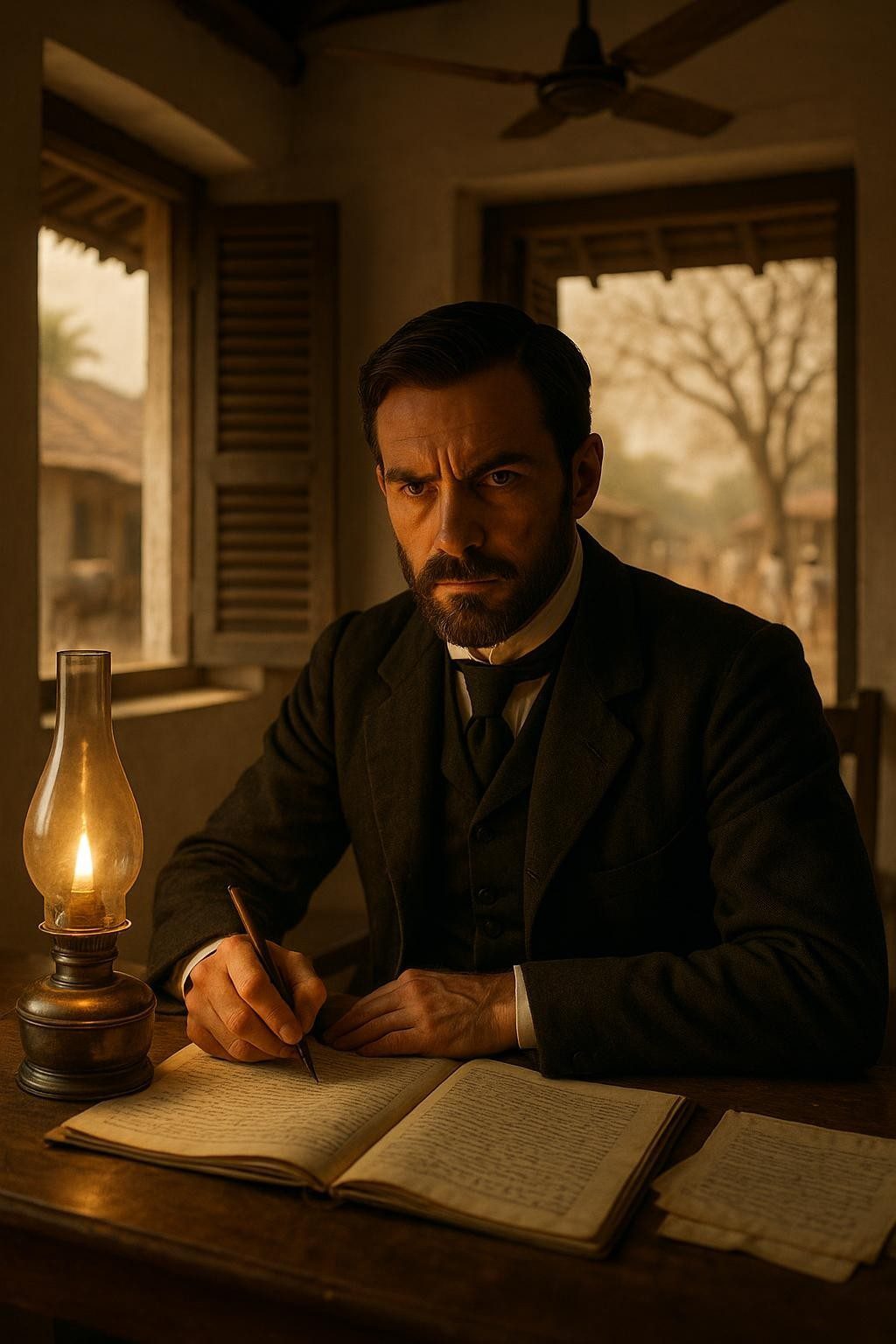
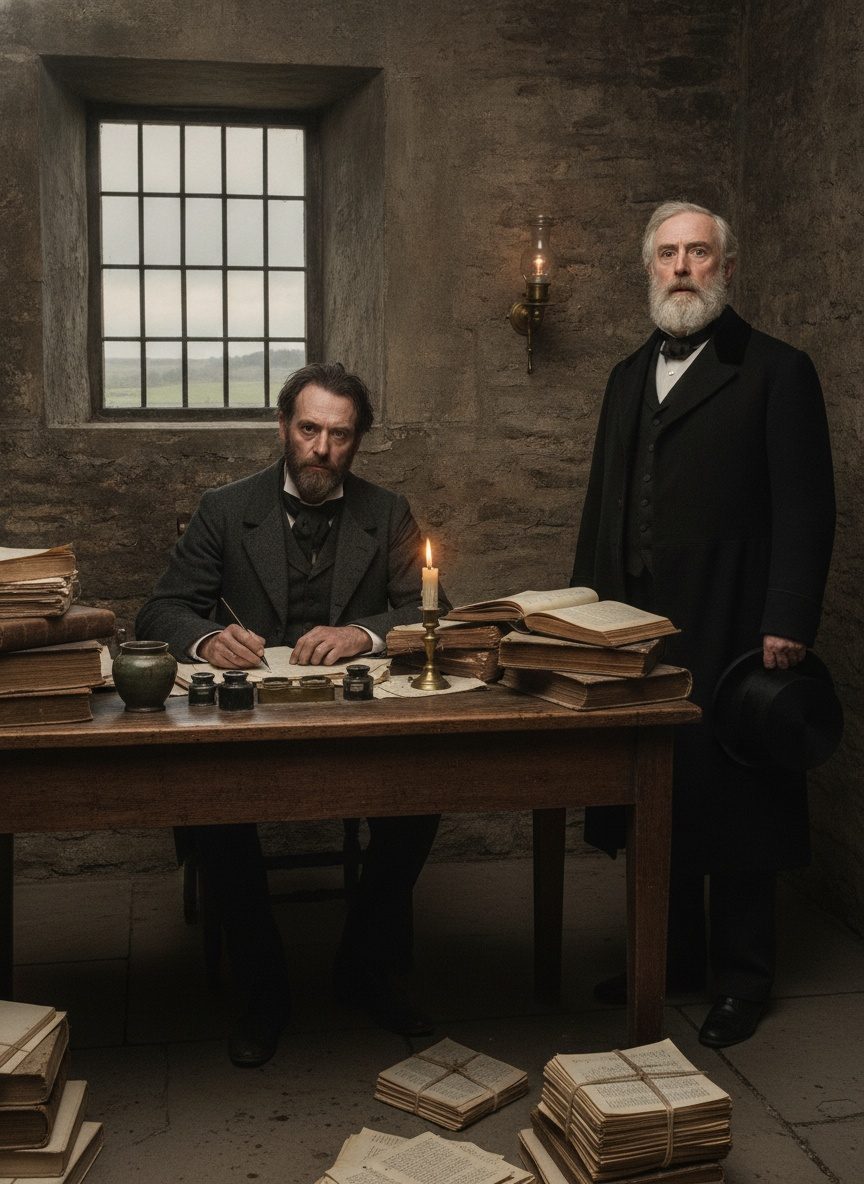
Dr. W.C. Minor was a US Army surgeon, a murderer, and a patient in Broadmoor Criminal Lunatic Asylum. For thirty years he secretly sent thousands of citations to the Oxford English Dictionary. The editors thought he was a retired gentleman scholar.
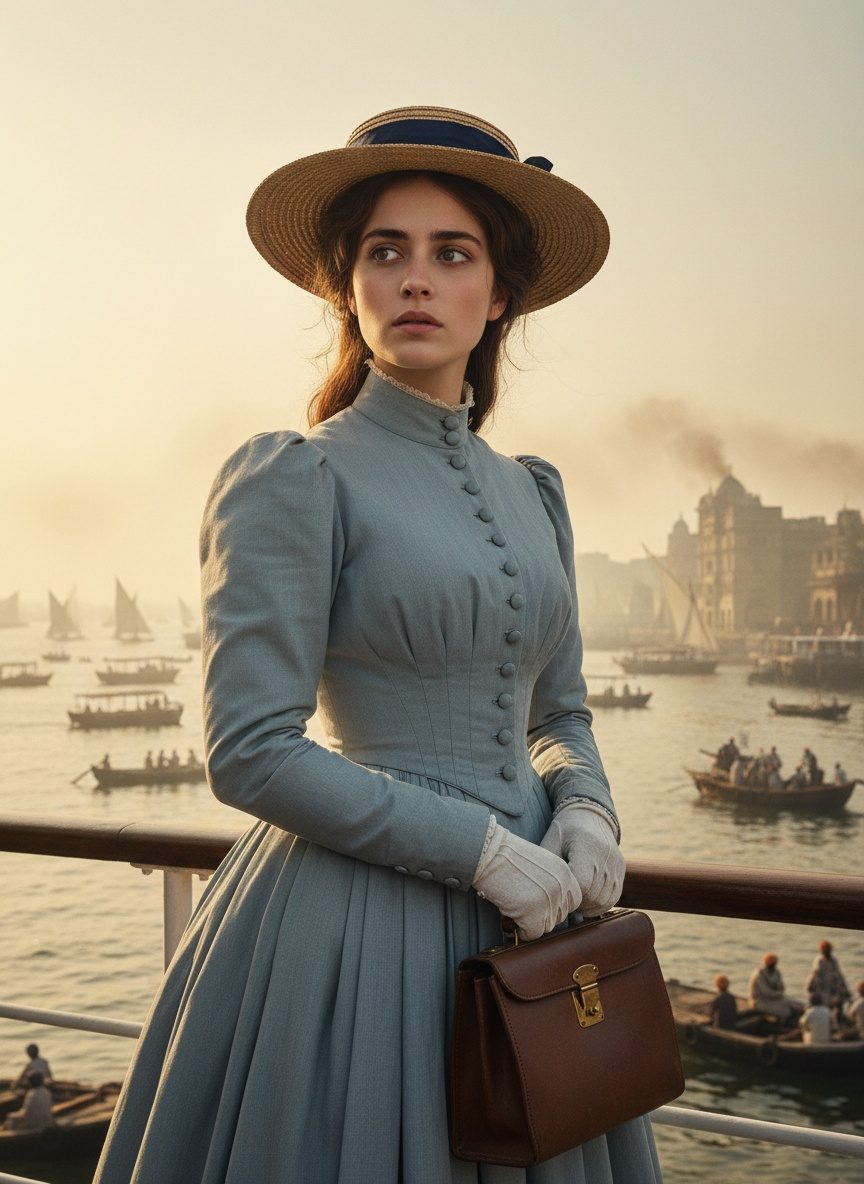
Bombay, 1885. She had crossed the Black Water alone. Six weeks at sea. A new dress. A borrowed hat. The steamer docked. India roared up to meet her. She had come to find a husband. She found a world.
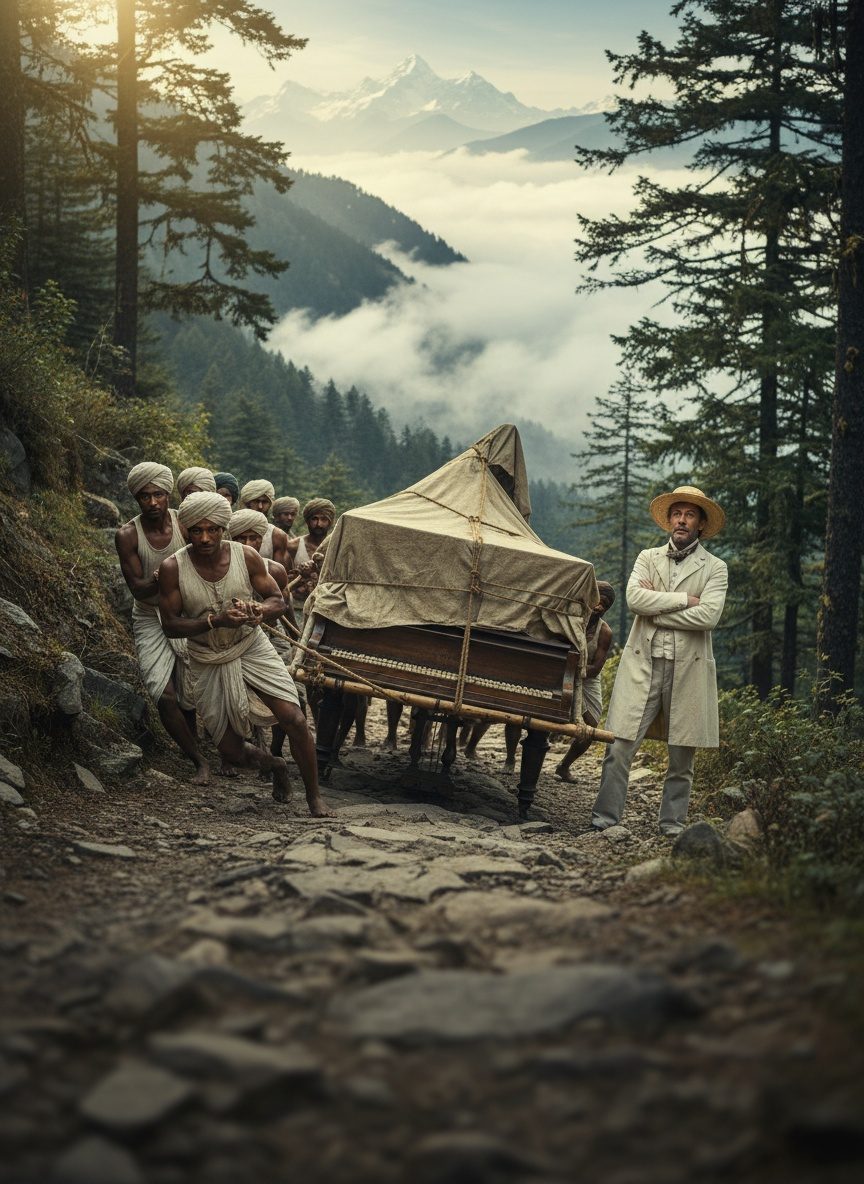
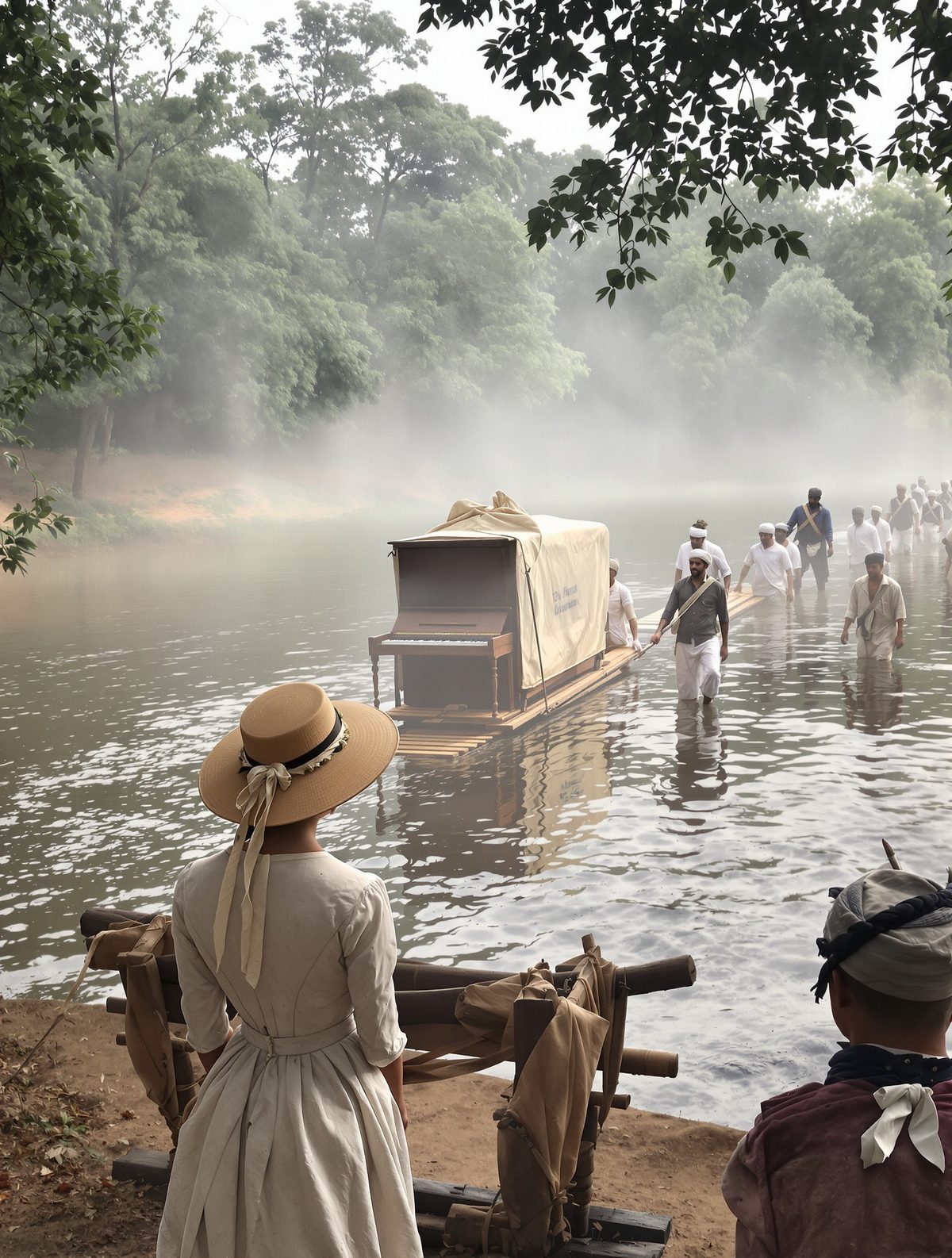
Simla, 1836. A grand piano arrived at the foot of the Himalayas. No road reached the hill station. Sixty men carried it up seven thousand feet. Rope by rope. Step by step. It arrived unbroken.
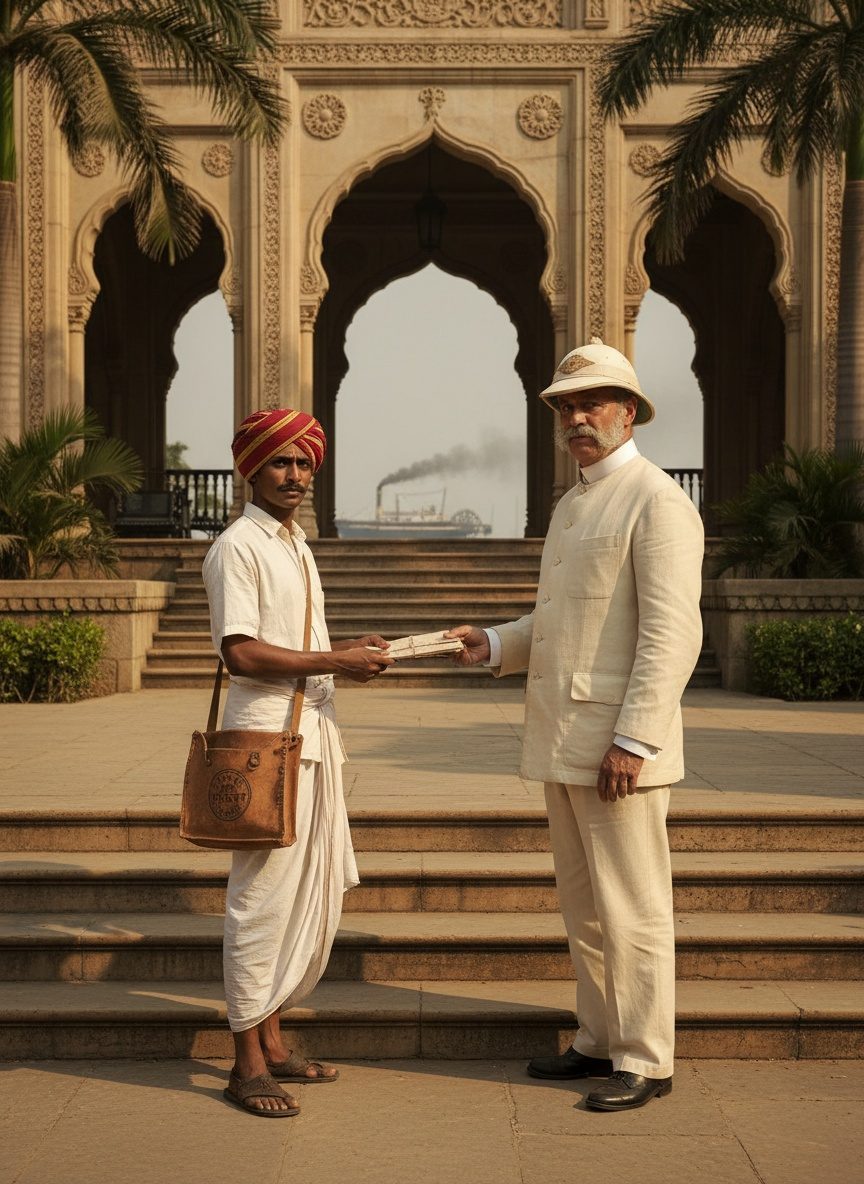
India's postal dak system promised delivery across 1,800 miles in 30 days. Runners carried it through jungle, flood, and tiger country — on foot, at night. The Post Office called it reliable. The runners called it survival.
1880s. The Indian hill stations needed mail. The railway stopped at the foothills. So the dak wallahs ran. Twenty-two miles a day. Through mountain passes. Through monsoon rains. Every single day.
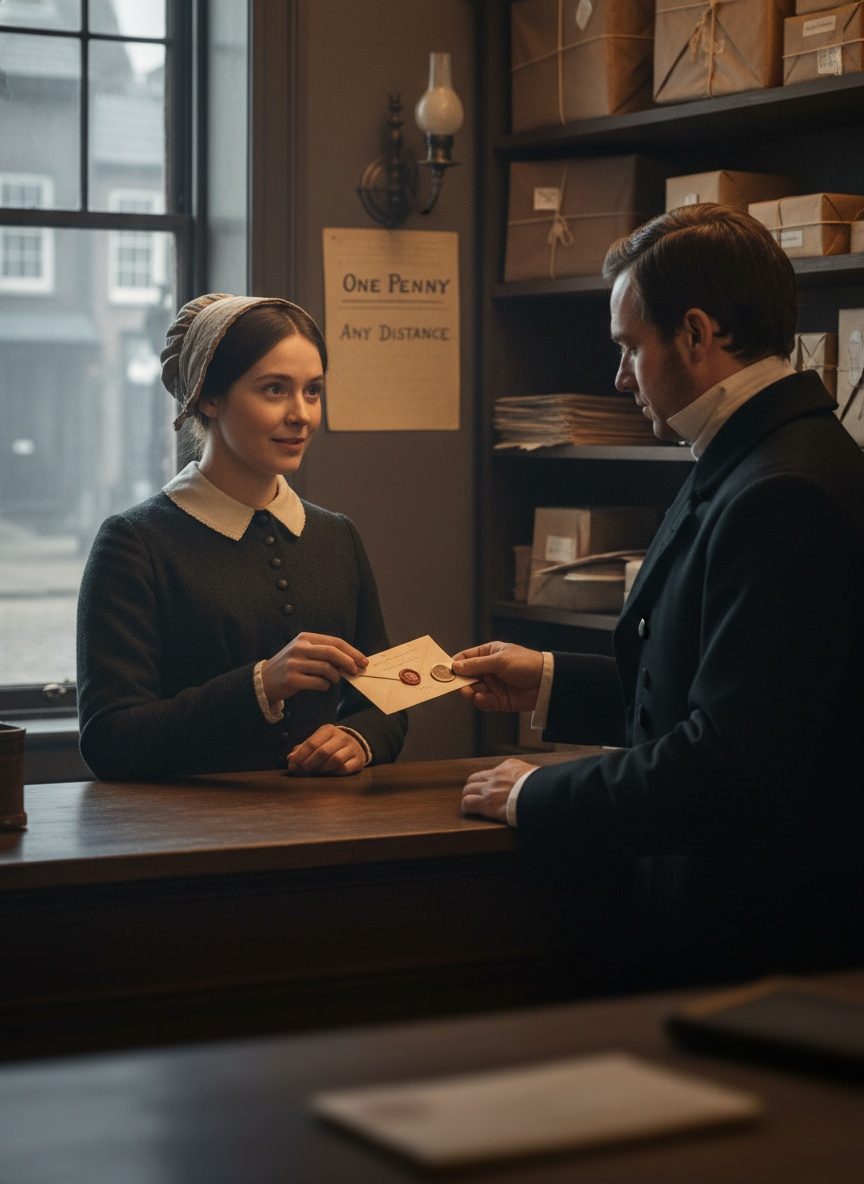
Before 1840, sending a letter cost a week's wages. A reformer changed everything in one stroke. Suddenly, a factory girl in Manchester could write to her mother in Cork.
Calcutta, 1857. Mary Carpenter arrived alone. No staff. No funds. No Hindi. She opened a school for girls the British had abandoned. Within a year, 200 children filled its rooms. She changed India.
In British India, mail moved on human legs. Dak runners sprinted relay stages through jungle, flood, and tiger territory — night and day. Some never arrived. The letters always did.
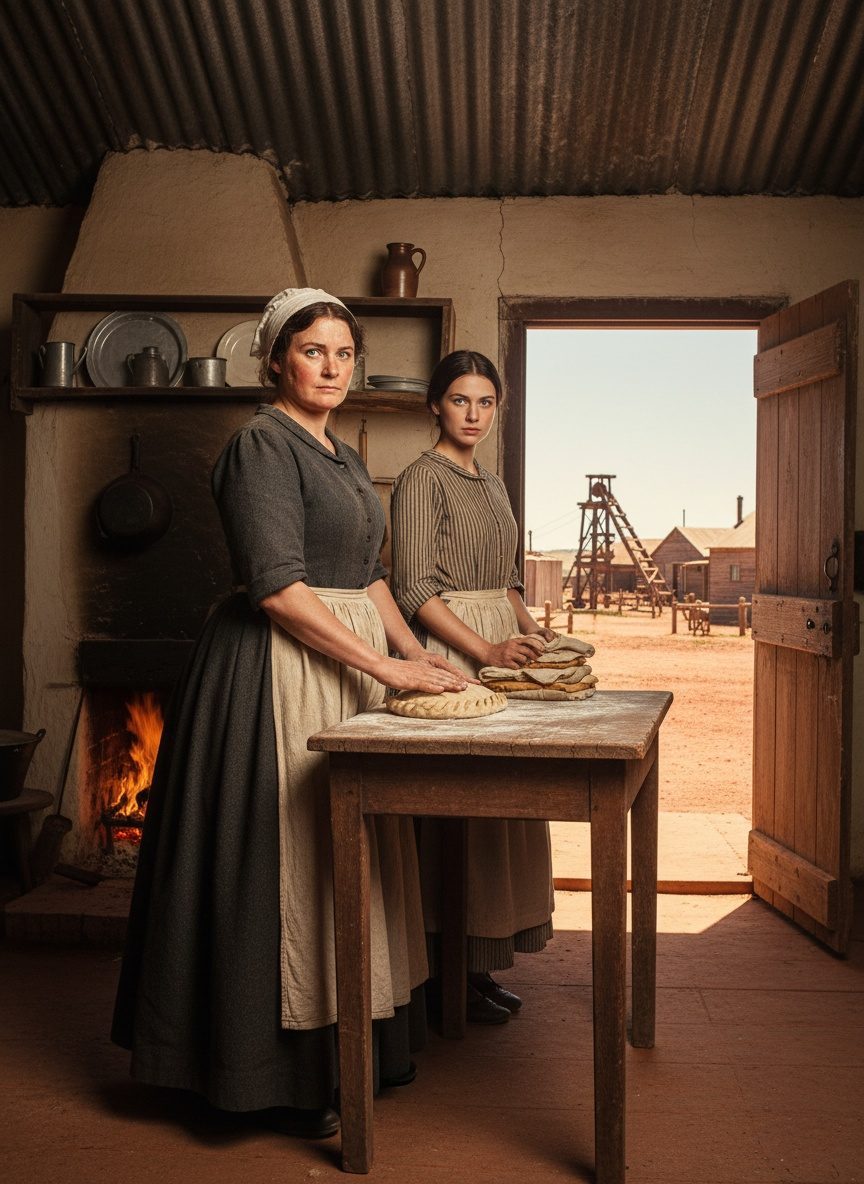
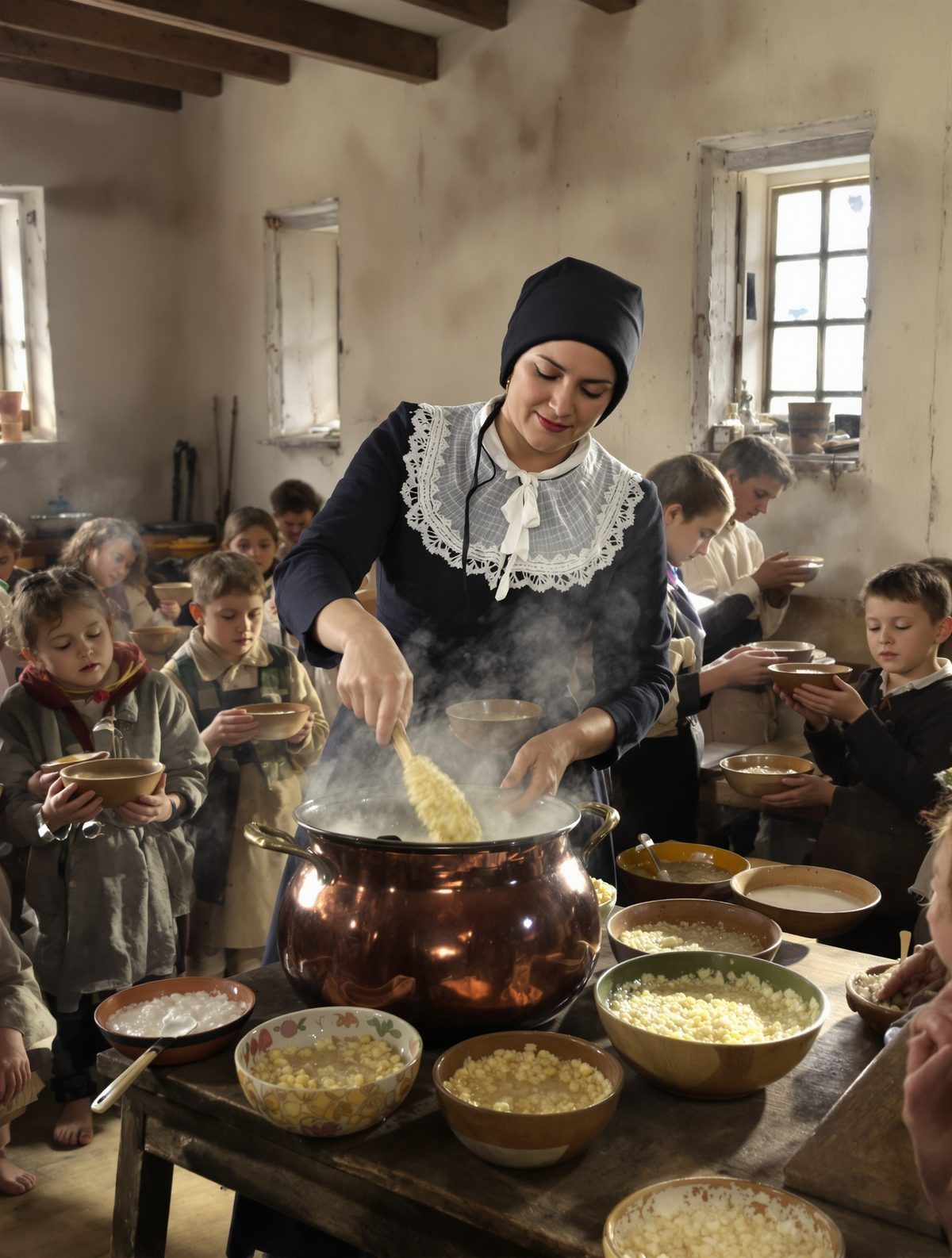
Burra, South Australia, 1872. The copper mines were booming. Thousands of Cornish miners had crossed the world. Their wives had followed. In tin-roofed kitchens they cooked pasties. Fed whole shifts. Built a community from nothing.
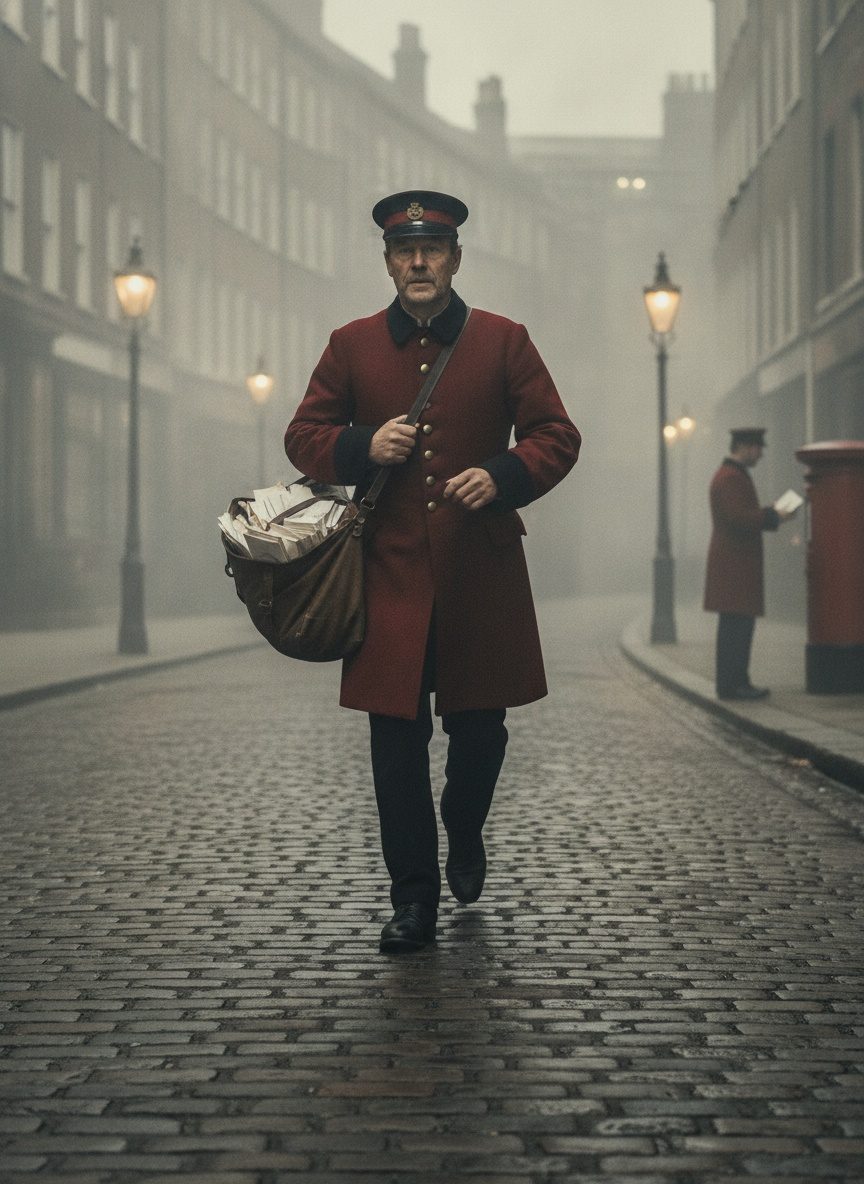
By 1880, London had the fastest postal system on Earth. Twelve deliveries a day. A letter posted at breakfast arrived before lunch. Londoners complained if it took longer than two hours.
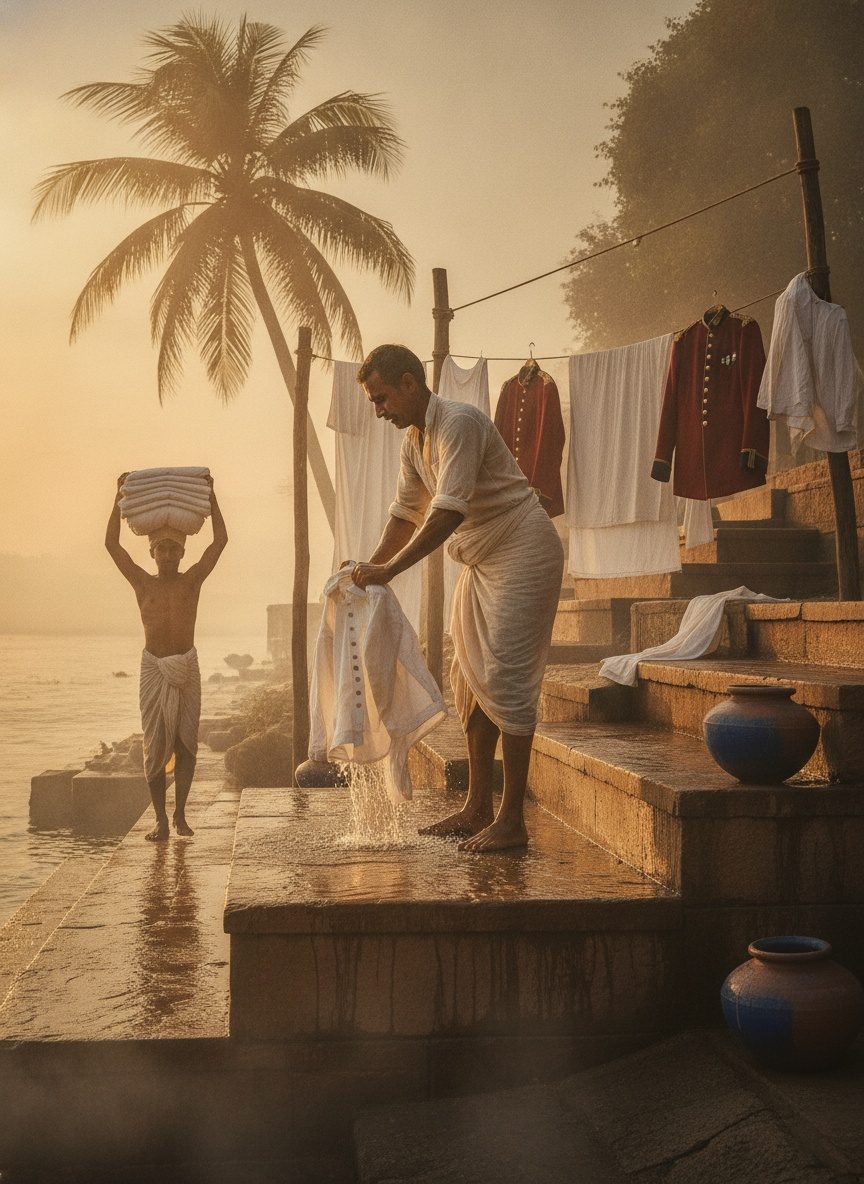
Calcutta, 1890. Every morning before dawn, they came. Hundreds of dhobi wallahs. They carried the Empire's laundry on their heads. Down to the river. Beat it clean on the ghats. Returned it pressed and perfect. The Empire ran on their hands.
By 1866, a letter posted in London reached Bombay in 30 days flat. The British Empire had built the world's first truly global postal network. Distance was dead.
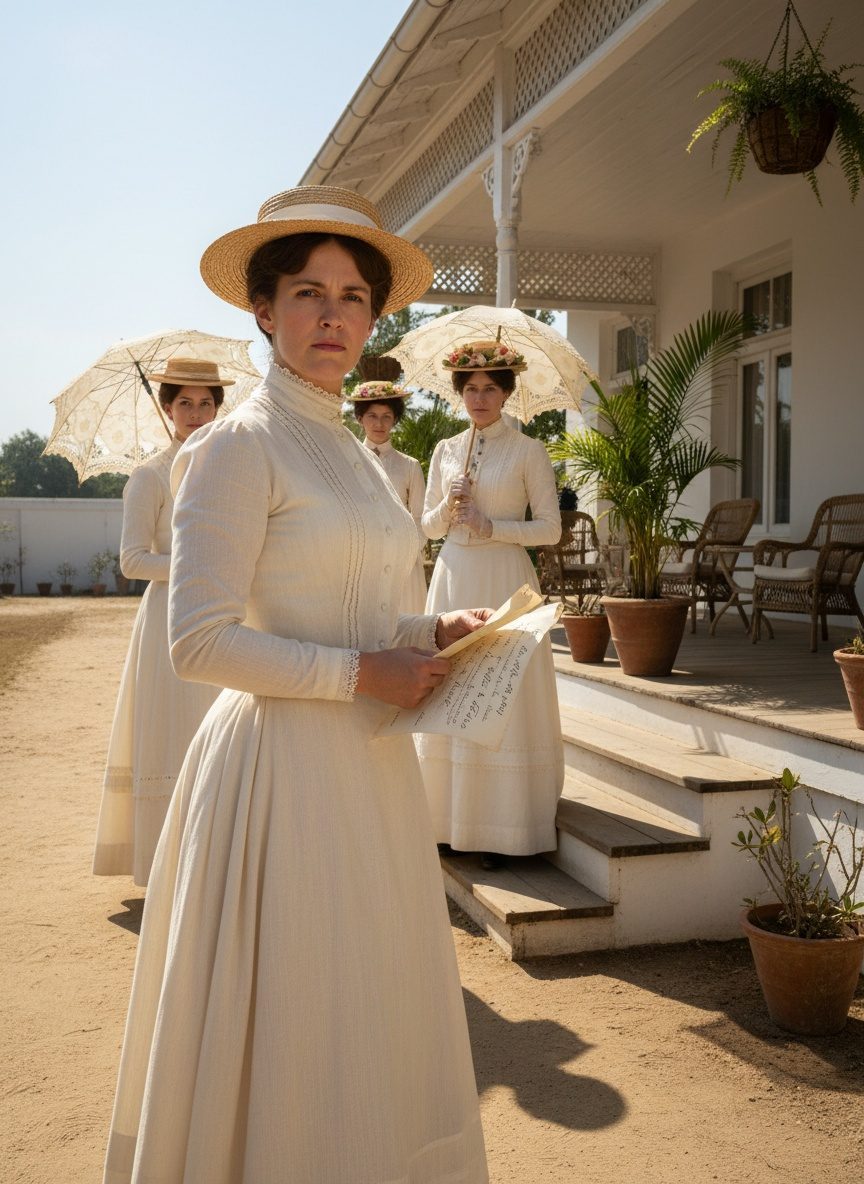
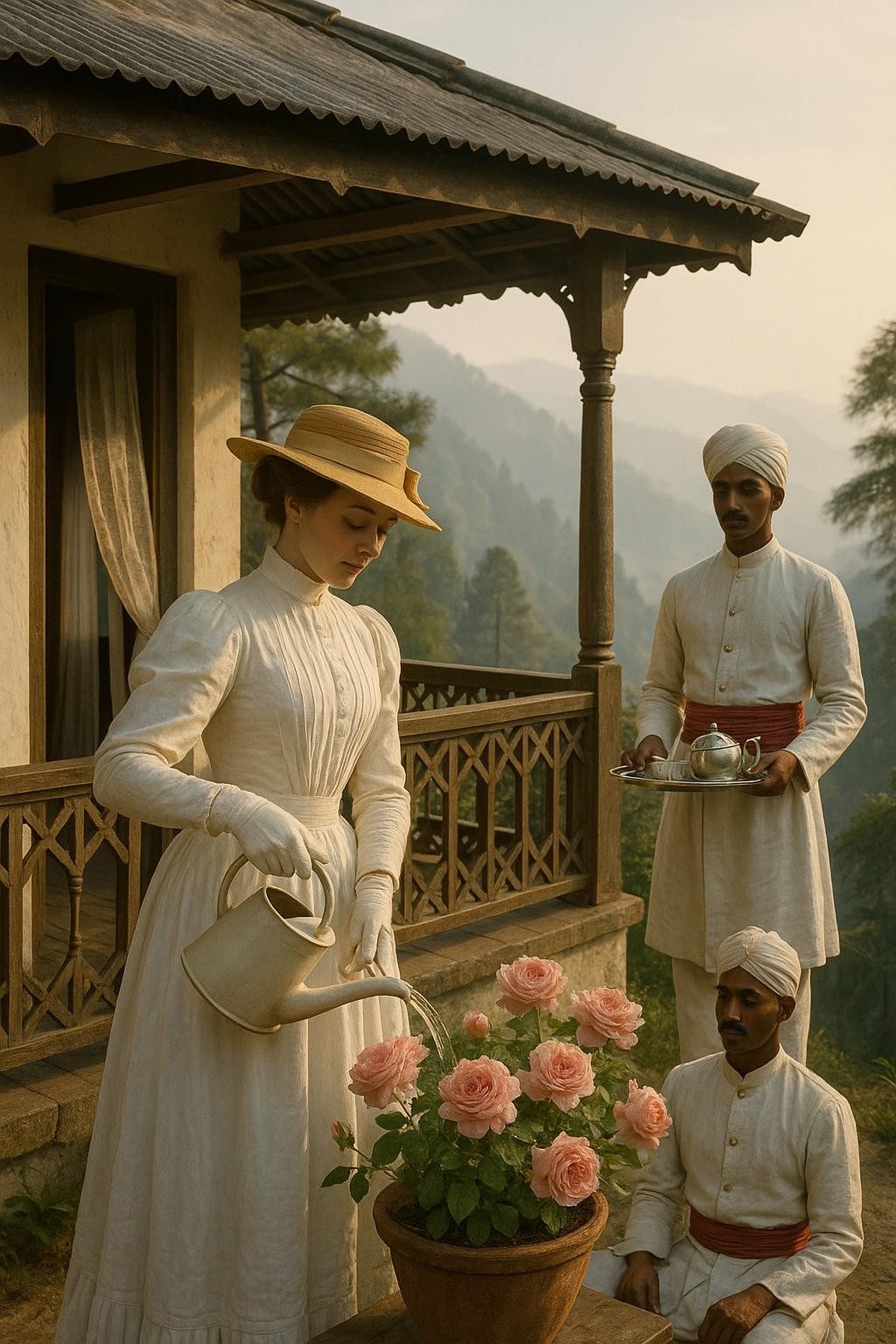
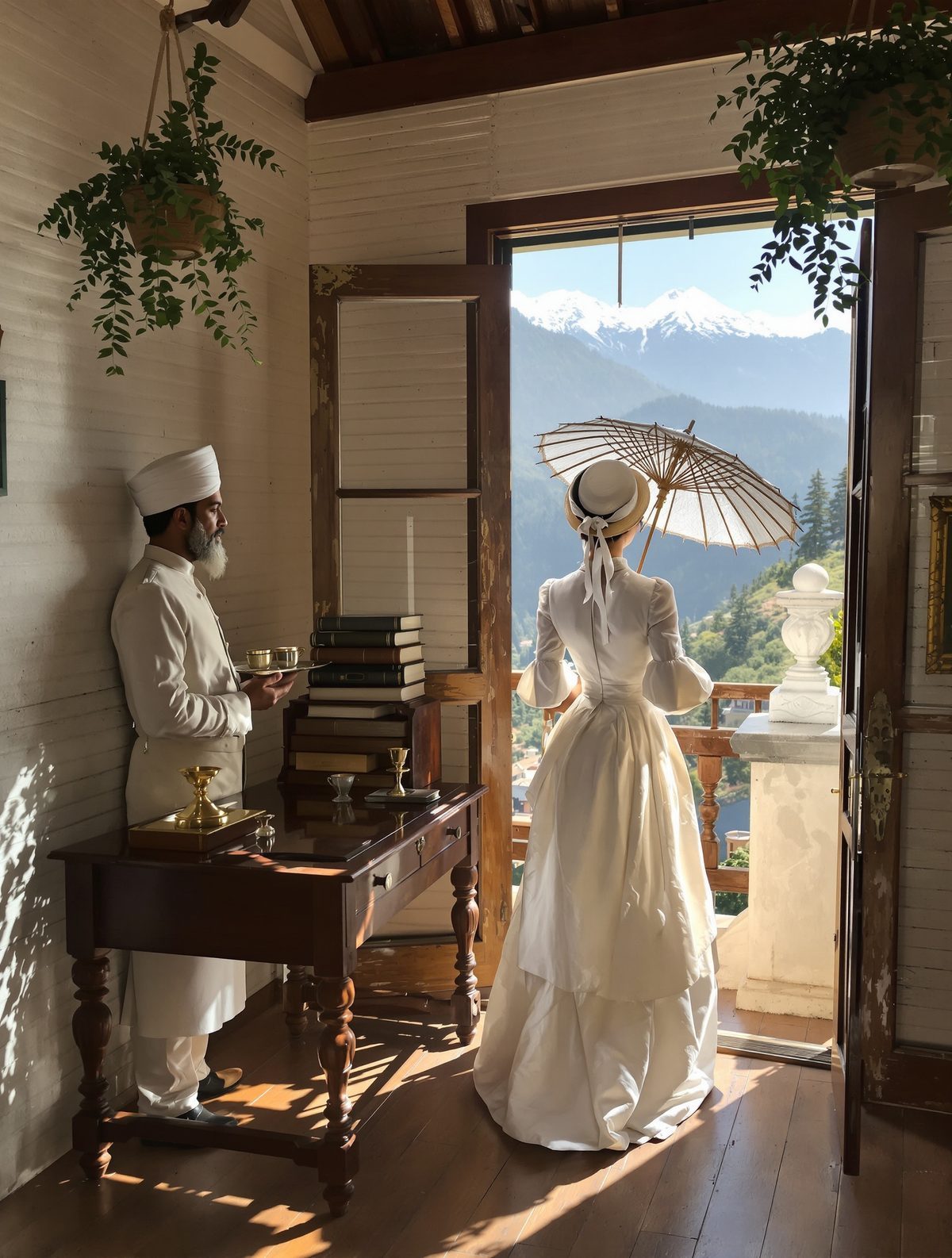
Simla, 1880. The temperature below was 110 degrees. But up in the hills, British women planted rose gardens. Hung curtains. Baked sponge cakes. They built England seven thousand feet above India.
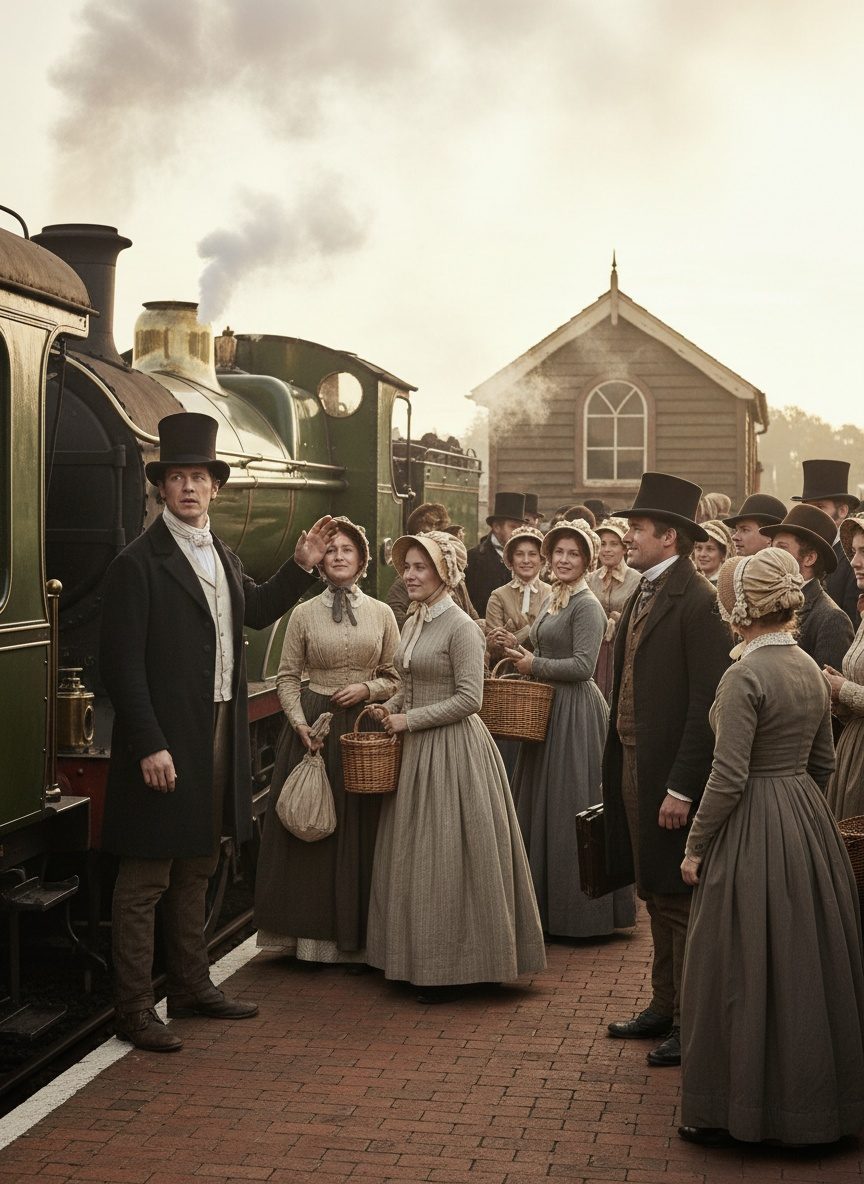
July 1841. A Baptist preacher hired a train. Eleven miles. Five hundred working men and women. One shilling each. Thomas Cook had just invented the holiday.
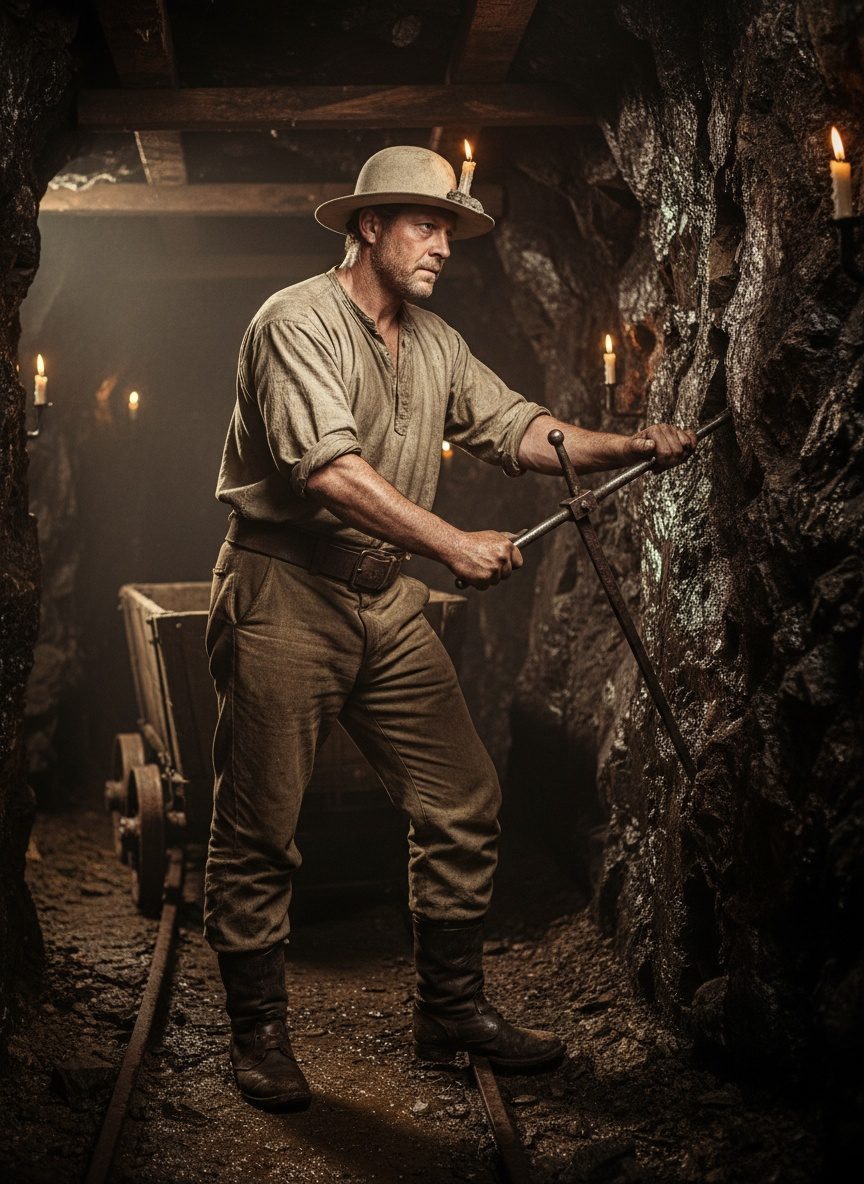
Nevada, 1872. The Comstock Lode was dying. Engineers said the ore was gone. Then a team of Cornish miners arrived. They drilled deeper than anyone dared. They found the Big Bonanza. The richest silver vein ever discovered.
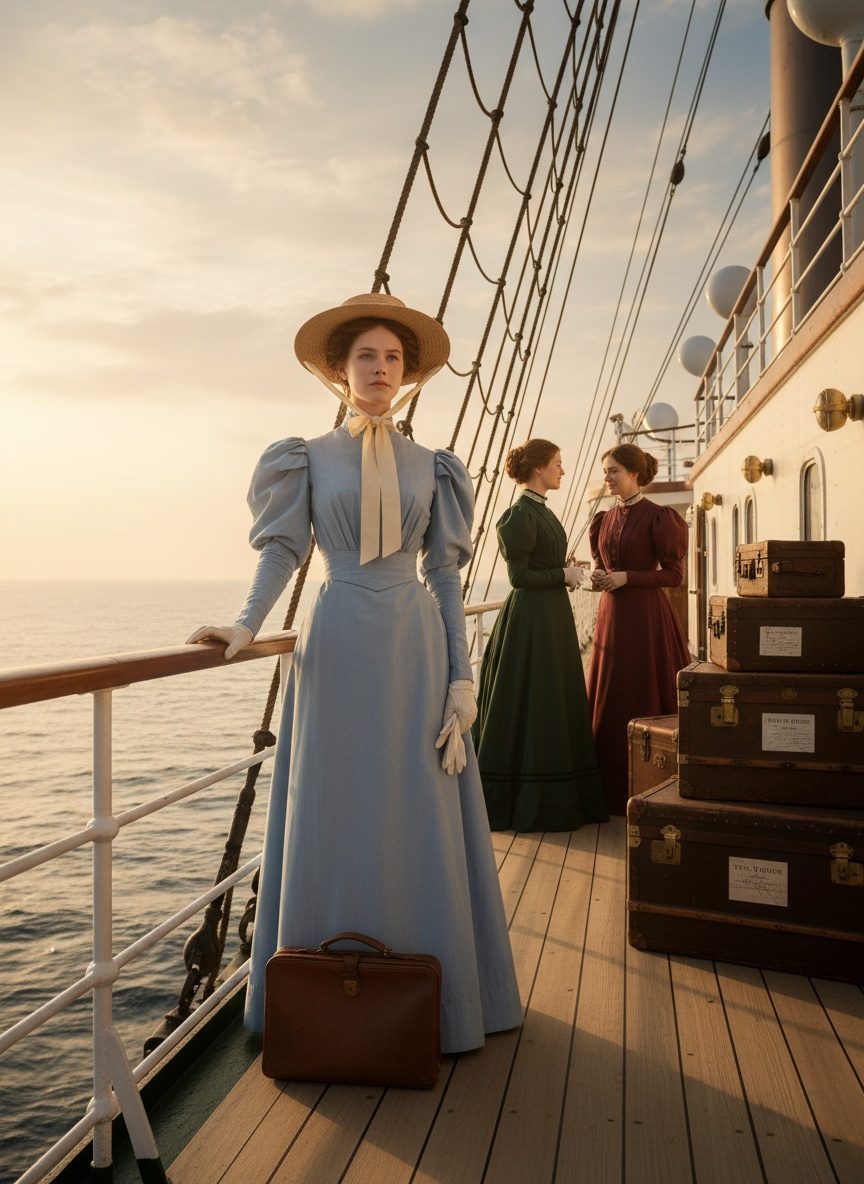
Every autumn they sailed. Young British women bound for India. The empire had too many bachelors and too few wives. They called them the Fishing Fleet. Most found husbands. Those who did not sailed home. They called those ones the Returned Empties.
Deep in India's jungle, barefoot runners carried the mail through darkness. Tigers hunted these paths. Bandits watched the trails. Yet every morning, the post arrived. Britain's empire ran on their courage.
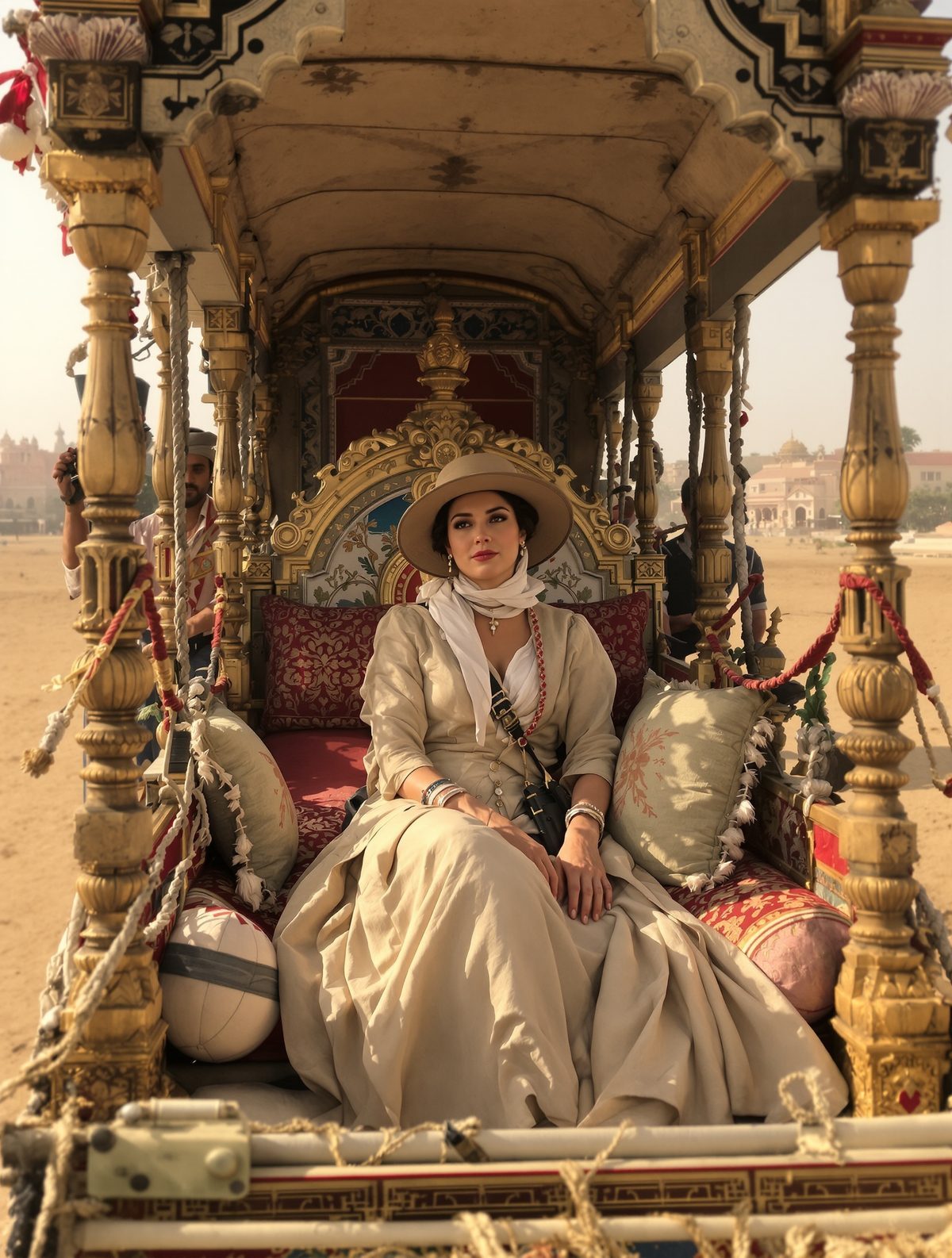
She was the Governor-General's sister. Travelling India in 1838. Her grand piano went everywhere she did. Carried by 300 men. Through jungle. Over rivers. Up mountain passes. Britain had brought its drawing room to the subcontinent.
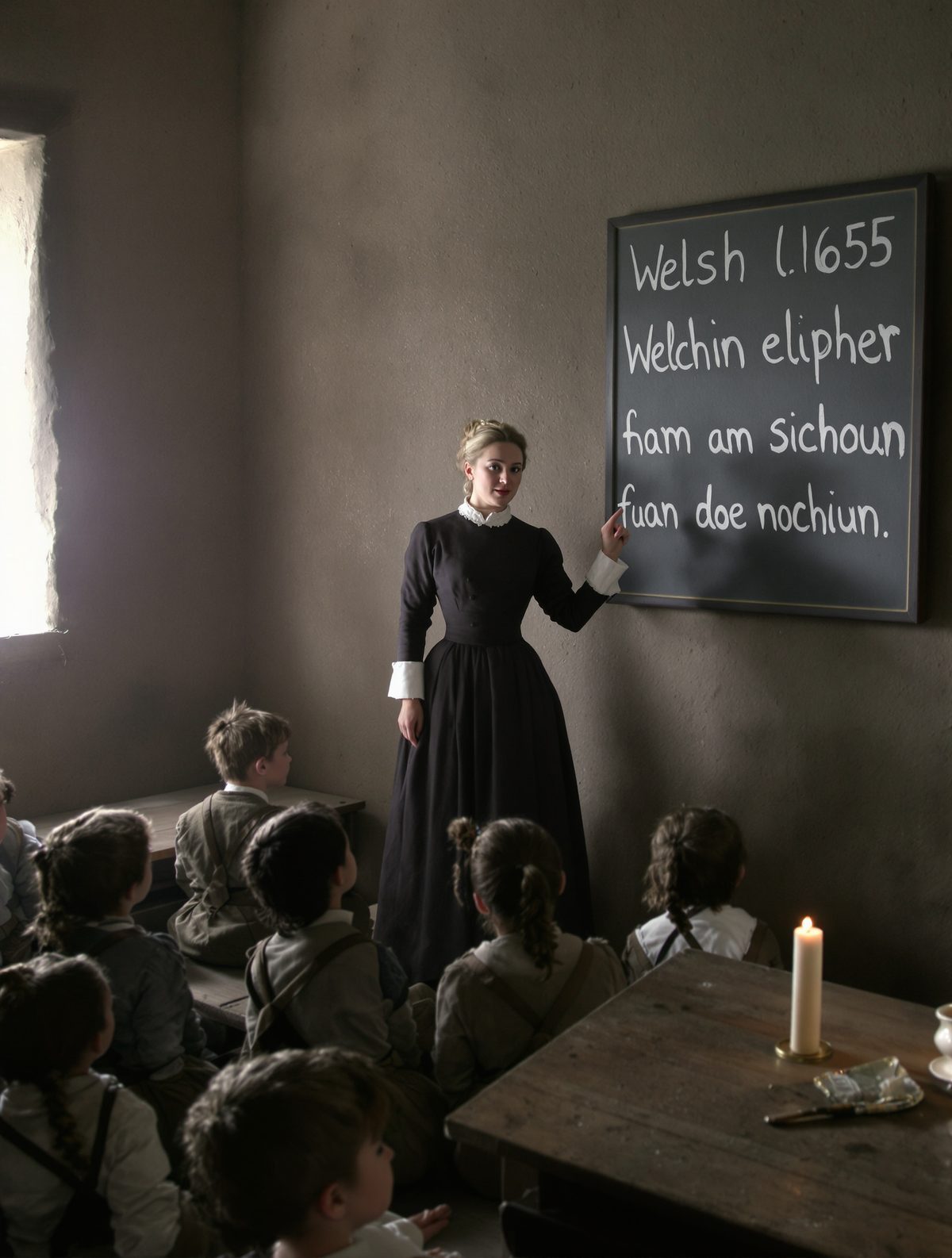
In 1865, 153 Welsh settlers landed on a windswept Argentine shore. They had nothing. No food. No shelter. One woman opened a school in a mud hut. Fifty years on, Welsh was still spoken on the Pampas.
Bristol, 1846. A Unitarian minister's daughter opened a school for children no one else would touch. Barefoot. Starving. Forgotten. She fed them, taught them, and refused to give up on a single one.
Every May, an entire government packed its bags. Clerks, files, ministers — all climbed into the mountains. For six months, Shimla ruled an empire of 300 million from a wooden town perched at 7,000 feet.
An Indian soldier turned British subject walked into Brighton and changed England forever. In 1810, Sake Dean Mahomed opened the Hindostanee Coffee House in London. England had never tasted anything like it.
No railways. No telegraph. Just a man, a lantern, and a leather satchel. India's dak runners carried Britain's imperial mail alone through jungle and tiger country. Night after night. Mile after mile.
In 1799, an Indian scholar arrived in London uninvited by any empire. He dined with lords, debated philosophers, and wrote a savage critique of British manners that became a bestseller in two languages.
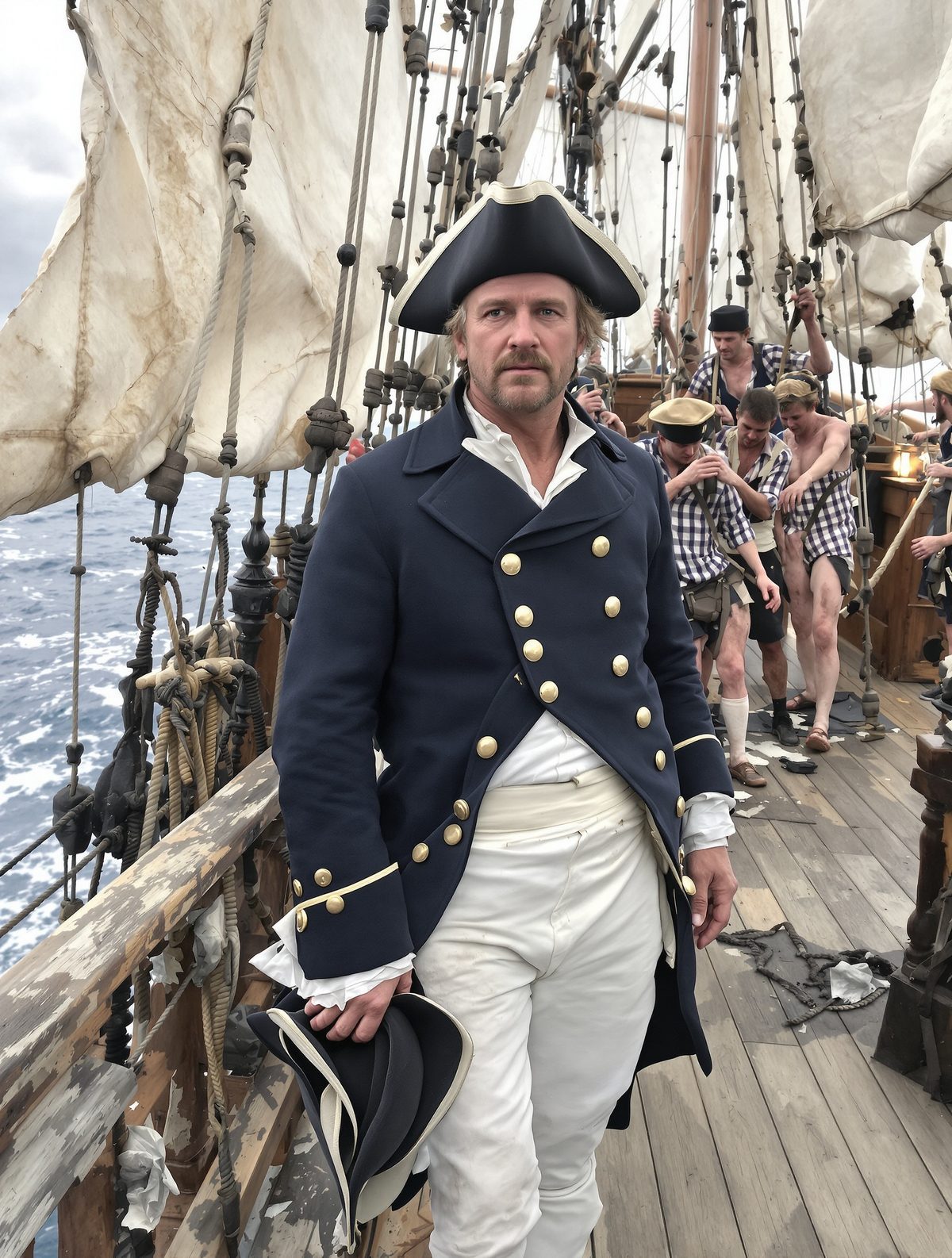
1740. HMS Centurion limped across the Pacific with just 200 men alive from 1,900. They boiled their leather belts for soup. Chewed rope for fiber. Sucked marrow from rat bones. But Anson's iron will drove them onward.
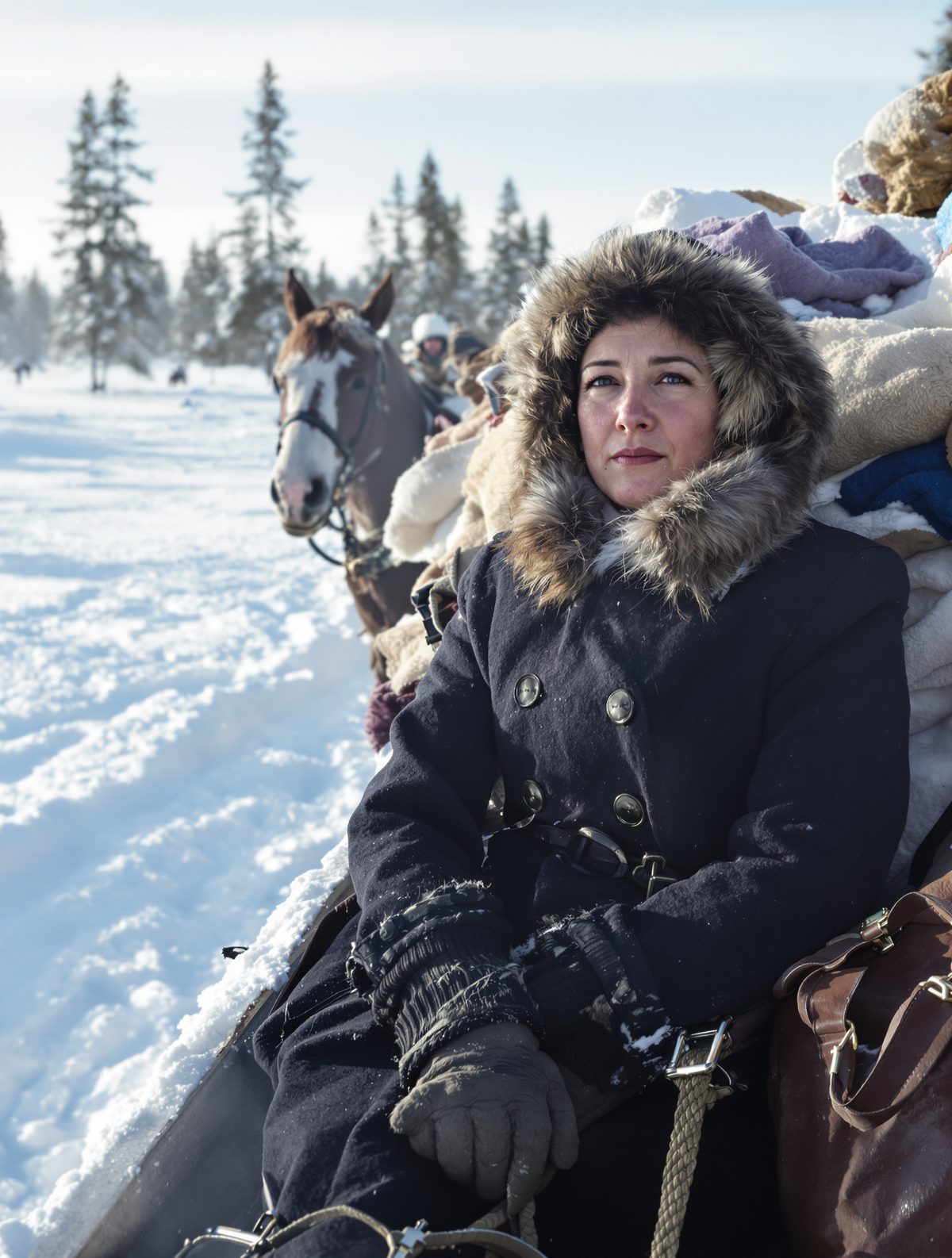
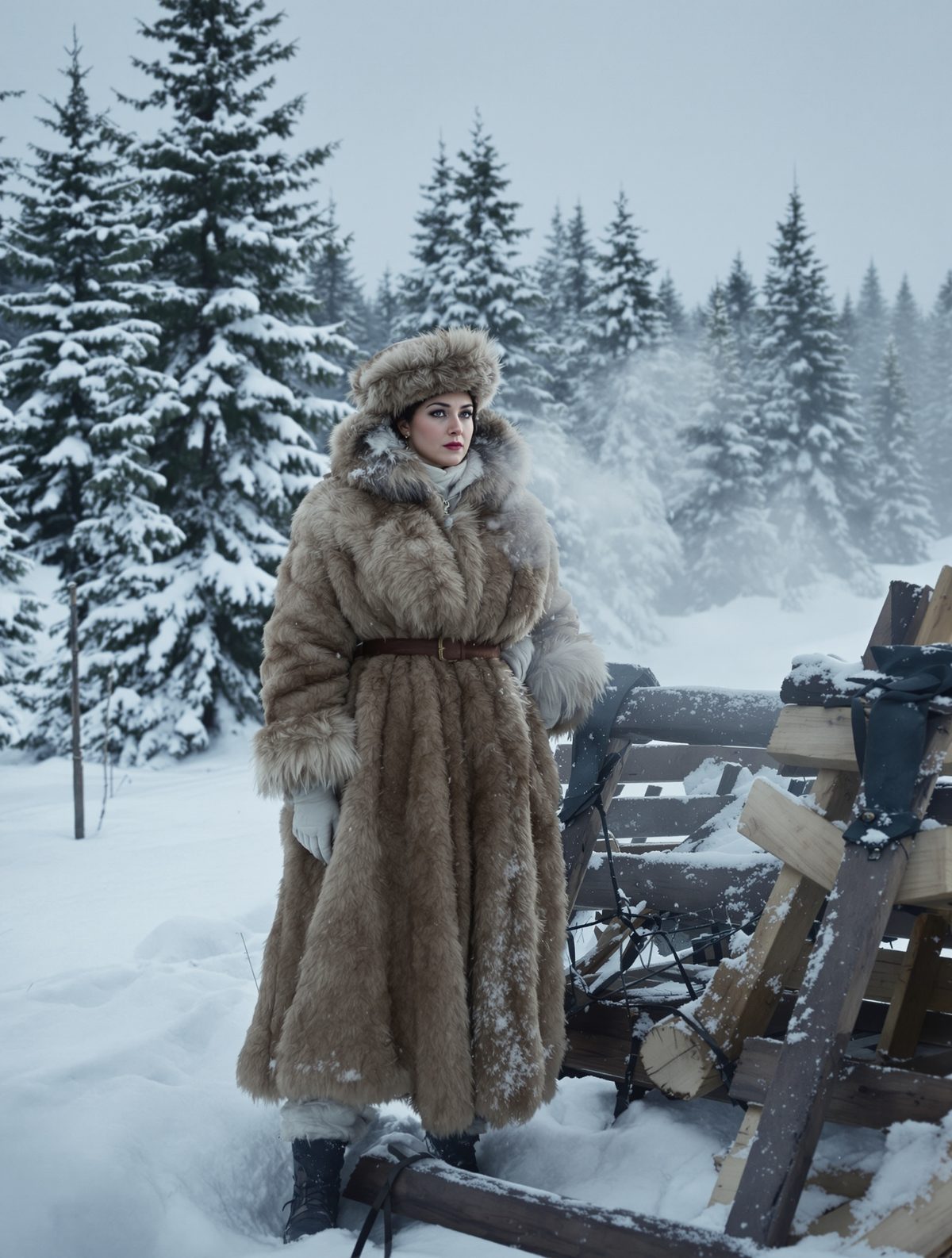
In 1891, English nurse Kate Marsden rode alone across frozen Siberia for two months. She was searching for a herb that could cure leprosy. Local guides abandoned her in wolf territory. She reached the leper colony with frostbitten hands but a medicine chest intact.
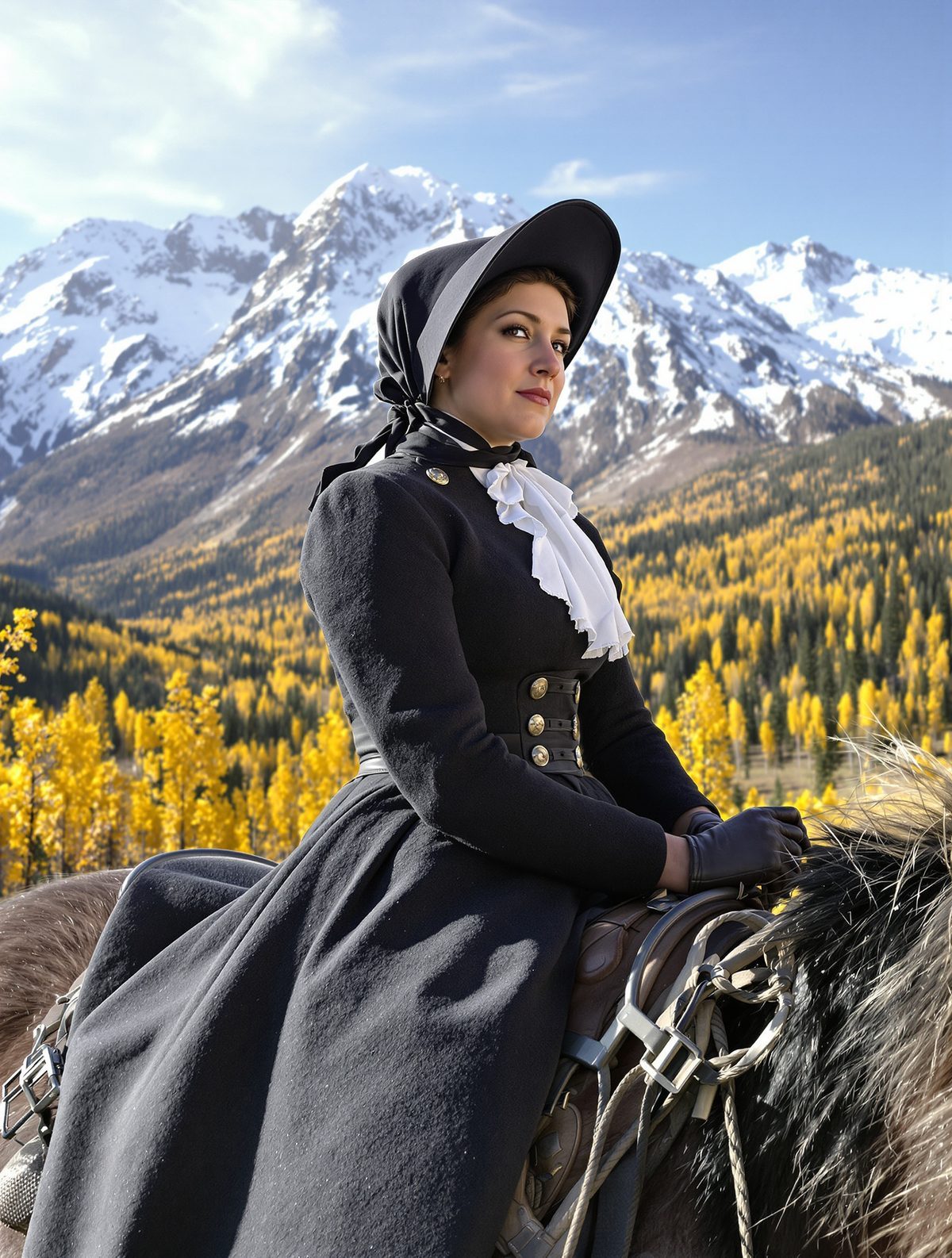
In 1873, a proper English lady shocked society. Isabella Bird traded her drawing room for a horse named Birdie. She rode 800 miles through Colorado's wilderness alone. Bears, blizzards, and outlaws couldn't stop her quest for adventure.
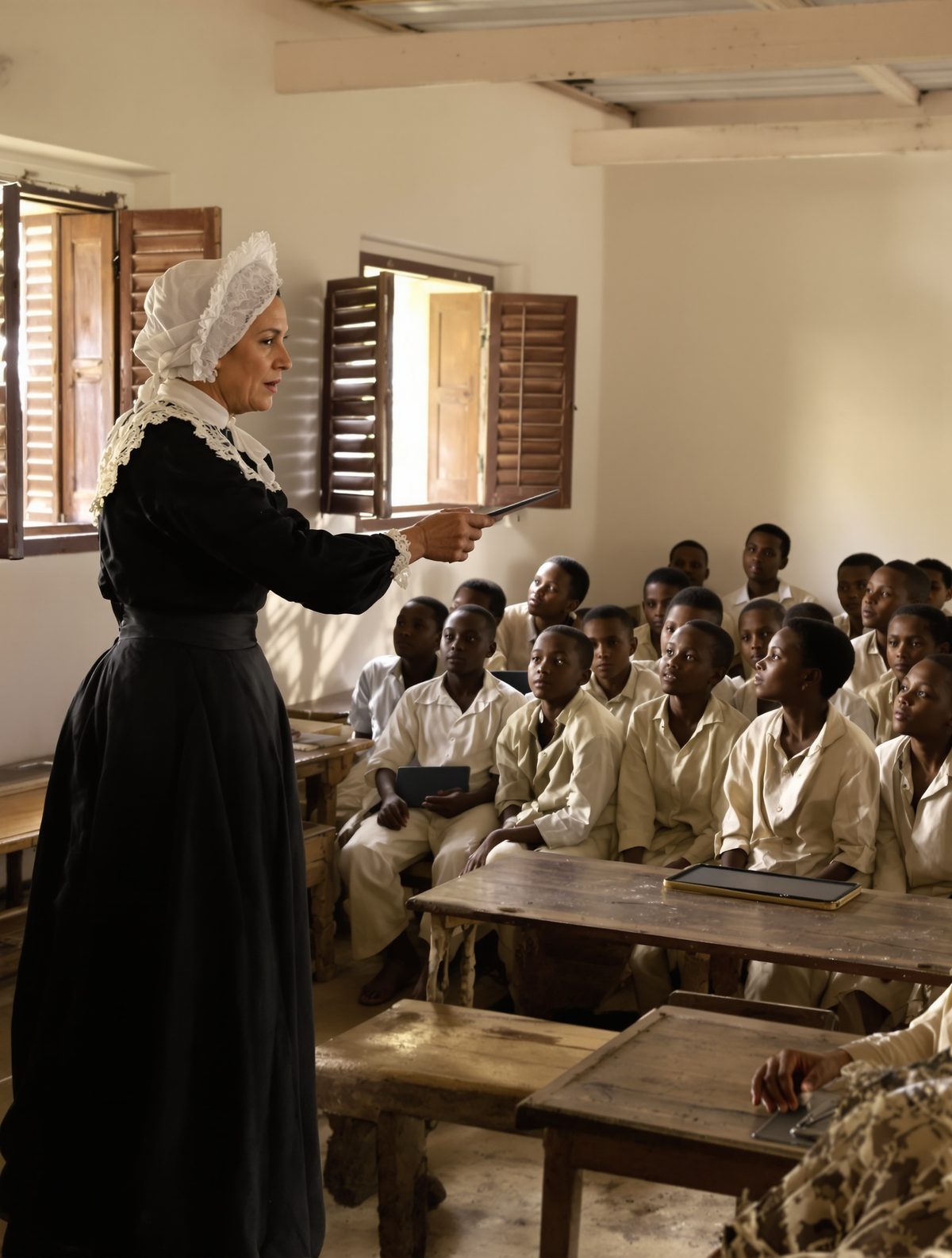
Margaret Noble left her London teaching job in 1898. She sailed to Calcutta to serve India's poorest. When plague struck the slums, she nursed the dying. The Irish schoolteacher became Sister Nivedita.
Mary Slessor faced the Efik chiefs alone. Twin babies meant evil spirits. Death was certain. She picked up both infants. 'These children live under British protection now.' Her hands shook. But her voice never wavered.
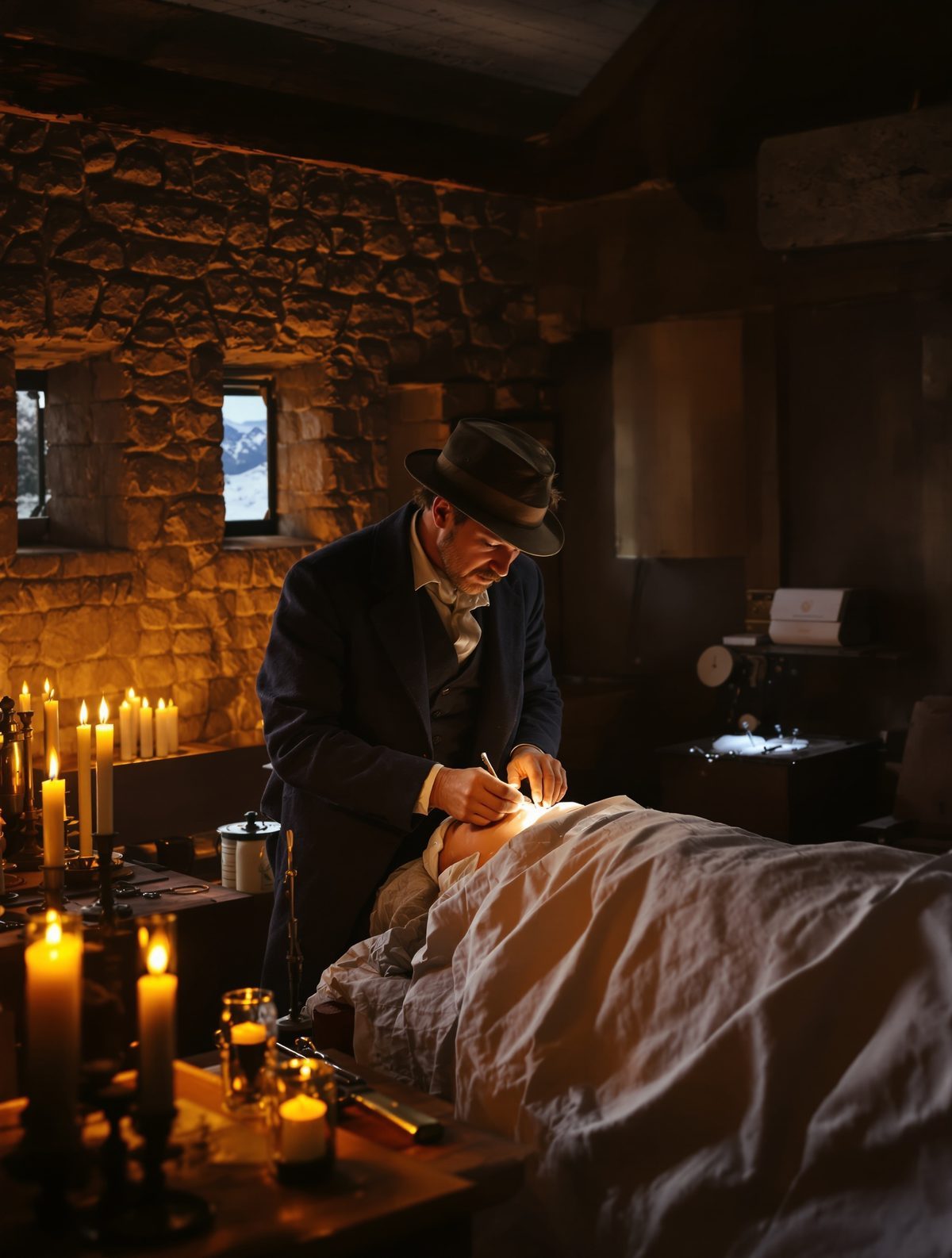
Kashmir 1890s. British missionary doctor Arthur Neve performs cataract surgery by candlelight. His patient: a Tibetan trader blind for years. The operation succeeds. News spreads across the Himalayas. Soon hundreds walk for weeks to reach his mountain hospital.
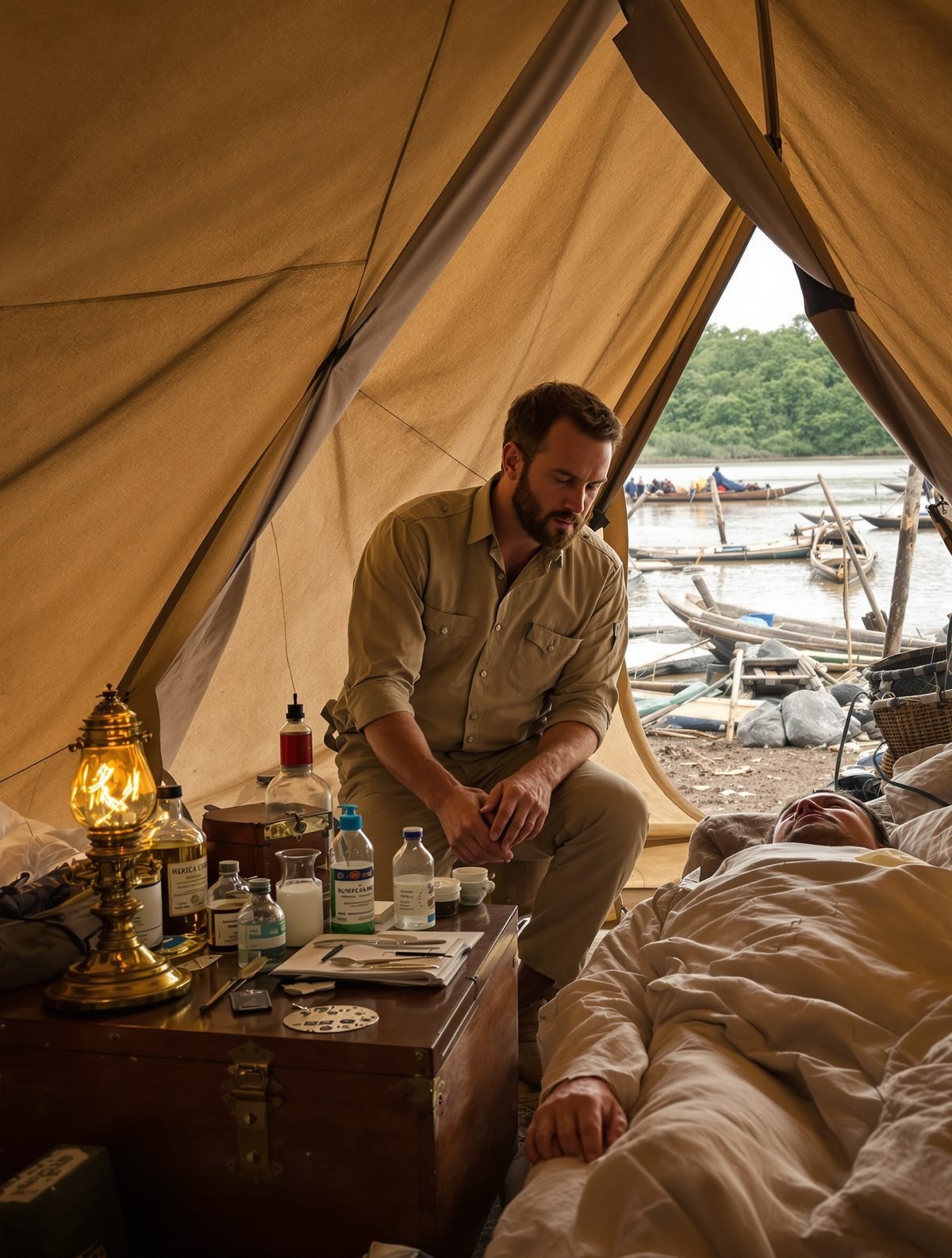
Dr. John Kirk joined Livingstone's Zambezi expedition as botanist. But when malaria struck the crew. Kirk's medical training became their lifeline. He treated 40 cases of fever with his portable pharmacy. Keeping the mission alive through Africa's deadliest season.
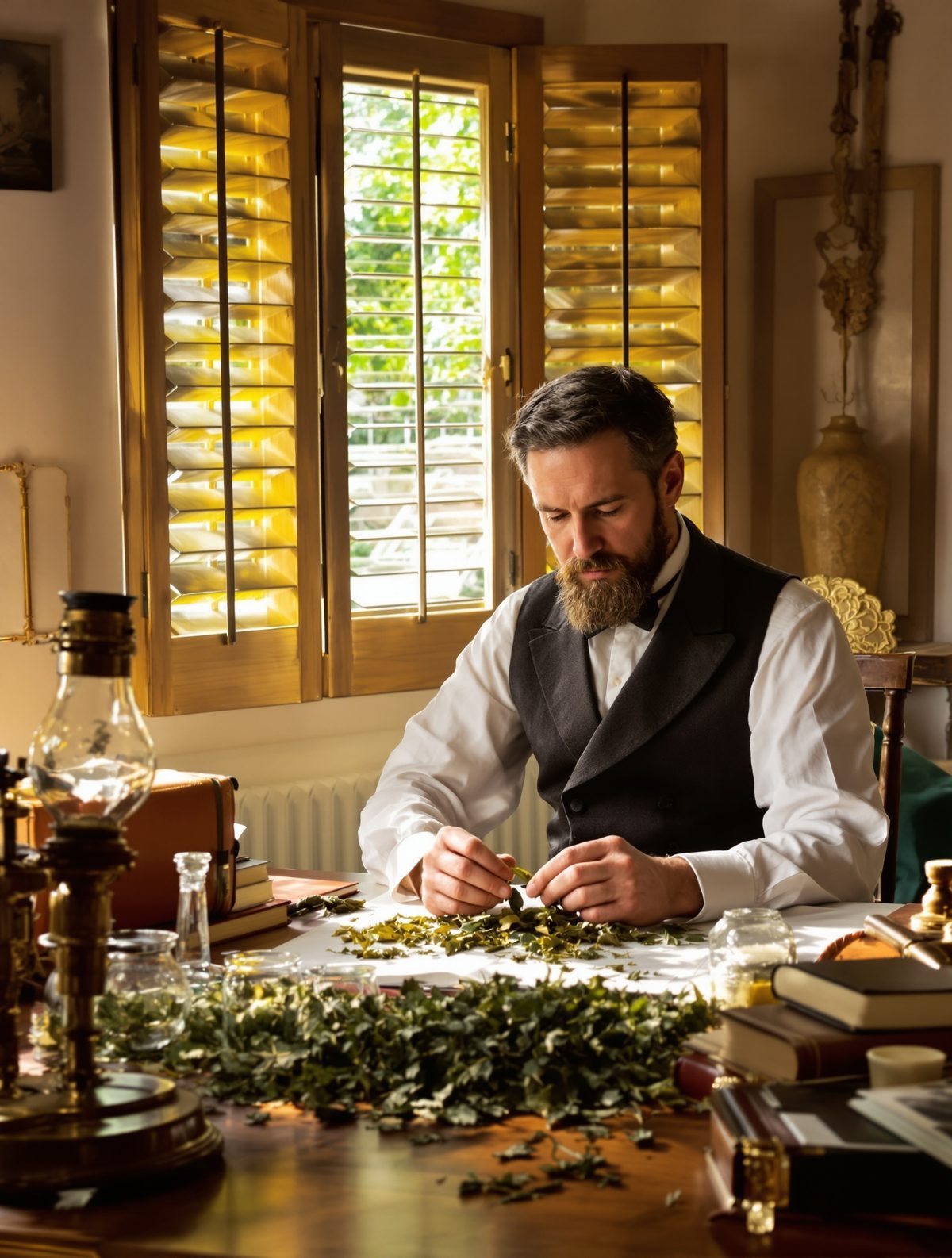
Young Irish doctor arrives in Calcutta. Tests forbidden cannabis on himself. Discovers miracle painkiller. Returns to London with wonder drug. Changes medicine forever.
An African girl saved from slavery became Queen Victoria's goddaughter. She learned piano. Spoke perfect English. Dined at Windsor Castle. Victorian England's most extraordinary success story.
Mary Carpenter walked into Bristol's worst slums in 1846. Street children attacked her with stones and curses. She opened Britain's first 'ragged school' anyway. Within five years she had rescued 2,000 forgotten souls.
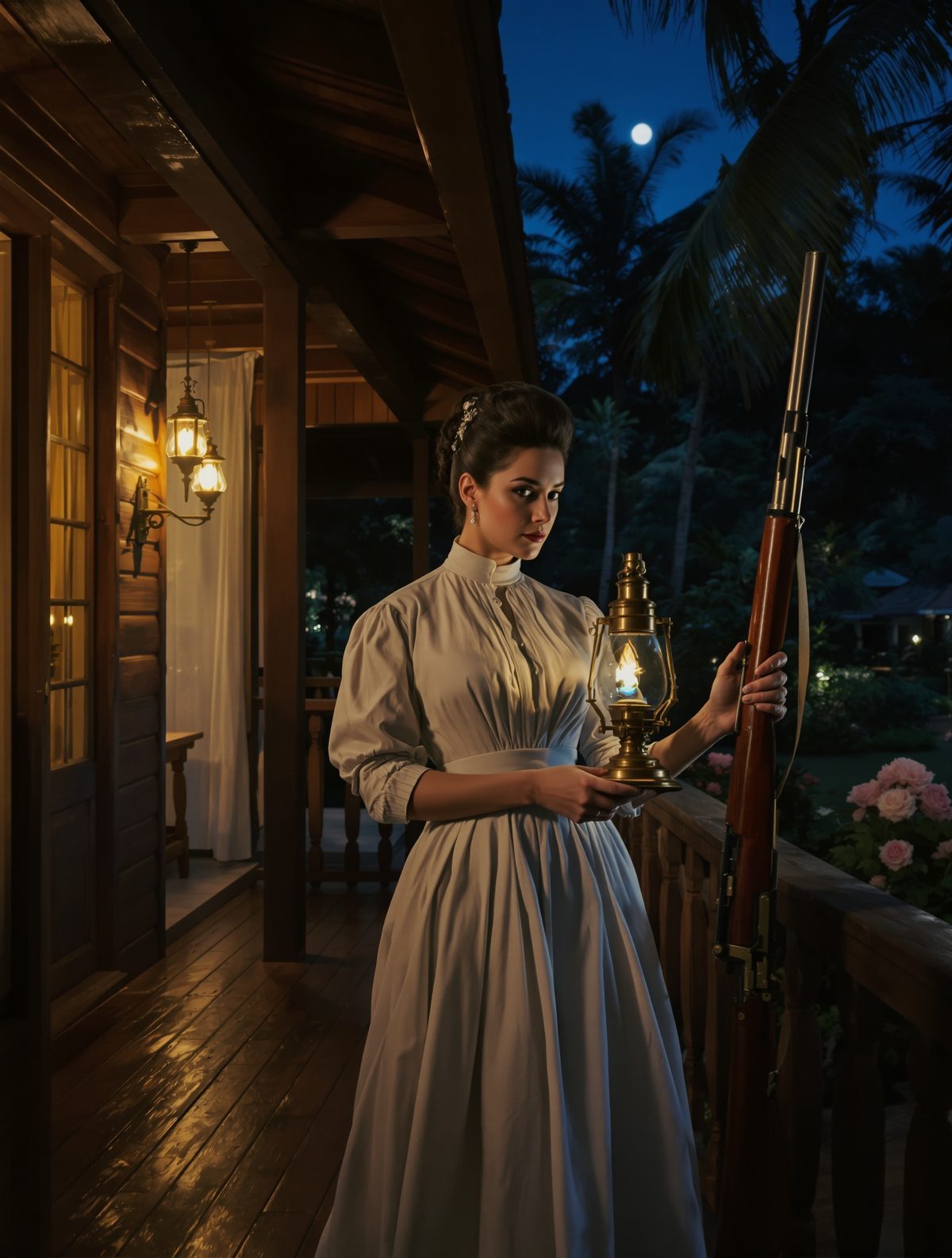
Emily Innes planted roses in the Malayan jungle. Tigers prowled her garden nightly. Three times they charged her veranda. Three times she stood her ground with just a oil lamp and her husband's hunting rifle.
In 1866, Mary Carpenter arrived in Bombay to find thousands of children living on the streets. The 63-year-old educator opened India's first reformatory school. She taught reading and carpentry to boys who had never seen a book.
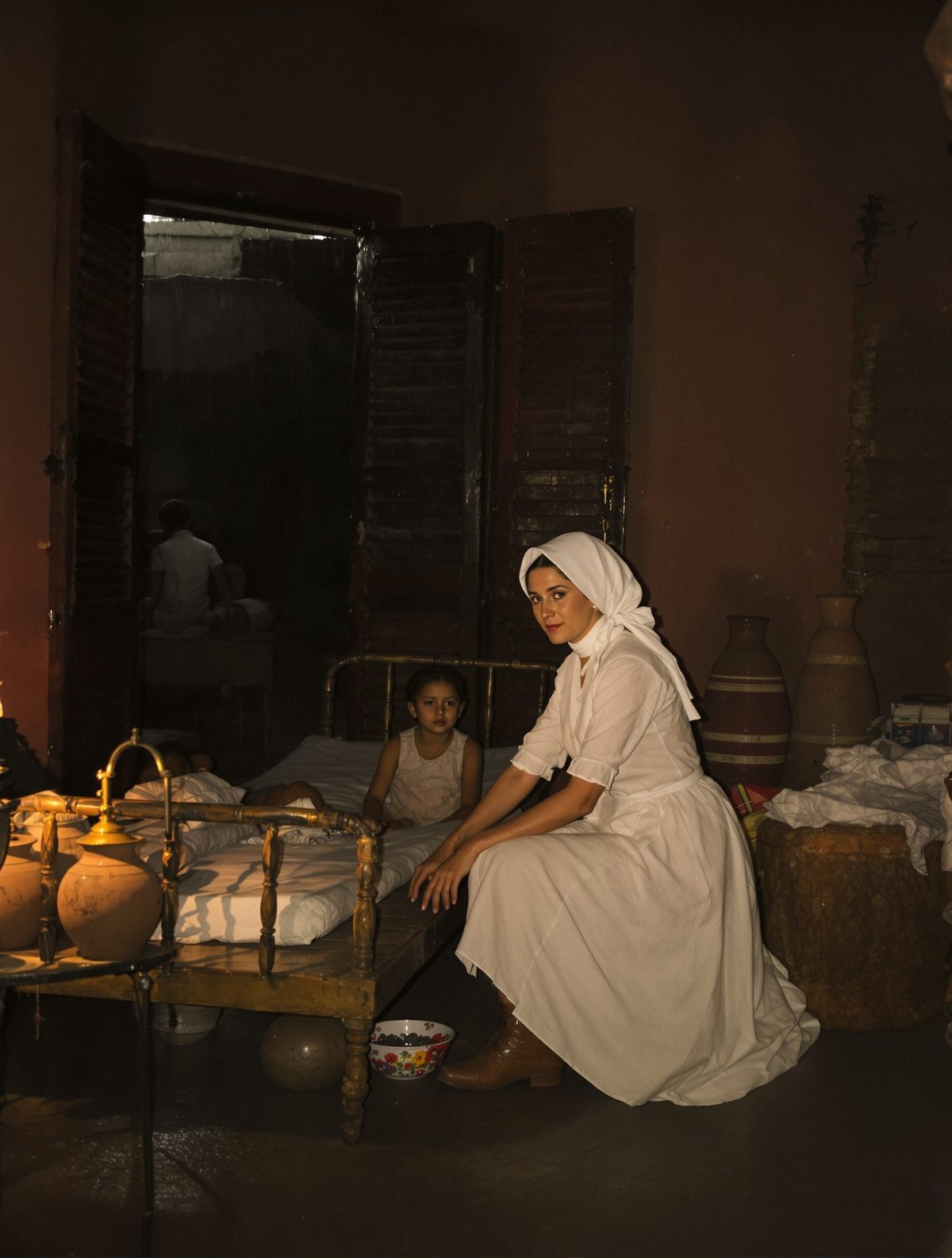
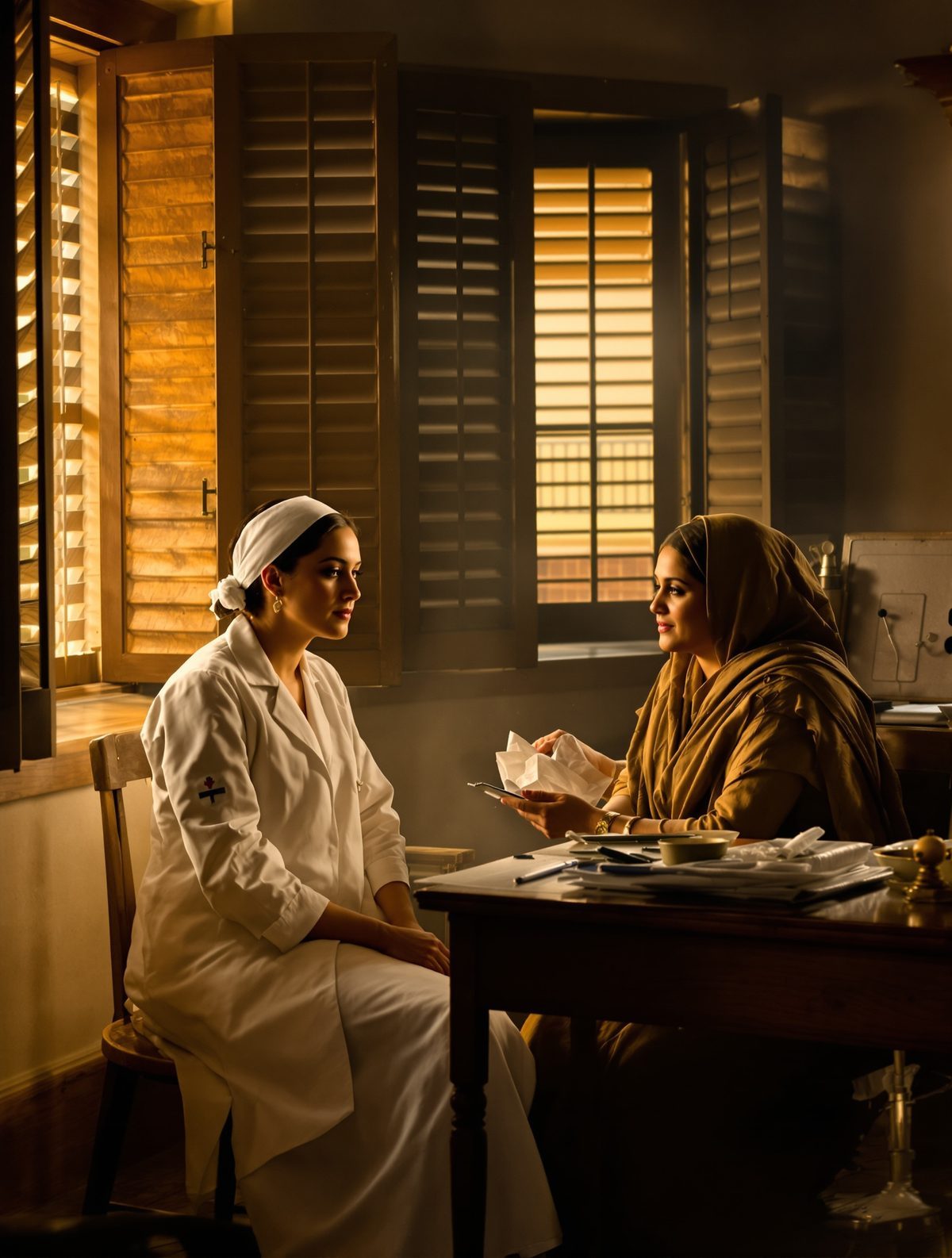
Dr. Margaret Balfour arrived in India in 1922 as Britain's first qualified female obstetrician. Muslim women in purdah were dying in childbirth because male doctors couldn't examine them. She delivered over 3,000 babies. Saved countless mothers.
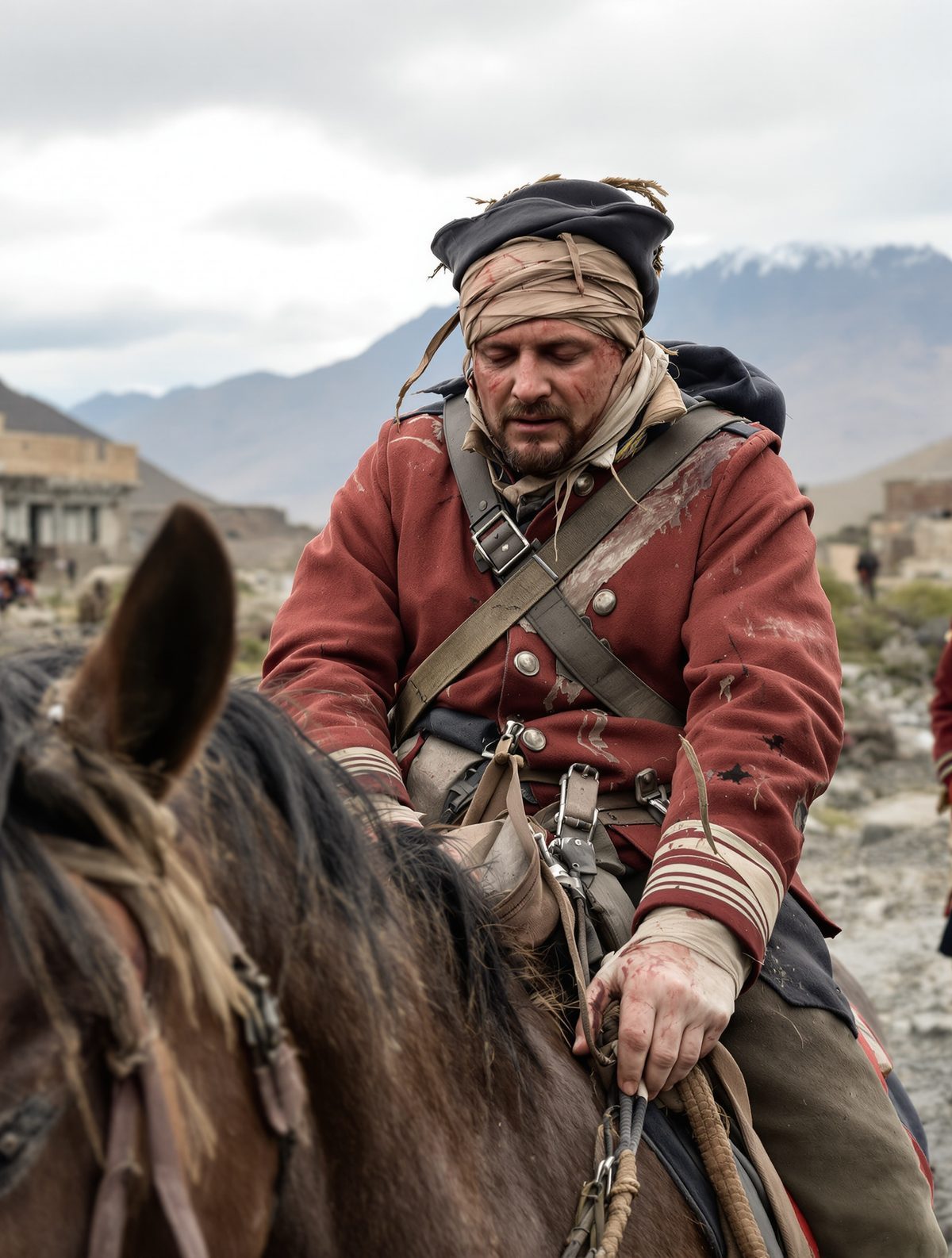
16,000 British soldiers marched into Afghanistan. Only one came back. Dr. William Brydon stumbled through Jalalabad's gates on a dying pony. His head wrapped in bloody bandages. The sole survivor of Britain's greatest military disaster.
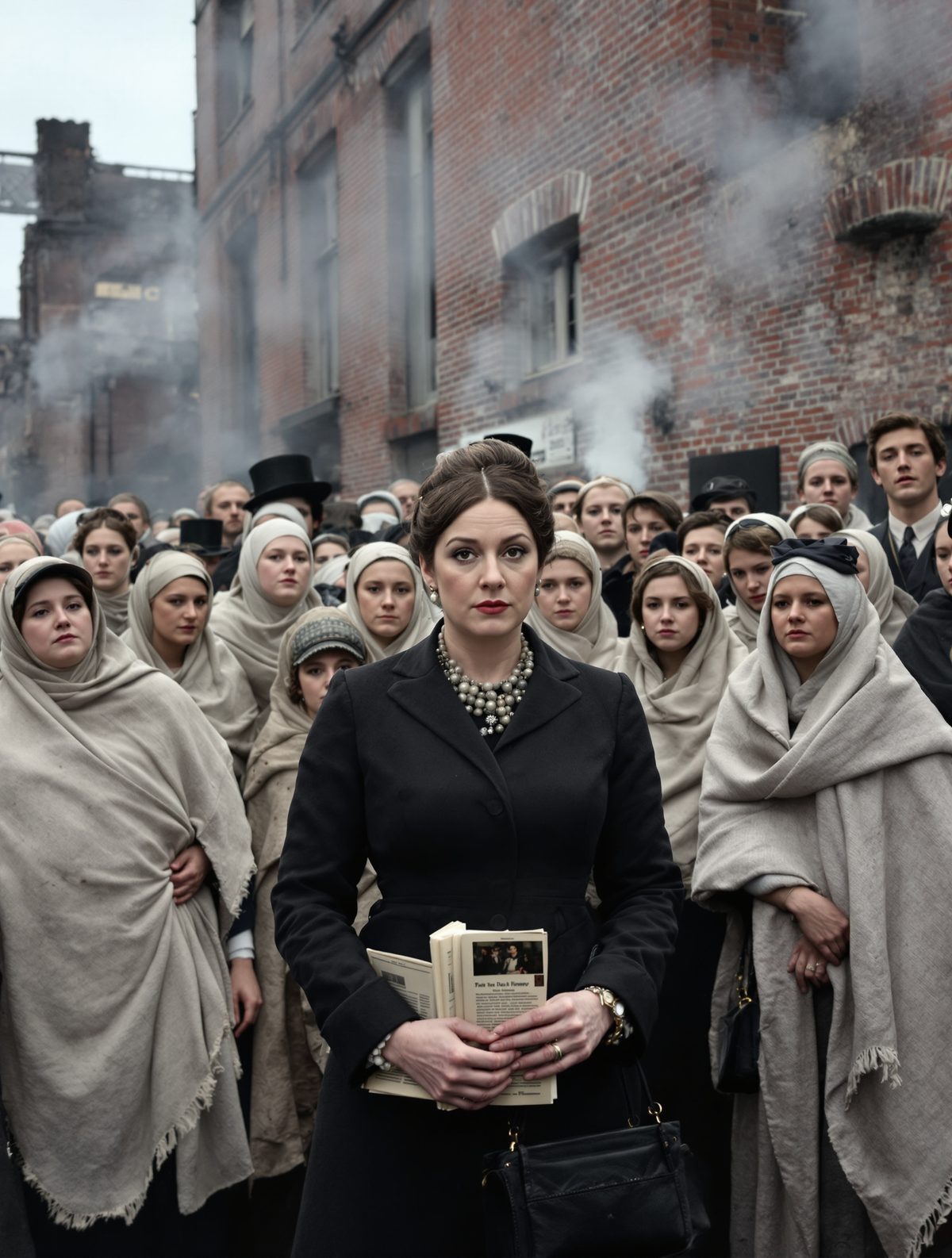
In 1888, teenage girls making matches for threepence a day were dying from 'phossy jaw.' Their phosphorus-rotted faces horrified London. When Annie Besant wrote one article, 1,400 girls walked out. They stayed out for two weeks. They won.
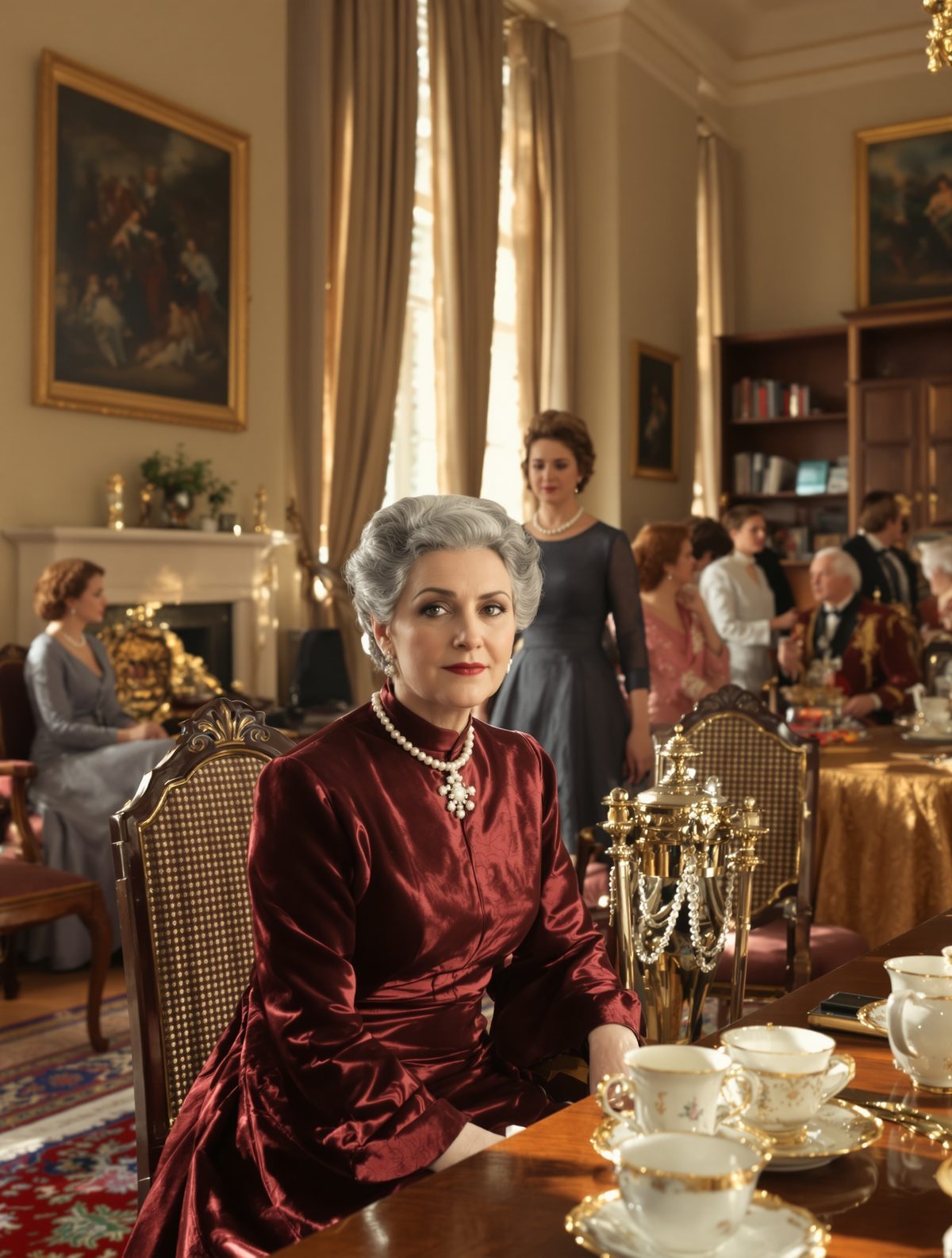
Every Tuesday afternoon, respectable ladies gathered for tea and cake in Millicent Fawcett's London drawing room. Their husbands thought they discussed fashion and gossip. They were planning the campaign that would win British women the vote.
1891. English nurse Kate Marsden heard of a herb in deepest Siberia that could cure leprosy. She sledged 2,000 miles through frozen wilderness. Found 100 forgotten lepers living in caves. Built Russia's first leper hospital with her own hands.
Fanny Parkes arrived in Calcutta as a young bride in 1822. She spent the next 24 years traveling every corner of India. From tiger hunts to harem visits. She recorded it all in her scandalous memoirs.
While Florence Nightingale nursed in Scutari, Mary Seacole built her own hospital-hotel near the front lines. She rode out during battles to treat wounded soldiers where they fell. The British Hotel became legendary among the troops.
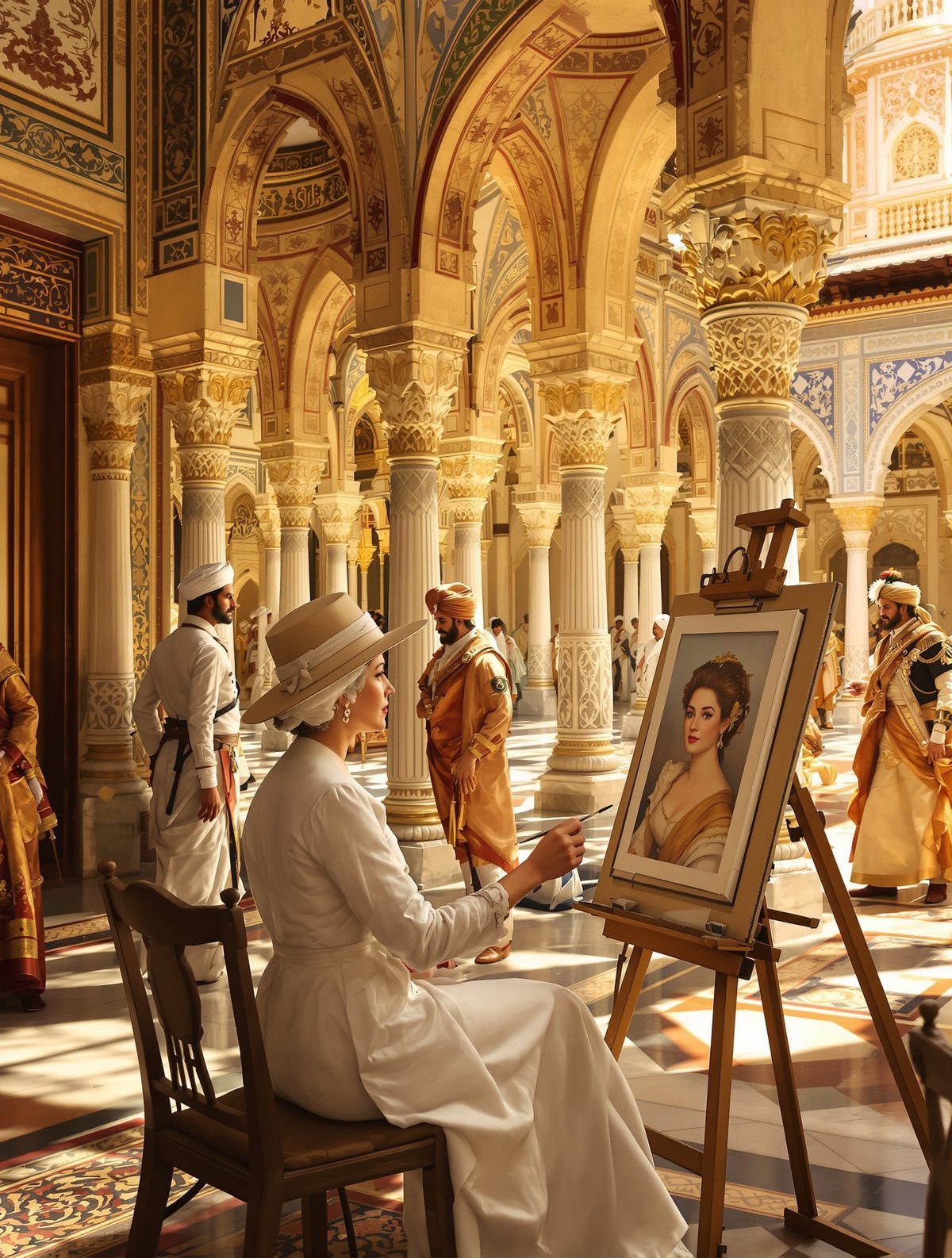
Emily Eden arrived in India as the Governor-General's sister. She expected to paint English gardens and country houses. Instead she became the only British woman to witness the dying Mughal Empire. Her watercolors captured a world about to vanish forever.
Lady Sale was 50 when Afghan rebels besieged Kabul in 1841. While British forces panicked, she calmly packed her sketching materials. Through nine months of captivity and forced marches, she never stopped drawing. Her secret diary became the only firsthand account of Britain's greatest military disaster.
Hand-picked from Britain Untold's archive. The stories you weren't taught at school. 3-minute read.
No spam. Unsubscribe in one click. We hate spam too. Privacy Policy.