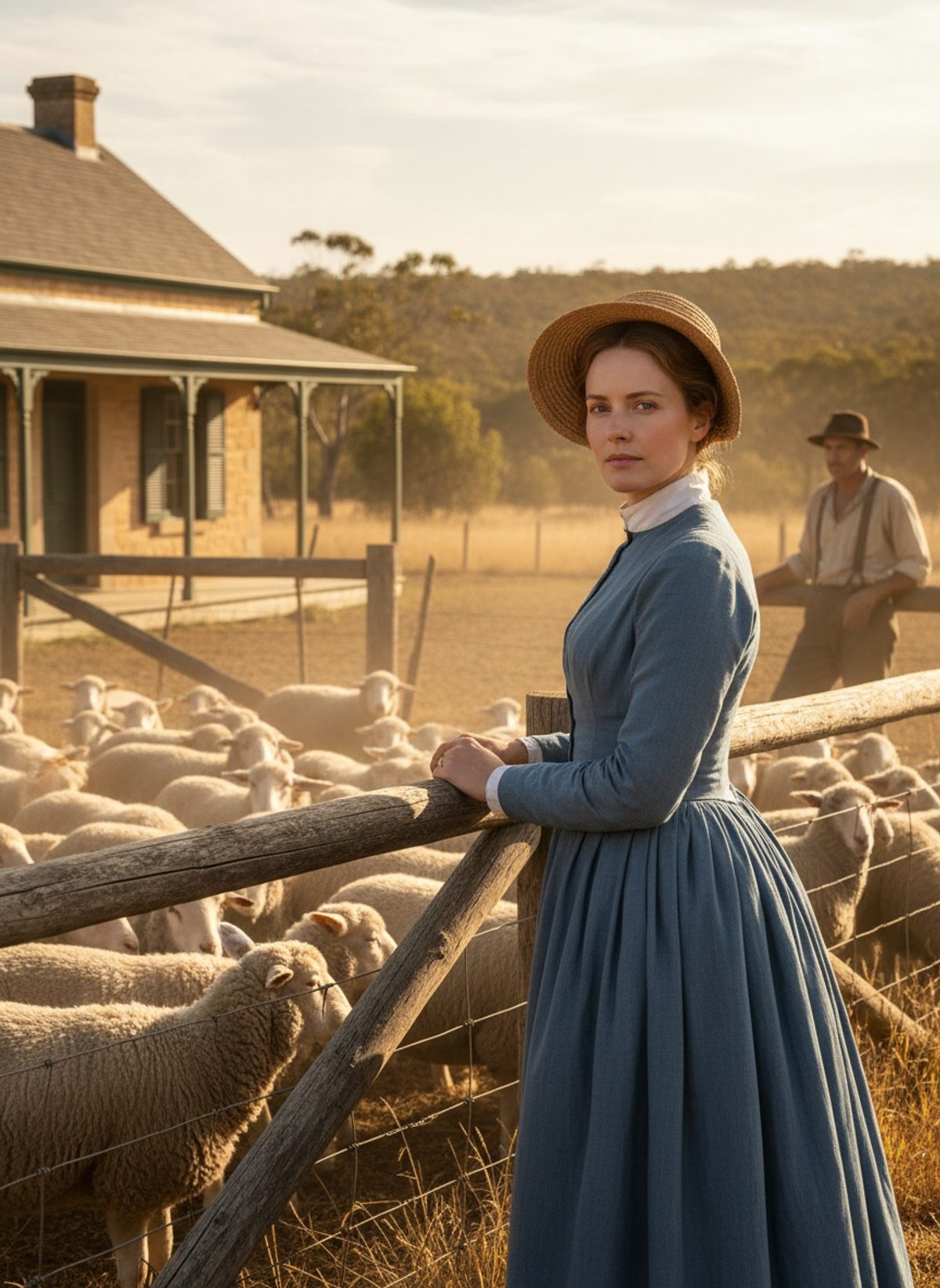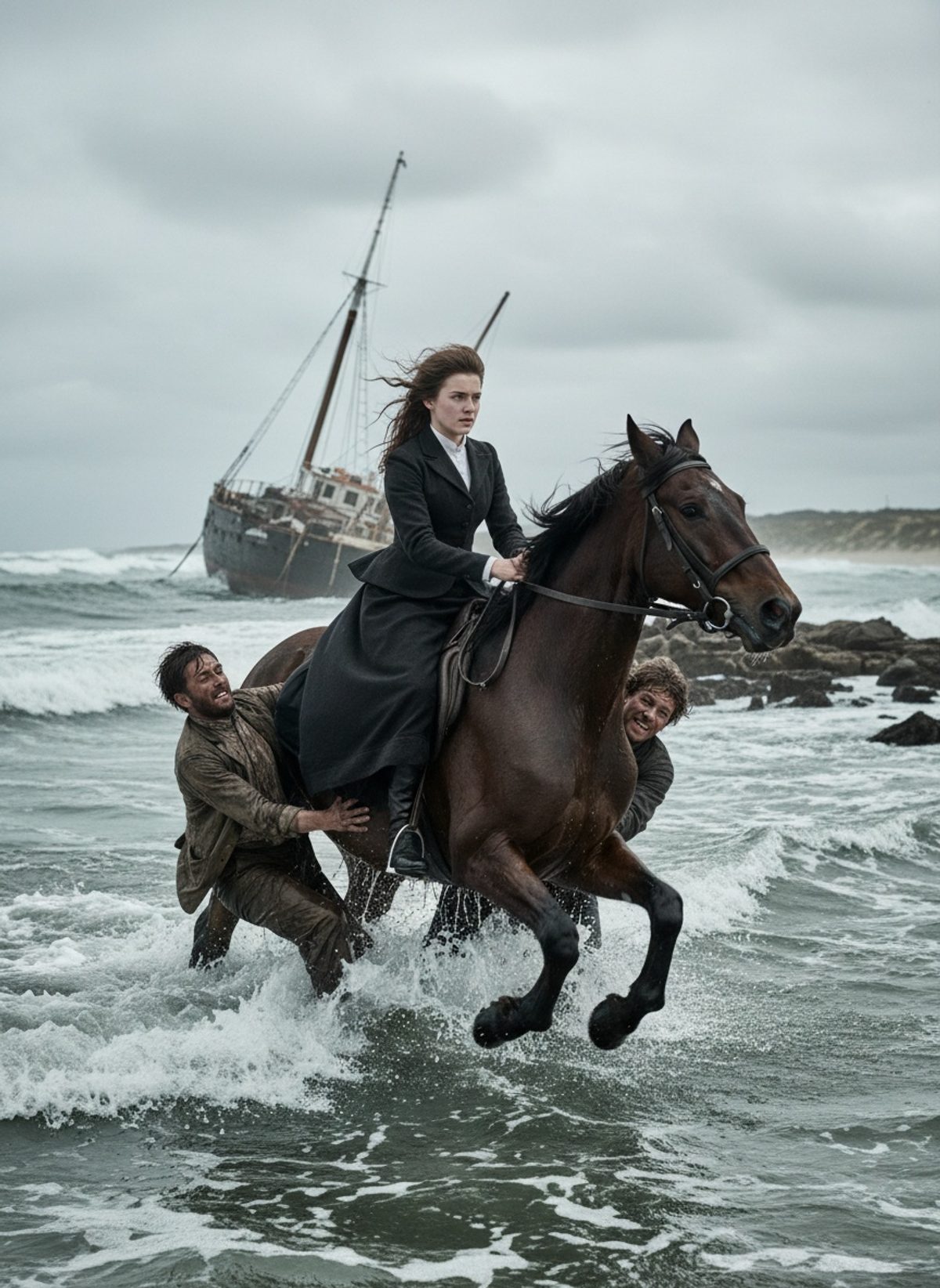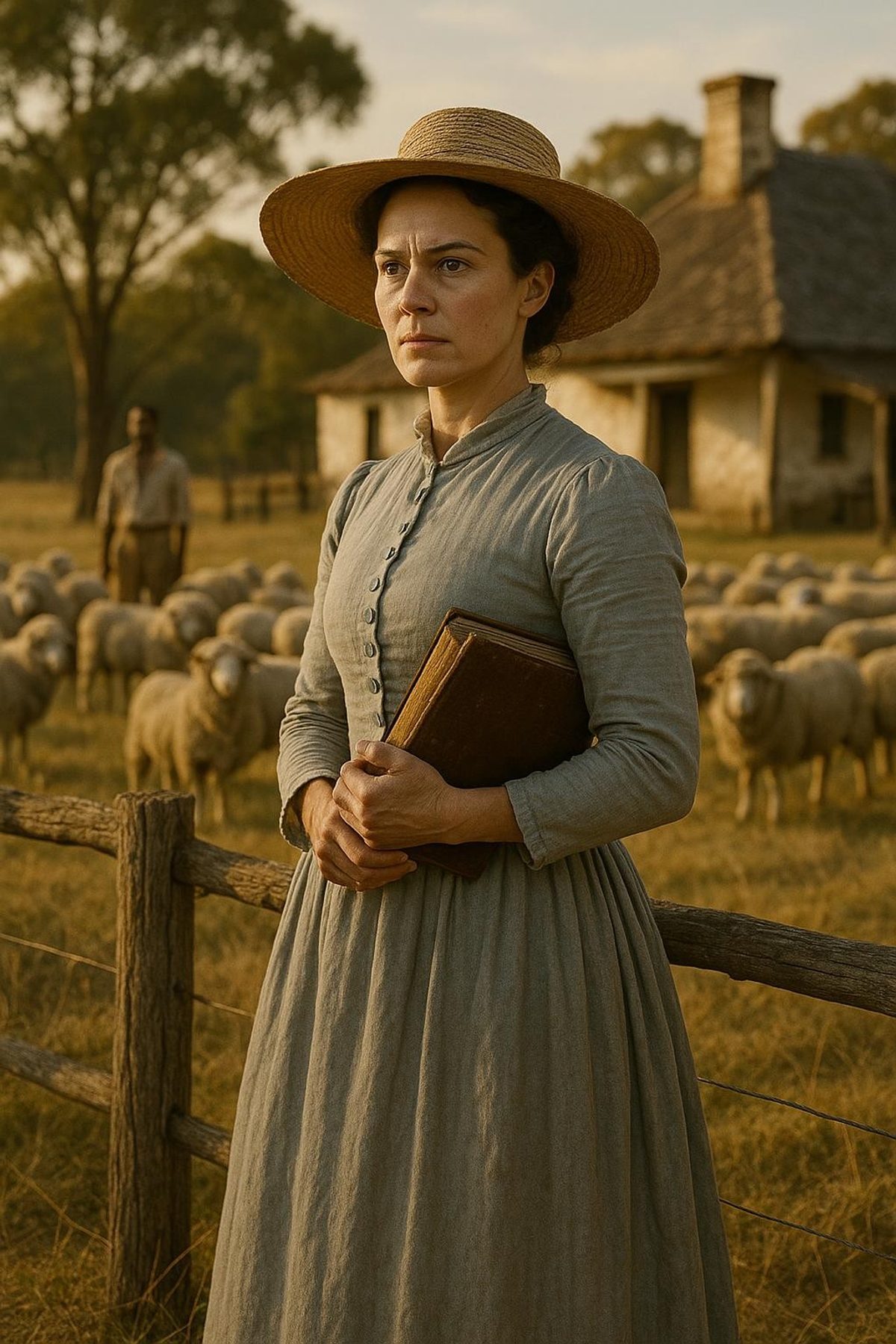
He was a dreamer, yet he had never planted a seed nor raised so much as a tent. Edward Wakefield, the architect of an expedition destined for the other side of the globe, had imagined an England reborn amidst New Zealand's untouched landscape.
The Visionary Born of the Time
Edward Wakefield was a peculiar kind of visionary. Living in an era where the industrial soot of England's cities could choke a man's dreams, Wakefield conjured the ultimate solution to burgeoning urban poverty. His plan was radical, perhaps even audacious to his contemporaries—a colony untainted by the shackles of penal servitude, where free settlers could cultivate an egalitarian paradise from the wilderness.
In 1840, powered by a vision that resonated with the distressed and disillusioned, eight ships set sail from Britain's shores. Aboard these vessels were 1,200 souls, each swayed by Wakefield's promise of an England without poverty, waiting across a vast and perilous ocean. They journeyed under the auspices of the New Zealand Company, an enterprise Wakefield effectively wielded as both a sword and shield. Yet, few knew Wakefield himself would never set foot in the land of his dreams.
With no imperial military backing, no trained engineers, and woefully inadequate provisions for their voyage, these settlers faced formidable challenges. The very nature of their mission meshed European order with untamed nature. After a grueling journey spanning thousands of miles, they arrived at what was then known as Port Nicholson. Few were prepared for the reality: a harbor kissed by wild storms, fringed with dense forests that surrendered nothing without a fight.
Read next: When John Batman Shook Hands at Port Phillip, 1835
Facing the Elements
The settlers stepped upon a land brimming with promise yet steeped in hardship. Wellington Harbour may have offered a picturesque haven promised by Wakefield's glowing words, but the dreamers soon discovered a place bent by the wind and rain. Lush and beautiful, yes, but also untamed and relentless.
The settlers, many of whom came from the heart of England, found their skills ill-suited to the demands of nature’s raw edge. Carpentry, smithing, or even simple agriculture required adaptation. What was an orderly hedgerow in Sussex meant a back-breaking clearing of bush and tree here. This was no pastoral countryside; it was a terrain that whispered reminders of its fierce autonomy.
Strangers to this new environment, the settlers had to build not only homes but also infrastructure from scratch. The first few years would see rudimentary huts transform into structures of brick and timber, pieced together through ingenuity and necessity. Still, the pangs of disillusionment hovered as a palpable specter. Here were stories of plagues and shortages, shantytowns and communal cookfires, as ambitious dreams collided with brute reality.
Yet, among these pioneers, resolve hardened amid adversity. Shared hardship often compelled cooperation and forged communities. They devised their own governance, clumsy at first, resilient with time. A strange alchemy began taking hold as aspirations fused with adaptability. An English colony was arising from the Pacific's rocky soils, where none had existed before.
A Nation Emerges
Against this backdrop of trials, something remarkable occurred. By enduring the wild elements and finding unity in diversity, these settlers were subtly shaping the essence of a nation. From this crucible emerged a blend reflecting the merging of old-world practices with new-world resilience. It was in this frontier's crucible that the concept of New Zealand as a nation began to crystallize.
The settlers drew inspiration from the indigenous Maori, whose resilience and tenacity colored their own attitudes toward the land. They learned gardening techniques and methods that respected natural patterns, acknowledging the wisdom of those who had long called this place home. At times, these relations were tense, but they were also exchanges pregnant with understanding and respect.
Brick by relentless brick, slat by weary slat, the settlers’ toil transformed Wakefield's ethereal vision into a palpable reality. Flourishing farms and burgeoning towns came to life, threading links to a nascent nation's future. Through determination and hardiness, their tapestry of human experiences began to draft the first chapters of a story still unfolding today.
Theirs is a narrative of resilience and creation, one often overshadowed by more celebrated colonial exploits. But it remains essential, a veritable legend tucked within the folds of history's grand tale. Their toil represents more than heroic endurance—it reflects a labor of hope and promise, the belief in a new dawn beyond the seas. As we read their story today, we must pause to admire the human spirit's capacity to imagine, strive, and triumph, even amidst the unknown's formidable shadows.