Most people have never heard of Grace Bussell. They should have.
The Shipwreck of the Georgette
The year was 1876, and the Georgette, a passenger ship, was battling against the moody waves off the coast of Western Australia. This time period marked an era when the ocean was as treacherous as it was essential to the transportation of goods and people across vast distances. The Georgette, with its hull pressing through turbulent waters, struck disaster off the coast. Caught in the maw of relentless waves, the vessel foundered, leaving over fifty souls at the mercy of a harsh sea. Such wrecks were all too common for the colonists and settlers in Victorian-era Australia, where vast distances and remote locations meant that safety was always an elusive promise.
To the passengers aboard the ill-fated ship, hope must have seemed like a fleeting illusion, washing away with each chilly wave. Yet, on the distant shore stood a figure willing to defy the boundaries of fear and uncertainty—a sixteen-year-old girl named Grace Bussell.
The Girl and Her Horse
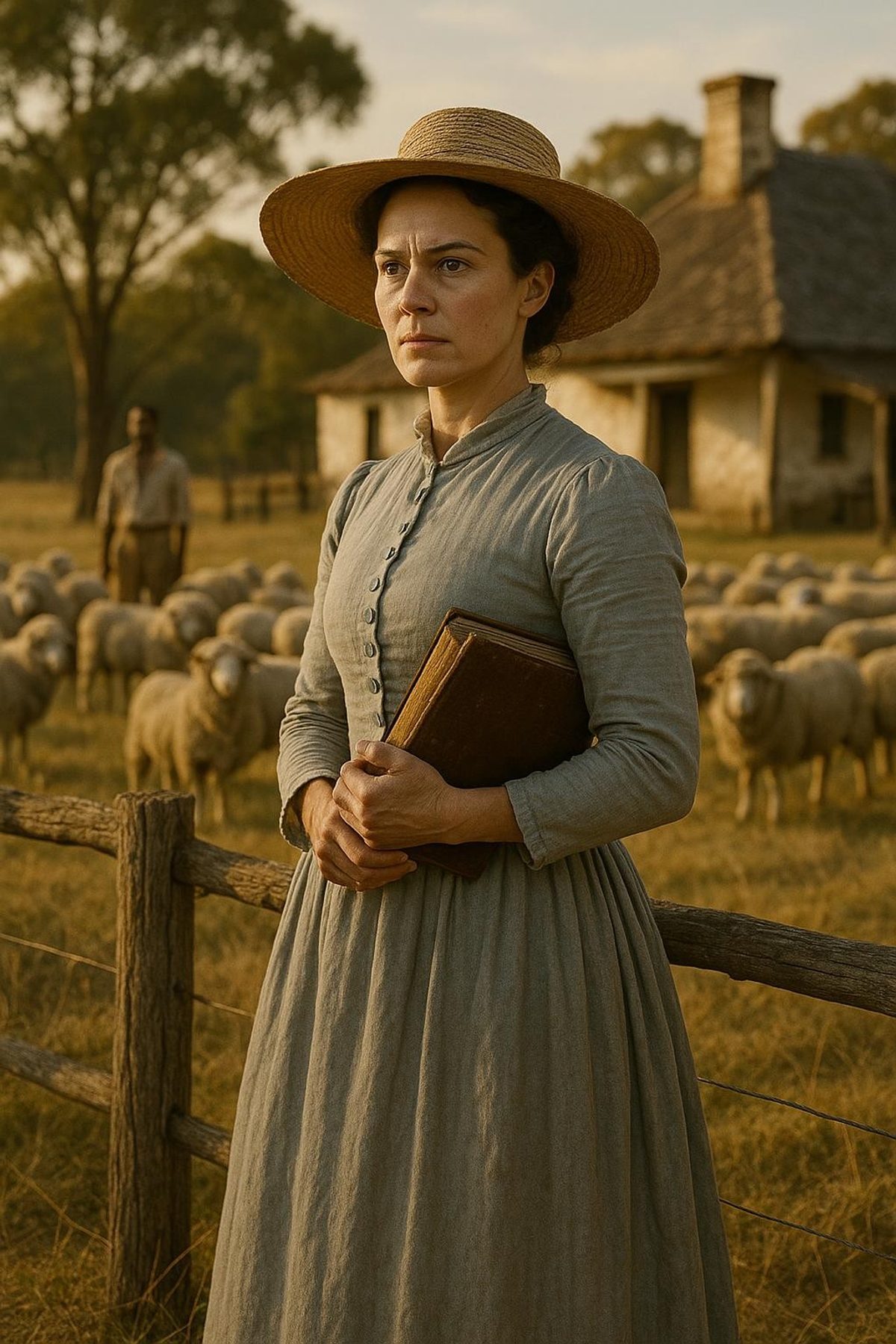
Grace Bussell lived on a remote homestead that surveyed the vast sweep of the Western Australian coastline. Life in colonial settlements during the Victorian era was demanding, requiring resilience and resourcefulness to thrive in isolation. Grace, despite her tender age, embodied these qualities. When the Georgette struck the rocks and began to sink, Grace and her family learned of the catastrophe through the natural communication network of the land—the human network of settlers and the indigenous communities they were beginning to know.
Read next: When John Macarthur's Son Planted the First Vineyard, 1827
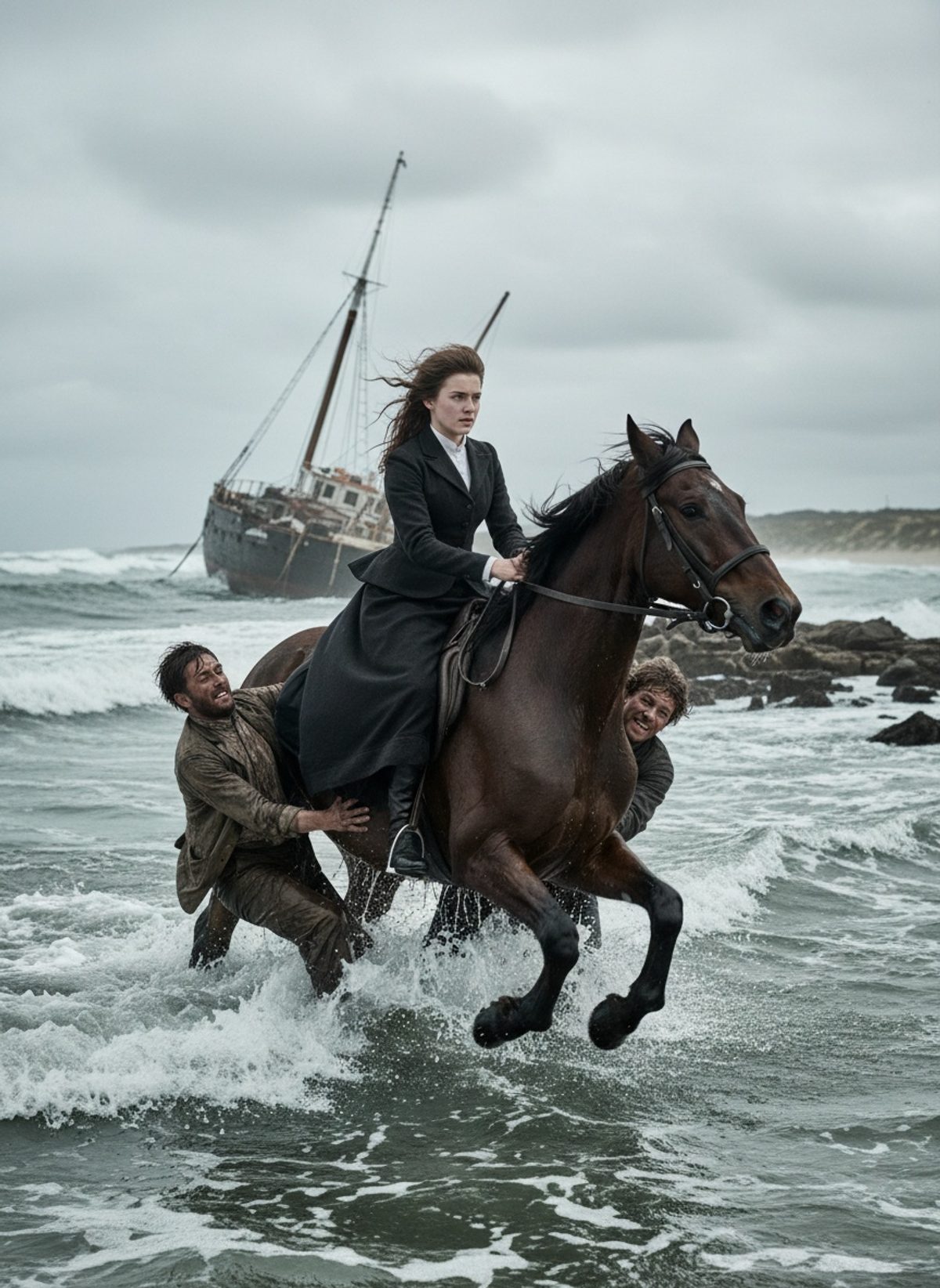
Riding alongside an Aboriginal stockman named Sam Isaacs, whose unheralded bravery was integral to the rescue, Grace charged into the surf. The scene was pure chaos—waves pillar-like, collapsing upon themselves, determined to drag whatever they could back out into the abyss. Yet, on horseback, Grace pushed between the crashing crests to reach the beleaguered passengers. Her heart pounding in tandem with her steed’s hooves, she navigated the turbulent water, lifting survivor after survivor from near drowning.
Grace's horse, as much a hero as its rider, became a lifeline, transforming from a simple farm creature into a vessel of salvation. Together, they braved the surf multiple times, each rescue run a testament to the determination pulsing in a sixteen-year-old's heart—a lifebuoy thrown against the tides of fate.
A Community of Heroes
While Grace Bussell became the face of courage, it is vital to recognize the collective effort that turned a tale of tragedy into one of resilience and camaraderie. The colonial community and the indigenous people offered support, with Sam Isaacs being a pivotal figure whose efforts paralleled Grace’s. His role in aiding the passengers was paramount, showcasing a spirit of collaboration that transcended the racial boundaries often imposed in colonial Australia.
Beyond the direct efforts in the surf, once ashore, the settlers and indigenous inhabitants delivered vital assistance to the survivors, providing warmth and treating injuries with whatever limited resources they had. This spontaneous coalition of helpers highlights an often-overlooked aspect of colonial life: in the face of adversity, diverse communities were capable of uniting with a singular focus on humanity.
The settler and indigenous alliance underscores the multi-faceted dimension of Australian history—an intricately woven narrative where stories of cooperation exist amid colonial challenges. Through these actions, a small corner of Western Australia bore witness to an extraordinary exhibition of collective valor.
The Enduring Legend of Grace Bussell
The story of Grace Bussell does not end in the chilly surf with survivors securely transported ashore. It extends into the annals of history, weaving a narrative that invites reflection and inspiration. Dubbed the "Grace Darling of the West," after the famed English heroine of a similar maritime rescue, Grace's actions became emblematic of the courage and fortitude that characterized the pioneer spirit.
Her legacy echoes the notion that age and experience are secondary to the strength of character and conviction. Grace Bussell's act of bravery resonates as an extraordinary example of youthful incisiveness defeating a maritime nemesis that had claimed countless lives before. Her horse, a trusted partner in this defiance, represents the integral bond between humans and animals in the colonial era—a relationship based on mutual respect and interdependence.
In a world where the names of bold figures can sometimes be overshadowed by grander narratives, Grace Bussell and her remarkable deed remind us that bravery can emerge from the most unexpected places. Her story, almost lost to the tides of time, surfaces to challenge our perceptions of history. It serves as a poignant reminder that in our collective past lie hidden gems illuminating ordinary individuals who performed extraordinary acts, urging us to share these legends they left out of the textbooks.