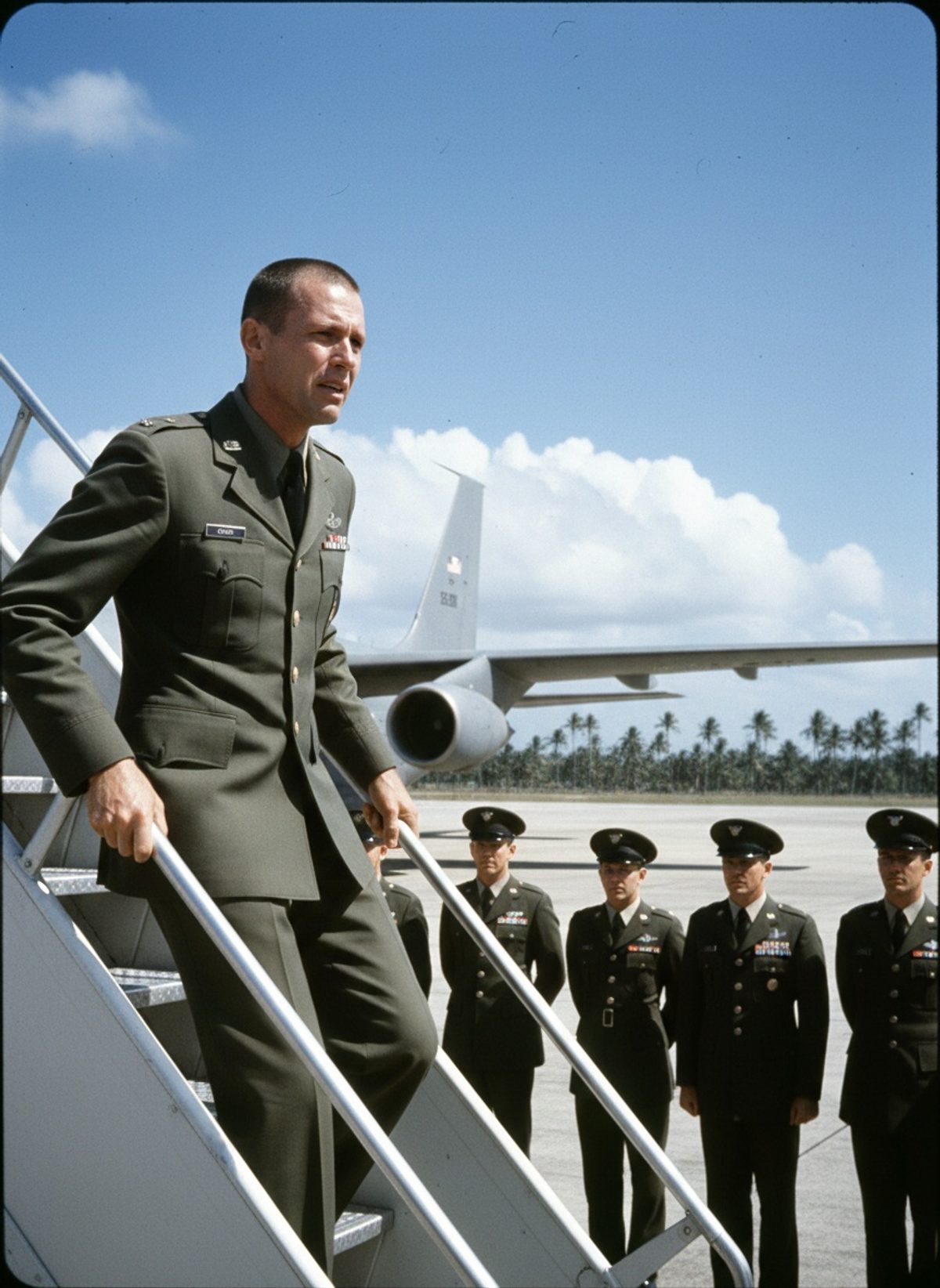
February 12, 1973. The airfield at Gia Lam Airport was cold with an edge of uncertainty as heavy clouds loomed above. A metallic bird known as the C-141A "Hanoi Taxi" prepared for its poignant mission — beginning the first chapter of Operation Homecoming.
The Diplomatic Prelude
At the heart of Paris, a fragile peace was inked into history. On January 27, 1973, representatives of the United States and North Vietnam reached a landmark ceasefire after years of bitter conflict. For the families of missing soldiers, this was an ember of hope: the agreement promised the release of American prisoners of war (POWs) within 60 days. This clause ignited Operation Homecoming, a plan as complex as it was compassionate.
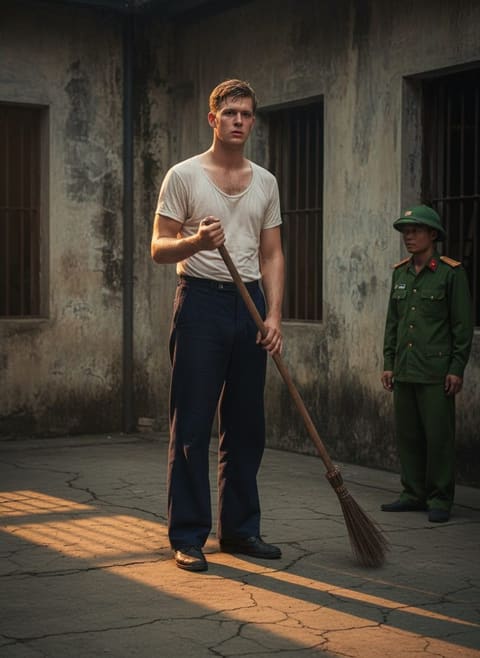
Henry Kissinger, then Assistant to President Richard Nixon for National Security Affairs, had steered the negotiations. The terms laid a path out of Vietnam for American military forces and their imprisoned countrymen. Yet, this diplomatic dance was fraught with challenges, requiring meticulous orchestration to ensure the safe return of nearly 600 Americans held in North Vietnamese camps, stretching from the dense jungles of Laos to the hard confines of the infamous Hanoi Hilton.
From Captivity to Clark Air Base
The operation commenced on February 12, with three C-141 aircraft soaring into North Vietnamese airspace, destined for Hanoi. Onboard the "Hanoi Taxi," 40 souls prepared to taste freedom once again, veterans of captivity that began as early as 1965. This aircraft’s voyage was more than a logistical feat; it was a testament to their endurance.
Read next: When British Troops Waded Ashore at Bougie, November 1942
From February 12 to April 4, a total of 54 missions unfolded, winging the ex-prisoners back to allied soil. Clark Air Base in the Philippines became the stage for their first steps on friendly land. There, they were greeted not only with relief but also with scrutiny. Doctors and psychologists marveled at their resilience, noting the psychological fortitude many exhibited despite harrowing years of imprisonment.
The U.S. Air Force bore the most frequent witness to these returns, with 325 former POWs among their ranks. Bomber pilots shot down in the throes of conflict formed a substantial part of the liberation. Each creak of the plane’s doors opening, each chant of freedom-filling lungs, seemed to edge the world a sliver closer to healing.
Faces and Stories that Emerged
The names of those who walked from captivity carried weight, both in personal narratives and future legacies. Among them, Lieutenant Commander John McCain, who would later serve as a U.S. Senator and presidential hopeful, embodied resilience. Captured in 1967 following a fateful flight over Hanoi, he emerged physically marked but spiritually unbroken.
James Stockdale, another notable returnee and a future vice-presidential candidate, was emblematic of the stoicism that sustained so many. Stockdale’s leadership amid despair, chronicled by his refusal to crack under torture, underscored the profound camaraderie that bound these men.
Despite facing different war-induced fates, soldiers, sailors, marines, and even civilian contractors filled the manifest. They reunited not only with family but with an evolving America that had, while supportive, grown restless and weary through televised footage of an interminable war.
Read next: She Dialed Home. The Line Kept Ringing.
The Climax of Return
The final days of March saw the last POWs released, ensuring a total of 591 men walked free. As the "Kissinger Twenty" — the final group — boarded C-141, their return ceremonially closed a grim chapter punctuated by absent fathers, brothers, and sons.
Even Laos and China, tangential theaters of the Vietnam War, saw the yield of captives. A trio of POWs huddled on the outskirts of diplomatic negotiations in Hong Kong, materializing as symbols of a broader geopolitical chessboard. These were American citizens who transcended mere nationality to become heralds of human endurance.
Why It Matters
The skies over Vietnam in 1973 carried not only aircraft but also the indomitable spirit of prisoners who had endured the unimaginable. Operation Homecoming remains etched in history as a saga of resilience and the power of diplomacy to dismantle prison bars. Its narrative extends into arenas where human rights are questioned and forgotten warriors linger unidentified.
The return flights from Hanoi and beyond remind us that the pact society makes with those it sends to fight extends far past battlefield valor. It is a commitment to carry them home — no matter the challenges or cost. As the last airplane soared from Southeast Asian soil, it cast a shadow of promise, ensuring no captive is ever forsaken to distant memories or forgotten conflicts.