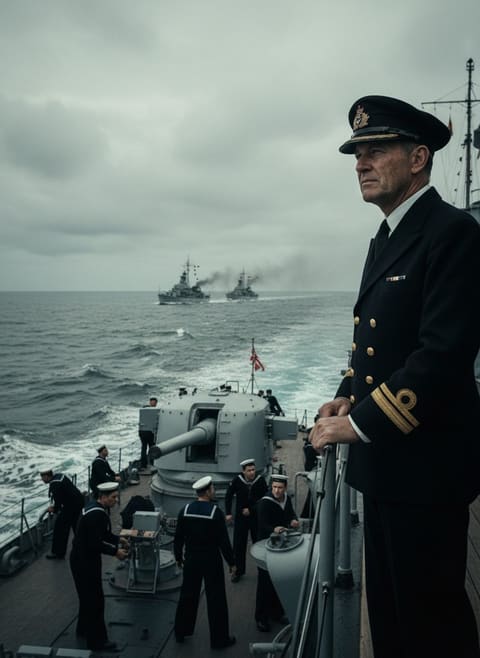
Operation Torch epitomized precision. Bougie, on the other hand, was a dangerous improvisation.
Embarking on an Unseen Front
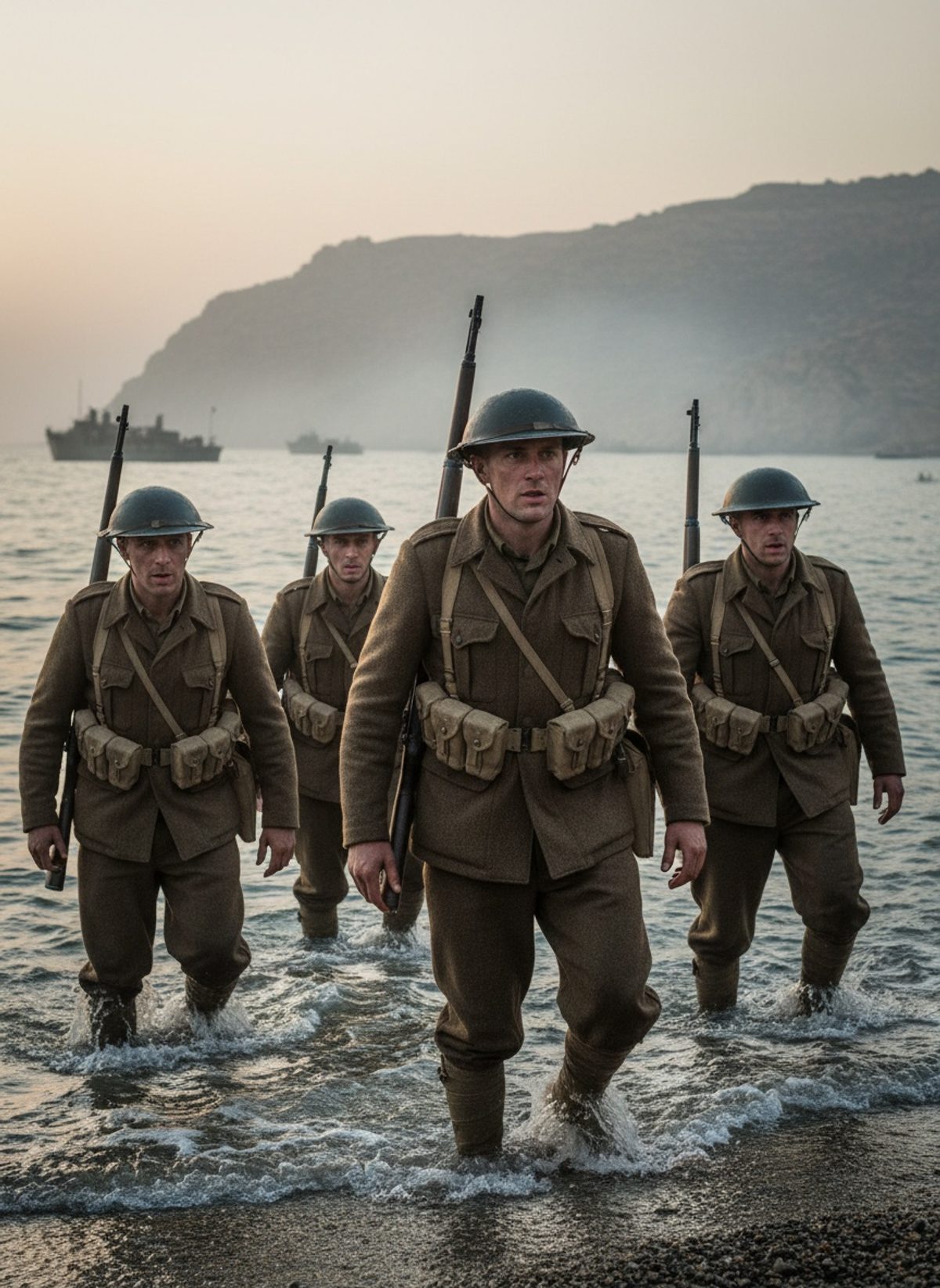
November 12, 1942. As the first light of dawn filtered through the Algerian fog, a lesser-known drama of World War II was unfolding on the beaches near Bougie. British forces, part of Operation Torch's extensive military maneuvers, were landing on an inhospitable shore, a hidden chapter in the colossal narrative of North Africa’s liberation.
Over 107,000 men had already descended upon North Africa, their footsteps setting a seismic shockwave across the region. Yet, at Bougie, these brave novitiates faced a different battle—a struggle against the elements as much as the enemy.
Bougie's natural obstacles were formidable: a jagged coast lacking a proper harbor, unpredictable waves threatening to capsize the fragile landing craft, and steep hills that encircled the beach like silent sentinels. With no docks in sight, the men splashed ashore, wet, cold, and vulnerable, attempting to establish a foothold in hostile territory. This forgotten landing would soon become fiercely real, with no textbook warning of what lay ahead.
Read next: When the Matilda Tank Rolled Out of Vulcan Foundry, 1937
Challenges in the Chaos
The operation at Bougie might seem minor compared to the grand scale of Torch, but its complexity lay in its specificity. Conceived as a secondary landing—an anvil to the main invasion’s hammer—it required immaculate coordination amid harsh conditions. The soldiers arrived not to a warm welcome but to a tumult of resistance from forces loyal to Vichy France, marking their first interaction with the enemy.
Survival, in that moment, meant improvisation. The meticulous planning that defined larger battles was absent, thrusting leadership and soldiers alike into adaptive tactics. During the initial phase, logistical support faltered; supplies intended to sustain the force foundered offshore, leaving troops scrounging for resources. With geography providing neither harbor nor advantage, the troops discovered their strengths through adversity, their every step entrenched in the history it was creating.
The Tide Turns
As the struggle for dominance continued, the experience hardened these imperial forces of Britain. It drilled in them an understanding that war was scripted as much by adaptation as strategy. Despite the sharp threat from Vichy gunfire, perseverance began to tilt the tide. Reinforcements arrived, easing the pressure on the beleaguered forces under constant threat from both man and nature.
Read next: When Singapore's Volunteers Drilled for a War Already Lost
The stakes climbing, the landing at Bougie caught broader command attention, serving as a live theater for testing combat readiness under unexpected pressure. Behind the melee unfolded stories of valor and trepidation, each minute stretching into a narrative of quiet resilience. Soldiers battled not just against their designated opponents but against uncertainty, transforming an obscure landing into a significant thrust within the broader African campaign.
A Legacy of Forgotten Courage
Long overshadowed by larger battles, Bougie’s landing remains unheralded in popular recollections of World War II. Yet, for those who fought on its shores, it was emblematic of the unpredictable valor that defined the era. Here, the raw essence of war was laid bare—not as grand strategy but as mere survival against nature’s tempest and human resistance.
The saga of Bougie serves as a reminder of the intricate lattice of small victories that scaffold history’s towering legacies. It’s a chapter bereft of textbook prominence, yet essential to understanding the vast, nuanced mosaic of World War II’s North African campaign. As historians piece together the narrative, Bougie beckons as a symbol of bravery tested beneath the radar under the weight of unheralded complexity.