Winter, 353 BCE. The city of Halicarnassus surrounded itself in whispered anticipation. The air was thick with the scent of incense and the distant sound of chisels, the very heartbeat of creativity in stone.
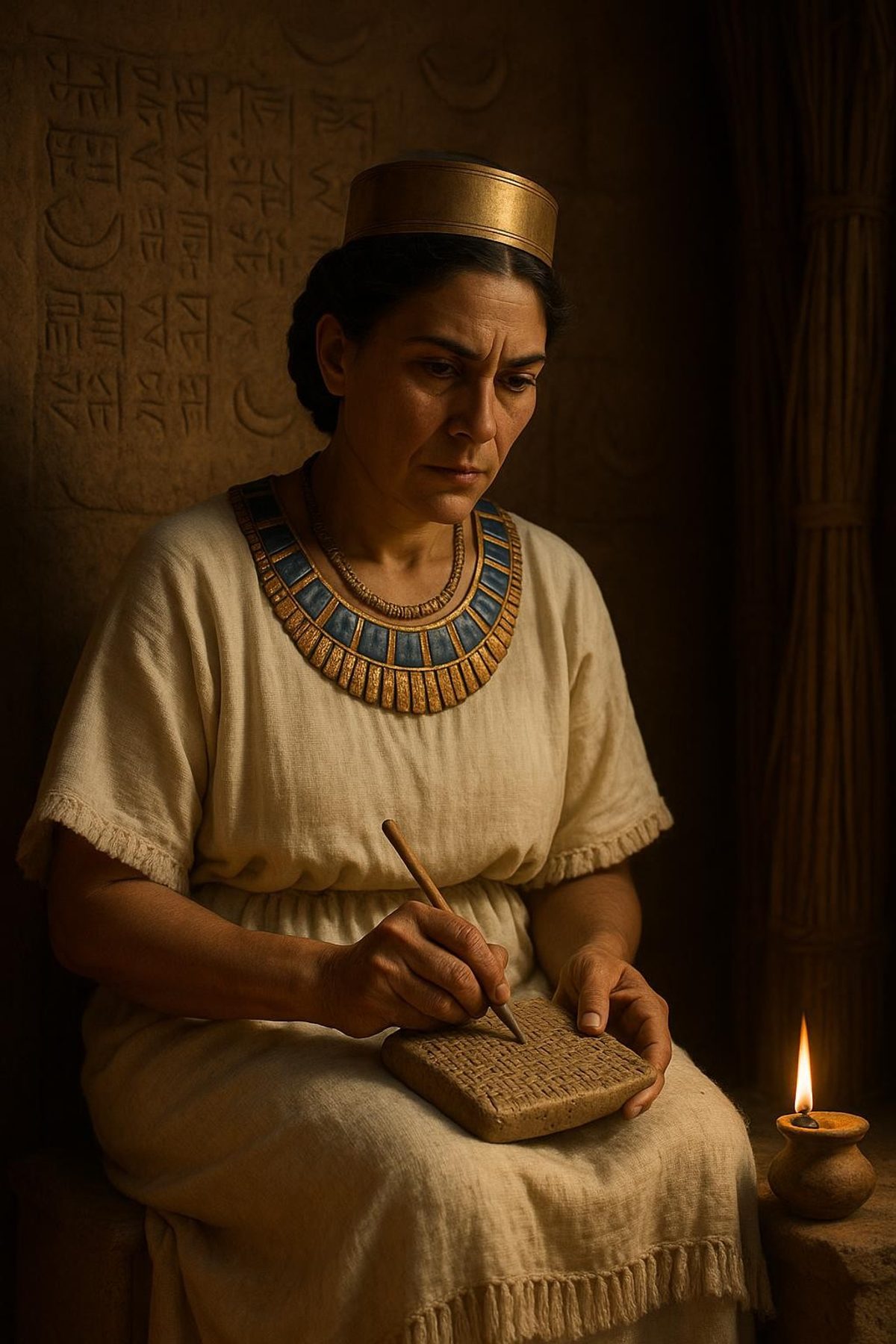
King Mausolus of Caria had departed this world, leaving behind a unique challenge for his queen, Artemisia. Not merely a beloved consort, she was an astute ruler and shared Mausolus’ passion for culture and innovation. Yet, she was not content to let time slowly erode the memory of her husband. Determined to immortalize his legacy, Artemisia envisioned a monument so splendid that the very earth would stand in reverence. Thus, emerged the grand project of Mausolus' tomb, destined to become one of the Seven Wonders of the Ancient World.
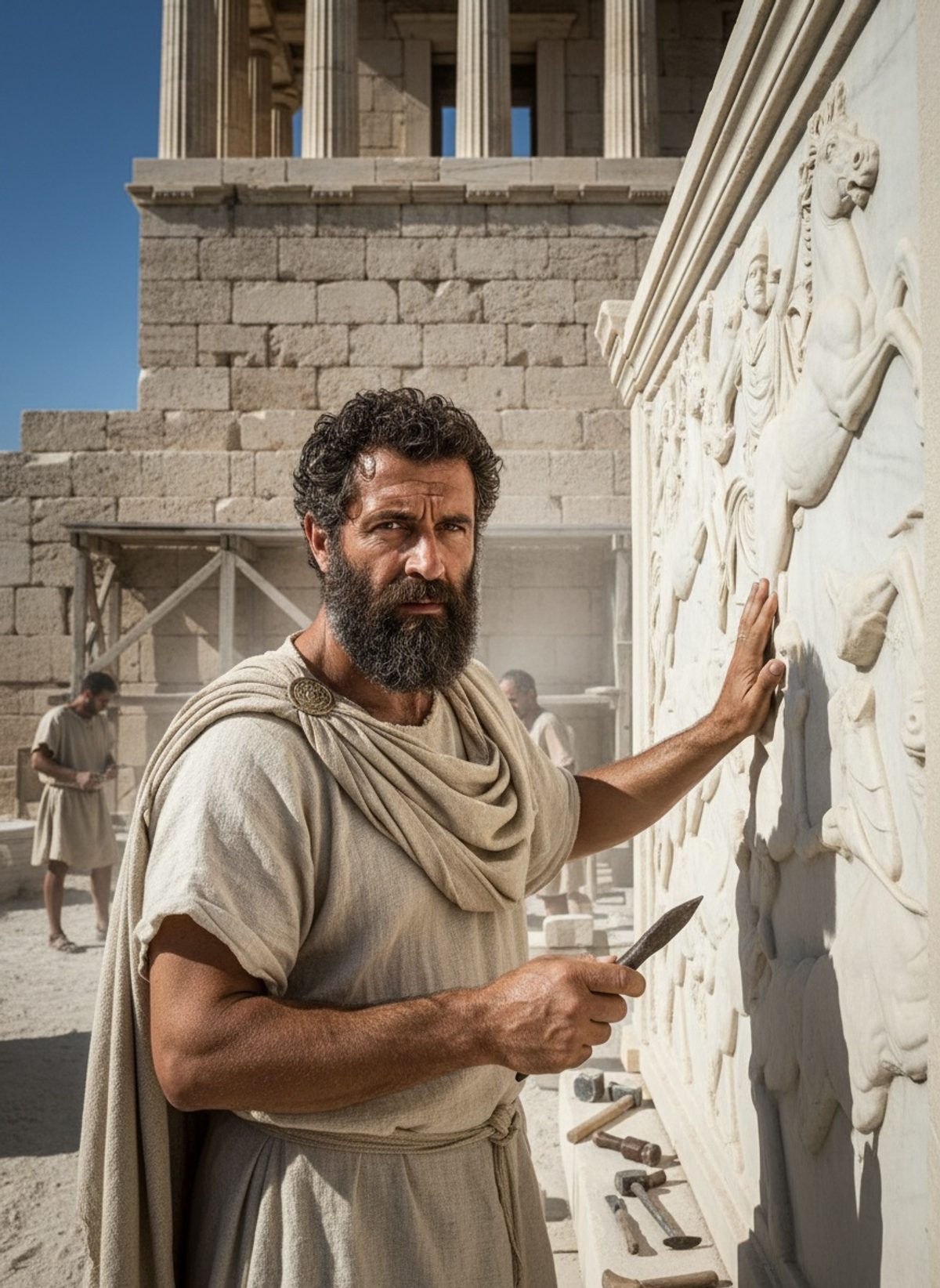
At the heart of this endeavor was Scopas of Paros, one of the most acclaimed sculptors of his time. Born on the island of Paros, Scopas was the son of Aristander, another renowned sculptor, and he inherited not only the family skill with the chisel but also an insatiable drive to push the boundaries of his art. His journey across the Hellenic world had developed in him a masterful control of form and emotion, traits he was now bringing to life on an enormous scale in Halicarnassus.
Scopas’ role in the creation of the Mausoleum was monumental. Charged with crafting the reliefs for the project, his work had to articulate stories and immortalize myths on the extensive surfaces of the tomb. His reliefs were not merely decor but a narrative—each image a section of a sweeping epic carved into stone. Among his peers, Scopas was distinct for his deeply set eyes and slightly parted lips in his figures, indicative of an intense emotional depth that would breathe life into otherwise static scenes.
Read next: He Promised a Shrine. He Built a Hospital Instead.
In this bustling hub of creativity, Scopas was not alone. Together with him worked other luminaries: Praxiteles, a leading sculptor renowned for capturing the sublime and ethereal; Timotheus and Leochares, each a master in their own right. United, they formed a formidable ensemble of talent, driven by a singular vision to achieve the transcendental in art.
The Mausoleum was more than a vast repository of sculptural excellence. It was an architectural marvel—its construction overseen by gifted architects who fused the best of Greek, Lycian, and Egyptian influences, creating a unique synthesis of styles. With a base approximately 134 feet long and almost as wide, it towered over the city, symbolizing strength and permanence. Atop the podium, a colonnade of thirty-six elegant Ionian columns circled the enormous structure, each one a pristine testament to Greek architectural sophistication.
Above sat the pyramidal roof, crowned by a majestic quadriga: a four-horse chariot sculpted with the greatest precision, from its sinewy horseflesh to the flowing reins held in the eternal grip of Mausolus himself, alongside Artemisia, within their chiseled carriage. This iconic visual placed Mausolus among the immortals, his likeness an eternal custodian over his kingdom.
The city of Halicarnassus itself became a living monument to the artistic advances of the era. The Mausoleum’s completion marked not just an architectural achievement but a symbol of human aspiration and the pursuit of aesthetic perfection. For the citizens, it was a daily reminder that even in death, the celebration of a regal legacy could achieve the splendor of the heavens.
Scopas’ involvement with the Mausoleum was far-reaching, yet his influence extended beyond this magnificent project. His mastery was evident in other works, such as his celebrated statue of Meleager, noted for its detailed anatomy and heroic presence, and the portrayal of the goddess Hygieia, which displayed his hallmark expressive depth. His unique style, where emotion transcended the marble medium, inspired countless successors and imprinted his name deeply upon the annals of art history.
Even as his chisel lay still against the cool marble of the Mausoleum, its echoes reached beyond Caria. The very word "mausoleum" was etched into languages worldwide, standing as a reminder of the human desire to honor loved ones through monumental artistry. What began as one queen’s devotion became a touchstone for countless generations, demonstrating the timeless intersection between emotion, art, and architecture.
To the modern observer, the Mausoleum stands more as an idea than a physical structure—time has taken its toll and much of its grandeur only survives in fragments. Yet, in every mausoleum erected since, be it humble or grand, the concept of immortalizing memories through architecture persists. It’s a testament to the enduring potency of human creativity and the connection between past and future.
Artemisia's resolute vision, brought to life by the unparalleled skill of Scopas and his contemporaries, resonates even today—a reminder of the heights we can scale when art and ambition collide. It urges us to reflect on what stories we choose to carve into the stones of our own time, always remembering that our monuments speak not just to those who live with them but also to those who come after.