October 4, 1927. The sun climbed steadily over the rugged peaks of the Black Hills in South Dakota, casting elongated shadows across the ancient granite face of Mount Rushmore.
The Vision Behind the Mountain
Gutzon Borglum stood poised before the immense rock, his eyes shadowed by the brim of his hat as he prepared to transform the mountain into art. A sculptor intoxicated by grandeur, Borglum imagined presidents hewn from stone, embodying the spirit and history of the United States. But this was not merely an artist's whim; it was a project of colossal scale set against the backdrop of a nation roaring forward into the 20th century, yet craving connection to its storied past.
The initial idea, sparked in the 1920s, came from Doane Robinson, a South Dakota state historian, who dreamt of promoting tourism by attracting attention to the Black Hills. Borglum, already an acclaimed sculptor, was the natural choice for the job. Yet the vision he harbored transcended local interests and ambitions. He imagined something monumental — a national shrine that would encapsulate the nation’s birth, growth, development, and preservation.
Carving History from Stone
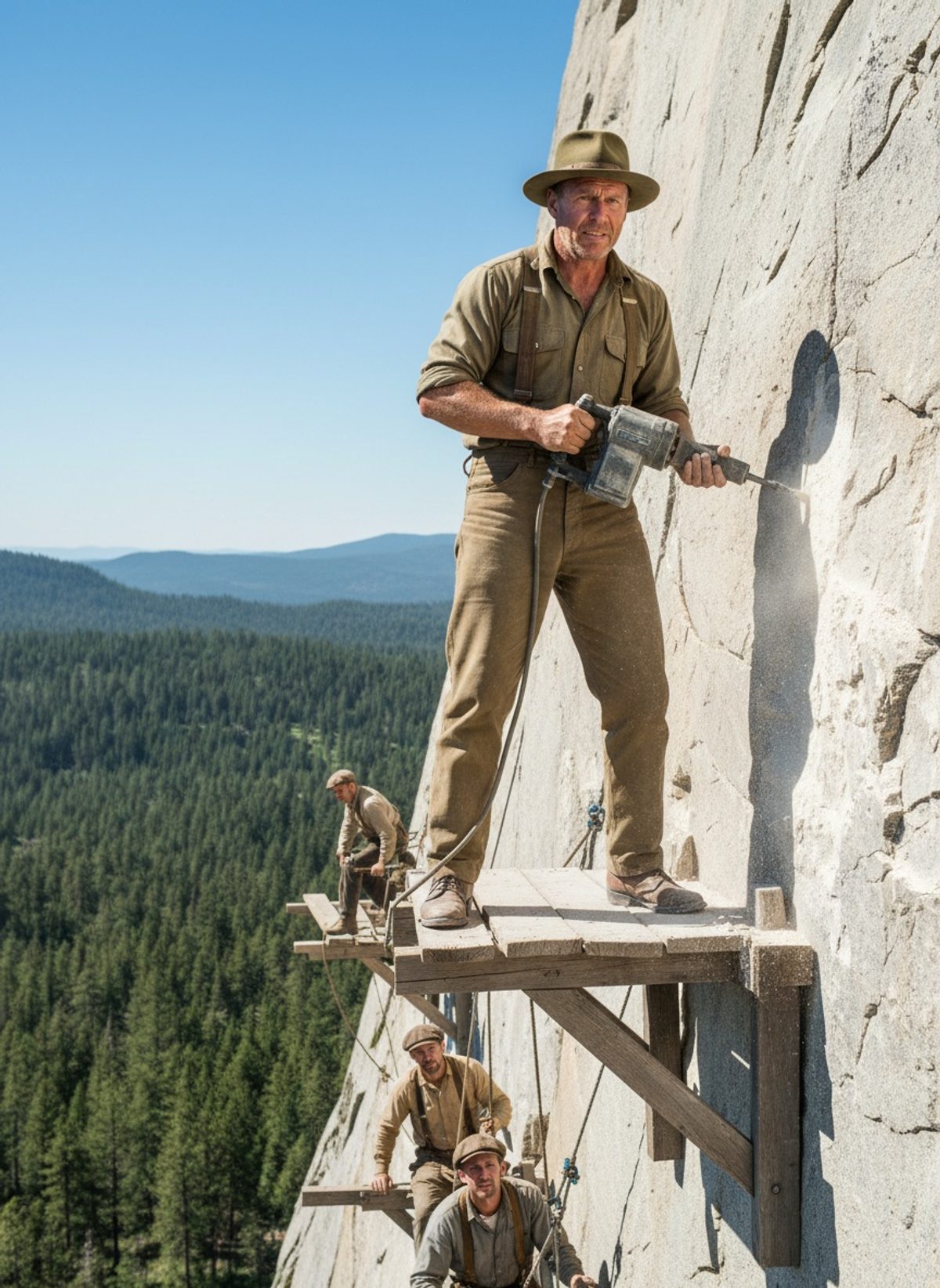
The project demanded not just a daring vision but also an extraordinary feat of engineering. Borglum's aspirations required moving literal mountains, a task undertaken by over 400 workers who shaped the granite façade into the visages of Presidents George Washington, Thomas Jefferson, Theodore Roosevelt, and Abraham Lincoln. These figures were carefully selected, each symbolizing critical epochs in American history.
Read next: She Nursed Them All. Then She Turned On the System.
Washington represented the birth of America, Jefferson signified the expansion through the Louisiana Purchase, Roosevelt embodied the development of the country, and Lincoln symbolized its preservation during the Civil War. Each face, sixty feet tall, demanded intricate and labor-intensive efforts that mixed art with dynamite — over 90% of the granite was removed using explosives.
The scene was both majestic and terrifying, with men suspended by ropes, chiseling with precision to shape the presidents’ features against the vast emptiness of the sky. Despite hazardous conditions, no fatalities occurred during the tiring years of toil. Borglum himself was a constant presence, overseeing every detail and change, driven by an unyielding desire for perfection.
The Challenges and Controversies
The fourteen years between 1927 and 1941—punctuated by the Great Depression and shifts in political climates—were not without their tribulations. Funding was a perpetual concern, with both state and federal sources often falling short of the titanic project's needs. Despite these obstacles, progress continued, inch by meticulous inch.
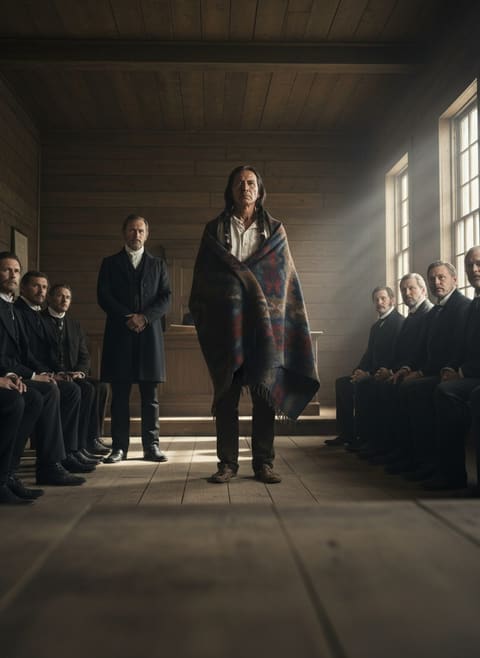
Borglum’s vision also faced controversy. The site chosen for this colossal monument was sacred to the Lakota Sioux, part of the land promised to them by treaty before the gold rush overran such agreements. Even as the chisels ticked away at rock, mounting awareness and criticism echoed about the cultural and historical implications.
Yet, the nascent stages of modern public relations along with Borglum's relentless lobbying helped maintain the project's momentum, painting it as a unifying gesture in trying times rather than a source of division.
Read next: He Measured the Earth With a Well. He Was Right.
Immortal Faces and Their Enduring Watch
As 1941 drew to a close, the finishing touches were laid, bringing the culmination of Borglum’s vision to life just months after his death in March of that year. Under the implacable scrutiny of these stone visages, America was changed yet again — now peering on the brink of entering World War II.
While the project did not end as Borglum originally envisaged — his plans had included more expansive sculptures — the faces stand perpetual, capturing a snapshot of American ideals amid a backdrop forever shrouded in nature's grandeur.
Mount Rushmore, beyond an icon of physical achievement and artistic marvel, prompts viewers to reflect on the complex stories etched within the bedrock of any nation. It is a conversation starter about power, memory, and identity on a notably grand scale. From a visionary's dream to a national symbol, the project embodies the paradoxes of American history — the passion for ambition and the inevitable tensions that accompany it.
Today, as the sun dips and dawns upon those granite faces, America's leaders remain steadfast, watching over the land they once guided, their silent narratives reaching out to every generation that gazes upon the mountain, encouraging reflection and dialogue about the past, present, and the transforming nature of history itself.