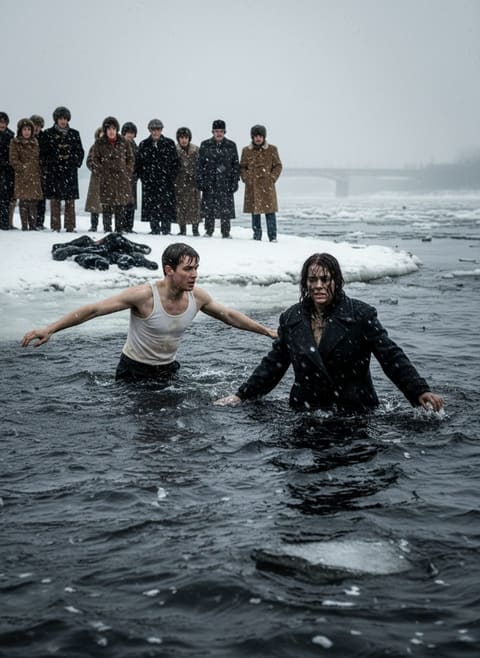
1911. The red dust of rural Queensland clawed at Elizabeth Kenny's clothes, a testament to the vast outback landscape that stretched beyond the horizon. Here in the solitude of the Australian bush, a medical revolution was about to germinate, sparked by an unassuming nurse with no formal education.
A New and Unconventional Approach
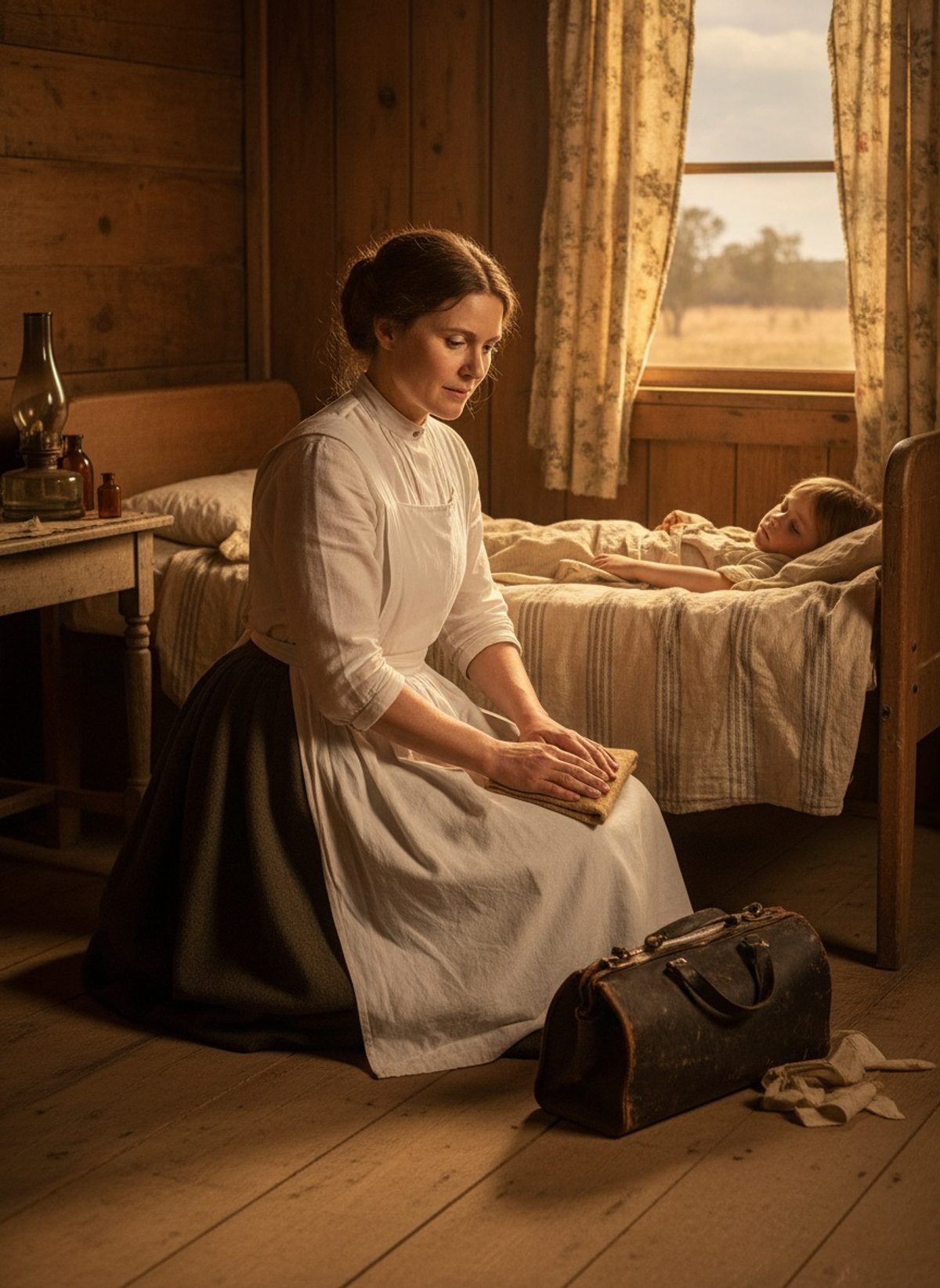
Elizabeth Kenny, affectionately known as "Sister Kenny," had returned to her home in Queensland after nursing school, choosing the demanding life of a bush nurse over settled city life. It was in these remote settings that she faced a medical conundrum that would change the course of history. In a modest farmhouse, she encountered her first case of infantile paralysis, later known as polio, in a young child named Dorrie.
Dorrie’s limbs were contorted, her skin clammy with pain, as the convulsions wracked her small body. Kenny, unaware of the prevailing medical dictum that called for immobilizing such children in plaster for extended periods, followed her instincts. With no doctor within immediate reach, she sent a desperate telegram to her mentor, Dr. McDonnell, who simply advised her to 'do the best you can with the symptoms.'
Listening to Dorrie’s cries and watching her struggle, Kenny opted for an audacious yet compassionate approach. She treated Dorrie's spasming muscles with warmth, wrapping them in hot flannel. The heat and movement released the rigidity, and as Dorrie's condition improved, a new idea began to take root in Kenny's mind.
Read next: Vivien Thomas Built the Blueprint That Saved Blue Babies
The Path Less Traveled
As Dorrie began to show signs of recovery, regaining movement in her limbs, Kenny realized that the key lay not in forcing the body to be still, but in encouraging it to relearn its own capabilities. Over time, using similar methods, she successfully treated five more children with polio with inspired care, a cocktail of heat, rest, and gentle exercise.
With mounting evidence, Kenny sought validation from the medical establishment. Dr. McDonnell, impressed by her results, facilitated a meeting with Dr. Brack, a leading authority on polio. However, Brack dismissed her findings outright, reasoning that the children must have never had polio to begin with. Despite the institutional rebuff, Kenny's determination never wavered.
The institution's skepticism didn't deter her vision; it fueled her resolve to forge ahead, treating those deemed beyond hope. Her clinic became a controversial haven, where the stiff confines of plaster were left in the past, and a new, dynamic method of healing took root. Here, children once written off as lost causes began to walk again under Kenny's vigilant eyes.
War and Recognition
The outbreak of World War I brought painful personal challenges as Kenny's fiancé, Captain Kevin Connors, departed for active duty. In a bid to contribute to the war efforts and drown her heartache, Kenny enlisted as an army nurse. At the frontlines, amidst the chaos and carnage, she honed her skills further even while battling her own desolation.
Returning to Australia, bolstered by her military service, she carried a new resolve and an official rank: Sister Kenny. Her work against polio continued, undeterred by the skepticism of the medical fraternity. When news arose of an outbreak in Townsville, she once again threw herself into the battle, her engagement to Kevin set aside for what she came to view as her true calling.
Her innovation finally began to garner attention, albeit slowly, across the globe. Invitations to speak and demonstrate her techniques came from overseas, and as she traveled through Europe, people marveled at her results. To many, Sister Kenny had become a symbol of hope, harbinger of a new medical era where the human touch surpassed cold marble knowledge.
The Struggle for Acceptance
In the years that followed, Sister Kenny's journey to gain acceptance within the medical community was fraught with obstacles. Her clashes with authority figures such as Dr. Brack were emblematic of the resistance she faced as an untrained nurse insisting against conventional wisdom. Yet each encounter with dismissal and doubt only cemented her resolve, driving her to fight on behalf of those who had no voice.
Read next: Imhotep Designed the Step Pyramid With No Blueprint Before Him
By the 1920s, her efforts had captured public fascination, prompting state inquiries and even international commissions to validate her methods. Her story became one of persistence against all odds, a human narrative that defied the sterile script of scientific dogma. Sister Kenny's ability to face down detractors, armed only with her patients' improbable recoveries, gave her a platform to share her unparalleled insights.
Her work blossomed into a global movement, with clinics bearing her name opening in several countries. The bold application of heat and movement reshaped physical therapy, rejecting the immobility that had mirrored the hopelessness polio once represented. Her approach offered promise, challenging the very foundations of early 20th-century orthopedic treatment with evidence that could no longer be ignored.
The Legacy of an Untrained Visionary
By mid-century, as polio still cast a long shadow worldwide, Sister Kenny's techniques offered a ray of hope and a new paradigm for treatment. Her story became immortalized not just in medical history, but also in popular culture, as the 1946 film "Sister Kenny" reflected the grit and determination that epitomized her life’s work.
Elizabeth Kenny's unyielding spirit presents a poignant reminder that innovation often comes from unexpected quarters, driven not by unyielding adherence to norms, but by empathy, observation, and intuition. Her legacy extends beyond her methods, serving as an invitation to challenge orthodoxies in the pursuit of a genuinely empathetic approach to healing.