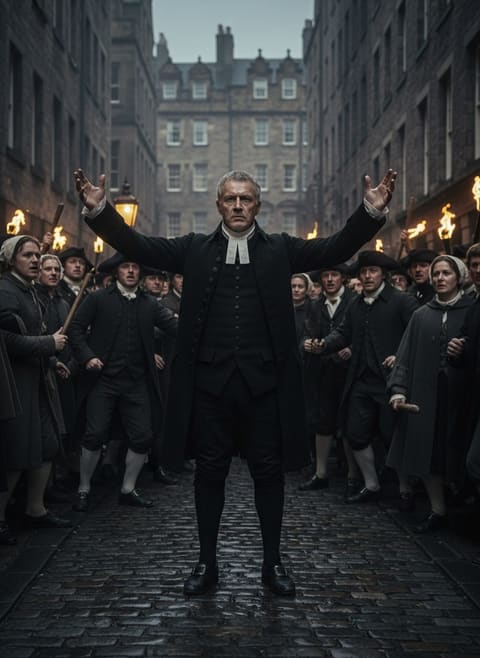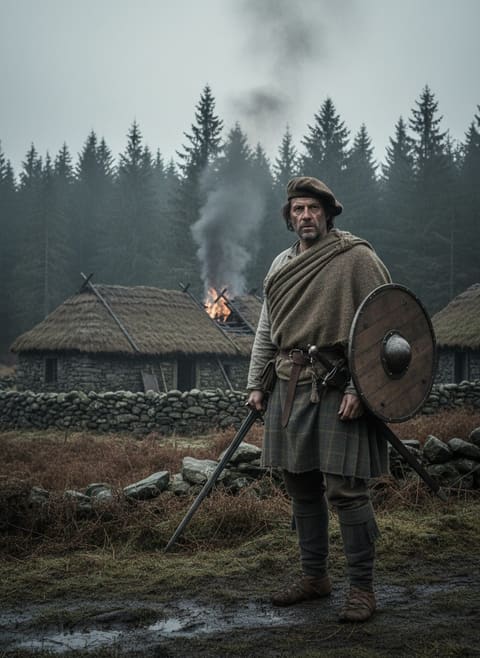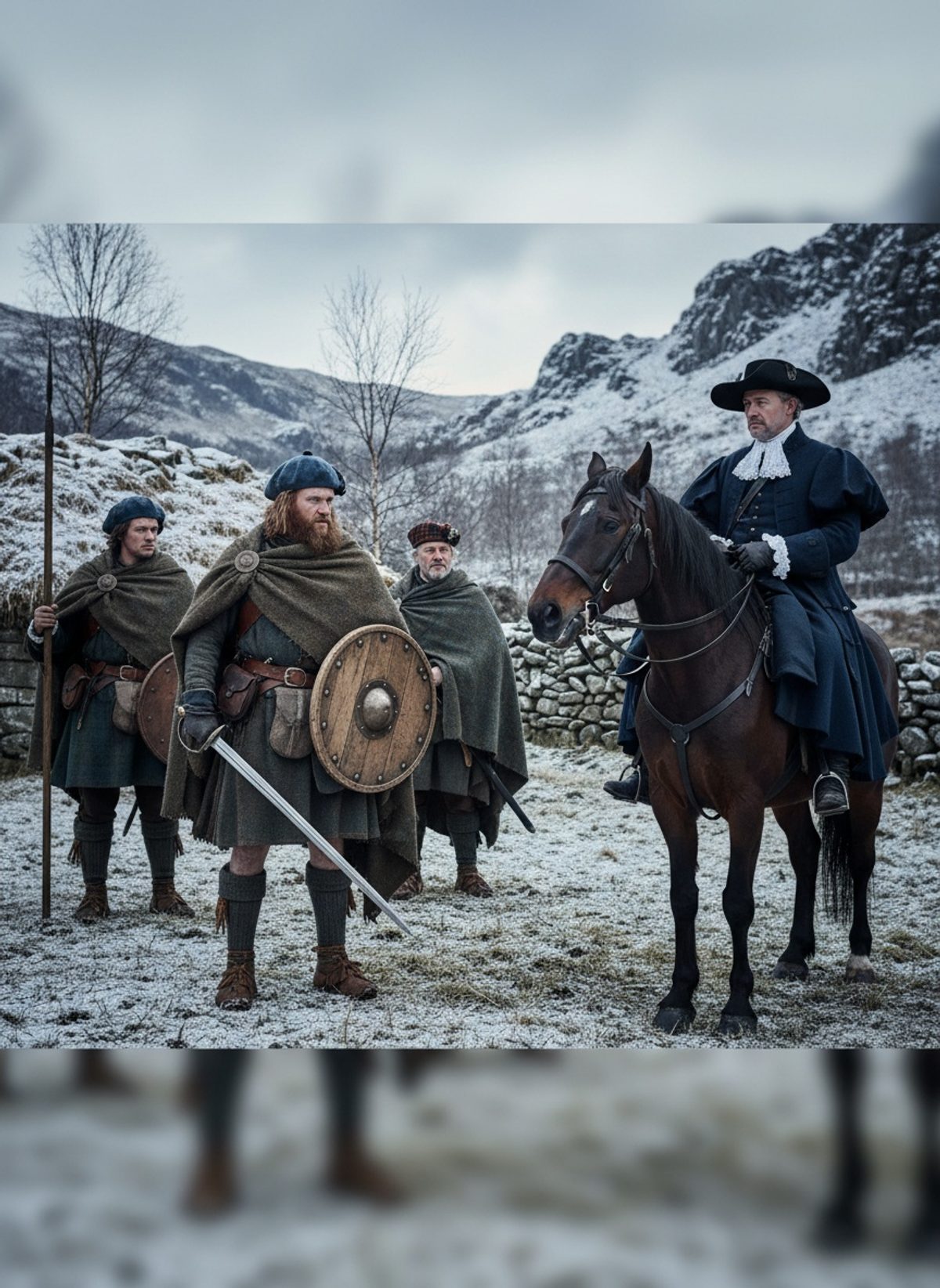
He carried a name that was a death sentence. To speak it aloud was to invite your own execution.
The Royal Decree That Changed Everything
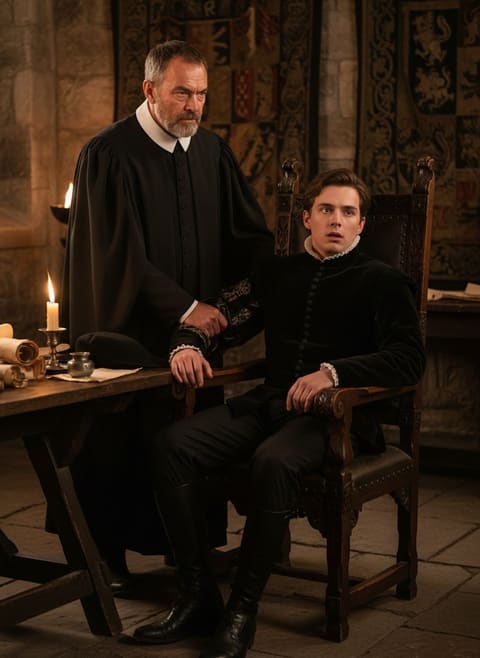
On a chilly morning in 1603, the echoes of a gavel striking wood reverberated through Edinburgh, carrying a decision so severe that it would almost eradicate a family lineage. King James VI, a monarch of both Scotland and England, set his seal on a decree that criminalized a surname. This was not merely a decree but a death warrant for any who dared to call themselves MacGregor.
The MacGregors, a prominent Highland clan, were descended from the ancient Celtic rulers of Scotland. They had been known as fierce warriors and proud practitioners of graze lands and cattle reiving. Yet, this decree cast them as outlaws. With the sharp stroke of a pen, James VI sought to cleanse the Scottish landscape of these "barbarous" bloodlines. All current and future MacGregors were to renounce their name or suffer dire consequences, and this stretched beyond mere imprisonment to the chilling brink of death.
The Cause of the King's Wrath
So what drew the ire of the king so profoundly that he wished to obliterate an entire clan from history? The answer lies in a chaotic whirlwind of feuds and fierce rivalries. The MacGregors were embroiled in frequent conflicts with neighboring clans. Competition over land, resources, and influence often led to skirmishes—a delicate dance of clan pride and survival in the rugged Highlands.
Read next: The Night a Scottish Castle Became a Stage for the World
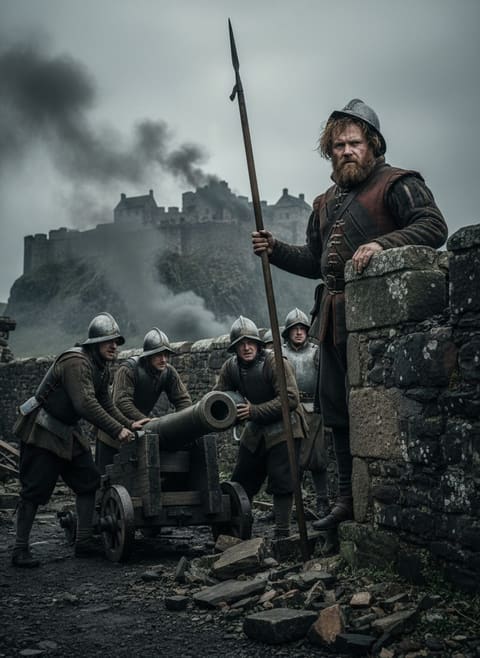
One notable altercation that still echoes down the corridors of history took place at the Battle of Glen Fruin in 1603. Here, the MacGregors openly clashed with the Clan Colquhoun. The altercation left many from both sides dead, and the MacGregors' apparent victory splattered their name across the pages of infamy. This audacious display of defiance was the final straw for the monarch, already weary of Highland disorderliness.
Life in the Shadows
With their name outlawed, the MacGregors were forced to scatter. They sought refuge among sympathetic clans, adopting new identities under duress. From noble highland warriors, they became men without a clan, ghosts in their own land. They traversed the dense pine forests and jagged valleys of the Highlands like whispered shadows, their true heritage a secret murmured only in trusted ears.
Living under aliases like Murray and Graham, they faced relentless persecution, each familiar face in the mist a potential threat. The law forbade them from owning property, carrying weapons, or assembling in groups larger than four, measures meant to extinguish their communal strength. Yet, through sheer resilience and the tenacity etched in their bones, the spirit of Clan MacGregor refused to be snuffed out entirely.
The Silent Rebellion
Despite the oppressive weight of illegality draped upon them, the MacGregors continued to leave an indelible mark in unexpected ways. In these difficult times, they harnessed the only tool left at their disposal: their defiance. Adopting pseudonyms, they infiltrated the trade routes, becoming merchants and traders that wove their influence subtly through the commercial fabric of Scotland.
Read next: The Day a Scots Minister Stood Alone and Defied a Queen
A cultural renaissance of sorts simmered behind the scenes, even against the backdrop of their proscription. Their narratives and exploits found a voice in Scotland’s rich folklore, envisioned in tales that whispered of their courage and cunning. Highland bards preserved their stories — transforming them into legends that would survive the test of time, long after the decree that sought to silence them grew brittle with age.
The Resurgence of Clan MacGregor
The draconian restrictions imposed upon the MacGregors were finally lifted in 1774, nearly 200 years after they had been placed. The royal decree had weathered generations, but the persistence of the MacGregor spirit proved unconquerable. By the time the act was repealed, the clan emerged into the light from its generations-long shadow. These Highlanders reclaimed their identity with an unyielding fire that had refused to be dimmed.
The end of their dark chapter was not merely an administrative stamp of approval. It was a profound reminder of the endurance of human spirit in its defiance against tyranny. By rejecting erasure, the MacGregors serve as a testament to the incessant drive for identity, despite overwhelming odds. Their story stands as a poignant narrative, reminding us that even names—mere words given to us at birth—hold the power to inspire courage and demand the price of perseverance.