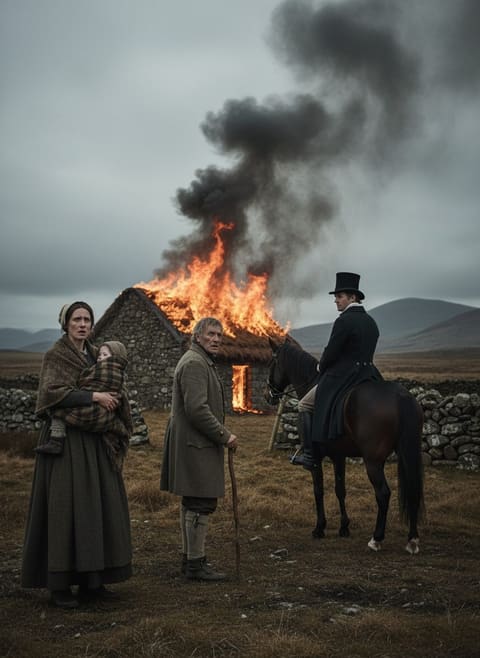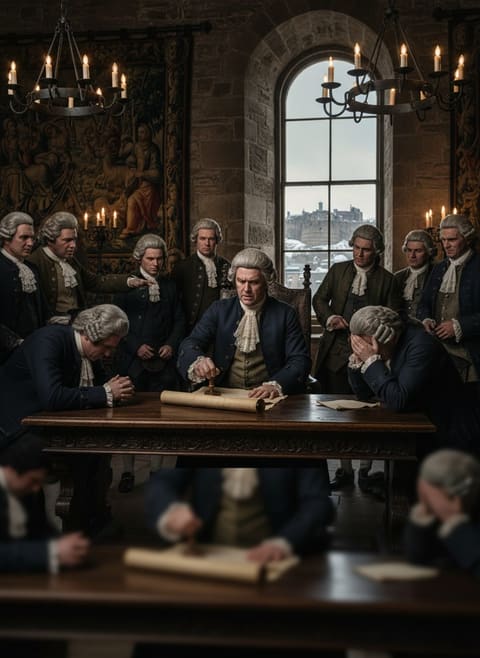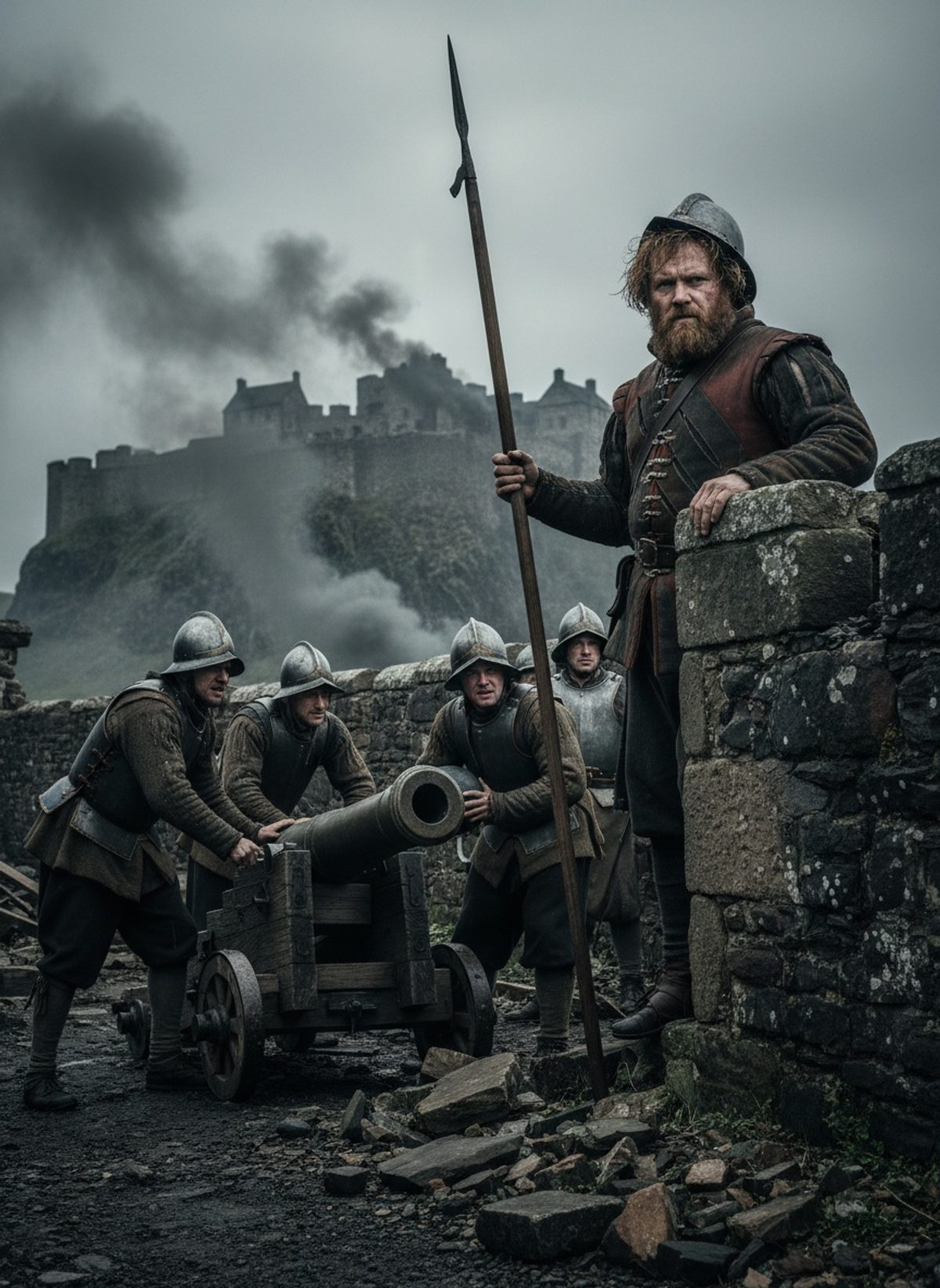
Gray clouds hung heavy over Edinburgh, casting dim shadows upon the ancient stone walls of the castle perched high above the city. The wind whistled through the battlements, carrying with it the faint cries of a beleaguered host. For those within the fortress, the very air seemed saturated with a mix of anticipation and dread. The view from the castle was one of sublime beauty, a patchwork of rugged hills and sprawling lands. Yet, beneath this stunning landscape, brutal currents of political strife threatened to redefine the power struggle of a kingdom. Edinburgh Castle, an emblem of royal authority, stood besieged. The beleaguered defenders clung to their precarious position, not merely for their survival, but for the honor of a queen long imprisoned across the border in England.
The Irrepressible Flame of Loyalty
The story begins with Mary, Queen of Scots, whose tumultuous reign came to an abrupt halt when she fled to England in 1568. Her escape, stark and swift, left a power vacuum in Scotland which the ambitious would eagerly seek to fill. However, amidst political realignments and pressures, a group of staunch loyalists refused to concede. Anchored at Edinburgh Castle, this garrison held their ground, a small but steadfast force, defiant against shifting tides. They believed in their queen's cause, even as she languished in the English prison at the behest of Elizabeth I.
The garrison at Edinburgh Castle symbolized an unyielding dedication. Their names, largely anonymous to history, represented a spectrum of professions and backgrounds, unified under the banner of loyalty to Mary. The castle, with its dizzying cliffs and brooding silhouette, became the theater of their resistance. Defiantly, they rejected the notion that Mary's reign had ended. Hope, like the flickering torches igniting the castle's interior, endured among the defenders, who watched the surrounding terrain for friend or foe.
A Fortress Under Siege
The siege of Edinburgh Castle was like no other. For nearly three years, from 1571 to 1573, the garrison was at once beggars and warriors. Supplies meager and weapons aging, they epitomized resilience. Night after night, they patrolled the ramparts, keeping vigilant watch over the city below. The sounds of armory echoed through the walls—clanging metal and whispered strategy—believing every moment could be the last.
Read next: The Day a Scots Minister Stood Between a Mob and a King
Outside the robust walls, the Kingdom of Scotland teetered on a precipice, governed by a half-hearted Regency Parliament unable to definitively silence the echoes of Mary's rule. Elizabeth I herself, wary of Mary's claim to her own throne, was far from a passive observer. In the tense dance of monarchies, the situation invoked eloquent missives and sovereign strategies, accelerating towards an inevitable military clash.
English Artillery and the Final Barrage
By 1573, it became clear that resolve and determination could not sustain the garrison indefinitely. Supplies dwindled, morale wavered, and desperation turned to weary anticipation. It was against this backdrop that the English artillery, dispatched by Elizabeth I, began its ominous journey northward. These cannons, symbols of modernity and overwhelming force, heralded a dramatic shift in the siege's dynamics.
Their arrival transformed the stalemate into a thunderous spectacle. On every side, cannonballs exploded against the stony fortress. Towering walls, which stood unfazed by lesser engines, crumbled before the precision and power of English technology. Each reverberation meant not only a physical collapse but also a devastating blow to the defenders' spirit. What had been an unbreakable bastion became a fortress of echoes, echoing the retreat of an unfulfilled dream.
Determination and Downfall
The fall of Edinburgh Castle was both an ending and an inception. As the walls collapsed, the garrison's hope folded into grim reality. Their belief in the restoration of Mary, though noble, had encountered an insurmountable force—a somber reflection of their queen’s unyielding imprisonment. Yet, their prolonged resistance was a vivid testament to the depth and complexity of loyalty, and the fierce, often forlorn battles fought in its name.
Read next: The Day a Scots Minister Shielded a Condemned Man From the Mob
Historians ponder over whether the siege was a strategic inevitability or an act of pure stubbornness. However, what resonates through the annals of time is the steadfast stand of individuals in commitment to a cause, despite the odds. These defenders, though reduced, were never merely victims of circumstance. In holding Edinburgh Castle for Mary, Queen of Scots, they clung to a notion of duty that both defied practicality and challenged expectation.
Beyond the Rubble, a Legacy of Hope
The tale of Edinburgh Castle's fall in 1573 is more than just a historical footnote. It provides a poignant glimpse into the entanglement of personal conviction and political machination. This forgotten chapter in Britain's history illuminates an era where loyalty was measured in years of defiance rather than in fleeting moments. The garrison's stand speaks to the timeless human struggle between fidelity and foresight, and the courage required to stand alone in belief against the tides of inevitability.
Long after the cannons stilled and the dust settled, the echoes of the three-year siege reverberate, urging us to reflect on the potency of human determination. As we wander through the corridors of Edinburgh Castle today, the stones might speak of resilience and hope—a reminder that even in the face of utter downfall, the human spirit dares to resist, to believe, and sometimes, to recall the legends they left out of the textbooks.