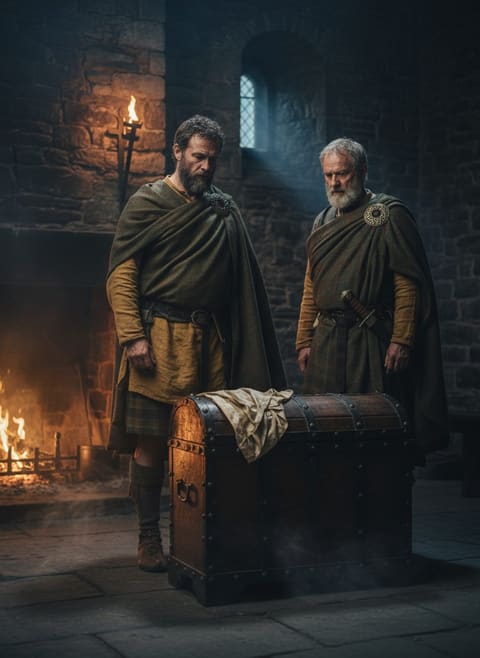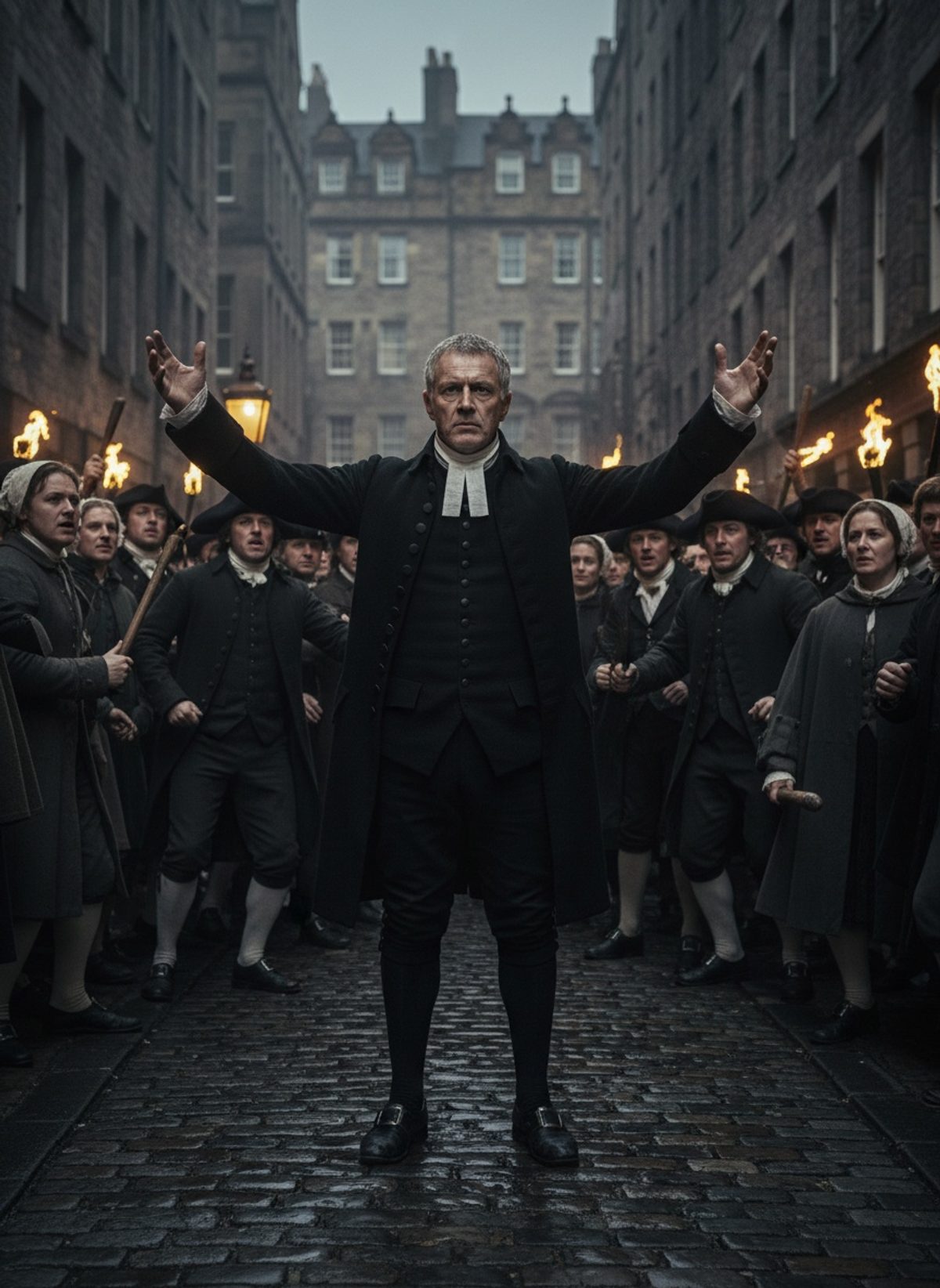
The cobbled streets of Edinburgh lay shrouded in a grey mist, the air heavy with the promise of rain. Footsteps echoed through the city's narrow alleys, mingling with the distant, restless murmur of an uneasy crowd. It was a city on edge, a city where the line between justice and vengeance had blurred. In the heart of this simmering tension stood a solitary figure, a Scots minister with fire in his eyes, placed precariously between a condemned man and the roaring fury of the people. The scene was set for an unforgettable confrontation as Edmund Burke would later describe as "revenge and faction were the life and soul of this city." Little did the crowd know, they stood on the precipice of altering their destiny.
The Shadow of a Hangman's Rope
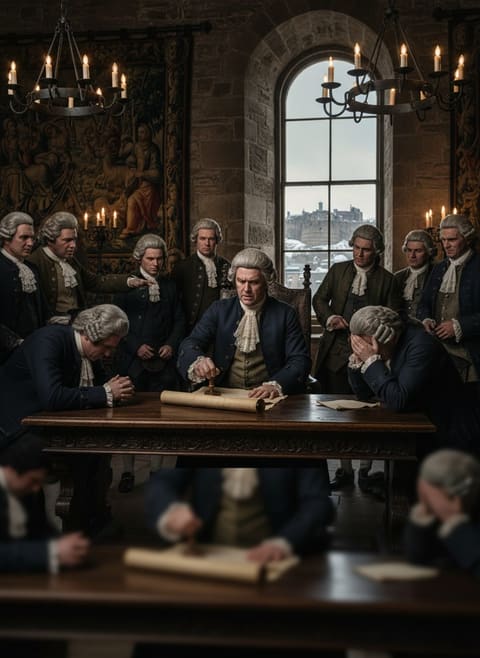
Edinburgh, 1736, under the stern gaze of the Georgian government, was a city caught in the throes of a moral dilemma. Captain John Porteous, a name that echoed infamy across Scotland, had found himself at the center of this brewing storm. As an officer charged with maintaining order during a public execution, Porteous made a decision that would forever change the course of his life and the lives of many around him. In an attempt to control an unruly crowd, he ordered his men to fire into the assembled masses, leaving innocent blood on the cobblestones.
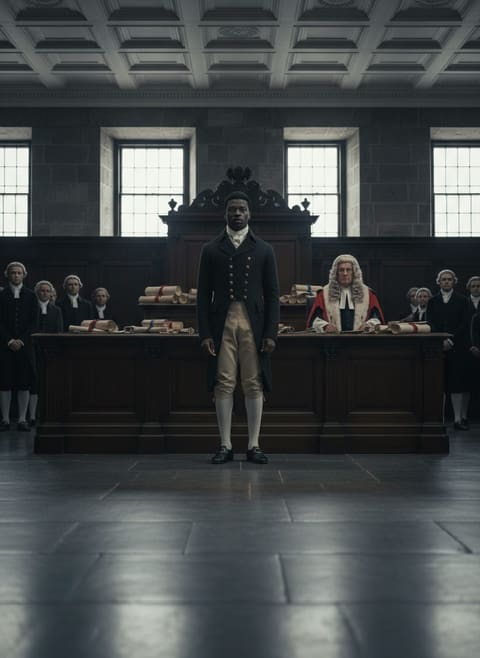
Public outrage followed swiftly, a burning anger that demanded retribution. When the government moved to pardon Captain Porteous, seeing him as an agent of law rather than murder, the city erupted. It was a justice denied, a judgment sparking the flames of a riot. The people, feeling betrayed by the state's mercy, took justice into their own hands in a night of violence that would become folklore, as it exposed the gaps between justice, law, and humanity.
The Stand of Conscience
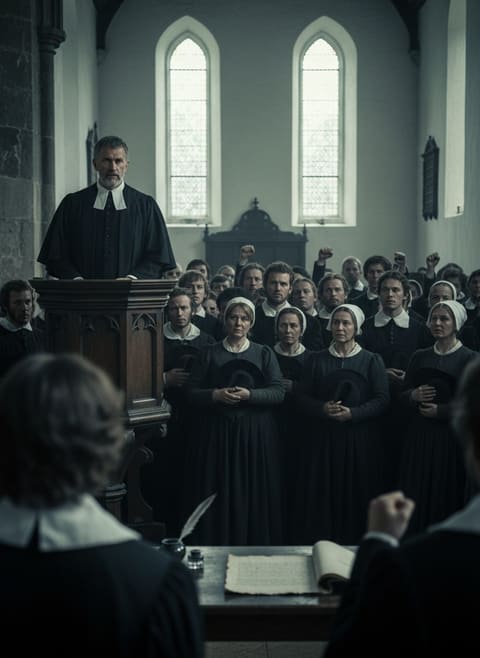
Amidst the turmoil, a figure emerged—not a soldier, nor a revolutionary, but a man of faith. A Scots minister, whose name has been whispered in tones of reverence and controversy alike, stepped into the chaos embodying the ethos of moral courage. His presence was a silent reminder that there must be a different path, one that does not devolve into the lawless anarchy of mob rule. On that crucial day, his task was not just to save a man but to save the soul of the city itself.
Read next: The Mountain Hollowed Out to Power a Nation's Lights
The sight of the minister standing immobile before the baying crowd was striking. In his eyes was the fire of conviction, a refusal to allow justice to become mere tit-for-tat vengeance. Thrumming with anger, the mob grew restless, their cries of retribution echoing through the evening air. Yet the minister's resolve did not waver. His words, lost to time, must have been those of reason, pleading for calm, for compassion, and for true justice, standing as a beacon in the swelling chaos.
A Divided City
Edinburgh was a city standing on the razor's edge. Its heart was a contradiction—a place of high art and low morals, where city streets were shadowed by gothic architecture and political intrigue alike. Against this backdrop, the events stemming from the Porteous Riots revealed a deeper malaise within society. Not just a tale of law and disorder, it laid bare the inherent power struggles and simmering tensions between the governance of Scotland and its people.
While one man sought to prevent the violence spiraling out of control, the city's divided nature made this task all the more formidable. Resistance against institutional pardon ran deeper than an affront against justice; it spoke to a long-standing animosity towards perceived injustices, fueling a dangerous cocktail of resentment and ire. The minister’s stand was not just a battle against the crowd’s fury but against a history of grievances that each protester carried with them.
Read next: The Day a Landlord Burned His Tenants' Homes to the Ground
The Legacy of a Moment
The minister’s actions on that fateful day may not have been able to spare all from violence, but they proved unerringly that one man's courage could make the world pause, even briefly. Despite the odds, his intervention allowed for a fleeting contemplation of the precipice on which society stood. Yet, the chain of events that sparked with Captain Porteous did not vanish. They lingered, a shadow over Edinburgh, a narrative defining justice’s nuanced balance. Conversations begun in the frenzied moments of the riot continued, influencing the rhetoric around civic order and compassion in the years that followed.
Historians may consider what this nameless minister symbolized, how his solitary stand became a touchstone for justice intertwined with mercy. The ebb and flow of historical memory often overlook such narratives, leaving their lessons untaught. However, his role as an intercessor for peace in an era of brutality is undeniable, an inspiring reminder of the power wielded by those who refuse to back down in the name of what is right.
Today, this act and its memory don’t just tell of a singular defiance against overwhelming odds—it speaks to the timeless dance between chaos and civility. As we revisit the tales left outside conventional textbooks, we're reminded of the continual relevance of standing firm amidst the storm, when one truly believes in the justice that binds society together.