Few have heard of Andrew Melville. They should have.
The Tumult in Edinburgh
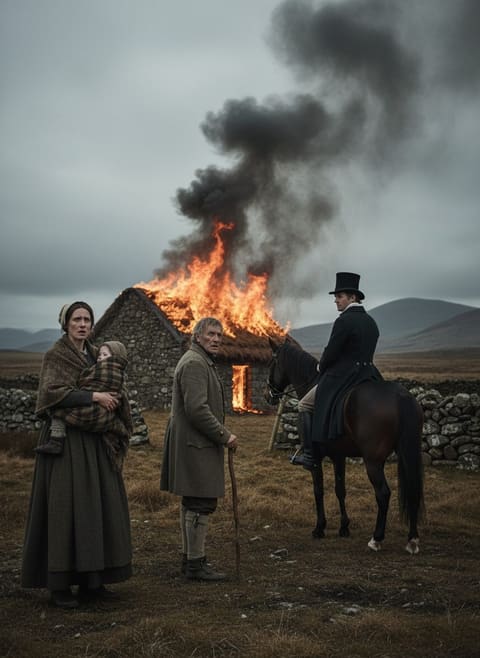
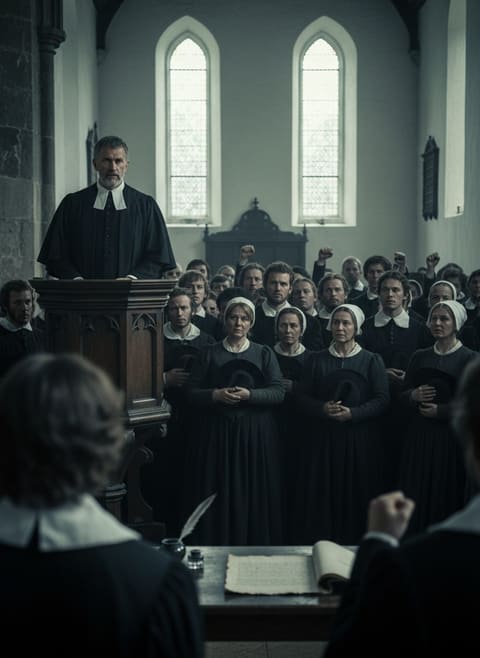
In the waning days of 1596, Edinburgh’s cobblestone streets were alive with a tumultuous fervor that echoed through the tightly packed alleyways. The sound was that of a city on the brink, the capital of a nation gripped by religious and political winds that threatened to blow its fabric apart. Gathered in grim scarcity, the citizens of Edinburgh were animated by a cause they deemed righteous: the defense of their reformed faith against perceived royal encroachments.
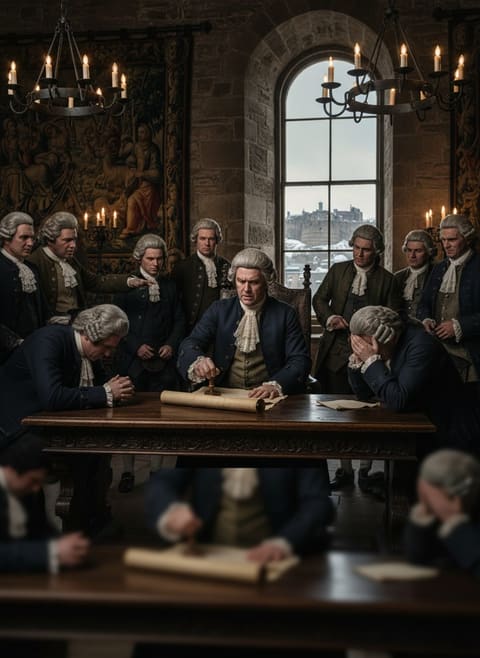
On one side stood King James VI, a sovereign whose ambition for absolute authority clashed with the burgeoning Presbyterian fervor of his subjects. James, a king with designs on the English throne, was allied with ideas of centralized power that rankled those who believed the only true king was the Lord Almighty.
The Reluctant Courtroom Drama
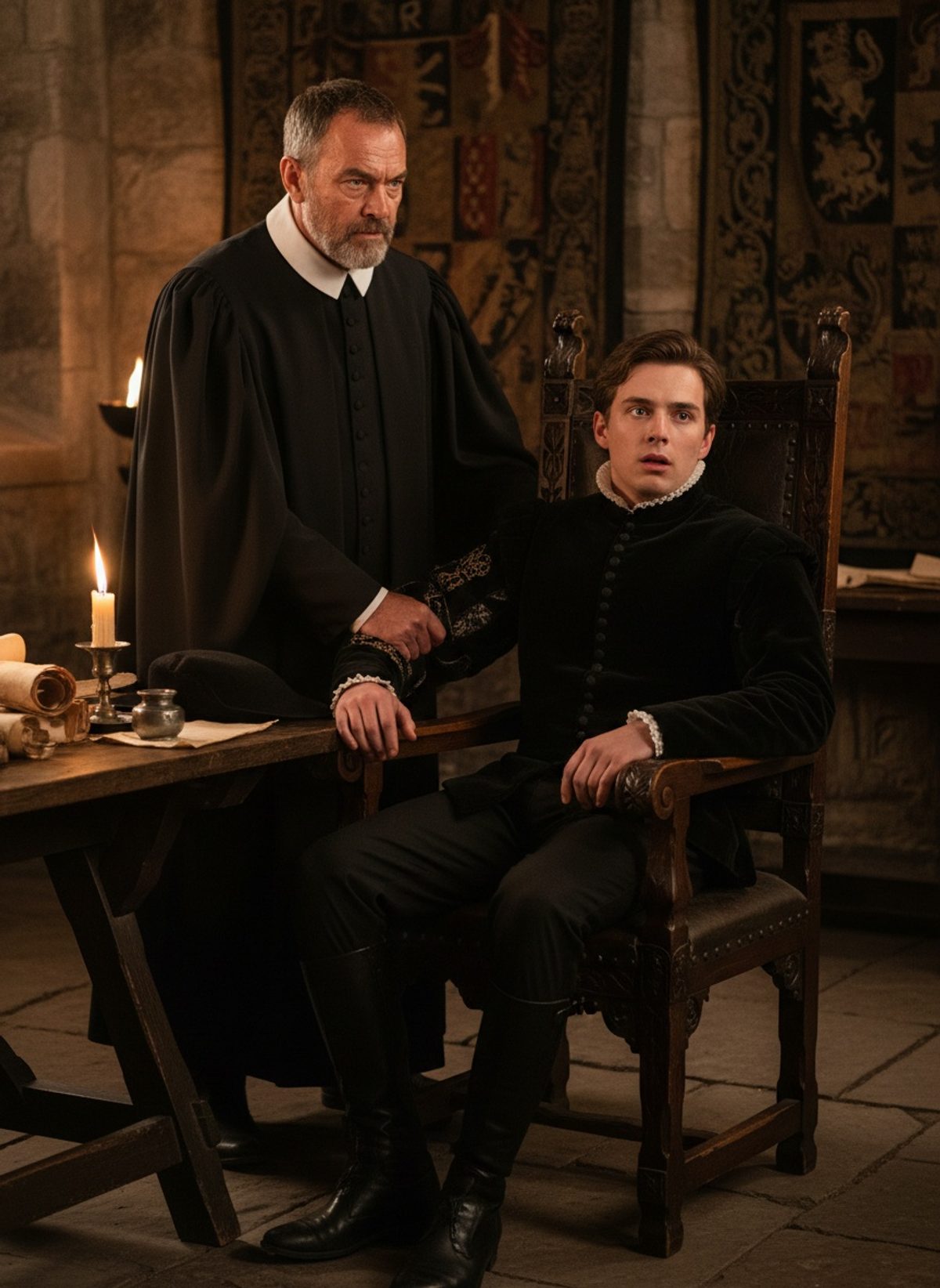
Inside his chambers at Holyrood, King James VI faced a challenge unlike any other — not from a rampant army or a lethal conspiracy, but from the firm resolve of a devout clergyman. This was no battle of swords, but of words and principles. That man, Andrew Melville, a steadfast Presbyterian minister and spirited defender of the Scottish Reformation, marched into the royal presence with a heart beating with conviction.
Read next: The Clan That Was Declared Outlaw by Name Alone
Melville was no ordinary visitor. His arrival bore the discomfort of a storm enveloping the king’s sanctum, a storm distilled into a single uncompromised voice ready to speak truth to power. This was daring — perhaps even close to sacrilege — in an age when monarchs were accustomed to a deference that bordered on idol worship.
It was within this tense tableau that Melville delivered words that have echoed through history. Clutching the king’s sleeve with the kind of audacity that legends are born from, he declared, “Sir, there are two kingdoms in Scotland.” In the presence of his liege, Melville articulated an idea that in God's kingdom, the king himself was but a subject, a “God's sillie vassal.” The words, bold and uninvited, were less a sermon and more a hammer shaping the nascent Scottish identity.
A Kingdom Divided
The late 16th century in Scotland was a theatre of contradictions and confrontations. The Reformation had reshaped the nation into a bastion of Presbyterianism, where the church was held to be a divine establishment with a direct line to God, separate from royal authority. For many Scots, this was a covenant that no king could supersede.
Under the shadow of these towering beliefs, Melville’s confrontation with James VI was more than just a spontaneous declaration. It was the embodiment of a fierce ideological collision between divine right and ecclesiastical independence. Melville’s words were not merely a defense of religious freedoms; they challenged the very notion of kingship and governance.
Read next: The Mountain Hollowed Out to Power a Nation's Lights
James VI, a scholar king with a pen more familiar to paper than the sword to battlefields, was thrust onto a precarious tightrope spanning personal ambition and the collective will of his people. His vision of a united Britain, coupled with a central authority that mirrored his aspirations for absolute power, placed him at odds with Melville’s unyielding Presbyterian convictions.
The Echoes of a Defiant Stand
The legendary moment when Melville denied the king his reverence was a fleeting confrontation, but its reverberations were profound and lasting. It underscored a critical juncture in Scottish history where the struggle between church and monarchy played out with vivid potency. It served as a reminder that the freedoms fought for in ecclesiastical terms carried broader implications for the governance of Scotland itself.
This episode is more than a tale of ecclesiastical defiance; it's a narrative where political and spiritual realms clashed atop history’s stage. More crucially, it highlights a pivotal step towards the eventual development of constitutional monarchy, a government style where power was seen not as divine but as derived from and constrained by the people’s will.
For the modern reader, the story of Andrew Melville’s defiant stand before King James VI carries weight far beyond its immediate outcome. It stands as a stark reminder that the tenets of governance and faith, often intertwined, must occasionally be disentangled, especially when the call for freedom and justice demands a champion with the courage to grip a king’s sleeve and declare him a subject.