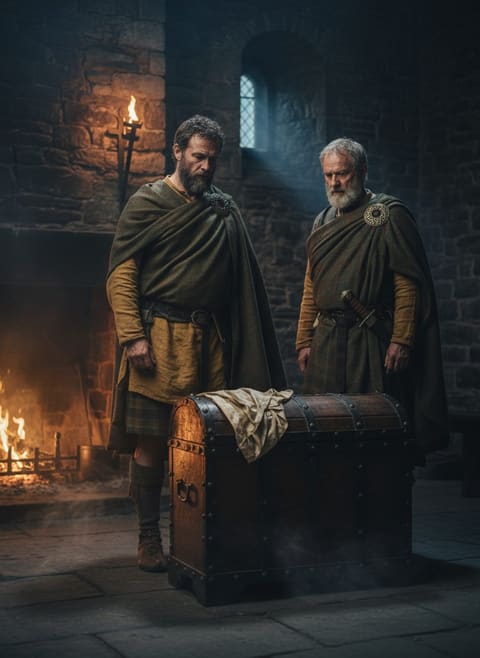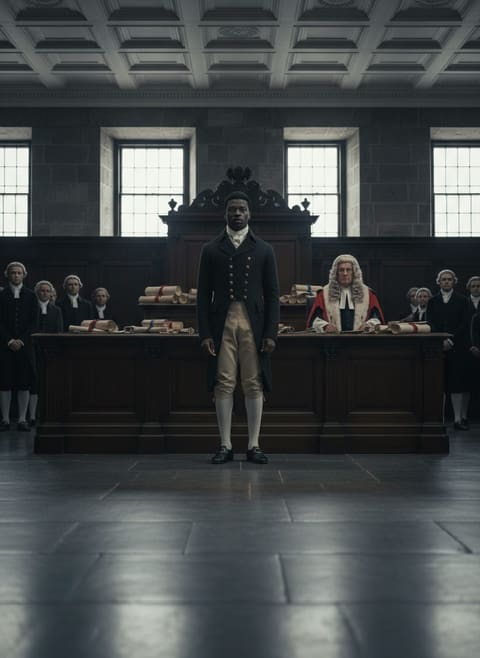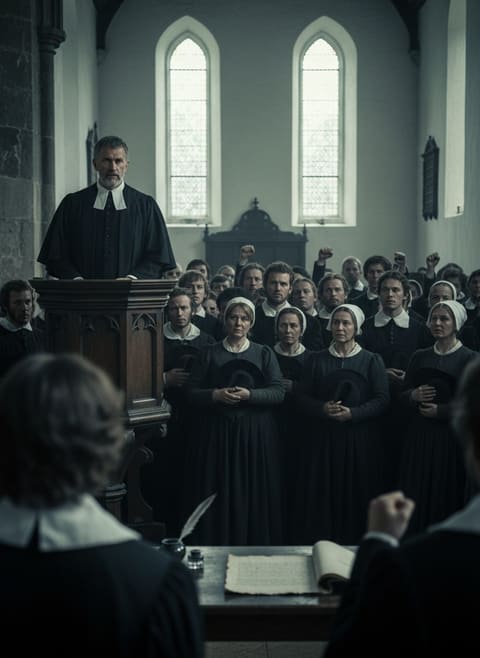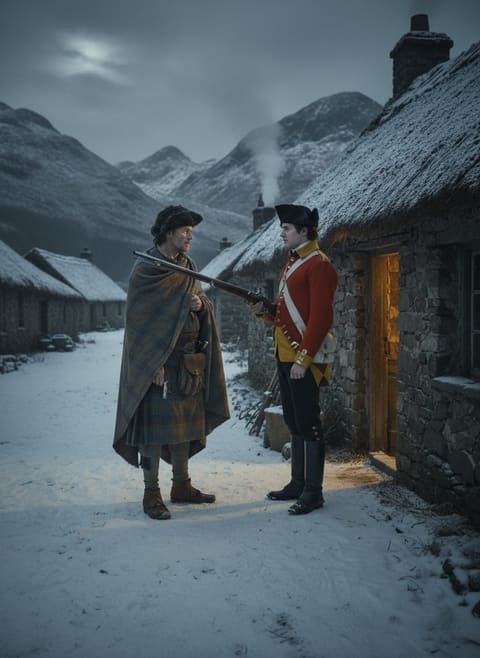
The Highlands of Scotland in the early morning can be a place of stark, overwhelming beauty. The light is dim and soft, seeping through the tangles of low clouds, casting shadows that dance across the rugged landscape of lochs and glens. The air, fresh and biting, carries with it the scent of heather and peat, while touches of mist cling stubbornly to the slopes. This serene yet severe backdrop was the stage for a tumultuous chapter in Scottish history at the dawn of the 17th century: the erasure of an entire clan not just from land and title, but from existence itself.
In April 1603, as the crisp spring winds swept across the Scottish hills, an unprecedented decree swept through the land with a far more chilling effect. The Privy Council of Scotland declared that the name MacGregor was abolished. This was not merely an act of outlawry or exile, common punishments of the time, but a total vanishment of identity. To bear the name MacGregor was to claim a curse; it was a crime, punishable by death without trial.
Once a powerful clan with roots digging deeply into the tapestry of Scotland’s history, the MacGregors found themselves suddenly cast adrift in a hostile world. This decree was more than legal banishment. It was aimed directly at erasing the very fabric of who they were. Any person who clung to the name faced execution on sight, and the law even extended this brutal erasure, forbidding their children from gathering in groups larger than four. The land rang with a hostile silence, only penetratingly interrupted by whispers of betrayal and the anxiety of ever-watching eyes.
The order did not arise from nowhere; rather, it was the climax of longstanding rivalries that had erupted into uninhibited violence, feeding a cycle of retribution and fear. Clan Gregor, situated in the strategic and often contested central Highlands, was historically entangled in territorial disputes. Yet, it was their proximity to wealthier, more politically connected clans, along with their infamy following the Battle of Glen Fruin, that marked them for this unique persecution.
Read next: The Day a Landlord Burned His Tenants' Homes to the Ground
In that brutal confrontation with the Colquhouns in 1603, the MacGregors, under their fierce chieftain Alasdair MacGregor, saw triumph distorted into infamy. The bloody aftermath saw women murdered and property destroyed. While the Highlands echoed with tales of their deeds, King James VI of Scotland, newly crowned James I of England, sought to demonstrate his authority by seizing control. He wielded the law like a broadsword, and the MacGregor name became his unwitting target.
Yet, beneath these rough, governmental strokes lay a complex web of personal vendettas, economic motives, and political machinations. The Colquhouns, shrewd and opportunistic, presented the king with trophies from the battle – the bloodied shirts of their dead. This grisly display aroused royal ire. The Colquhouns and other adversaries successfully painted the MacGregors as barbaric and ungovernable, thus sealing their fate. The result was an act of repression that sought to uproot not just the clan's people but their very identity.
Though officially abolished, the MacGregors proved as resilient as the craggy hills they roamed. Deprived of their name, they were forced to adopt aliases, to become ghosts in their own homeland. Many MacGregors took on other clan names, such as Murray or Grant, blending into Scottish society as best as they could. Yet even in this adversarial adoption, they clung to their heritage covertly, preserving oral traditions and passing down stories through secret gatherings.
Read next: The Day Scotland Nearly Broke the Union — By 400,000 Votes
This overwhelming pressure to dissolve had an inverse effect; it created a bond of unity among the scattered MacGregors. Their cultural memory and traditions were zealously guarded, their history becoming a form of resistance, an indefatigable spirit of survival. In private, they were MacGregors, fiercely proud of the blood that ran through their veins, even as they assumed another tradition's mantle publicly.
The law remained in force for over a century, yet the MacGregor legacy lingered like a stubborn root that defied eradication. In 1775, the proscription was finally lifted, and with it, over a hundred years of officially sanctioned persecution ended. By then, the story of the MacGregors had become legend – a testament to injustice, endurance, and the complexity of Scottish identity struggles.
Even within the broader sweep of history, the tale of the MacGregors stands out in its legislative audacity. It reveals not only the perils of political power unrestrained but also the remarkable tenacity of human identity. Sentencing a name to death only kindled the fire of survival in its bearers, whose story becomes a vivid chapter in Scotland's diverse and dramatic narrative. In looking back at Clan Gregor's ordeal, we find a reflection of the enduring fight for cultural freedom, a lesson that echoes far beyond the mystic wilderness of the Highlands into the very core of our understanding of identity and justice in history. As the mists of time continue to cloak the Scottish glens, the name MacGregor—once whispered in fear—resides boldly among the pantheon of Highland legends.