Allahabad, 1896. The monsoon clouds lingered heavily over the city, leaving the air thick with anticipation.
A Lady Alone in Court
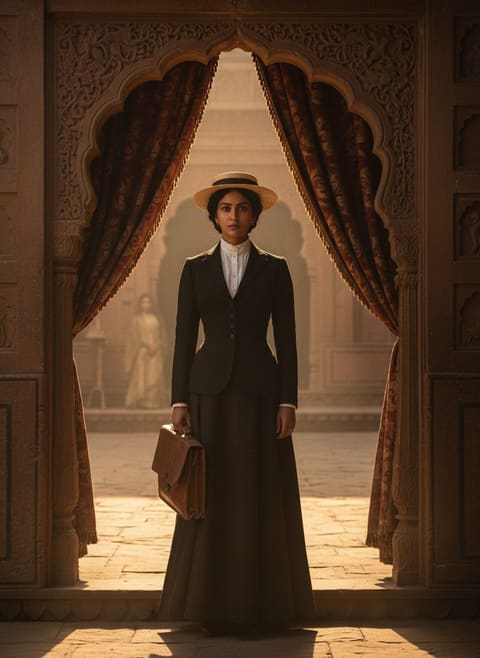
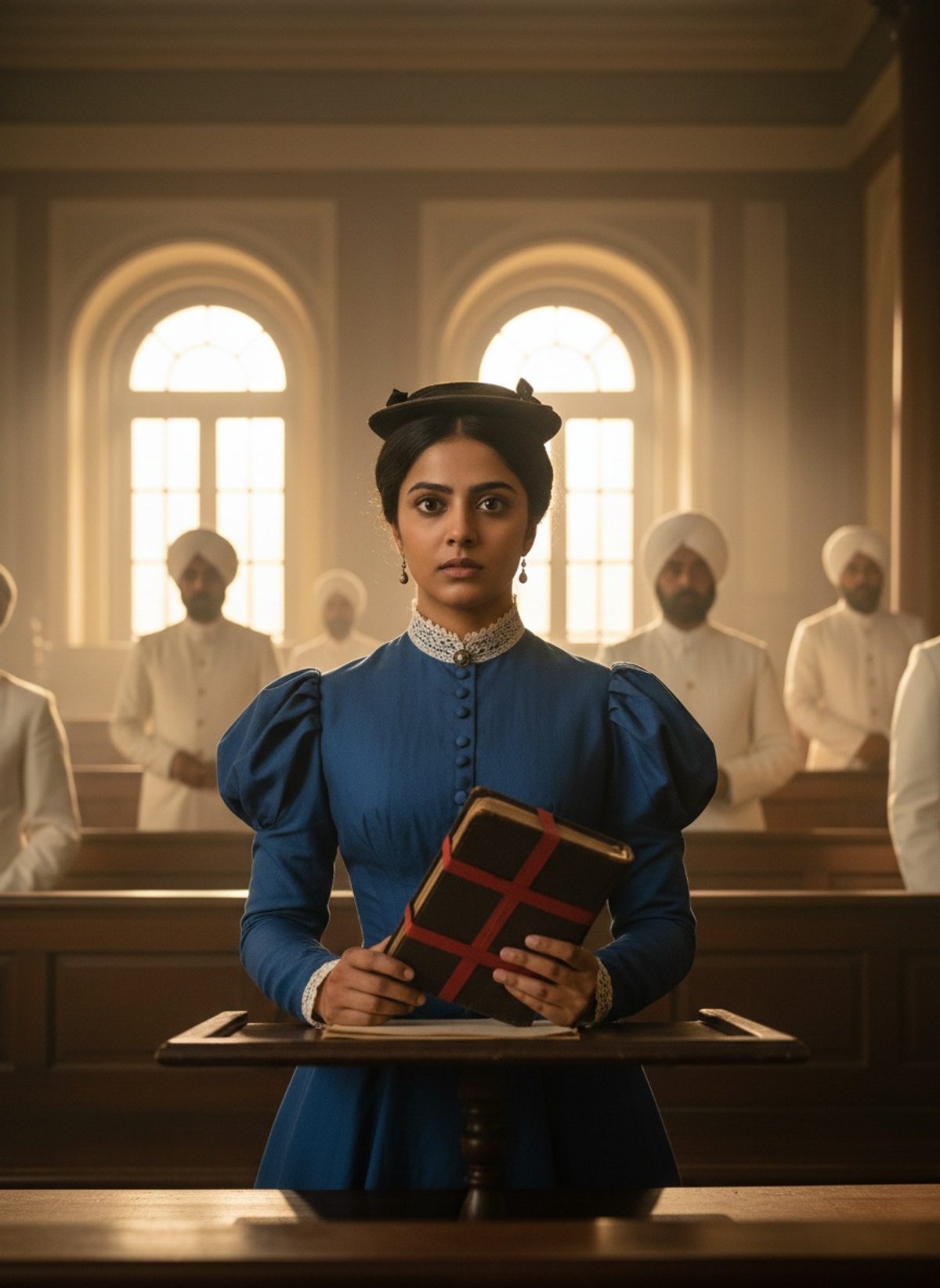
Cornelia Sorabji stood on the edge of history that day, stepping into an Indian High Court where no woman had set foot before. An unfamiliar figure to those in the hallowed halls of justice, she was the epitome of an enigma in the late Victorian era. The colonial legal system had no blueprint for her, yet here she stood, armed with knowledge and courage, ready to argue a case none but she could touch.
Cornelia was not just an anomaly for being a woman in a place of men; she brought voices silenced by tradition and law. The purdahnashin women, secluded and veiled, sought legal assistance for their ordeals, unable to communicate with male advocates. Cornelia, with her unique position and education, became their bridge—a solitary voice for hundreds, whispering justice in a court biased against such harmony.
A Journey of Firsts
Born into a family that prized education and equality, Cornelia was driven by an innate desire to dismantle barriers. Her academic journey led her to Oxford, where she courageously pursued law amidst skepticism and societal resistance. In an era when even the whisper of female potential was stifled, Cornelia became the first woman to sit for the Oxford law examinations, though her efforts were initially left unrecognized.
Read next: When Cornelia Sorabji Stood Before a British Judge and Won
Your imagination can fill the pages with the kind of resilience it took—a young Indian woman in the heart of the British Empire, confronting the age-old traditions of both her homeland and her educators abroad. Cornelia's resolve to break such powerful norms wasn't just a personal triumph; it was a statement to every woman who dreamed of standing in places deemed impossible.
Champion of the Secluded
In India, the legal system was not just a foreign import but an intricate labyrinth—one unlikely to change for anyone not aligned with colonial interests. The purdahnashin women, confined by gender and custom, had little hope of navigating its complexity. Cornelia's ability to communicate and empathize with them carved out a crucial niche.
Read next: When Surgeon Reade Operated by Lantern Light at Lucknow
Her work was not limited to an impersonal exchange of documents or an arm's length interaction. Each case represented lives entangled in customs that bound them, like Cornelia's hands as she worked. Through determination, she unravelled these knots, bringing results where despair had settled. Each victory in court echoed beyond legal records into the very tapestries of women's lives she touched.
The Ripples of Change
What unfolded in Allahabad wasn't merely a local occurrence; it rippled through the conscience of a growing world grappling with the question of a woman's place within it. Cornelia Sorabji's unique position and achievements were not just personal victories but a reimagining of potential for countless others.
The obscure blend of tradition and progress she navigated provides an essential lesson. It’s both a mirror reflecting today's ongoing journey toward equality and a lens through which one can critically view the evolution of woman's roles in law and society. Her legacy prompts us to consider: in challenging unjust customs, who will stand alone in court next? Cornelia Sorabji reminds us that against the odds, even a single voice can pave an uncharted path to justice.