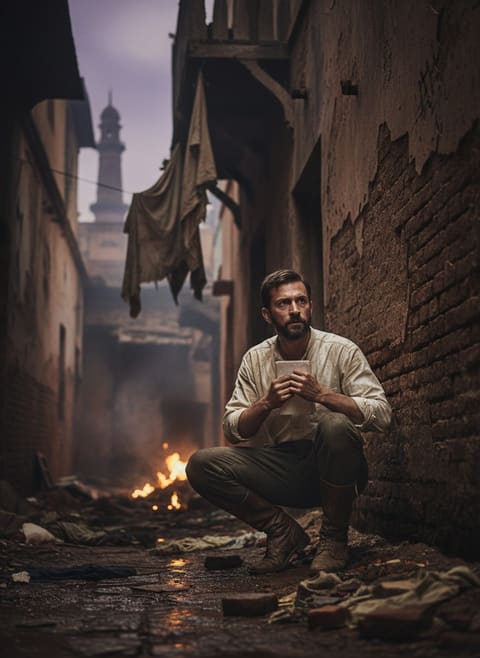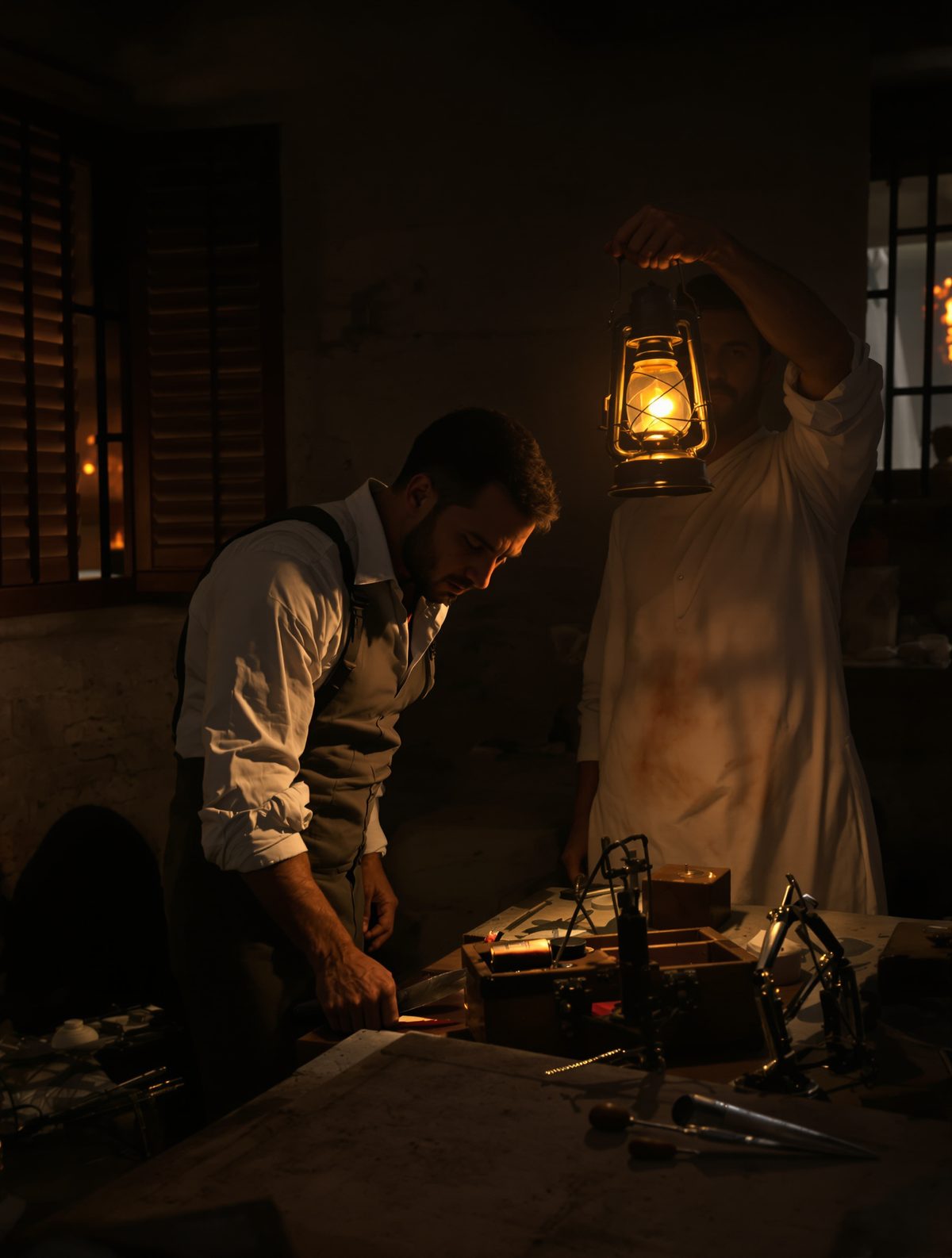
The acrid smell of gunpowder hung heavy in the air, mingling with the sharp scent of sweat and fear. Shadows danced erratically on the earthen walls of the cramped room as Surgeon Thomas Reade leaned over his patient, illuminated only by the flickering flame of a kerosene lantern. Outside, a volley of musket shots shattered the tense night, the cries of men and the ceaseless echo of cannon fire pervading every narrow corridor of the embattled Residency in Lucknow.
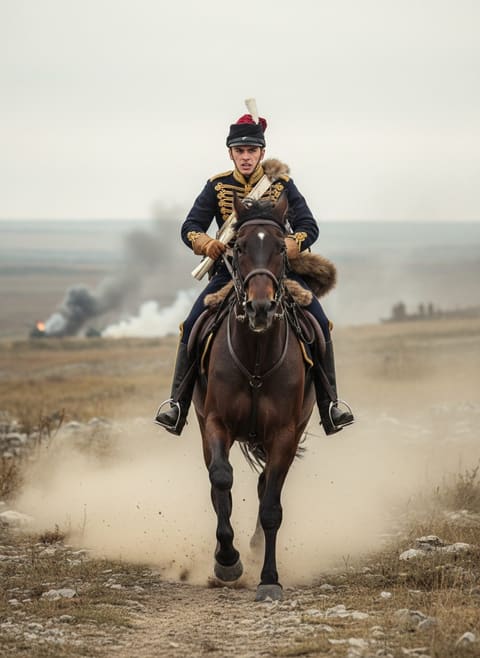
Lucknow, the jewel in the British Crown's Indian diadem, found itself amidst a tempest as 1857 unfolded into chaos. The Indian Mutiny, a tumultuous uprising against colonial rule, gripped the city, turning its palaces and parapets into theaters of war. The Residency, a stout symbol of Britain's imperial might, stood as a beleaguered island amidst the storm. As the rebels closed in, besieged defenders grappled with dwindling supplies, the burden of disease, and an unyielding enemy's relentless assault.
Surgeon Reade's fingers, nimble yet firm, moved with practiced precision. His eyes, strained under the dim light, never wavered from the bleeding wound that demanded his unwavering attention. The tools at his disposal were rudimentary—knives meant for field work, not the delicate art of saving men on the brink. His deftness and determination found no respite; the Residency had no true hospital, only makeshift shelters where soldiers laid waiting for help, their groans a haunting symphony that echoed through the night.
Each surgery was a race against time and mortality, a dance with fate where the stakes were a man's life or death. Reade had neither the luxury of morphine to dull his patients' agony nor the advantage of modern antiseptics to stave off infection. Yet, despite the cacophony and chaos, his resolve remained unshaken. The lantern's flame wavered as if mirroring his resolve, occasionally throwing his shadow against the far wall, a silent sentry in the night's battle.
Read next: When Cornelia Sorabji Argued for a Widow Before a Maharaja
Outside, the besieged soldiers held the lines with grim determination, their thoughts tethered to homes thousands of miles away. Inside, amid the whispers of despair, Reade embodied a beacon of resilience. His actions transcended the basic call of duty; they were a testament to human endurance and the indomitable will to stand against insurmountable odds.
The night wore on, each chime of the ceremonial clock marking another hour in a steely solitude known only to those who cradled life and death in their hands. Eleven surgeries before dawn—a Herculean feat by any measure. Lives pulled back from the abyss as bullets and cannonballs stitched patterns of destruction overhead. Such nights were not recorded in textbooks, yet they stirred to life the marrow of history, narratives too fundamental to be overlooked.
Read next: When Edmund Burke Stared Down an Empire in Parliament, 1788
The tale of Lucknow during the Indian Mutiny reveals a tapestry of courage, not only in the disciplined marches of uniformed regiments but in the silent resistance of individuals like Reade who navigated the night’s treacherous labyrinth to heal, not wound. The Siege of Lucknow is a storied battle often studied for its strategic and political ramifications, yet it is through the lens of personal valor that the heart of the struggle truly shines.
As dawn broke, and the first light of day scaled preciously over the city, it cast light and life on the faces of eleven men who breathed anew, lives tethered only by Reade’s midnight vigilance. Surgeons like Reade were not merely ministers of healing; they were sentinels against despair, their lanterns burning until the first rays of hope pierced the siege’s night.
This story matters not merely because it helps to illuminate a chapter of resistance and courage amid the Indian revolt. It fills in the unwritten spaces of the well-documented sieges and battles: spaces brimming with the untold quieter narratives that make history whole. Amidst the grand theatre of the mutiny, the simple act of a surgeon kneeling under lamplight to save a life provides a microcosm of grace under fire, a glimpse at the fierce humanity that often writes the most compelling stories of our past.