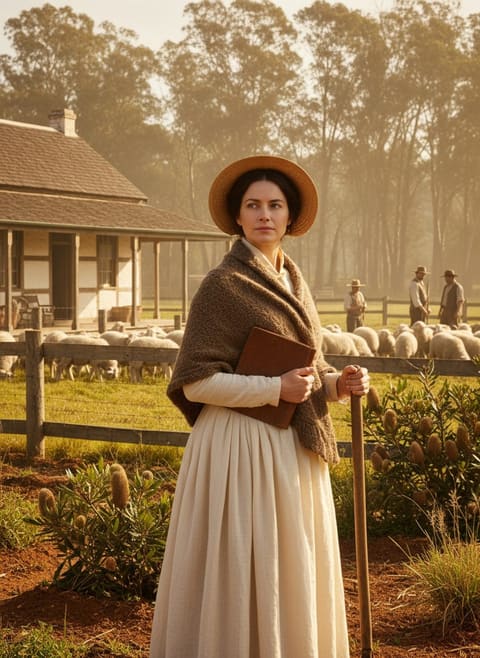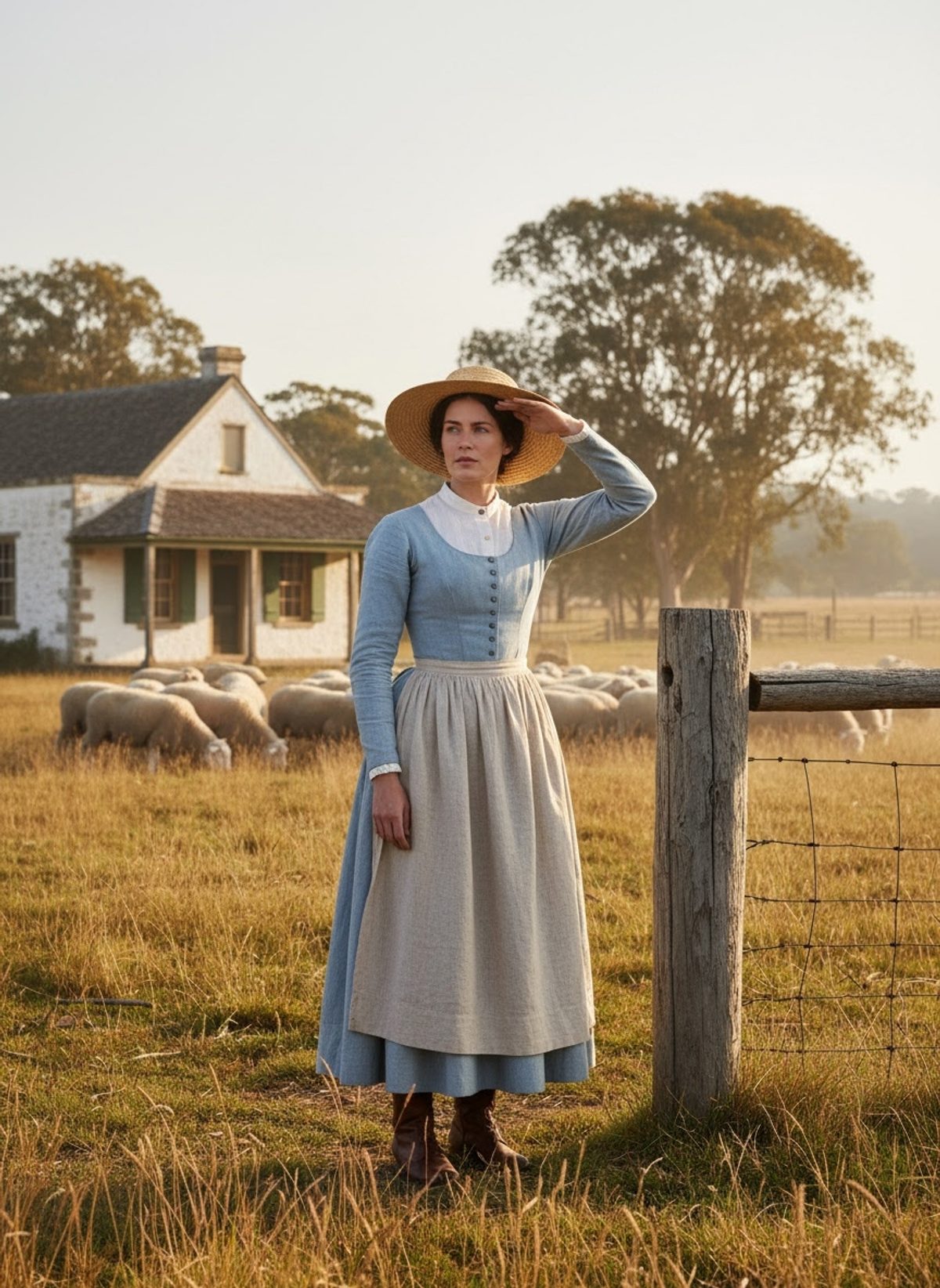
The morning air was crisp, carrying with it the sharp scent of eucalyptus, as Elizabeth Macarthur stood resolutely overlooking the sprawling expanse of her husband's beleaguered farm. The merino sheep grazed quietly, their fleece thick with possibilities that few imagined and fewer still believed in.
Yet, as Elizabeth watched them with determination, she understood that these sheep were not merely animals; they were the keys to survival and the seeds of a nascent industry that might just save the colony of New South Wales.
A Colony's Struggle
In 1801, the colony of New South Wales was a harsh and demanding environment, a fledgling outpost trapped in the throes of uncertainty. The settlers faced countless adversities: hostile terrain, limited resources, compounded debts, and constant tension with Indigenous populations.
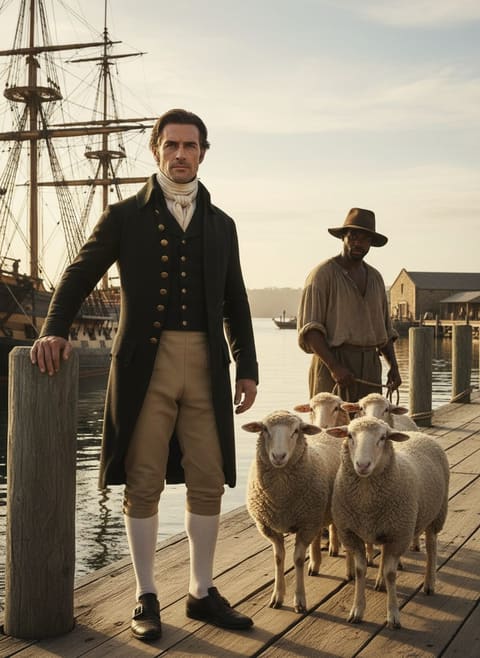
It was into this chaos that John Macarthur, an ambitious officer with grand dreams for a wool empire, found himself in a contentious duel, resulting in his arrest and subsequent shipment to England. All at once, Elizabeth Macarthur was left alone, responsible for the welfare of her children, a struggling farm, and the peculiar flock of merino sheep her husband had so passionately believed in.
Read next: When Thomas Peel's Settlers Starved on the Swan River, 1830
While many might have succumbed to despair, Elizabeth was undaunted. She had long been the linchpin of her family's affairs, managing the farm's day-to-day operations, holding fast to the belief that these sheep could be the lifeline the colony desperately needed. With methodical precision, she oversaw the daily tasks—tending to crops, nursing the flock, and navigating the often-turbulent waters of colonial politics. But most crucially, she nurtured the growing flock of merino sheep, heedless of the skepticism around her.
The Merino Miracle
Elizabeth's vision extended beyond mere survival; she saw potential where others saw obstacles. The merino sheep, bestowed with a prized wool coveted for its fine quality, represented a beacon of hope for the colony’s struggling economy.
She recognized that with careful breeding and management, these sheep could produce wool that would attract demand in the bustling textile mills of England. This was a gamble—not only did Elizabeth have to fend off creditors, but she also needed to overcome the disbelief from settlers who ridiculed her efforts as fanciful and doomed.
Undeterred, she implemented an astute breeding program, focusing on the sheep's wool rather than their meat, which was a revolutionary concept at the time. She meticulously recorded their breeding cycles and maintained the health of the flock, all while raising her children and keeping the farm's finances afloat.
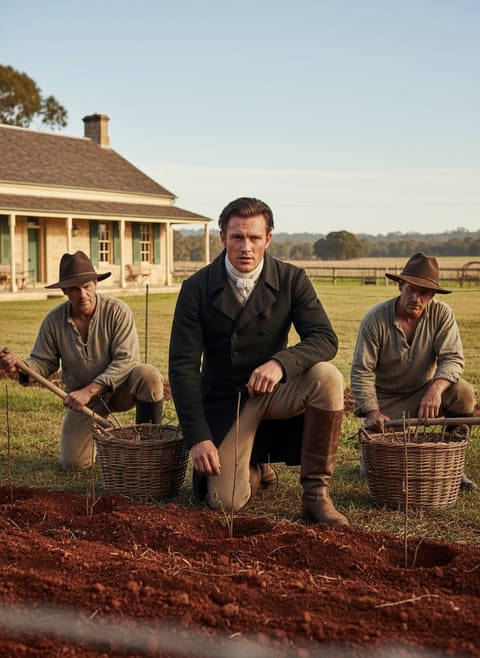
In the absence of her husband, Elizabeth cultivated alliances with other settlers, leveraging these relationships to secure grazing lands and ensure the wellbeing of her merino flock. This strategic thinking allowed her to sustain the farm until John’s eventual return, overcoming odds that seemed insurmountable.
The Unseen Support
Elizabeth's story is not merely about resilience; it's a saga of silent yet formidable strength. While John Macarthur confronted legal battles in England, Elizabeth's contributions largely went unnoticed by the patriarchal society of the time. Yet, those who paid attention knew the truth: her steady hand and forward-thinking foresight were instrumental in keeping not just the farm, but arguably the entire colony, from collapse during those turbulent years.
Her letters to John exuded not just intimacy and longing but a sophisticated understanding of farming techniques and colonial politics. She wrote with clarity and intelligence, detailing the progress and the challenges she faced. These letters, full of warmth and wit, illustrate a woman who was not only immensely capable but also deeply committed to the wellbeing of her family and the land she had grown to claim as her own.
Read next: When Caroline Chisholm Fed the Hungry at Morpeth, 1843
Elizabeth’s dedication resonated through the community. The prosperity she nurtured through her management of the merino flock began to bloom as a beacon of hope for the colony's settlers. Slowly, but surely, the derisive chuckles transformed into admiration as the wool from her sheep proved to be as exceptional as promised, setting the foundation for Australia's wool industry.
An Enduring Legacy
When John Macarthur finally returned from England, exonerated and ready to take back the reigns, he found not the depleted crop he might have feared, but a thriving farm and a burgeoning opportunity far beyond his original vision. Elizabeth’s eight years of unyielding dedication were not just pivotal in the survival and success of their enterprise but fundamentally changed the trajectory of colonial development.
Elizabeth Macarthur’s tale is a reminder of the indispensable, often overlooked role women played in shaping history. Her story, marked by quiet courage and unwavering resolve, underscores the importance of her contributions that have shaped modern Australia. In her hands, a flock of underestimated sheep became a cornerstone of an industry that helped sustain a colony, paving the way for Australia to become one of the world's largest wool producers.
In examining Elizabeth's story, we are reminded of the power of determination in the face of adversity, and the transformative potential of visionaries who see beyond the limitations of the present. Her legacy calls us to acknowledge those untold legends, hidden from textbooks but immortalized by their indelible impact on the landscapes we inhabit today.