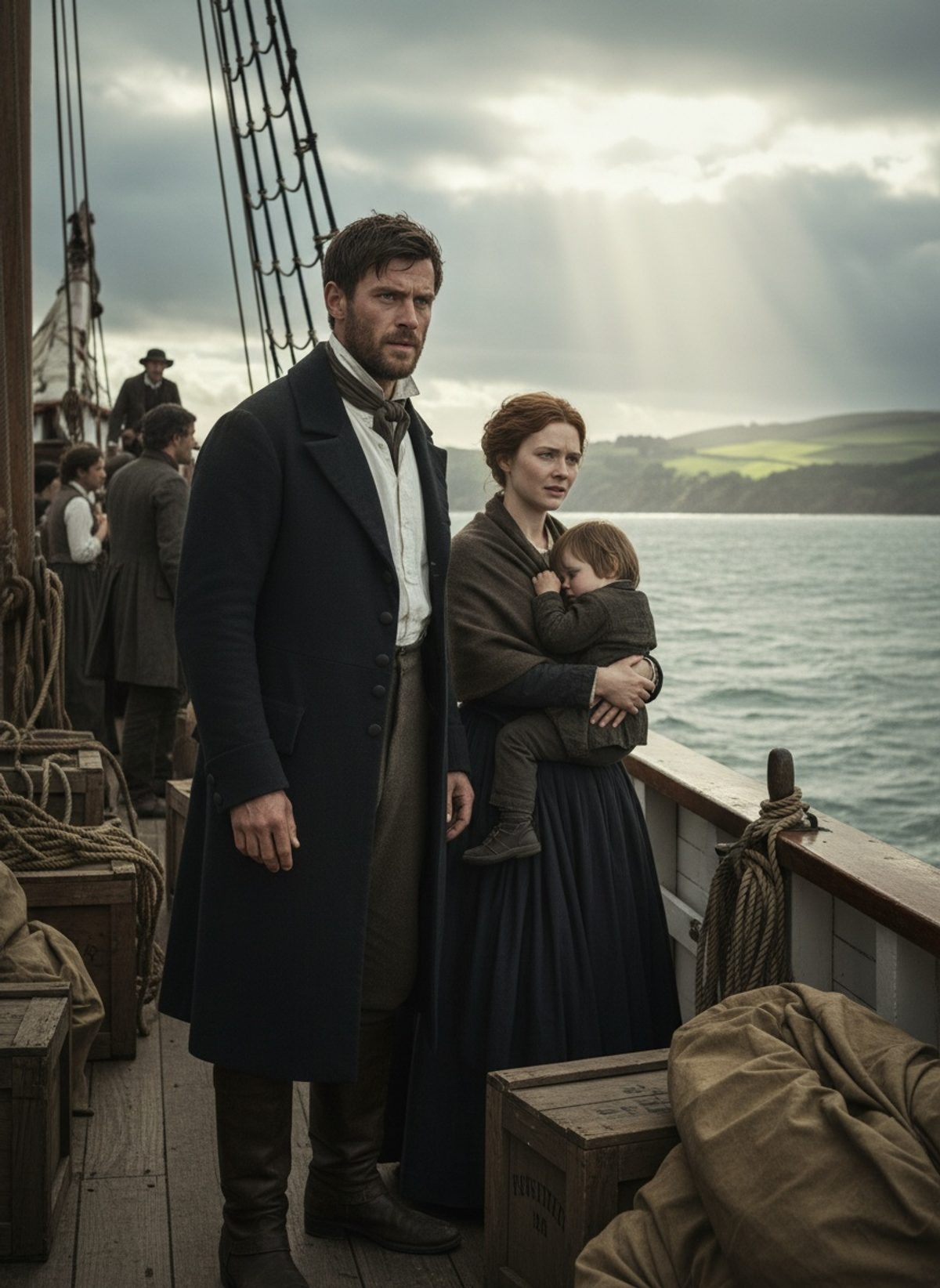
Edward Gibbon Wakefield crafted an ideal society. He had never visited the land where it would flourish.
In 1837, London was buzzing with the disruptive genius of a man who many regarded more as a dreamer than a planner. Yet, it was his radical vision of colonization that captured the imagination of Victorian England. Wakefield, who had never once stepped upon New Zealand's shores, saw not just a landmass but a blank canvas upon which he could meticulously strategize the birth of a new England. This was not a haphazard scattering of convicts or soldiers to foreign climes; it was, in its essence, an intellectual exercise poised to transform unspoiled landscapes into thriving, self-sustaining communities. Wakefield's intricate designs favored families over adventurers, farmers in place of opportunists, and clergymen leading in morality rather than militancy. The promise was undeniably alluring.
The differences between earlier colonial efforts and Wakefield’s proposal were stark. His scheme revolved around the notion of systematically transplanting not just individuals, but entire cross-sections of English society. He proposed selling land at a 'sufficient price'—a price high enough to fund the passage of laborers to the colony but low enough to encourage purchase, creating a balanced social order. In his view, the intentional and regulated spread of settlers would ensure a stable and replicable model of society that mirrored England’s own sharp hierarchies but offered the promise of social mobility and opportunity that the Old World could not.
In dusty committee rooms at the heart of the Empire, Wakefield's ideas began to take shape, penned meticulously in pamphlets circulated among the influential and the hopeful. These pamphlets, capturing the imaginations of citizens across the social spectrum, promised a land where one's pedigree or background did not foretell the only outcome. Land was not only a commodity but a vehicle of expansion and influence, a belief that lay at the core of Wakefield’s dream.
Read next: When John Macarthur's Rival Built a Free Colony, 1836
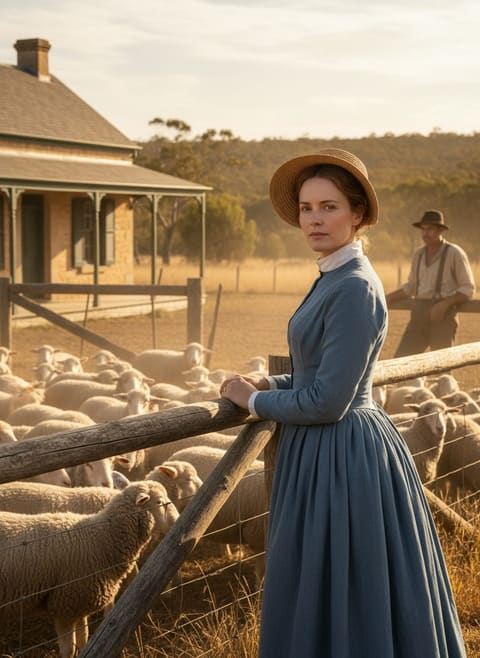
Wakefield envisioned settlements dotted with elegant churches, bustling market squares, and family homes nestled amidst a tapestry of fields—a picturesque amalgamation of the pastoral ideal and the bustling village. These scenes were not merely aspirational; they were meticulously calculated projections based on his societal theories. Despite the idealism, practicalities loomed large. Questions of indigenous rights, of coexistence, of environmental impact flared briefly in polite society but were often subdued by the grandiloquent tide of optimism.
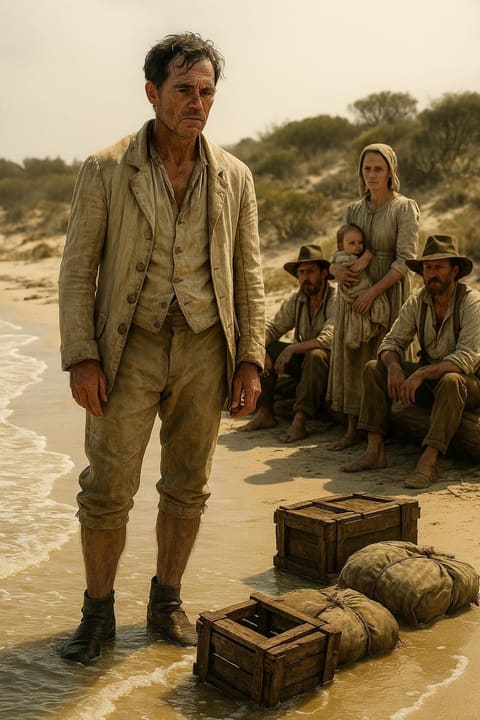
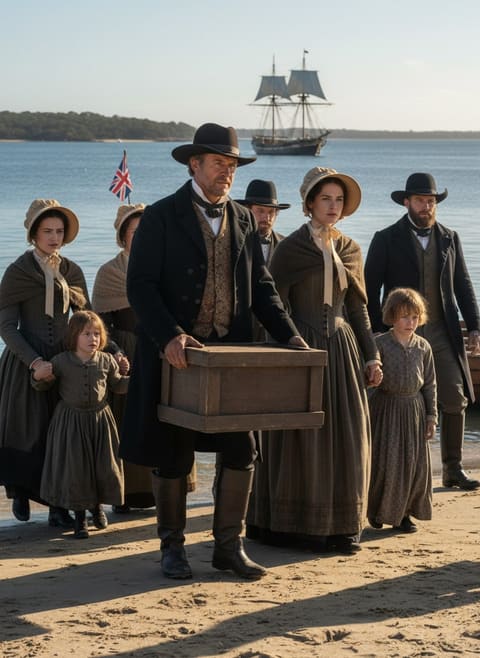
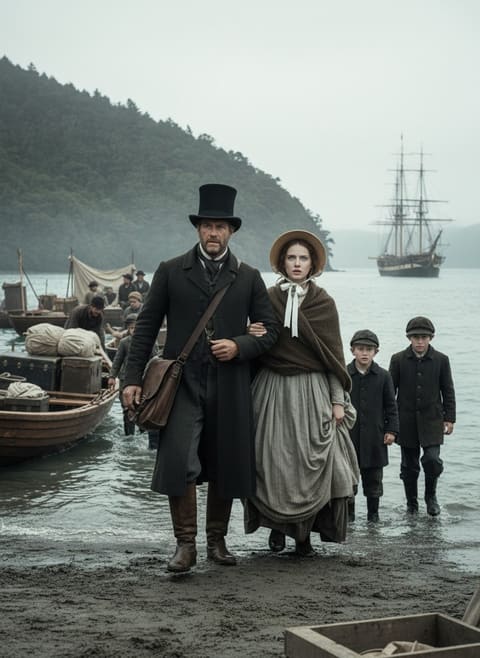
For those in England facing the grim realities of industrial squalor, the pamphlets might as well have seemed like golden tickets to a better life. Industrial cities teemed with those weighed down by soot and hardship, where prospects were dim and the mere semblance of pastoral beauty—coupled with opportunity—held immense appeal. To these people, Wakefield was more than just a theorist; he was painting futures. Ships sprang forth and communities launched into existence, carried swiftly by promises of land and liberty to the enchanting shores of Aotearoa, a place they knew only as New Zealand.
Yet, despite the fervor and exotic pull of his plans, not all was as tranquil nor as straightforward. The concept of terra nullius—land belonging to no one—was rooted deeply in expansionist ideology and frequently ignored the indigenous Maori tribes who had flourished there for centuries. Though less emphasized in Wakefield's grand vision, the complex dynamics awaiting the settlers included negotiations, disputes, and the inevitable tensions of two worlds colliding. The dreamy allure of unclaimed land belied the real human narratives intricately woven over generations before the settlers under Wakefield's vision ever set foot upon its hillsides.
As ships laden with hopeful families departed from English docks into the vast unknown, they represented both a profound leap of faith and an unmistakable naivete. Beneath decks teemed with life thirsty for opportunity, while diaries and newspapers chronicled their journey into what was termed as one man's utopian gamble. For some, the promise was fulfilled in fertile soil and newfound liberty. For others, the reality was harsher seas than imagined, contests over terrain and ownership that did not fit into the glossy imagery of Wakefield’s statements.
Read next: When Caroline Chisholm Fed the Hungry at Sydney's Gate, 1841
The reverberations of these initial settlements, sketched in distant committee rooms, are still felt today. Viewed through the lens of history, Wakefield's model of colonization stands as a complex tapestry—at once visionary and myopic. What made Wakefield's dream remarkable was not merely its ambition but its underlying faith in the methodology of building society from systemic principles rather than spontaneous spread.
Whether seen as an early architect of intentional communities or a colonial castaway untouched by the realities of indigenous disposition, Wakefield's legacy is evocative. In shaping a new England far from home, he left behind not just settlements but seeds of debate about how societies form and flourish, how dreams are broadcast across oceans, and at what cost those dreams are sometimes achieved.
Wakefield's dream reminds us that our blueprint for ideal societies always holds two faces—one of promise and innovation, the other of consequence and reflection. His vision continues to shape conversations about colonization and cultural impact, exploring the blurred lines between preparation and presumption, and the ever-complicated pursuit of utopia in untouched lands.