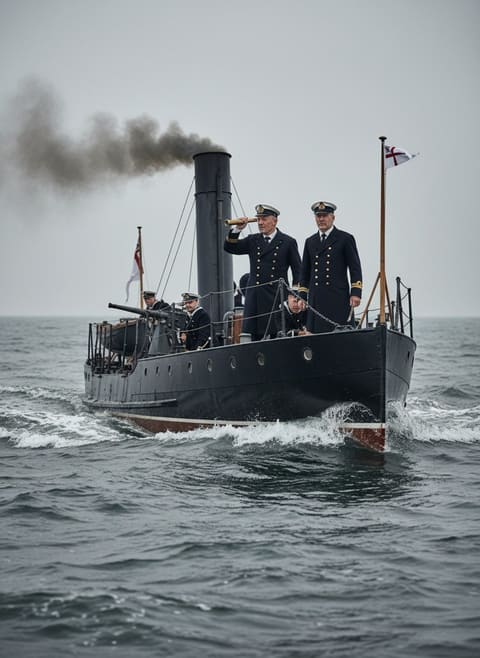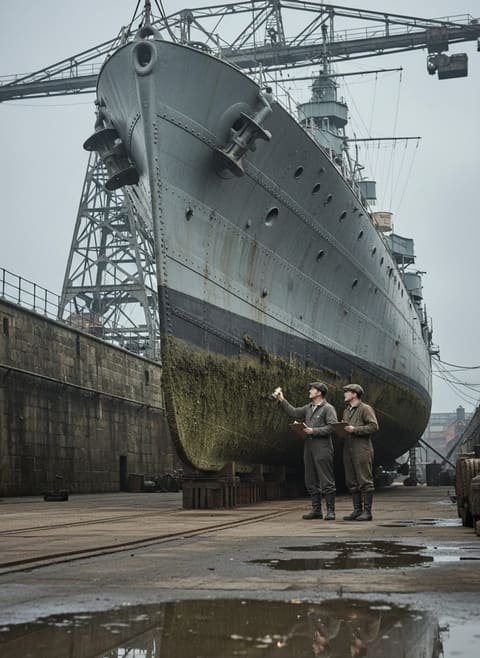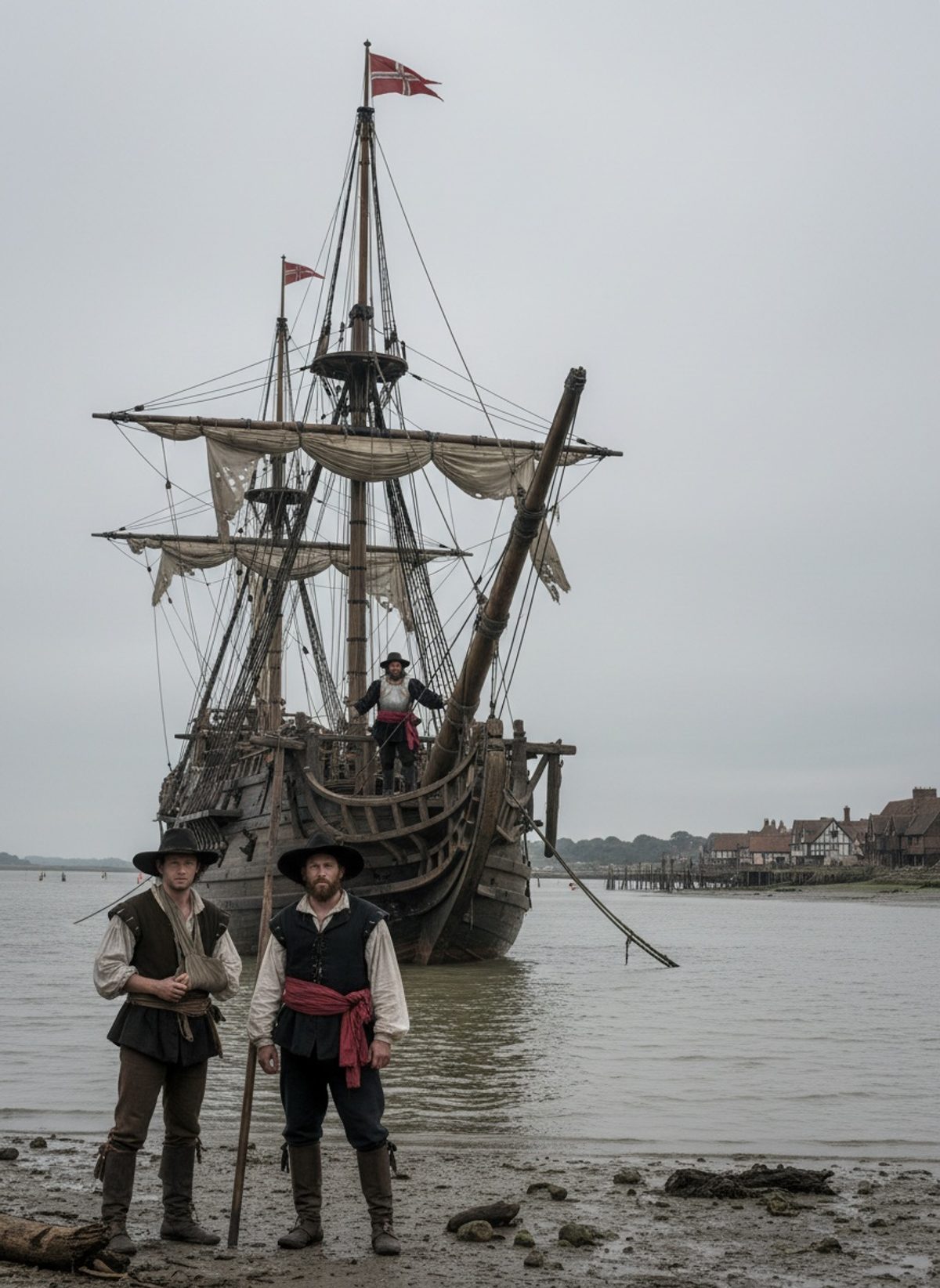
HMS Revenge sailed to face the invincible. It returned barely able to sail at all. This was the paradoxical plight of the ship widely celebrated in the ballads of the day, her name a whisper of triumph among the storm of Spanish ambition aiming to conquer English shores.
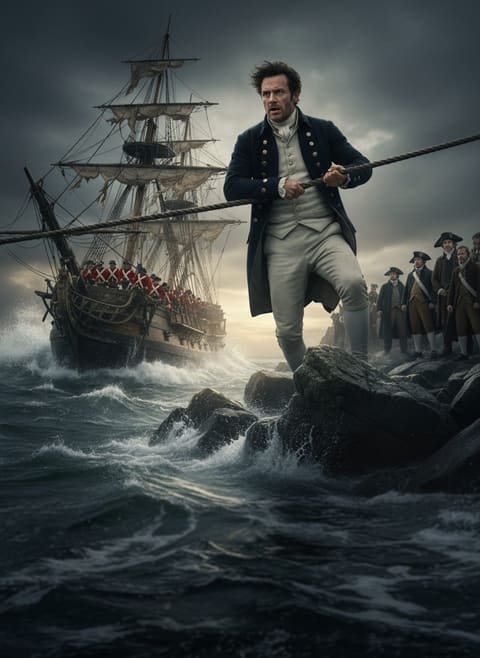
In July of 1588, Plymouth, a port town heavy with the salt of the sea and the weight of anticipation, saw the departure of HMS Revenge. The ship, a formidable lady of the English fleet, cut through the waters with 500 men brimming with courage and perhaps a hint of arrogance. England was a chessboard, and the Spanish Armada a colossal opponent moving against it. Revenge was not merely a ship but a symbol of defiance, a floating fortress tasked to disrupt what many believed was an unstoppable tide.
The Armada, a fleet King Philip II of Spain envisioned as the bringer of England's doom, was majestic in its terrible might. Well over a hundred ships strong, it bore down upon the English Channel like a thunderhead. Yet, the true battle was more elusive, one of attrition rather than cinematic conquest. The seas became their battlefield, but also their undoing; the fickle English weather aligning allegiances with Elizabeth I more effectively than any treaty or alliance.
Revenge's role was crucial. It was a ship that embodied the Elizabethan spirit—commanding, agile, and resolute, driven by a crew whose resolve was crafted as much by Queen and country as by pay and piracy. The English navy harassed the Armada, nibbling at its edges, refusing to meet the juggernaut in a fight of equals. This was cunning rather than cowardice, intelligence over intimidation. But it came at a colossal cost.
Read next: When the West Africa Squadron Hunted Slavers in the Dark
Disease was the stealthy enemy lurking beneath the decks of the scattered English fleet. Strains of hardship etched into the wood of Revenge's hull; its men dwindled under the grip of dysentery, a specter as deadly as any cannonball. The salt became their enemy, boiling in hot days and dampening under cold, relentless English nights. Sleep deserted them, replaced by the ceaseless vigilance against a naval goliath intent on their annihilation.
By the time the tumultuous sea campaign drew to a close, Revenge was battered. Her grandeur savaged, her crew reduced to a weary, wretched shadow of their former selves, she limped back towards Plymouth. Her return bore none of the pompous fanfare expected of a conquering hero. Instead, it was a hushed ghosting of a semblance of what left weeks before.
This moment was etched into the fabric of Empire untold—her straggling figure reflected not just survival but also humanity’s grit in the face of nature's capricious theatre. For the few aboard who could still raise their eyes to the approaching English coastline, the sight was both sanctuary and sepulcher. Of the 500 who embarked with purpose and pride, many were left on the lowering plank, their souls already consigned to the sea, leaving only skeletal frames unburied.
The homecoming of the Revenge onto the lips of the public was an anomaly. By rights, there should have been more vessels emerging over the horizon in organized retinue, banners flying—not a lone ghost ship draped in the aura of a somber miracle. England did not know whether to mourn or celebrate, to howl in fury at the cosmos or whisper prayers of gratitude for aversion of rout.
Read next: When HMS Birkenhead Went Down and the Men Stood Still, 1852
The Armada's defeat—while strategic and diplomatic genius—was painted with the unstinting hue of harsh absolutes. Berths once brimming with life now ghosted in silence, fathoms filled with tales not told. Men who returned did so carrying burdens not visible, stories of loss and survival left to huddle in shadows between creaking timbers, unspoken yet poignant.
The battle against the Armada was more than a military engagement; it was a pivotal moment that ignited a surge of nationalistic pride and mythos. Revenge was cinemascape in stone and sail—a chapter in the unfolding story of the seas that was as much Shakespearean in tragedy as victorious in spirit.
As she was the last to return, the HMS Revenge became an iconic figure not just of those harrowing weeks but of the resilience of a new rising Empire still defining itself against the measuring rod of its Catholic rivals. Her story is not merely about survival but about staring into the face of annihilation and finding the flicker of flame that refuses to be snuffed out.
What she taught echoes through history: that sometimes, limping into harbor is the greatest victory of all. In an age where might often dictated right, the creaking sails of Revenge whispered an anthem powerful enough to incline a nation to pause, reflect, and remember.