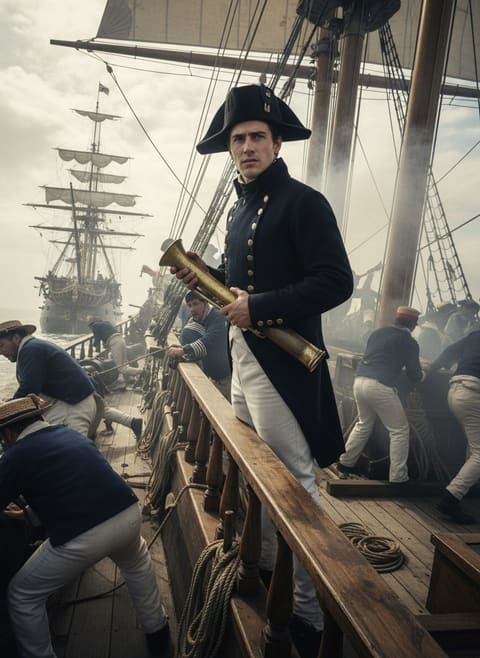
The Adriatic Sea in March can be an unexpected place of harsh beauty. The waters are cold and restless, tossing and turning beneath a sky painted with the gray hues of early spring. The sound of the wind slaps at the sails of any passing ship, casting a chill that seeps into bone and spirit. The sharp scent of salt fills the air, mingling with the anticipation that something monumental is about to occur. It was in the midst of such fierce conditions that a young British captain, William Hoste, found himself at the helm of a daunting challenge. Before him lay a formidable enemy fleet—four French and Venetian frigates. With only three frigates under his command, Hoste faced overwhelming odds. Yet, with a singular focus and a reminder of past triumphs, he signaled his crew with the words that had become legendary: "Remember Nelson." And with that, Hoste embarked on a daring assault that would mark the Battle of Lissa on March 13, 1811, as a pivotal moment in the Napoleonic Wars.
A Call to Arms in the Adriatic
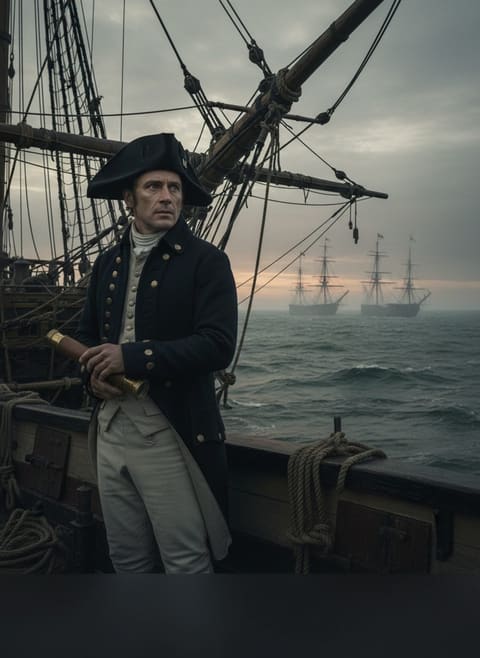
The Adriatic during the Napoleonic Wars was teeming with conflict, as nations clashed for dominance over sea routes critical to wartime logistics. It was a theater of naval engagements, where every captain knew that mastery over these waters could determine the fate of empires. Captain William Hoste, a protégé of the great Admiral Horatio Nelson, had been charged with disrupting enemy operations along this strategic coastline. Hoste's experiences under Nelson's command during earlier battles had instilled in him a sense of daring and naval acumen that would prove invaluable against the larger French-Venetian force.
Hoste's squadron comprised HMS Amphion, HMS Active, and HMS Cerberus, each manned by a crew well-versed in the art of naval warfare. His adversaries, on the other hand, boasted four potent adversaries: the flagship Bellona, flanked by the Favorita, Flora, and Corona. The odds were stacked against Hoste not only in numbers but in the strategic disadvantage of the narrow straits and potential reinforcements from nearby enemy ports.
As the day of engagement drew near, Hoste's daring leadership and charismatic presence invigorated his men, rousing them to prepare for battle in what seemed like an impossible pursuit. Hoste hoisted his signal, an homage to Admiral Nelson's own inspiring battle cry, which had once led them to victory at Trafalgar. The words "Remember Nelson" flew high against the muted heavens, its letters etched into the collective hope and determination that resonated through the decks of Hoste's ships.
Read next: When Jim Prescott Tried to Defuse the Bomb Inside HMS Antelope, 1982
The Clash at Lissa
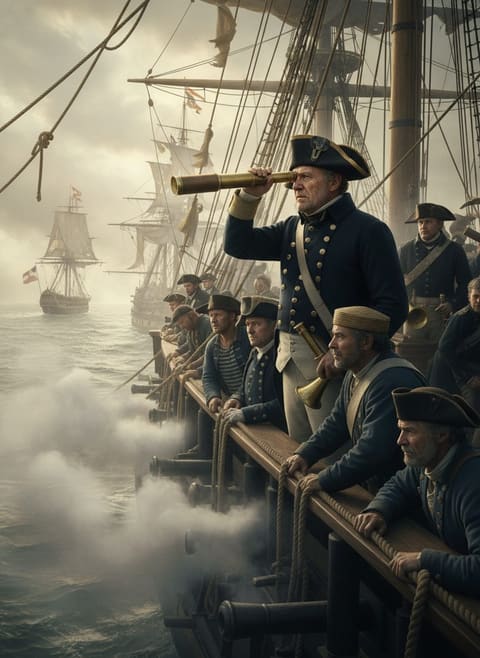
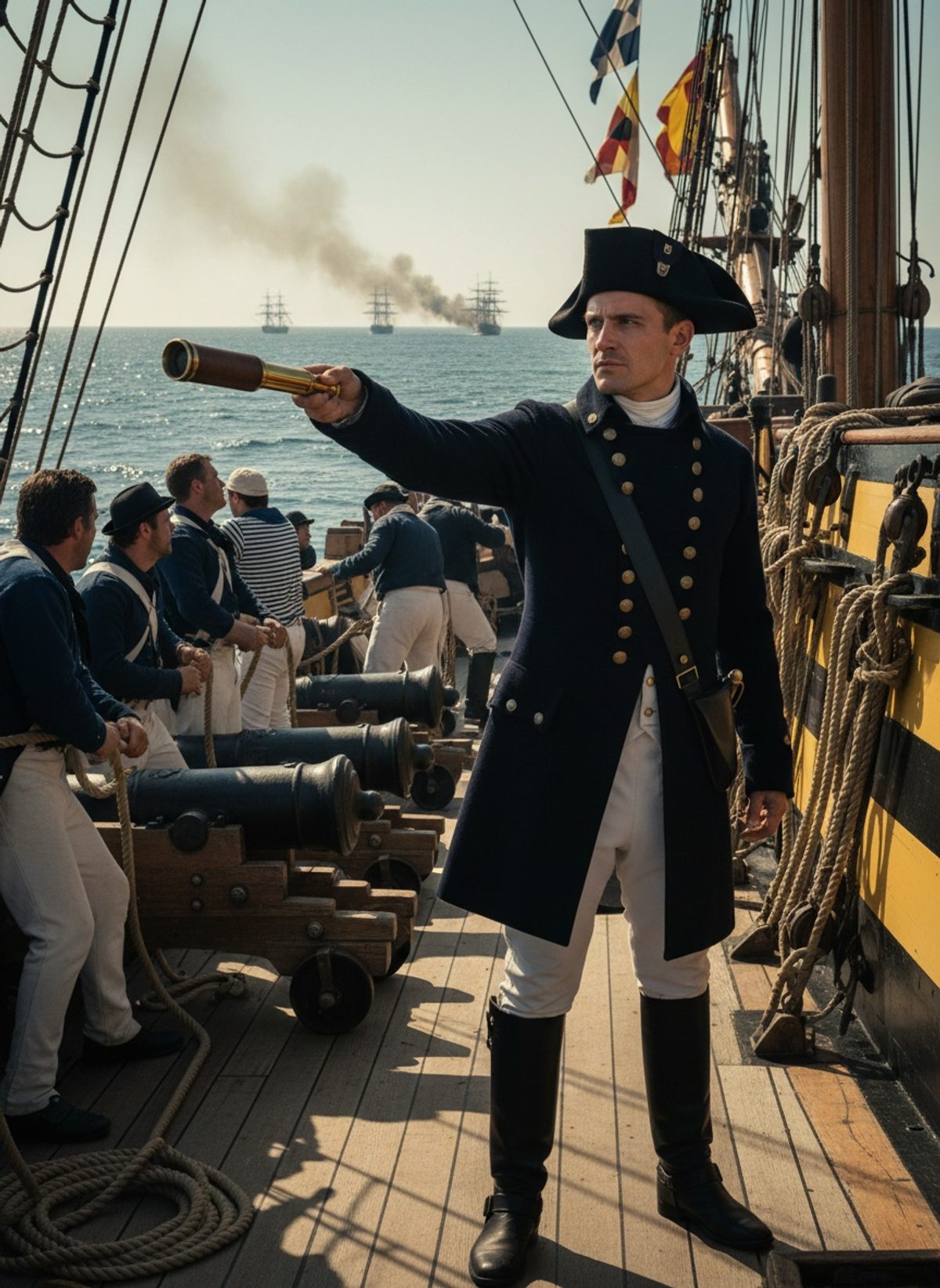
As the battle began, the British frigates maneuvered with agility and precision. Hoste's meticulous understanding of naval tactics enabled him to exploit every opportunity, engaging the enemy with daring aggression. The sound of cannons reverberated across the water as the ships exchanged broadside fire. Each shot sent plumes of water into the air or tore into the wood and flesh of the enemy vessels. The sea transformed into a cacophony of chaos and valor, with every passing moment crucial to the outcome of this hard-fought contest.
Hoste's strategy was as audacious as the man himself. He aimed to divide and conquer; using the Amphion as a battering ram, he cut through the enemy line, causing confusion and disorder among the opposing captains. Isolated by the maneuver, the enemy's tactical coherence faltered. Hoste capitalized on this disarray by launching coordinated attacks with his remaining two frigates.
The battle raged as the Amphion faced the Bellona, their sides alight with the flashing fire of cannonry. Meanwhile, HMS Active and HMS Cerberus engaged their respective foes with relentless assault. The clash extended into a test of endurance and skill. Hoste's men, spurred by their captain’s unyielding leadership, fought with unparalleled determination. The echoes of "Remember Nelson" melted into the relentless surge of water against hulls, mingling with the cries of battle and the staccato rhythm of artillery.
Read next: When Britain Turned Its Navy Against the Slave Trade, 1808
Victory Unveiled
As smoke began to clear from the bloodied waves, the magnitude of Hoste's victory emerged. By breaking the enemy formation and employing superior seamanship, Hoste's outnumbered squadron had succeeded in vanquishing the opposing frigates. The Bellona, struck severely and left floundering, was forced to capitulate, while Hoste’s determined pursuit saw the capture or destruction of the remaining frigates.
News of the Battle of Lissa resonated across Europe, a testament to British naval supremacy that surpassed even the boldest expectations. Although less celebrated today, Hoste's triumph over the French and Venetian forces reinforced the prowess of the Royal Navy during the Napoleonic Wars. A steadfast belief in leadership and tactics, fused with a tribute to Nelson, had secured a most improbable victory.
Hoste's daring engagement at Lissa stands as more than a mere footnote in naval history. It encapsulates the boldness and strategic lucidity that distinguished the British naval tradition in an era where wooden ships and iron men dictated the balance of power. In remembering Hoste's extraordinary feat, we honor an episode that echoed the spirit of an age—and, in its way, served as a powerful reminder of courage in the face of insurmountable odds. Such stories, while often overshadowed, define the legends left out of textbooks, waiting to be rediscovered and retold. As the waves of the Adriatic wash over the site of this historic battle, the legacy of Captain William Hoste remains etched into the annals of maritime lore, a tale of valor against the thrumming backdrop of naval supremacy during the Napoleonic Wars.