July 5, 1888. The factory walls seemed to sweat with the oppressive heat.
In the grim heart of the East End, within the brick confines of Bryant and May’s match factory, a storm brewed that would soon echo across the fabric of Victorian society. The air was thick with the acrid stench of phosphorus, a poisonous perfume emblematic of the oppression faced by the match girls who toiled within. For these young women, scarcely more than children, the factory was more dungeon than workplace. Struggling to keep dignified in their stained clothing, they moved with grim determination amidst the shadowy interior, the air a cocktail of dust and danger.
Striking a Match in the Shadows
To these girls, earning a mere tuppence a day was the reward for a punishing fourteen-hour shift. The promise of bread to fill their aching stomachs was constantly undermined by the invisible and insidious enemy they battled: phosphorus. The harsh reality was jarred into focus as their jaws slowly succumbed to "phossy jaw," a condition grotesquely eating away at their bones, while factory owners turned a blind eye. Because of the yellow-tipped matchsticks that symbolised modern advancement, these girls had to endure a life plagued by decay and disfigurement.
When news of their plight reached activist Annie Besant, it was as if a fresh breeze had entered the suffocating alleys of Bow. Besant, a formidable force for social change, knew well the power of the printed word. Her publication exposed the factory’s misdeeds, fanning the kindling of outrage, and laid bare the inequities faced by these girls. The reaction from the factory's brass was swift and merciless; they dismissed anyone suspected to be a ringleader, assuming this would silence the cry for justice.
Read next: The Day a Printer's Devil Gave Blind Britons Their Voice
But in an unexpected twist of fate, this provocation ignited a fervor among the workers that would not be extinguished. On a day that history seemed set to forget, 1,400 match girls found their voice. Casting aside their fear, they filed out of the gates and onto the cobbled streets, leaving their crates and benches behind. Unlike their timid, low-lit workplace, the open world basked under the keen sun, imbuing them with a newfound boldness.
The March of Defiance
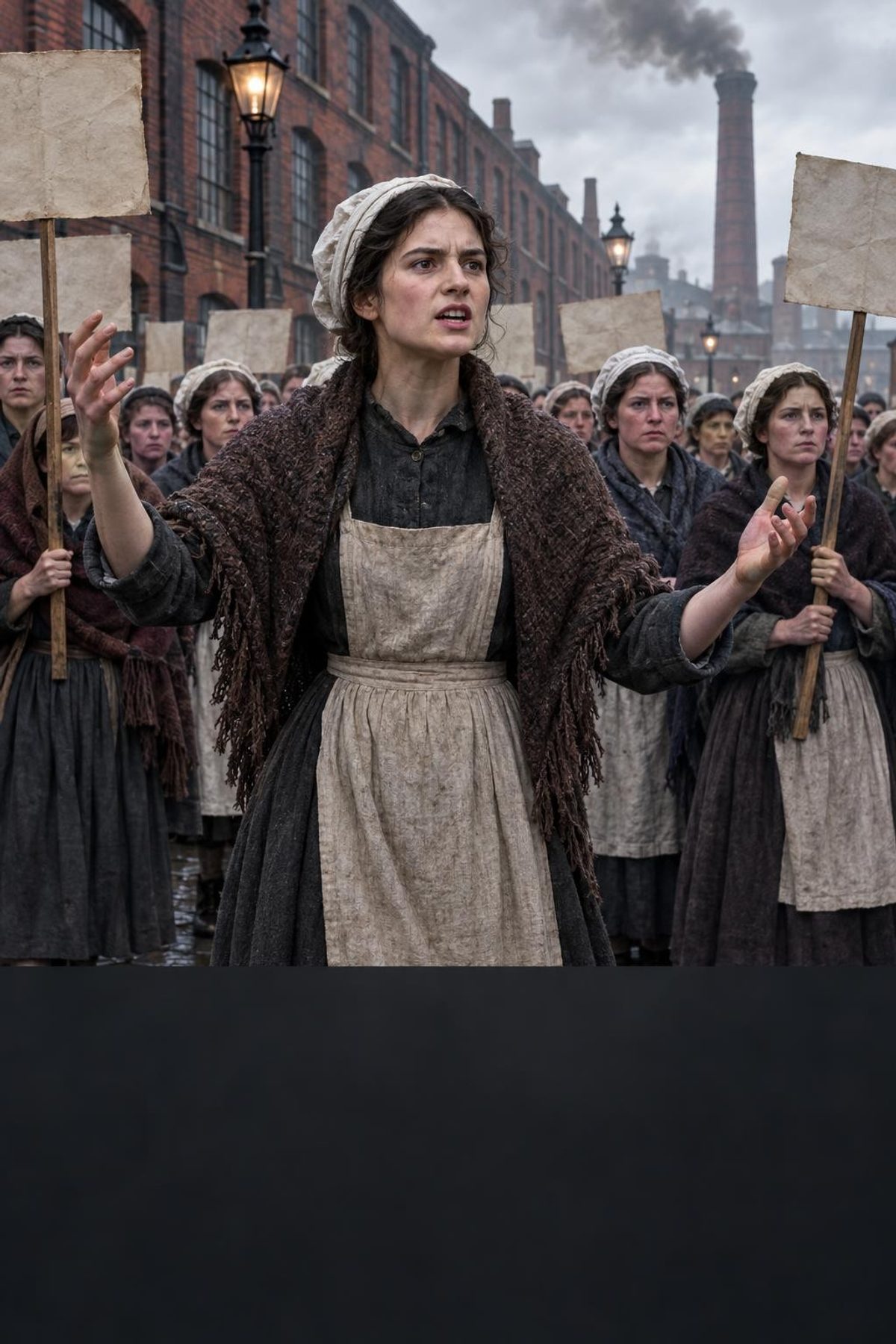
The women gathered, their numbers an ocean of white aprons and defiant faces. Determined underdog heroines, they made their way toward the affluent heart of London, carrying with them a prayer that this journey would change not only their lives but the fate of many thousands. A migration of laborers began, a procession against punitive privilege. They moved like a wave, each step resonating through the city’s veins, past markets that buzzed with curious chatter, past homes where curtains twitched nervously. What charged these streets was not only anger but hope, something tangible and powerful.
The establishment watched as this motley band of workers ignored convention, demanding to be heard amid a society that seldom paused to listen to their kind. The sight of the stoic marchers was a curious spectacle even to the most jaded Londoners. News of the demonstration reached the ears of pivotal figures, including supporters within the trade union organization, who were inspired by the audacity of the Bow brigade.
And so it was that the match girls stood at the throne of power, refusing to be diminished or dismissed. Their impassioned cores claimed the spotlight, overshadowing scenes of otherwise commonplace labor disputes. They weren’t just striking for their rights but crafting a new landscape in which worker grievances could not simply be swept away by dismissal or denial.
Read next: The Brigade That Held When the Whole Line Was Breaking
Lighting the Path to Change
Their action did not meet deaf ears. For once, the clockwork machinery of societal change ticked in favor of the overlooked workers. The match girls’ bravery incited a wave of support from newspapers, union advocates, and public sympathisers. Bryant and May, caught in the lurch and responsible for widespread scrutiny, buckled under the pressure. Their triumphant return to work was not just the end of a strike but the birth of something more enduring—a promise of reforms, heightened awareness, and improved conditions.
This movement’s reverberations cascaded through history, invigorating the emergent trade union scene within Victorian Britain. These docklands girls had ignited a beacon for labor rights, an impassioned symbol often lost amongst the laurels of grander narratives. The factory walls that had once squelched their cries now stood witness to their legacy.
The triumph over inhumane conditions in a factory born from exploitation was more than an industrial clash, it highlighted the struggles of countless silent workers. In a society clasped tightly by its hierarchical hand, this unexpected rebellion marked the beginning of an irreversible shift. It was David against Goliath; it was workers against the system. But, above all, it was a reminder that change often arises not from those who wield power, but from those who dare to demand it.
Though history books might marginally mention their tale, the match girls and their resolve remind us of the enduring power of collective action. Their victory set a precedent—change can begin with the simplest gestures, by the humblest hands, lighting the way toward a more just world.