Medical schools in Victorian England were no place for women. Yet, in 1865, Elizabeth Garrett stepped into one and made history.
A Locked Door and an Unwavering Determination
The bustling streets of London in the mid-19th century were teeming with life, ambition, and strict societal norms. Victorian Britain was a world where the idea of a female doctor was unfathomable to most. Elizabeth Garrett knew this better than anyone. Born in Whitechapel, London, in 1836, she grew up in a family that valued education and progress. Her father, Newson Garrett, was a successful businessman who instilled in her the belief that determination could break down barriers. But even he might not have foreseen the tenacity his daughter would display in pursuing her dream of practicing medicine.
Elizabeth's first encounter with institutional resistance came when every medical school in Britain slammed its doors in her face. Undeterred, she devised other ways to gain medical knowledge, attending lectures at Middlesex Hospital by disguising herself as a nurse. Her perseverance paid off when she encountered Elizabeth Blackwell, the first woman to receive a medical degree in the United States. Inspired, Garrett set her sights on the Society of Apothecaries exam.
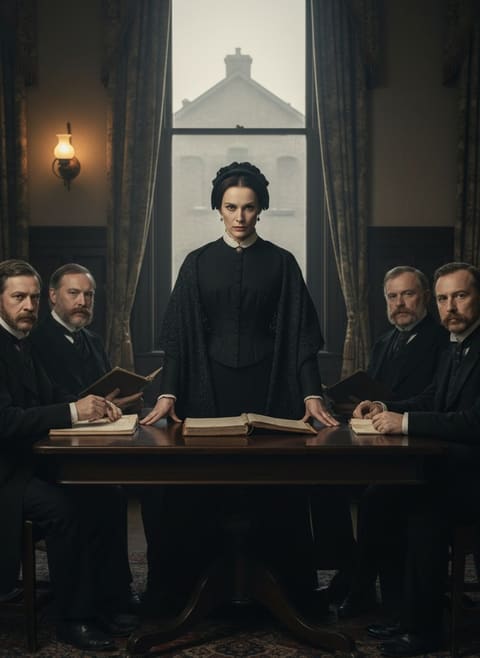
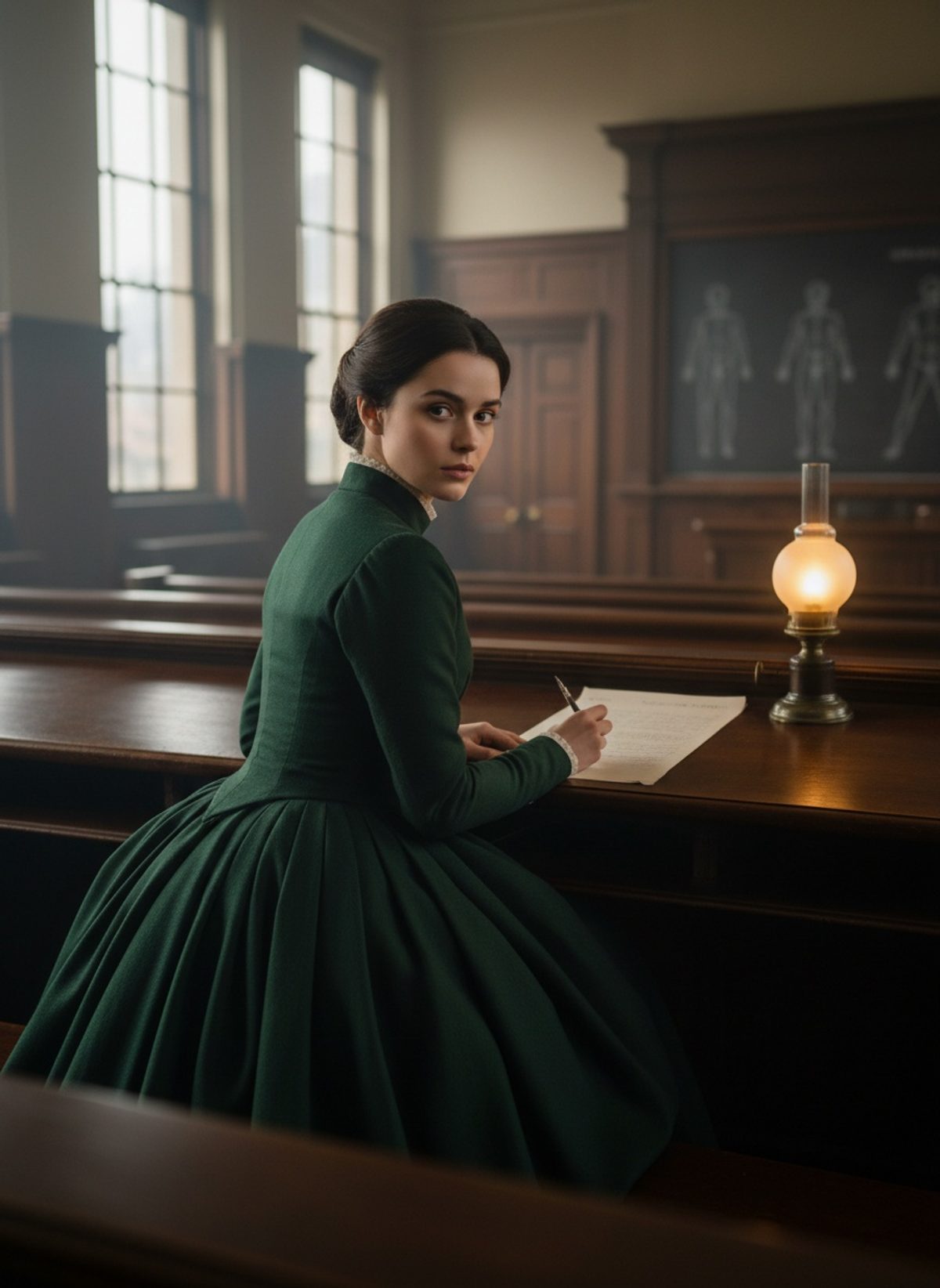
The exam was a formidable challenge for anyone, especially for a young woman defying the era's restrictive conventions. On that fateful day in 1865, she walked into the examination hall alone. The air was thick with both skepticism and the weight of history. The men who occupied those spaces must have watched her with a mixture of incredulity and amusement, for they were sure she would not pass. Yet, the brilliance of Elizabeth Garrett could not be denied. She passed — and not merely passed, but at the top of her class. The Society had no choice but to grant her a license, making her the first formally qualified female physician in Britain.
Read next: The Day a Blind Schoolmaster Mapped Every Child's Mind
Teaching the World a New Order
Elizabeth Garrett's triumph was not simply a personal victory; it illuminated a path for women in medicine and beyond. Her qualification immediately met with obstacles. No hospital would employ her, and so she established her own practice in London's Marylebone, a clinic that offered treatment to a growing number of patients intrigued both by her skill and the novelty of being treated by a woman.
Determined that others would follow in her footsteps, Garrett founded the St. Mary's Dispensary for Women and Children in 1866, which later became the New Hospital for Women, staffed entirely by female doctors. Her belief in the capacity and capability of women catalyzed a movement towards medical education reform. Her next step was even bolder: seeking to establish a legitimate medical school for women. In 1874, with other pioneering women, she helped to found the London School of Medicine for Women, providing a dedicated space where female students could pursue medical studies without fearing bias or ridicule.
Even as she navigated her career, Elizabeth's life choices reflected her unyielding spirit. She married James George Skelton Anderson, with whom she had two children. Their partnership challenged the era's conventional norms, as Anderson supported Garrett's career and ambitions — an uncommon practice during the time, where a woman's duty often lay solely within the domestic sphere.
Read next: The Day a Surgeon's Son Freed a City's Children From the Dark
Beyond Medicine, a Trailblazer for Women's Rights
Elizabeth Garrett's impact transcended the medical field; she became a symbol of the broader women's rights movement. As a founding member of several suffrage societies, her career amplified the message that women deserved the right to vote and participate equally in all facets of society. Her sister, Millicent Garrett Fawcett, a prominent suffragette herself, may have been inspired by Elizabeth's undaunted spirit, proving again that commitment and kinship can fuel societal change.
Her work garnered recognition, and she was later elected as the first female mayor of Aldeburgh in 1908, another glass ceiling shattered. It was unobtrusive yet rebellious acts like these that made viable the radical notion that women could govern well, just as they could heal. Elizabeth’s advocacy for women was consistent with a devotion to improving their access to healthcare and education, albeit against increasingly harder opposition as her fame grew.
When Elizabeth Garrett sat for her examination all those years ago, alone in a room filled with doubt, she couldn't have known precisely how far her journey would reach. Yet, her impact extends into the present day, interwoven with every woman who practices medicine in Britain and beyond. Hers was a victory of intellect over ignorance, of passion over prejudice. In a world that legislated against her very ambition, Elizabeth Garrett crafted her map and lit the way for countless others. Because of her, what medicine means — and who it includes — changed forever.