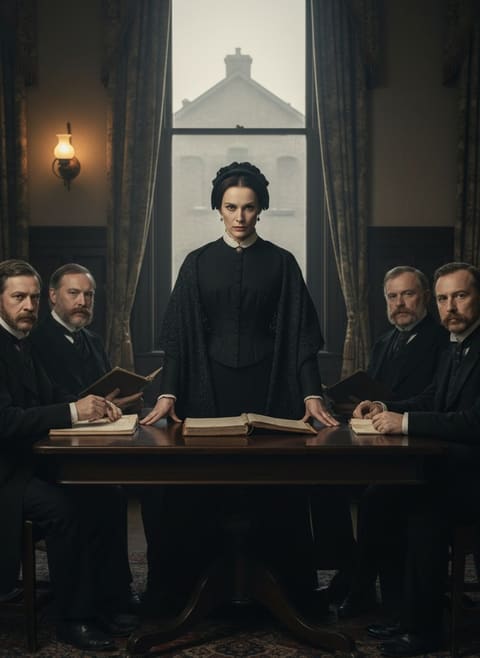
Most people passed through Whitechapel just as quickly as they could during August of 1866. Thomas Barnardo did the opposite.
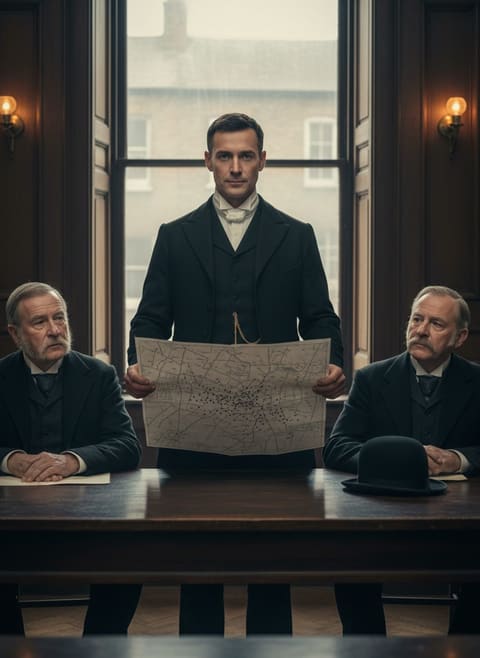
Whitechapel, East London — a district that clung to the shadows cast by its own infamous reputation. The summer of 1866 saw its narrow streets and heaving rookeries haunted by more than the usual spectres of poverty. Cholera, that relentless spectre, stalked the cobbles, claiming victims with merciless regularity. In a city groaning under the weight of industry and empire, here was a place screaming silently for relief. Yet, as the danger crystalized in public fear and sent those who could afford it scrambling for safety, a singular figure chose to walk deliberately into the heart of the inferno.
Thomas Barnardo, a medical student, was neither a native nor a stranger to the harrowing realities of the urban poor. Born in Dublin to a modest family, Barnardo had come to London driven by a fervent resolve to serve. An earnest young man with a surgeon for a father, he saw medicine not just as a profession but as a calling, and perhaps, his true vocation had begun to whisper to him as he walked the streets of the East End. Yet, nothing could have quite prepared him for what awaited in Whitechapel’s dark alleys.
The outbreak had emptied many of the more genteel parts of London, replacing familiar faces with a tense quietude. But Whitechapel was never made of genteel stuff. The district was a microcosm of survival against the odds, where every tenement and court had long since made friends with squalor. Barnardo found himself surrounded by evidence of the desperate resilience of life — barrowmen plying their trade, jostling children in thin layers of grime, and women weaving through the throng with baskets on their heads. Here, cholera’s reign was both swift and brutal, finding ready hosts among those already weakened by hunger.
Read next: The Day a Surgeon's Son Gave London's Poorest a Voice
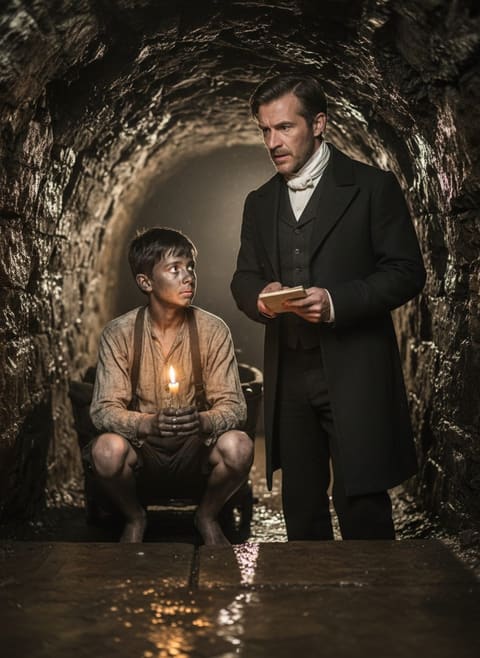
As Barnardo trudged further into this maze, he discovered a tragedy writ large on the faces of its inhabitants. It was not merely the pervasive illness but the grim calculus of what the disease had stripped away — hope, dignity, the tenuous camaraderie that fear could not break. In these forgotten corners, children roamed free of adult eyes, little spectres themselves with no guiding hand. He encountered families torn apart by the unseen claws of the epidemic, homes ravaged, dreams shattered even before they had time to form fully. In another world, these conclusions could have caused a young man from outside to turn back, but for Barnardo, they became a catalyst.
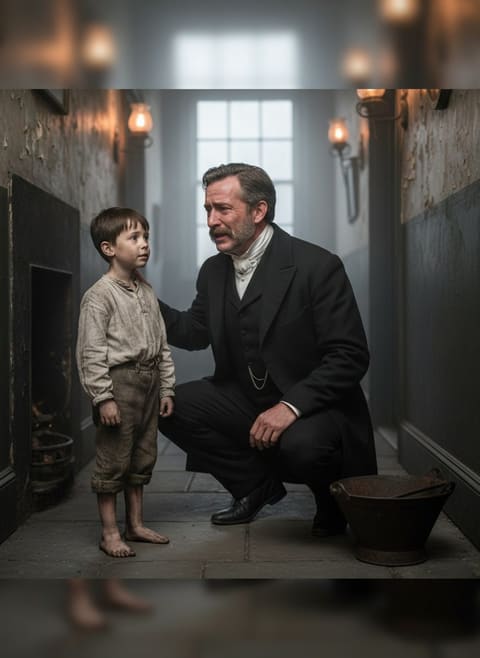
The pivot of that experience was the solitary resilience of an unassuming child. As he walked the slum’s pathways, the sight of hollow-cheeked urchins struck him. But it was an encounter with one particular child, a boy alone and clearly adrift, that seared itself into his soul. Alone, though not intent on remaining so. Here was the embodiment of Whitechapel’s battle — fierce, struggling, yet undimmed even by the threat of losing everything. For Barnardo, it was as though the boy’s haunted eloquence demanded an audience, a promise, a pledge that this raw suffering would be acknowledged, and, if anything dared, addressed.
Read next: The Day a Blind Schoolmaster Mapped Every Child's Mind
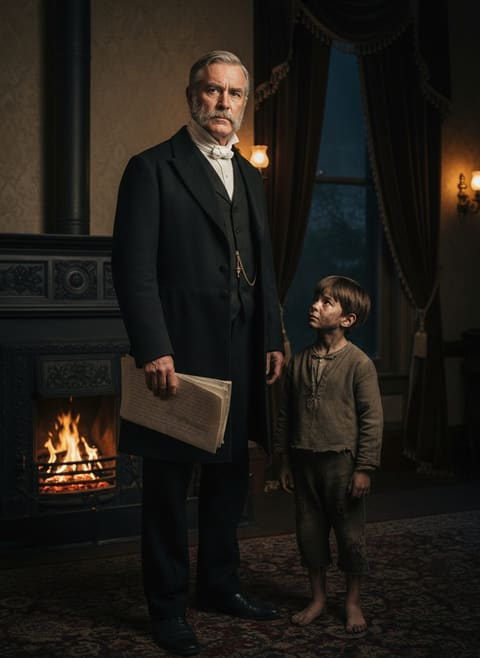
This transformative moment was the germinating seed of an idea that would spread roots not merely into the flagstones of Whitechapel, but deep into the collective consciousness of Victorian Britain. Barnardo would later establish his eponymous homes for destitute children, grounding them in a philosophy born amidst cholera’s ravages — no child turned away. It was to be an enduring ethos in a place that had shown him the true face of desperation and humanity enduring together without the edifice of pretension to mask simple, brutal truth.
The resonance of Barnardo’s legacy would echo through policy and acceptance, as Britain faced the glaring inequities of the Industrial Age. But it was Whitechapel’s burning heart that had chosen him, a heart seen still beneath layers of distress by a young doctor who dared to regard it directly. To his contemporaries, his endeavors were audacious, enlightened perhaps, a reflection of a youthful idealism not dulled by the hardships it witnessed. To history, they prefigured a movement; they lit a path for reform not just for the flesh, but for the nation’s soul.
In retrospect, that formative walk into the suffering of the poorest of London would alter the trajectory not just of one man’s life, but of countless others. It was a story shared in lessons taught not through textbooks or lectures, but through action and heartache, an understanding that one look beyond the veneer of one’s own comfort could change everything. Barnardo’s story is a testament to the enduring power of one person’s resolve to meet darkness with determined light, a reminder that the forces forging a kinder, more just society often find their origins in the dim-lit meeting of compassion and need. As London grew, charting new courses through time, it never quite forgot the doctor who walked into the fire through Whitechapel’s courts — and neither must we.