He was seventy years old. His arm still raised a shield when others faltered.
The Anxious Veil of Autumn 1216
England trembled under the weight of uncertainty as the autumn of 1216 arrived. King John lay dead, leaving behind a kingdom clawed by discord and division. His heir, a mere child of nine named Henry III, faced the staggering specter of a realm teetering on the edge of dissolution. French forces held much of the land, and the young boy’s claim to the throne seemed a fragile filament in a tapestry of war and ambition.
In the shadows of castles and the bustling streets of towns, whispers spread about who would dare to champion the boy king. It was not a task for the faint-hearted. Across the English Channel, a powerful enemy loomed in the form of Prince Louis of France, who had already seized London and was poised to snatch the crown.
Then stepped forward an unlikely figure — William Marshal, the Earl of Pembroke. He was known not for political maneuvering or royal blood but for his unyielding honor as a knight and unparalleled skill in battle. When others saw a lost cause, Marshal saw an opportunity for valor.
Read next: The Day a Boy of Ten Was Crowned King of England
The Oath of Loyalty: A Knight’s Stand
The scene at the hastily convened council was marked by anxiety and uncertainty. Yet, when William Marshal entered the room, his presence commanded respect. He carried the scars of a lifetime in combat, evidence of countless battles from the distant sands of the Crusades to the tilting fields of tournaments across Europe. Many wondered if this frail-looking old man could rally a nation under the diminutive figure of a nine-year-old king.
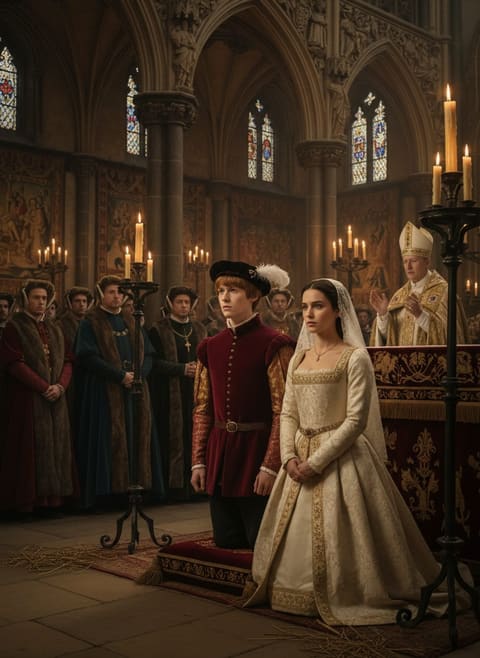
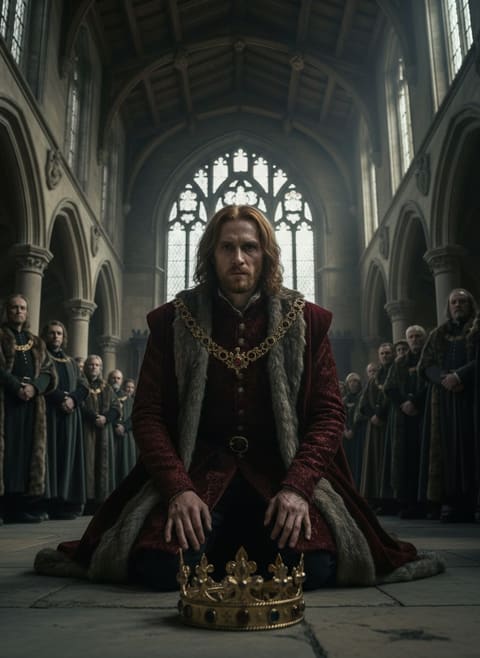
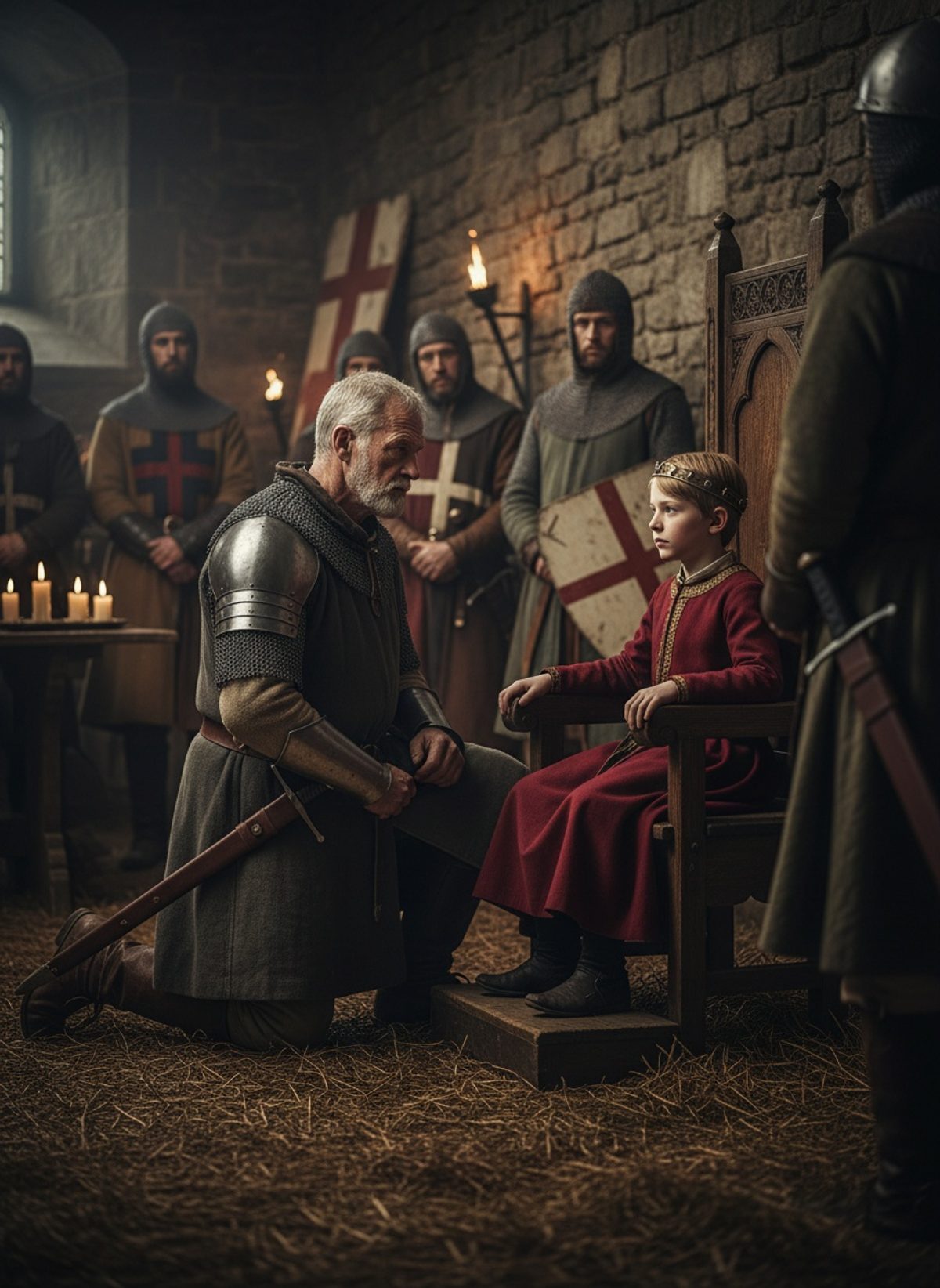
Kneeling before young Henry, Marshal enacted a gesture that would ripple through history. Here was a seasoned knight, once hailed as "the greatest knight in Christendom," offering his sword not to a seasoned ruler but to a child who had yet to prove his worth. In doing so, William Marshal not only foreswore his own ambitions but wrapped the fledgling king in the armor of his indomitable will.
Marshal's vow breathed life into the beleaguered supporters of the English crown. With calm determination, he began orchestrating a resistance to Prince Louis, piecing together loyalty where treachery had been sown. He appointed experienced men who rallied to the boy’s cause, transforming whispers of doubt into roars of defiance.
The Battle for England’s Heart
The days grew shorter as autumn marched towards winter, and under Marshal’s guidance, English forces began to turn the tide. Key losses suffered by the French invaders were interwoven with strategic negotiations that fractured their alliances. Marshal’s meticulous attention to both combative and diplomatic actions emboldened those who questioned whether the boy king’s reign would ever see spring.
Amidst this backdrop of political intrigue and warfare, Marshal’s leadership shone like a lighthouse in a storm. By the sharp cold of January 1217, the French stronghold on England was faltering. Though advanced in years, William Marshal led from the front, an emblem of determination — his eldest years galvanized by the boy whose banner he carried.
Perhaps his crowning achievement was not merely in the clash of swords but in the unity he forged. Slowly, disparate barons found renewed allegiance under the thrumming heartbeat of a rejuvenated England, his old hands deftly guiding Henry III into the role destiny had pressed upon him.
Read next: The Boy King Who Faced Down a Rebel Army at 14
A King on the Shoulders of a Knight
In retrospect, Marshal’s decision to serve and protect the young king was not just a tale of medieval gallantry; it was a forging of the English crown's very future. His loyalty did more than save a kingdom; it redefined what it meant to lead with the heart of a knight.
By the time the echoes of battle faded into peace, England stood fortified under the rule of Henry III, who grew to command not only the lands but the respect of a united people. William Marshal’s contribution became embedded in the fabric of English history, a testament to an era where the sword and chivalry shaped the kingdom's fate.
The legacy of that autumn, where one man's courage committed a child to his rightful place as king, offers more than mere history. It underscores the unyielding belief that leadership is not born of convenience or chance.
Rather, it flourishes when conviction and honor meet at the crossroads of adversity and hope. In choosing to shield the boy king, William Marshal not only preserved a throne but crafted a narrative that echoes through time — a beacon of remarkable courage worthy of remembrance.