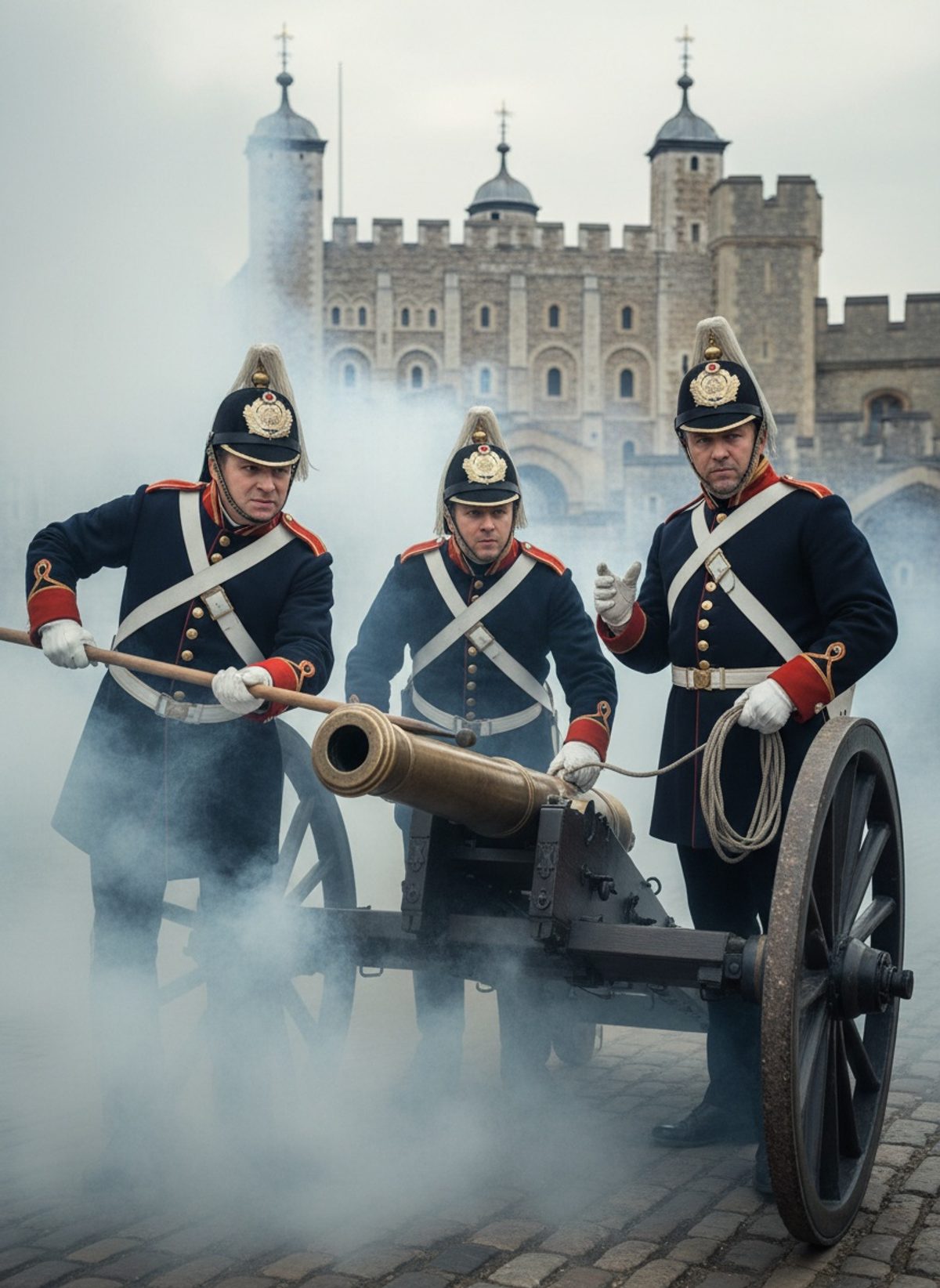
Thunder shook the air as the first gun discharged, sending a plume of white smoke spiraling into the sky. The deafening crack echoed over the Thames, startling a flock of birds into flight. On the cobbled ground of the Tower of London, the Honourable Artillery Company stood poised with precision, a sight as timeless as the ancient stones surrounding them. Clad in historic uniforms, each movement was a dance between tradition and duty, every motion drilled into their memory by years of practice.
For centuries, this scene has played out with unwavering exactitude. It starts with the rattle of gun carriages across the ancient yard, the flash of bayonets in the crisp British air, and the smell of gunpowder mingling with the damp river breeze. Though time has marched on relentlessly, this ceremony offers an echo of the past, a link back to the days when Henry VIII himself chartered the Honourable Artillery Company in 1537. Londoners and tourists alike gather along the river’s edge to witness this pageant of continuity, a salute that offers a glimpse into a world where tradition and obligation stand undiminished by the passing centuries.
Founded nearly a century before Britain entertained the notion of a standing army, the Honourable Artillery Company holds a unique position in the annals of British military history. It is said that the company, older than any other regiment in the British Army, is a cornerstone of English military heritage. Their initiation can be traced back to the mercurial reign of Henry VIII, a monarch notorious for his thirst for power and attention to military might. The establishment of the company was as much about displaying strength as it was about ensuring England's defense, a royal decree to harness the advances in artillery technology of the period.
The deep booms of 62 guns ripple through the air during a royal salute, a traditional honorific foretelling high regard and reverence for monarchy, service signifying respect to the sovereign and country. Fired for royal anniversaries, state openings, and other significant occasions, the salutes remain the exclusive right of the Honourable Artillery Company when it comes to the Tower of London. This ancient privilege underscores the continuity of the Company's role, binding the pageantry of history with today’s ceremonials.
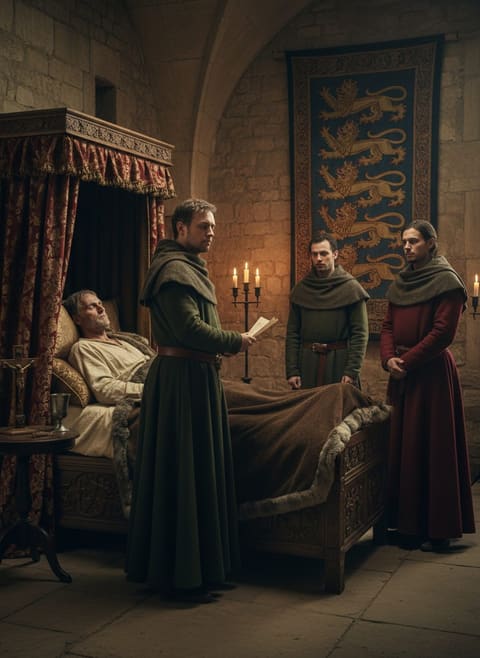
Read next: The Day a Dying Queen Refused to Name Her Successor
Their journey through the corridors of history wasn’t without its trials. As dynasties rose and fell, the reign of the Honourable Artillery Company endured. The swirl of civil wars and the echoes of battles fought beyond the British shores, all saw the company either standing guard or fighting in far distant lands. From the Restoration of Charles II to the turmoil of the Glorious Revolution, their guns have sounded off against a backdrop of some of Britain’s most tumultuous changes.
A pivotal era for the Honourable Artillery Company was the through the tumultuous years of the English Civil War. While loyalties were deeply divided, the Company itself served both sides at different times, reflecting the complex and often pragmatic choices driven by survival in an era where allegiances shifted as quickly as the political winds. Their guns have also provided one of history’s more curious anecdotes; it is said that Oliver Cromwell, notorious for his disdain of royal trappings, once compelled the company to discharge a salute to him—a gun salute for a ruling figure who abolished the monarchy, a paradox only history could arrange.
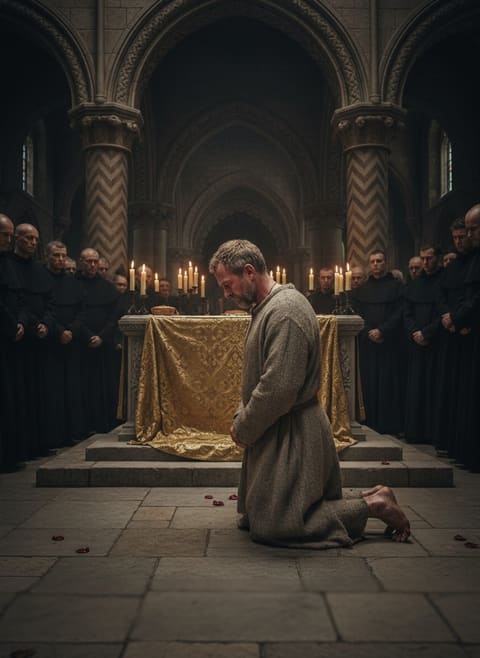
Read next: The Day a King Stood Barefoot Before His Own People
The 19th century saw the emergence of a new role for the Honourable Artillery Company. With the formation of the Volunteer Corps, the Company’s significance expanded as it lent expertise to train these newly formed units, effectively amplifying Britain’s military readiness during a period that witnessed the empire at its zenith. Through two World Wars, the Honourable Artillery Company once again found itself on the frontlines, proving their mettle under fire. Their service extended beyond the battlements of ceremonial salutes to the bloodied fields of foreign lands, partaking in pivotal battles that shaped the course of global history.
Even as modernity redefines warfare, the Honourable Artillery Company persists in its ceremonial role, a bridge binding past to present. As gunfire reverberates across modern London, its rich history remains ensconced in enduring stone, patriotism, and tradition. Each echo that rings out across the Thames is not just a salute to the sovereign but a nod to centuries of disciplined men and women who have carried forth these traditions. Every shot fired reverberates with stories of ancient origins, sites of historic triumphs marked with every gun that’s fired, not merely into the air, but into the unwavering heart of England's history.
As evening falls on London and the mighty Tower rests against the fading crimson sky, the conclusion is evident: in their ritual of repeating the past, the Honourable Artillery Company offers more than spectacle; it offers a profound reminder. These salutes are not simply bursts of noise echoing off historical bricks but potent messages from another time when such sounds heralded victories or signaled solemnities. They represent fidelity, a steadfast pledge that time, though fleeting, leaves some narratives untouched—a pledge to respect, honor, and remember. In firing those salutes, the Honourable Artillery Company continues to celebrate continuity, unyielding in their dedication to tradition, a living testament of Britain's enduring spirit.