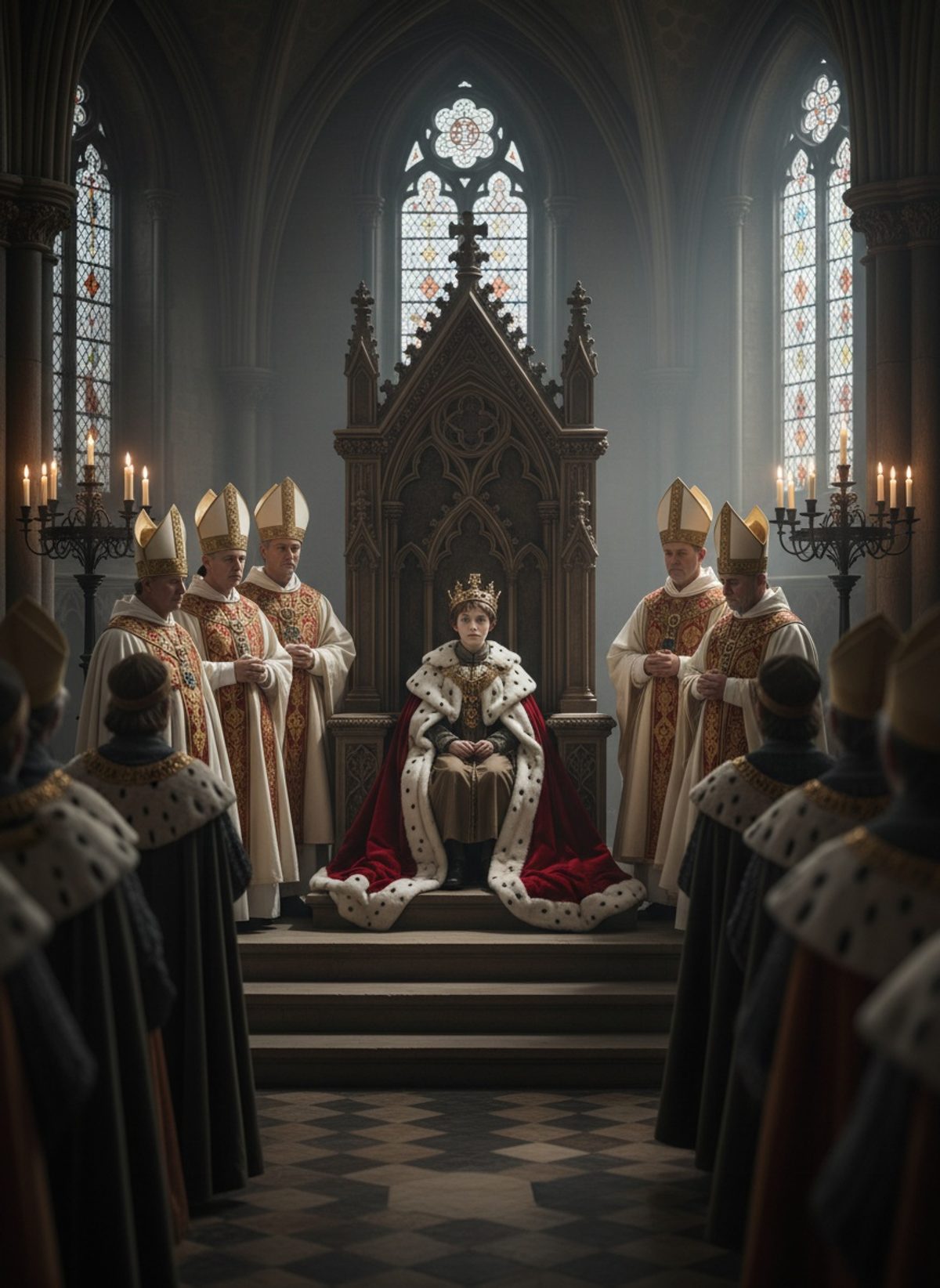
Cold winds swept through the ancient stone walls of Westminster Abbey, carrying with them whispers of impending history. Sunlight slanted in through the high windows, illuminating the solemn procession below, all eyes fixed on the small figure in the centre of the great nave. The echo of a trumpet's call mingled with the hushed reverence of the congregation. On this November morning in 1429, a boy of just ten years old was about to be crowned King of England. At that moment, the childhood of young Henry VI seemed to fade with the last notes of the choir, replaced by the immense responsibility of leading the two great kingdoms of England and France.
The Crown in the Cradle
Henry VI was only nine months old when his father, the renowned Henry V, died, leaving the throne vacant for his infant son. A cradle became his first throne, and every decision made in the kingdom bore a shadow of regency. In those early days, the infant’s cries and babbling were the sounds of an unprepared future, as England itself lay in a delicate balance. While the kingdom’s day-to-day operations were managed by the council of regents, the King's eventual crowning ceremony became a beacon of hope and unity. Factions within the court had much at stake; allegiances were fragile, and the crowning of a child was a calculated risk, laden with supernatural expectations of divine right and legitimacy.
Within the wooden cradles of newborn England, the legacy of Henry VI was carefully nurtured by the regency. The court that surrounded young Henry was a mosaic of powerful nobles and ambitious clerics, each driven by their desire for influence, all while keeping a watchful eye on the growing child destined to become one of the most significant figures in the kingdom’s turbulent tapestry.
The Weight of Two Kingdoms
The duality of Henry VI's inheritance was a peculiar challenge. With his coronation, he was not only recognized as the King of England, but also as the rightful King of France, uniting two long-warring nations under one crown, at least in theory. The Treaty of Troyes, signed by Henry V, had established his line as successors to the French throne upon the death of Charles VI. However, the reality was more fractured, with vast swathes of France refusing to acknowledge an English monarch.
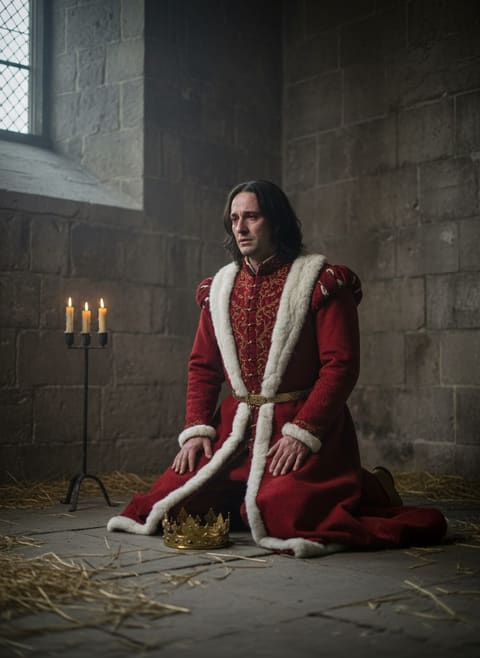
Read next: The Day a Tudor Prince Knelt and Gave Up Everything
For a child barely stepping into his life as a monarch, the complexities of international politics were undoubtedly overwhelming. England and France were countries scarred by history, and the young king's dual claim fueled the fire of resistance in France. His ministers governed through long meetings filled with heated debates and plotting whispers, trying to maintain stability while juggling two crowns with conflicting demands.
The Coronation Day
As the coronation ceremony began, the air inside Westminster Abbey felt heavy like a tapestry woven from expectation and uncertainty. The Archbishop stood poised, ready to anoint Henry and place on his small head the crown of England, a circlet of ancient gold that symbolized far more than mere kingship. The congregation was arrayed in their finest garments, vibrant hues that seemed to defy the autumnal gray chilling the land outside. Murmured blessings floated toward the rafters, mingling with the incensed air.
For those witnessing the ceremony, it was an affirmation of divine providence. Overlooked by silent saints carved in stone, the significance of the event lay not only in its solemnity but also in the very real power it conferred. The boy king, though fragile in appearance, was the linchpin to the nation’s future. As the archbishop pronounced blessings over his young sovereign, adorning him with the weighty symbols of royal authority, whispers of hope threaded through those assembled, as though strengthening their very resolve.
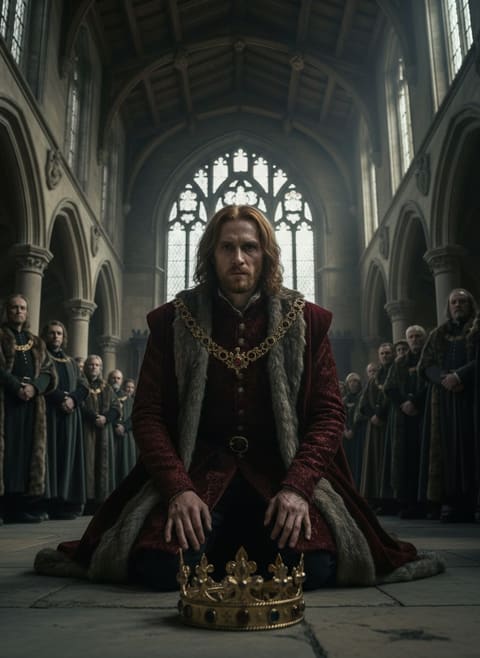
Read next: The Day a King Knelt and Begged Forgiveness From His People
The Unseen Hands
Beneath the gilded surface of the ceremony and the glorified titles lay a reality that was far more complex. While Henry VI bore the title of king, true power remained with the regents and the noble families whose support was crucial in maintaining the peace—or war—across the kingdoms. The boy himself, while King in name, was a figurehead in these early years, his every move orchestrated by those who wielded actual control in the courts.
But this setup did not endow Henry with the tools needed to effectively rule once he came of age. The machinations of court politics left him without a clear path, vulnerable to the ambitions and rivalries that simmered beneath the regal pageantry. As he grew older, the cracks in his rule would widen, leading eventually to the Wars of the Roses, a brutal dynastic struggle that would reshape England forever.
The story of a child crowned in an abbey and caught between expectations and realities is more than an ancient tale. It highlights the burdens of leadership thrust prematurely upon young shoulders and raises questions about the nature of power and influence. Despite lacking the power to act independently, Henry VI’s ascent to the throne underscores the continuing, profound issue of true leadership—both in times past and today. As the echoes of that distant November continue to resonate, they remind us of the timeless challenges faced by those who lead, especially when they do so from the tenderest of ages.