Elizabeth II was not born to be queen. Destiny, however, had different plans, and she would become the longest-reigning monarch in British history.
Bidding Farewell to the Most Revered Queen
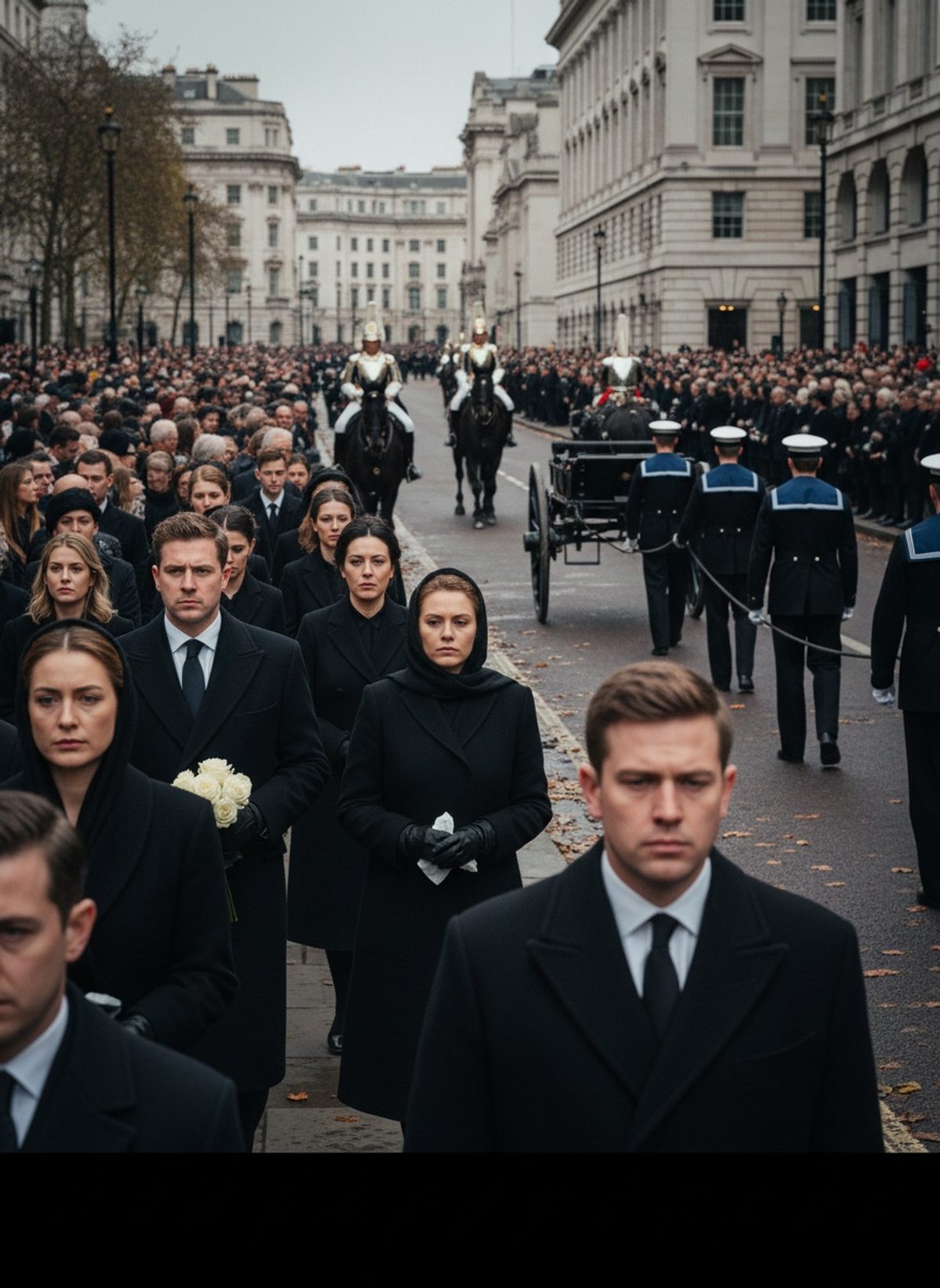
On 19 September 2022, London experienced a phenomenon not seen before in modern history. As Queen Elizabeth II's funeral procession snaked through the capital, the streets thrummed with a silent reverence. An estimated one million mourners lined the streets, their quiet presence a testament to the profound impact of a queen who had ascended to the throne unexpectedly and redefined the role with resolute grace. The coffin, draped in the Royal Standard and bedecked with the Imperial State Crown, traveled through this silent crowd, which stretched four deep along the ceremonial route. The respect and honor extended to the queen by these multitudes were evident, a living tapestry woven through four miles of sombre reflection.
What set this funeral apart in the annals of history was not just the sheer number of those who lined the city’s pavements but also the immense diversity among them. Citizens of disparate backgrounds, ages, and nationalities united in a common sorrow seldom seen or felt. The emotional climate that day did not merely reflect a national mourning but a global appreciation of a life dedicated to service. Elizabeth II didn’t just serve Britain; she became a global figurehead, and the world responded to her passing in kind, with tributes from the antipodes of the Commonwealth and beyond.
The Queue That Stretched Into History
Perhaps even more telling than the funeral procession itself was the queue to see her lying-in-state at Westminster Hall, a queue so long it was unprecedented. It became an extraordinary phenomenon of its own, echoing the cultural tapestry that Elizabeth herself had embodied over the decades. The line stretched ten miles, a distance matched by few single gatherings in recent history, winding down the banks of the Thames and around iconic landmarks that had stood witness to her reign. This was not just a testament to her personal popularity but to the deep respect for the institution she had come to represent with steadfastness and duty.
Read next: The Scots Girl Who Became Britain's Most Loved Queen
The people lining up to bid their final farewell were no strangers to discomfort. Many waited up to 14 hours, battling the elements along the Thames under the ever-watchful eyes of history. The queue, lovingly dubbed "The Elizabeth Line" by some, became a microcosm of British resolve and community spirit. Strangers became confidants, their shared mission forging bonds that transcended social standing or political belief. For those who walked its length, it was a pilgrimage to honor the past and resonate with the echoes of a reign that had spanned the advent of television to the age of the internet.
A Gathering of the Ages
The global reach of her funeral extended beyond those on the ground. It drew dignitaries from every corner of the world, over 250 heads of state, making it the largest such gathering in British history. In attendance were monarchs, presidents, prime ministers, and ambassadors — figures who themselves had felt the queen's influence, her diplomatic approach fostering ties that withstood the test of time. This unparalleled assembly in Westminster Abbey framed the funeral not just as a British event, but a global spectacle, symbolizing Elizabeth II's far-reaching impact on international relations.
Read next: The Day a King Knelt and Wept Over His Own Crown
For those privileged to attend, the seriousness of the occasion was palpable. Traditions were observed with a meticulous adherence that Queen Elizabeth herself had exemplified. Yet, amid this display of ceremonial protocol, there was also personal mourning, visible in the quiet tear or solemn nod of recognition that each dignitary offered during the service. This confluence of ceremony and personal sentiment reflected the duality that Elizabeth had so gracefully managed throughout her reign — upholding royal protocol while remaining intimately connected to the people she served.
The Legacy of a Monarch
As the world grappled with the absence of a queen who had become a cornerstone of modern monarchy, it became clear that her legacy transcended the numerous events, accolades, and policies of her reign. In many ways, Elizabeth II's story was the very fabric of modern British history, woven with threads of resilience, kindness, and an indomitable sense of duty. She forged a path that reconciled tradition with evolution, and her funeral was a testament to her monumental role in shaping the nation and, indeed, the world.
The profound response to her passing served as a reminder that Queen Elizabeth II was more than a figurehead; she was a symbol of continuity in a world that often finds itself awash in rapid change. Her funeral was a moment where past, present, and future converged, offering a chapter of historical magnitude, reflective of a monarch whose life transcended the bounds of conventional leadership. As the final echoes of the funeral procession faded into history, they left behind a resonant note of reflection — a gentle urging for the world to consider the full scope of a journey that began not with a crown, but with the heart and spirit of a young girl destined to redefine the course of a nation and beyond.