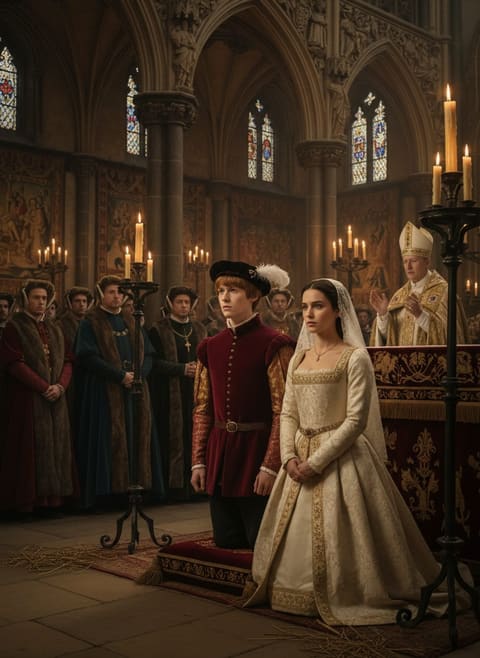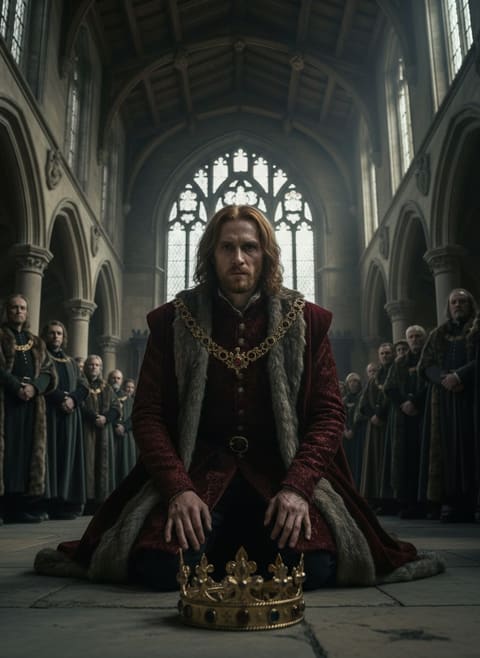
The air in Westminster Palace was as thick as the rumbles of anxiety echoing through its stone corridors. Inside the dimly lit chamber, a king lay struggling against the inevitable pull of his final breaths. The flames from nearby torches flickered against tapestries depicting battles won and lost during Henry III's long reign.
In these final moments, it wasn't just death Henry faced, but the uncertainty festering within the hearts of his anxious barons. England was on the precipice of a daring move, one that would alter the very fabric of monarchy.
A Kingdom in Limbo
Henry III, the King of England, had ruled for 56 years. His reign, dotted with rebellion and reconciliation, now ebbed into silence. Yet, the transition of power threatened to be anything but quiet. His heir, Prince Edward, was thousands of miles away on crusade in the Holy Land, a realm where the clash of crossed swords and cries of war were a constant symphony. England lay open, vulnerable, and leaderless.
In a world as volatile as the medieval era, leaving the kingdom in such a state was a gamble. The barons, gathered like chess pieces around the dying king, realized the kingdom could not afford to wait for Edward's return. They felt the urgent weight of responsibility pressing upon them—responsibility to the crown, the land, and the uncertain future that lay ahead.
Read next: The Day a Boy of Ten Was Crowned King of England
The Gathering of Barons
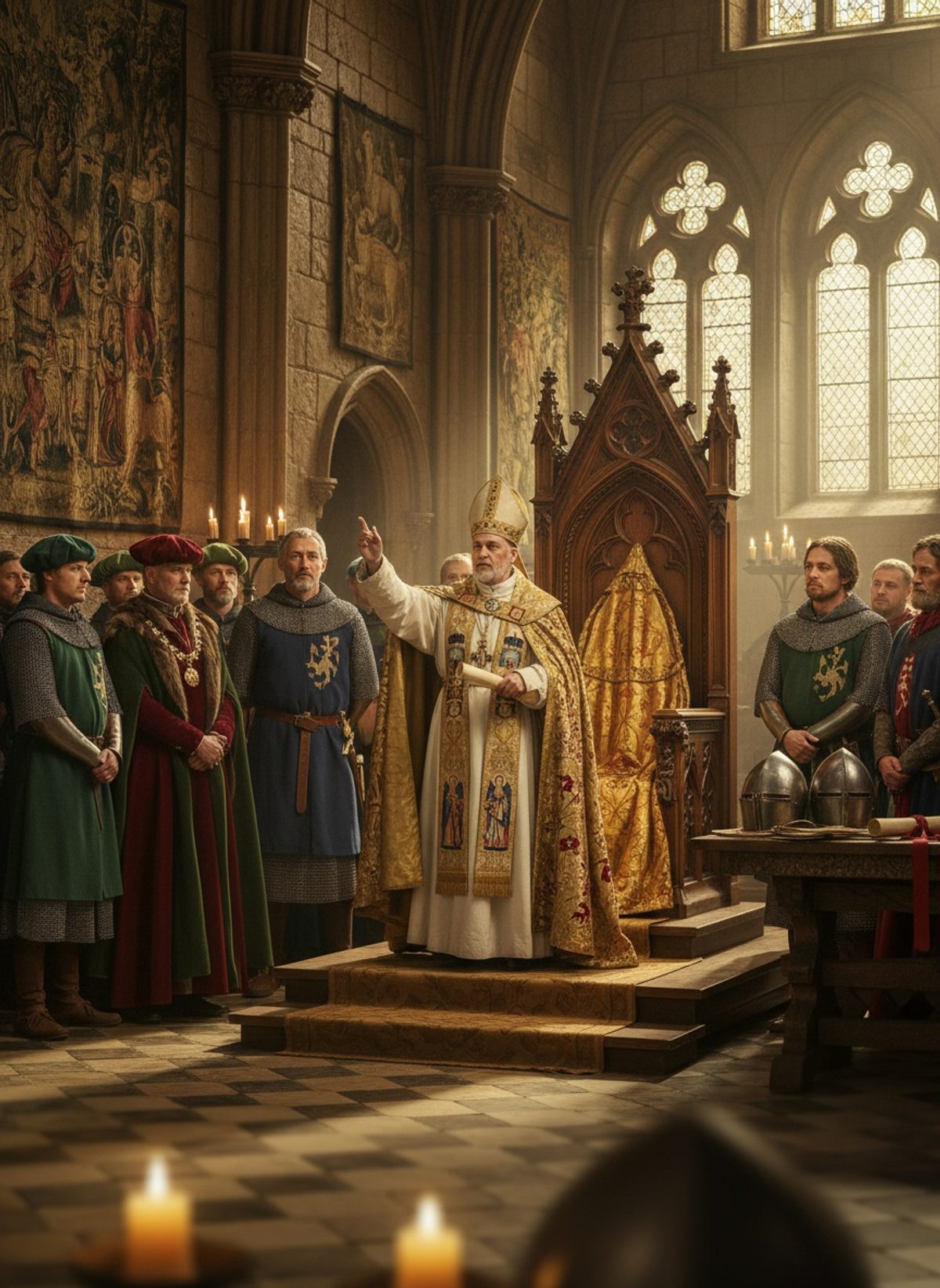
Mindful of past rebellions, these barons, seasoned men of land and title, knew the power struggles that could erupt from a leaderless throne. They pondered their options beneath flickering candlelight, debating the unprecedented decision they faced. To proclaim a king who was an ocean away sounded almost fantastical, yet necessity demanded innovation.
Here was a moment in which precedence gave way to prudence. They were charting untraversed waters, crafting a solution no English barons had previously dared. The act of proclaiming Edward I as king in absentia formed a remarkable turning point in royal history—an acknowledgment of a monarchical legacy strong enough to withstand the constraints of distance and time.
Edward, The Unseen King
For a moment, visualise the young Edward: a warrior prince perhaps unaware of the significant cloak of responsibility being laid upon his distant shoulders. In the dusty and turbulent climate of the crusades, where faith and ferocity were as much currency as coin, Edward might have been unaware of the profound shift happening back home.
Unlike his forebears, he ascended to the throne not on English soil, but on a battlefield where destiny played its own games. The transition was fraught with tension as England, in his absence, invested trust and hope into his eventual return—trust that he would uphold the crown’s dignity with the valor befitting his predecessor.
The Implications of an Absent Rule
The significance of this moment reached far beyond immediate political stability. It established a precedent where the legal authority of the crown could transcend physical presence. This single decision initiated a transformative arc in the relationship between the monarchy and its nobility, blending flexibility with fealty.
Read next: The Boy King Who Faced Down a Rebel Army at 14
The proclamation changed perceptions of kingship, demonstrating how England, for centuries tied to strict traditions, could adapt and redefine its paradigms under duress. This shift not only safeguarded a fragile kingdom but forged a new understanding of what it meant to be a monarch—a figure not confined by geographical bounds but bound by the oath of sovereignty.
A Legacy of Adaptability
As Henry III was laid to rest with the expected rites, the wheels of English governance continued to turn, guided by law and the promise of Edward’s eventual reign. Years later, his return marked the beginning of what would become a robust and transformative kingship. Edward I came back to a kingdom alive with anticipation, shaped indelibly by the choices made in the moments of vulnerability.
This episode of succession, remarkable for its occasional defiance of protocol, paved the way for future rulers. It taught that the essence of a monarch resides not solely in their presence but in the enduring principles they represent.
England had witnessed a shift, not only in governance but in vision, one that underscored the resilience and forward-thinking ethos that would come to define its medieval past. In the annals of time, this event remains a testament to the strength found in adaptation, the grace in evolution—a story well worth remembering.