The air was cool and crisp at the edge of the Rockies in Glacier National Park, Montana. Tall pines framed breathtaking vistas where the light shifted playfully over snow-capped peaks.
On a day like any other in 1912, a Blackfeet chief named John Two Guns White Calf stood poised in his regal attire. He was preparing to serve as the face of a revolutionary tourism campaign for the Great Northern Railway, never imagining that his visage would one day spark controversy and conversation far beyond those mesmerizing mountains.
The Face Behind the Icon
John Two Guns White Calf was born in 1872 near Fort Benton, Montana. He was the adopted son of Chief White Calf and became the last chief of the Blackfoot Tribe after his adoptive father’s death in 1903. White Calf was known for his striking appearance and strong leadership. His promotional work was influential, bridging the gap between the Native American experience and burgeoning American tourism.
The Great Northern Railway saw potential in using the cultural allure of the Blackfeet Nation to attract visitors. Two Guns became the centerpiece of their efforts, traveling to events like the 1912 United States Land Show in Chicago.
Read next: Sister Kenny Treated Polio With Heat and Movement When Doctors Used Plaster
His distinctive features even led some to claim that he was the model for the Indian Head nickel, a symbol etched into American currency. Most art historians, however, suggest that the nickel—designed by sculptor James Earle Fraser—was a composite of several Native American chiefs, muddling the true credit of White Calf's likeness.
The tale grew more complex as rumors swirled about the government's perceived fear that Two Guns White Calf could inspire rebellion among the tribes. Yet, it was his influence that would leave a permanent mark, one destined for an entirely different field.
Walter Wetzel's Vision for Change
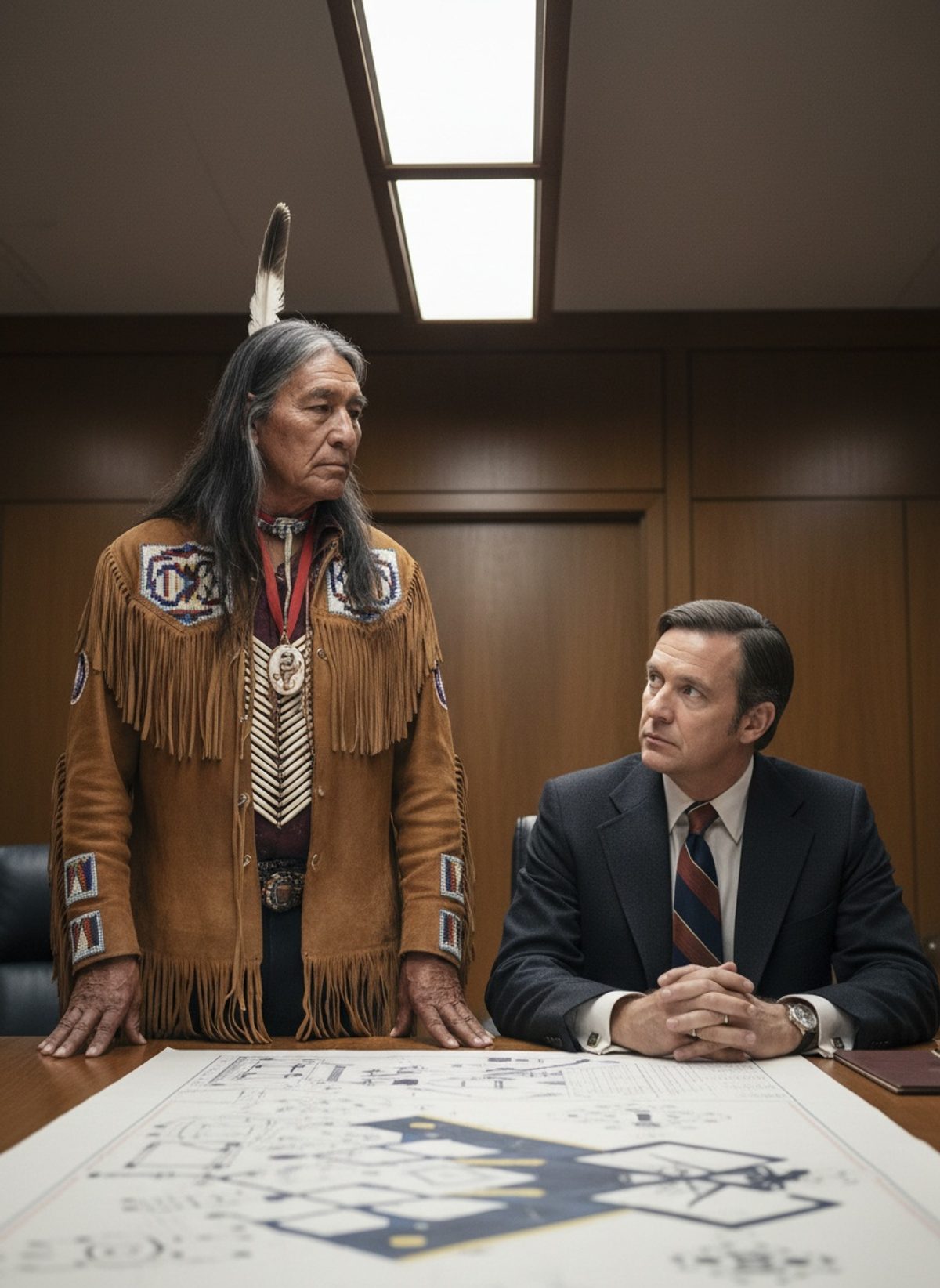
Fast forward to 1971, where Walter "Blackie" Wetzel, a council member of the Blackfeet Nation, was crafting a vision to spotlight Indigenous dignity. The historic resonance of John Two Guns White Calf's image aligned perfectly with Wetzel's intentions. Equipped with artistry from his heritage, he proposed a novel logo to the Washington Redskins, an NFL team navigating the complexities of representation.
The face of Two Guns, woven with the pride of the Blackfeet people, emerged on the helmets in 1972. The image wasn't just an endorsement of a football team; it was a gesture of cultural visibility. Fans wore merchandise emblazoned with White Calf’s likeness, largely oblivious to the story of the man behind it. Sadly, few knew that Two Guns' descendants weren’t consulted on this decision—a nuance that wasn’t given its due weight at the time.
The logo remained a fixture on the national stage for decades. However, voices against the use of the term "Redskins" amplified steadily over the years, drawing attention to the derogatory implications of the name. Despite Walter Wetzel's intent of embedding dignity into the logo, the name it accompanied carried a burden too heavy to ignore.
Read next: Anedjib Engraved His Name on a Jar 5,100 Years Ago
The Legacy of a Lost Image
Public outcry reached its peak, and in 2020, the NFL team finally removed this image amid the broader movement for racial equality. By 2022, the team rechristened itself as The Washington Commanders, laying to rest an identity that had sparked both pride and protest. Yet for Two Guns White Calf's descendants, the sudden erasure felt like a double-edged sword— simultaneously correcting past wrongs while erasing a piece of heritage that had become a national symbol.
Throughout these fluctuating fortunes of identity and representation, John Two Guns White Calf remained as enigmatic as a powerful ghost. He lingered in the consciousness of a league and its innumerable fans, a silent power nestled beneath the roar of stadium crowds. His descendants now hope to steer the narrative, ensuring respect weaves through his lasting image.
In these shifting cultural landscapes, the real question about John Two Guns White Calf and Walter Wetzel's collaboration doesn't simply lie in a logo’s retirement, but in the nuanced conversation it stirred.
At its heart, this story opens a reflective chapter on who is seen and heard—and why their stories matter in the symphony of America’s communal future. As debates over appropriation and reverence continue, one fact remains: the narratives we celebrate shape us, echoing with voices from the past as we collectively write tomorrow's history.