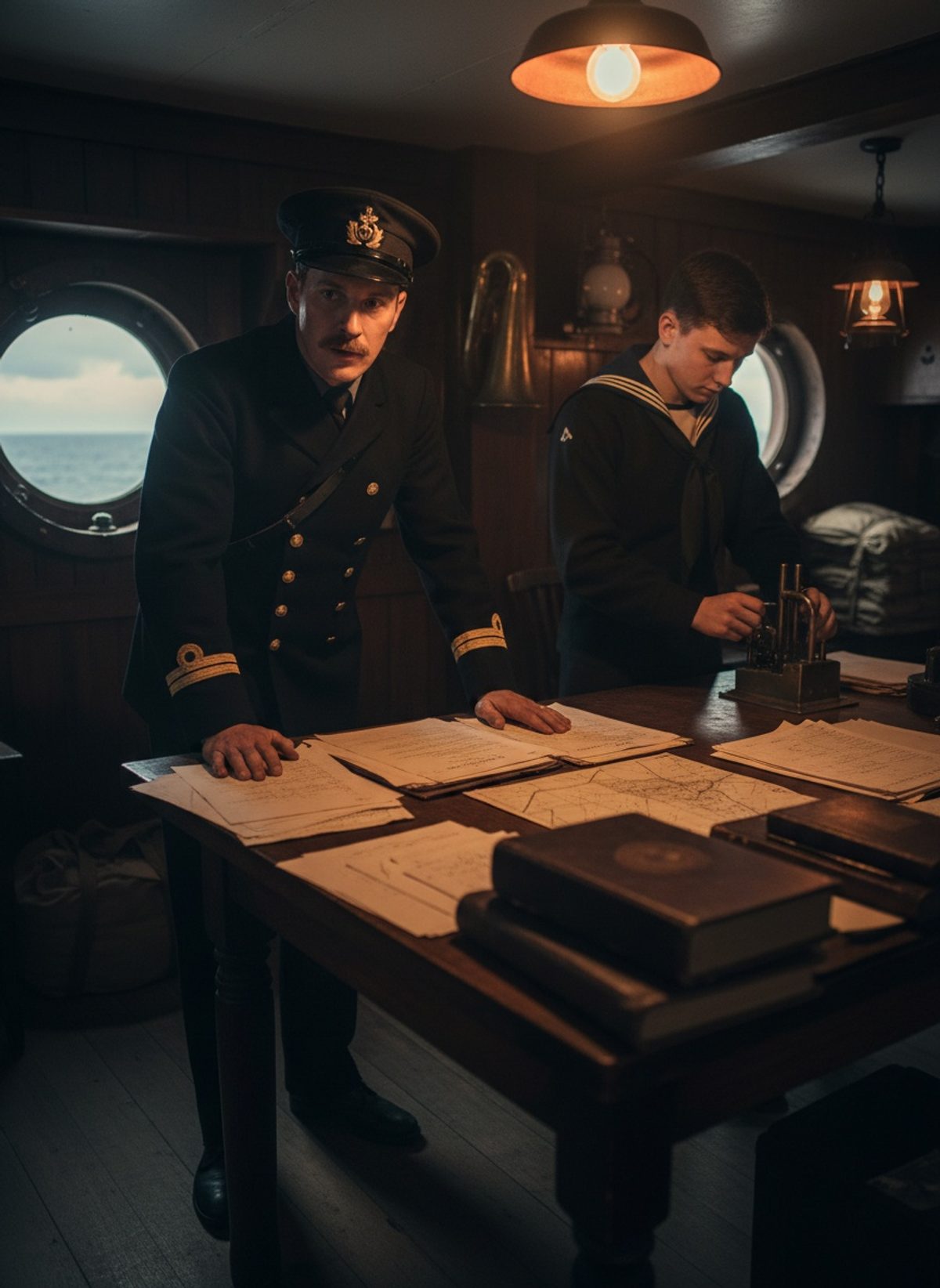
March 5, 1915. The air inside the British naval cipher room was thick with tension and the clatter of typewriters. In this dimly lit space, a simple mistake rippled through the skeins of the Great War, with effects that could have altered the course of history itself.
The Stage Set: Precarious Plans
As winter loosened its grip on Europe in early 1915, the Allied Powers set their sights on a bold strategy: a naval assault through the Dardanelles Strait against the Ottoman Empire.
This narrow passageway, known for its treacherous currents and rocky shores, was guarded by Ottoman artillery but promised a strategic breakthrough towards Istanbul, offering the possibility of linking up with Russia on the Eastern Front. Championed by Winston Churchill, then First Lord of the Admiralty, the plan aimed to knock the Ottomans out of the war and swing the tide firmly in the Allies' favor.
The operation's success relied heavily on the element of surprise. Ships huddled in ports, and every coded telegram carried a shadow of secrecy. Yet, amidst these preparations, the Achilles' heel of British military communication was fast becoming clear: a slackness in cipher security. Despite the technological marvels of the time, British methods of encoding their messages were sometimes carelessly inconsistent, leading to a preventable breach that would haunt their campaign planning.
Read next: When Flight Sergeant Kane Dropped a Flag Into the Dark, 1945
A Terrible Mistake: The Cipher Breach
Within the secure confines of a naval cipher room, where messages were meant to be encrypted into inscrutable codes, a clerk made an error as old as written language itself. Whether through fatigue, distraction, or a simple misstep, this error allowed a critical message to slip through the cracks of Allied security. The message, once deciphered by German and Ottoman interceptors, laid bare the schedule and strategy of the impending naval assault.
This breach was akin to handing a playbook to the opposing team before the game had even begun. The Ottomans and their German allies, forewarned of the offensive, fortified their positions and prepared for the might of the British fleet. As ships steamed into the Aegean Sea, oblivious to the betrayal of their own secrets, they were sailing into a fortified vice ready to grind their ambitions to powder.
The Immediate Consequences: Unforeseen Resistance
On March 18, 1915, as the British and French armadas moved into position, they faced a gauntlet of fire far beyond what had been anticipated. The waters erupted around them, a symphony of exploding shells and splintering wood.
Mines, cunningly placed with the foreknowledge of the Allied plans, claimed ship after ship, turning what should have been a swift conquest into a costly quagmire. Over the relentless hours, the naval assault faltered, leaving the Allies to grapple with their expectations thwarted by an enemy seemingly one step ahead.
Read next: The Day a Merchant Ship Faced a Warship to Save Her Convoy
Historians now reflect on how narrowly the operation escaped total disaster. The failure to achieve a swift victory at the Dardanelles forced the Allies to rethink their strategy, leading to the infamous and bloody Gallipoli land campaign. This wearisome and protracted battle stretched on for months, with immense loss of life, tasked by hostile terrain and well-prepared defenders.
Long Shadows: Lessons in Security
The Allied campaign on the Dardanelles marked a turning point not only in military operations but in the understanding and application of secure communications. As the British dissected the shambles post-conflict, they realized how the breach highlighted a glaring vulnerability in military intelligence. The incident served as a catalyst for advancements in cipher technology and the tightening of discipline in handling sensitive information, helping to lay the groundwork for more sophisticated signals intelligence in the wars to follow.
Yet, the long shadow of this blunder haunted British military psyches and entered training protocols for years. It was a sobering reminder of the potential for a single misstep to unravel even the grandest of strategies.
As we ponder the timeline of this Great War, the cipher clerk's error, seemingly minor in the smoky rooms of wartime coding, teaches us the paramount importance of vigilance and the resilience of human error — a lesson that echoes through the corridors of intelligence agencies to this day. The Gallipoli fiasco isn't just about leadership failings or logistical mishaps; it underscores the eternal struggle between the art of war and the chaos of chance.