He had never flown a mission like this before. But Flight Sergeant Kane was determined to make it unforgettable.
The Island of Waiting
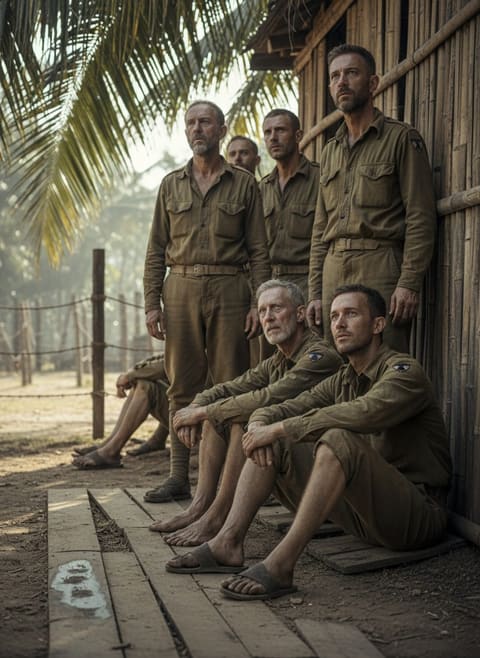
By the late summer of 1945, Java was a hushed expanse trapped between conflict and liberation. The island’s vibrant culture and landscapes were marred by years of brutal occupation. Hidden away behind barbed wire and the watchful eyes of Japanese guards were Allied POWs — men who had endured years of starvation, disease, and backbreaking forced labor. As news of Japan's surrender trickled in, these forgotten soldiers sat in limbo, waiting for a freedom vaguely promised by distant radio broadcasts.
The camps were gripped with uncertainty. The official end of a war and the reality for those in captivity often ran on parallel tracks, not quite meeting. For the prisoners, each passing day was an excruciating stretch of hope and despair. While hostilities might have ceased, the tangible signs of peace were yet to materialize. Supplies were scarce, and the conditions, worsening by the day, obfuscated any clear indication of change. But it was in these fraught and fragile moments that Flight Sergeant Kane prepared for a mission of an altogether different kind.
A Skyborne Gesture
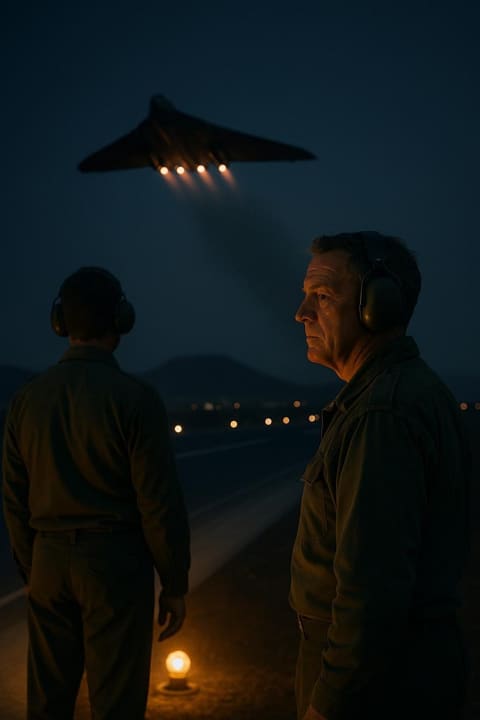
Flights over Java were haunted with the ghosts of wartime raids and recon expeditions. This time, however, Flight Sergeant Kane bore no bombs; his mission was to offer something far more powerful: hope. A quick-thinking Australian airman, Kane knew that while official channels moved with frustrating sluggishness, there was a more immediate message to be delivered.
Read next: When Sharkey Ward's Sea Harriers Held the Falklands Sky, 1982
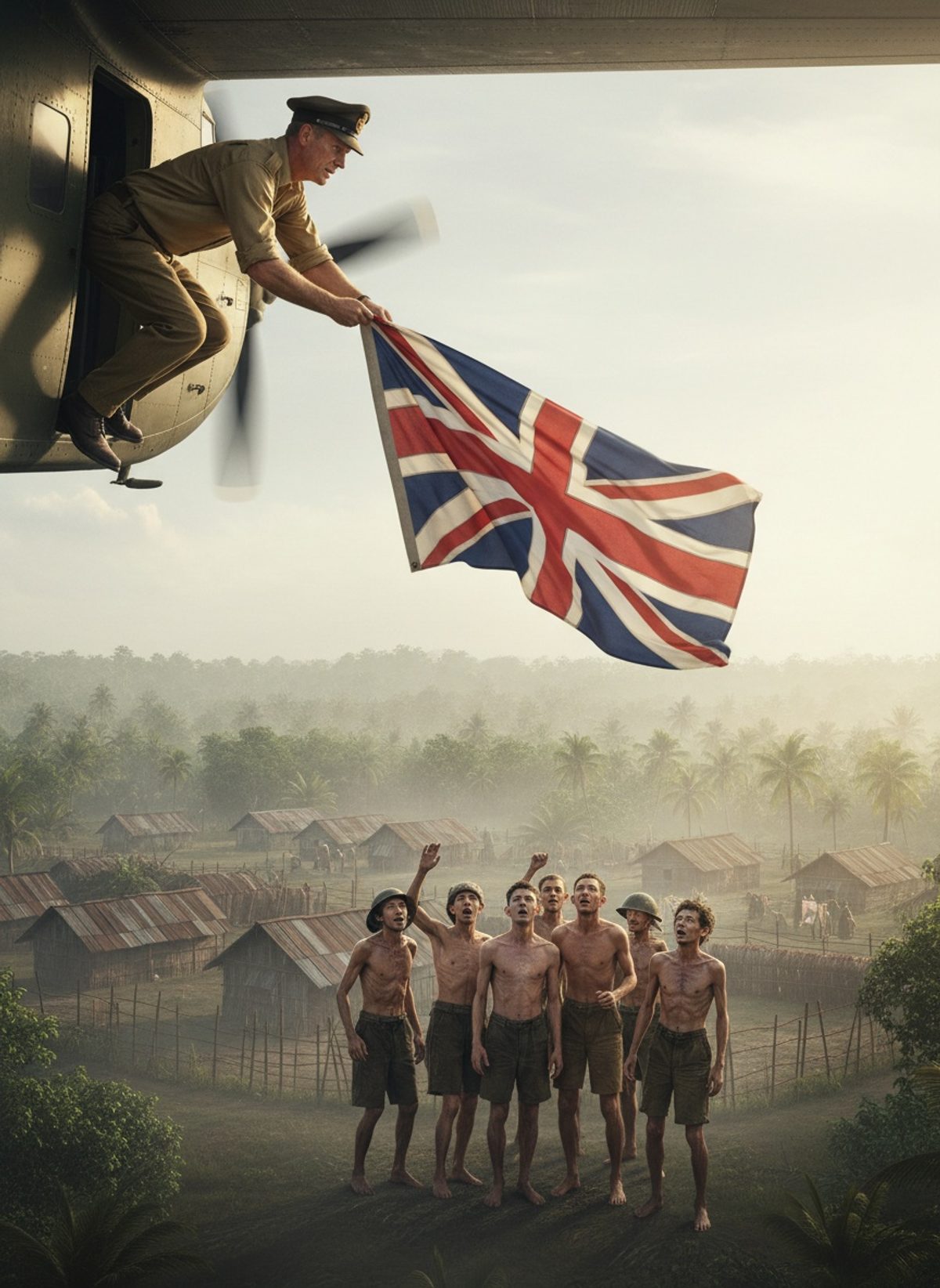
As his plane soared above the camp, the men below shielded their eyes from the midday sun, squinting as the aircraft cut across the sky. Eager with anticipation, the prisoners watched as a parcel tumbled through the air. It was no ordinary supply drop, but a Union Jack, a vivid splash of color against the monochrome ordeal of life in captivity. This flag, dropped so deliberately, was a symbol far beyond cloth and thread. It was an unspoken assurance that they had not been forsaken, that the might of the Allied forces had not stopped at news broadcasts and paper proclamations.
The flag's descent was clumsy, parachuting down upon invisible winds of change. Yet for the men below, it was the epitome of grace. As they scrambled to gather it up, the tattered edges soon found themselves smoothed by their long-starved hands.
Names Written in Courage
The Union Jack, stitched with a sanguine promise of rescue, became a canvas of names. As the men inscribed their identities onto the flag, the act was both ritual and rebellion. Each signature was a declaration that they were there; that they were alive. Many of these prisoners recorded their names with trembling hands, shaped by weariness and the weight of their stories. Others wept as the significance of their actions washed over them.
In this unexpected moment, the flag became more than a message from above. It turned into a symbol of unity amongst men from diverse backgrounds, bound by survival and mutual resilience. The hastily written names mapped out a mosaic of the human plight and strength, each signatory a dot in the vast network of shared wartime experiences.
Read next: Flintlock vs Rifled Musket — Which Would You Choose?
Despite their physical confinement, the act of signing the flag was an assertion of agency. Here they stood as individuals, not just prisoners of war; in control of their fate in the simplest way they could manage. It was these names, frayed by the elements and hurriedly penned, that captured the indomitable spirit that even barbed wire could not constrain.
More Than the Sum of Its Parts
When peace finally did embrace Java, the true tale of the flag’s journey was shared among the liberated and their liberators alike. The rescued POWs carried with them an undying bond, strengthened by Kane’s simple yet profound mission. The flight had taken just moments, but its impact endured far beyond the borders of time and geography.
In recounting tales of wartime valor and sacrifice, spectacular battles often overshadow the quieter acts of kindness and courage. However, stories like that of Flight Sergeant Kane, the solitary aircraft hovering over a forgotten island, and a Union Jack catching the air beneath it, remind us of the power such actions wield. They might fade from the grand annals of military history but nestle deep within the hearts of those who witnessed them firsthand.
The flag, a chorus of defiance and hope, demonstrated that liberation is not just political but deeply personal. It reminded the world that behind every headline lie countless unseen stories — stories of individuals who reshape despair into moments of profound significance and stand ready to be embraced anew by history’s embrace.