February 1942. The dense, tropical air of Surabaya buzzed with an anxious energy. In the final days before the fall of Java, four Allied warships sailed into the harbor, a testament to desperate times and hastily forged alliances. This was a confluence of nations, each vessel marking a ship of its own sovereign past, now bound in a fleeting fraternity against an indefatigable foe.
A Motley Fleet Assembles
The sight of these four ships on the waters of Surabaya was improbable, their union born out of necessity rather than doctrine. Huddled together under the indomitable spirit of the HMS Encounter, they symbolized the crumbling crescendo of resistance in the Dutch East Indies. Joining the British destroyer were the Dutch cruiser HNLMS Java, the Australian light cruiser HMAS Perth, and the American heavy cruiser USS Houston.
Each ship carried its own storied past, yet together they represented a mosaic of Allied power. Onboard camaraderie was quick to form, defying conventional naval hierarchies. As the distinct flags flapped in unison, there was a shared purpose amongst their sailors, a silent acknowledgment that they were part of a rapidly vanishing chapter. For one last time, these naval powers stood not by history's lines but by a shared commitment to resilience and honor.
The Battle Unfolds
When these ships sailed out to meet their foes in the Java Sea, it was with the understanding that their collective strength was overshadowed by the advancing Japanese forces. The enemy came like a thunderstorm, menacing and inevitable, with overwhelming numbers that tipped the scales of warfare. Yet, they went all the same — shrouded in doubt and determination, aware that the ensuing battle would likely be their last.
Read next: Matilda II vs Panzer III: Which Tank Would You Choose?
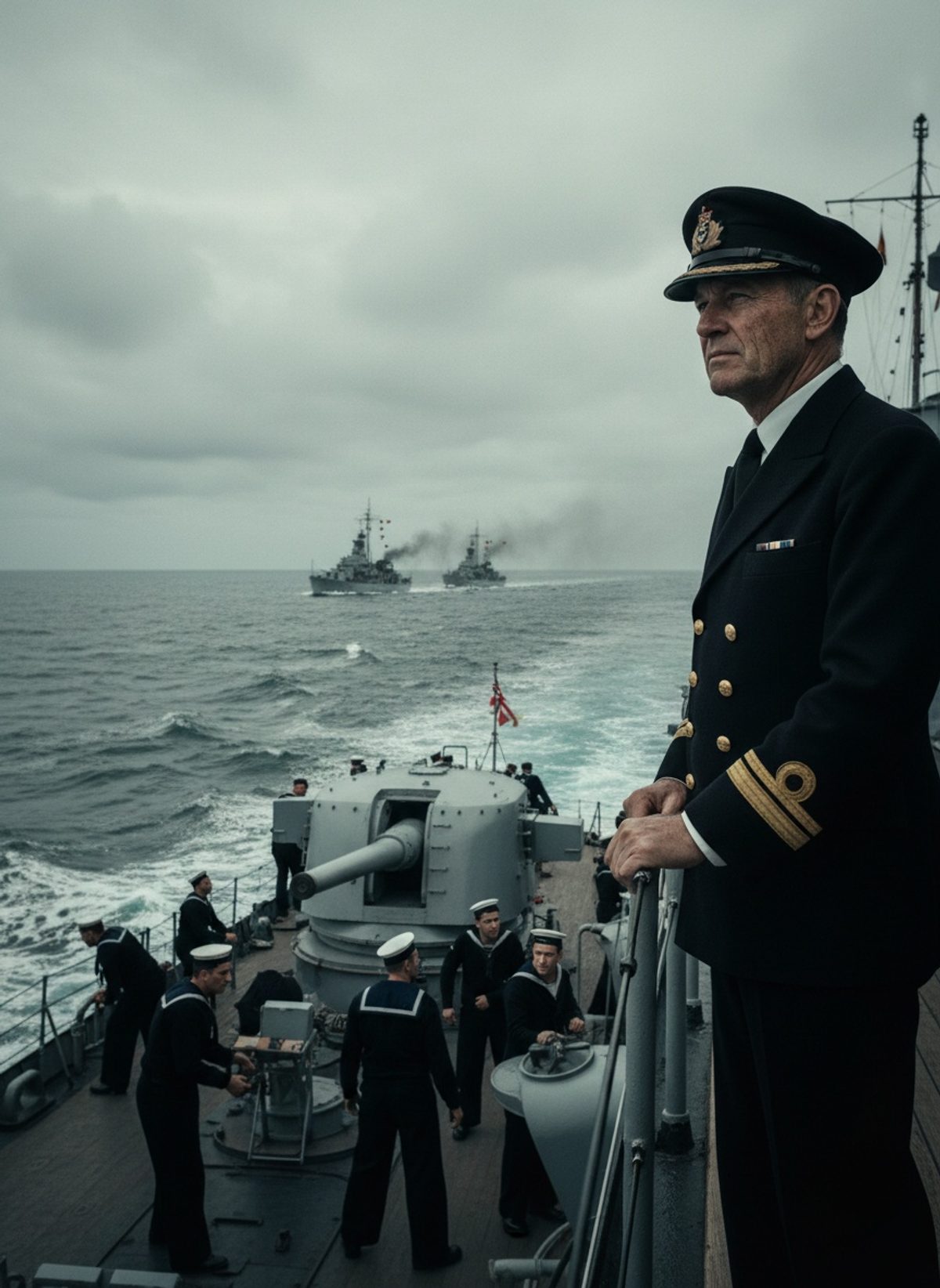
The Battle of the Java Sea unfolded with tragic predictability. The Allied ships, though courageous, were outmatched in both technology and tactics. They faced an enemy whose speed and firepower outstripped their own patchwork flotilla. As shells rained down, HMS Encounter and her companions fought valiantly, displaying a coordination as seamless as if they had sailed together for years.
The pacific waters belied the violence above them; the navy men braced against the onslaught, their hopes punctuating the roars of artillery. Yet, piece by piece, the Allied squadron was dismantled, their wrecks fusing with the sea floor — the ocean swallowing their defiance in an icy commemoration.
Echoes of Courage
The men aboard these ships faced the end with a soldier’s resolve. Their handshakes might have been fast and friendships faster, yet the bonds of shared battle burn brighter in moments of peril. Stories of courage and sacrifice abound even as their vessels gasped their final breaths.
Captain Albert H.E. Krill, aboard the HMS Encounter, was renowned for his stalwart leadership and became a symbol of the indomitable spirit that refused to capitulate. Similarly, tales of bravery emerged from each deck, as disparate sailors united in solidarity, defending each other until the bitter end.
Beyond tactics and ranks, this brief alliance, which some observers aptly termed an "improvised brotherhood," left an indelible mark on those who survived as well. Indeed, this final campaign spoke to the kind of moral courage that often escapes textbooks—an enduring lesson etched forever in their collective memory.
Read next: When the Last Bugle Called at Wagon Hill, 1900
The End of an Era
As news of the Battle of the Java Sea trickled back home, it was received with solemn inevitability. The loss underlined the vulnerability of the Allied forces in the Pacific theatre, a prelude to the subsequent fall of Java. Yet, those ships — that improbable band of brothers — cast a shadow longer than their short-lived formation.
This unity in diversity could not stop the Japanese advance, but it ignited a slow-burning resolve that would eventually galvanize larger, more structured coalitions. Here, amid the deep blue brine, was a singular moment of defiance that transcended national boundaries and naval conventions.
The events of February 1942 in Surabaya, and the battle they thrust toward, serve as a stark reminder and a vivid illustration of unity forged in adversity. It tells us of a time when cooperation became the last bastion against the chaos of war—a transient yet powerful coalition that could have no business existing yet chose to anyway.
Though many who fought were lost at sea, their sacrifice is woven into the larger tapestry of Allied resistance. It is these stories, and the vibrant array of flags on a distant shore, that tell us something profound about human endurance and the strength found not in isolation, but union.