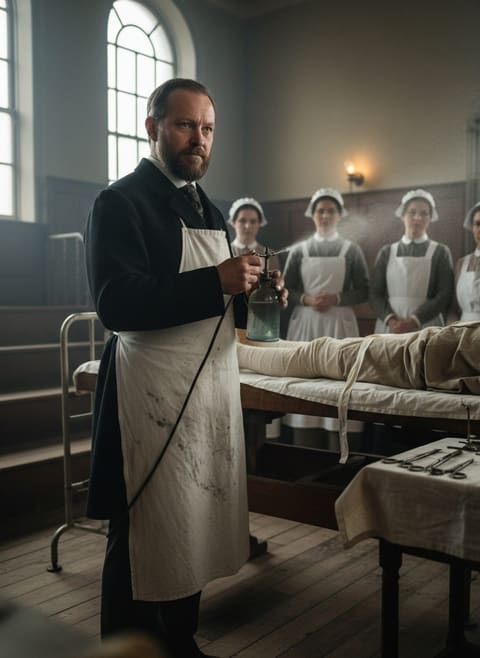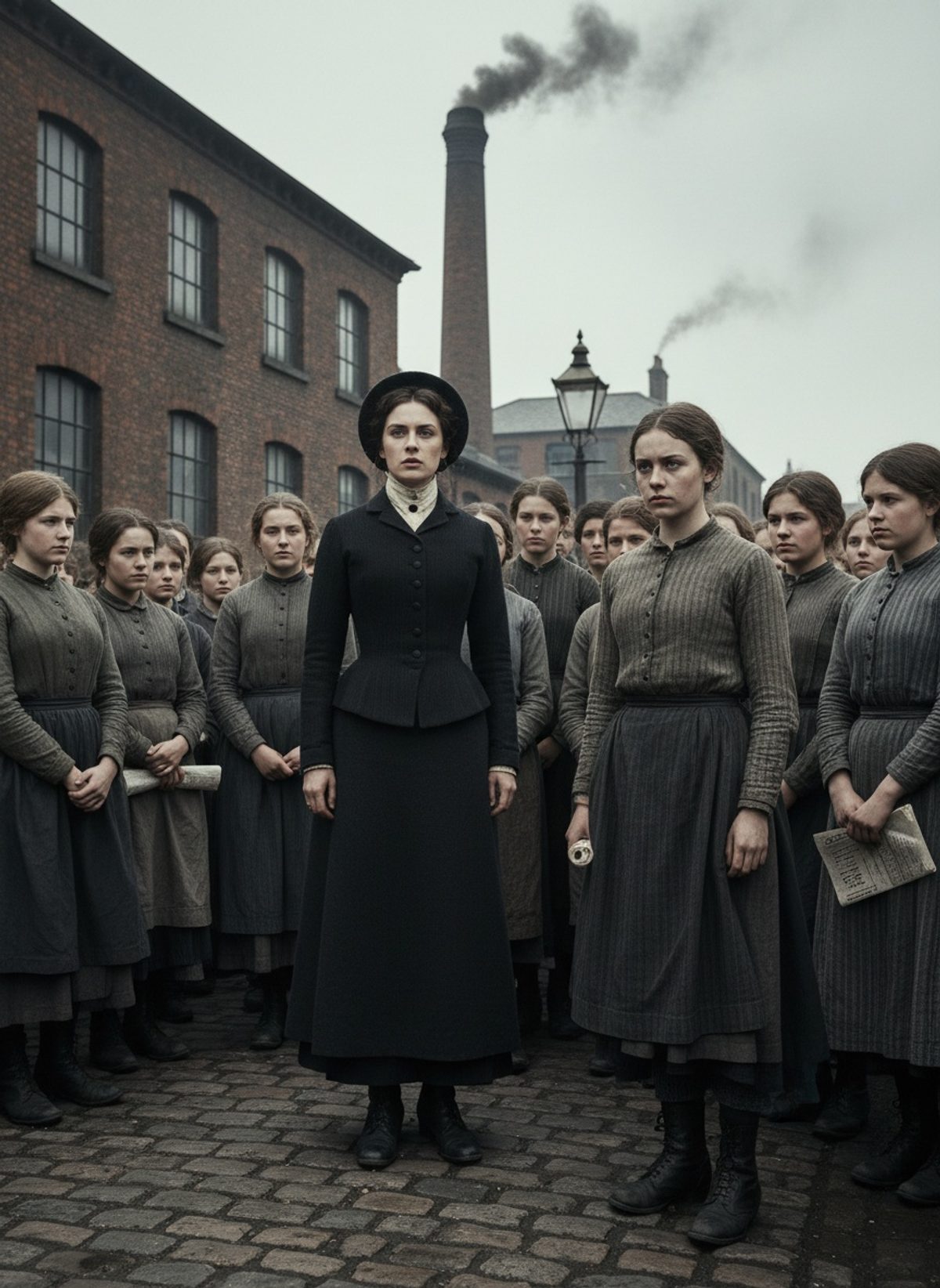
London, 1888. The air inside the Bryant and May match factory was a suffocating mix of sweat, smoke, and the distinctive, acrid scent of phosphorus. It clung to everything—the girls' skin, their clothes, and over time, even their bones.
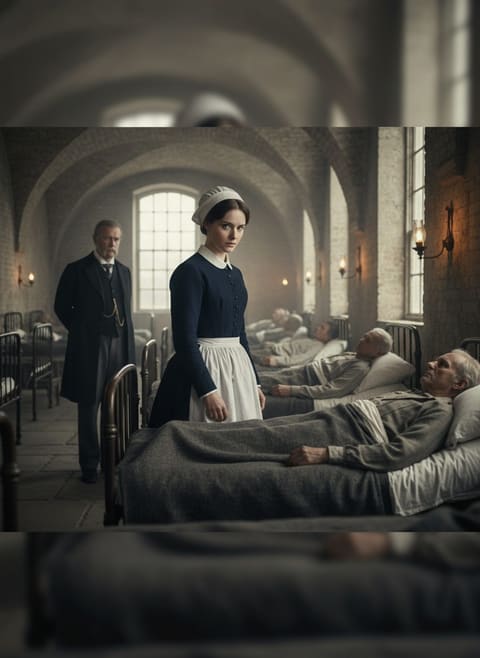
These girls, many barely in their teens, toiled under harsh conditions for fourteen hours a day, making the little wooden matches that lit Victorian Britain. They earned a mere few shillings a week, just enough to scrape by. But it wasn’t just the low pay that made their work brutal—it was the phosphorus, an ingredient in match production that poisoned their bodies. The insidious illness known as "phossy jaw" was a slow, painful decay that could end with a disfigured face, or worse. Yet, like ticking clocks, the factory gates swung open to receive them day after day.
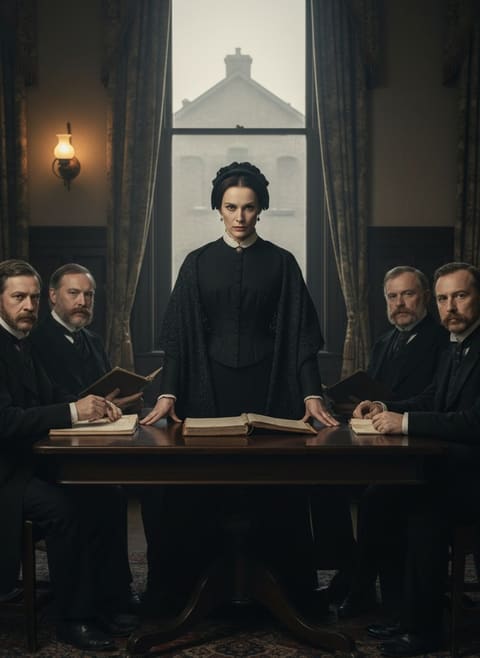
For years, this was life inside Bryant and May, a large and powerful company that dominated the match industry. The girls who worked there were unnamed, unnoticed cogs in a machine that fueled the bustling urban sprawl of London. That is, until one day, Annie Besant, a journalist and social reformer with a deep sense of justice, took notice. Besant was no stranger to the conditions of the working poor—her activism revealed an unyielding resolve to speak for those silenced by poverty and powerlessness.
As she entered the factory, Besant saw more than just Young women working under the relentless hum of machinery; she saw the faces of a workforce suffering in silence and felt their unspoken desperation. But even in their hardship, a shared resolve simmered beneath their outward compliance. Besant spoke to the girls, listened to their fears, their aches, and their silent frustrations with an empathetic heart. She promised them that they would be heard—not just heard, acknowledged—and she knew exactly how to ensure that their plight could no longer be ignored.
Read next: The Day a Surgeon's Son Chose Death Over Silence
True to her word, Besant penned an article—each word a carefully crafted weapon aimed at the credibility of Bryant and May. Her exposé detailed the inhuman conditions, the pittance wages, and the omnipresent threat of phossy jaw. Three weeks later, 1,400 match girls, tired of waiting for the world to care, walked out.
The match girls' strike of 1888 was unprecedented, not just for the shockwave it sent through the ranks of British industry, but for the societal assumptions it shattered. These were girls stepping out of the shadows, risking what little they had, challenging not only an employer but an economic system that was quick to chew them up and spit them out. As they gathered outside the factory, their voices melded into a single, defiant roar that roiled through the streets of London.
Their resolve caught the attention not only of the public but of the very establishment they stood against. Newspapers covered the strike, those once anonymous factory girls became a symbol of resilience, and suddenly the London match industry was at a standstill, held in place by mere teenagers who had found their power and wielded it with the full force of their righteous anger.
Besant continued to stand by the girls, her advocacy unwavering. She understood the symbolic nature of the battle unfolding. When the company attempted to diffuse the situation with meager compromises, the girls' response was as uncompromising as their initial stance—nothing less than safer working conditions and fair wages. And this time, they had more than just Besant on their side; they had the public, the press, and the glaring light of scrutiny.
Read next: The Day a Chimney Sweep's Son Shamed a Whole Parliament
Over the following weeks, the spectacle of the strike grew. Meetings held in solidarity drew crowds, and talk of the match girls spread beyond the city's boundaries. As pressure mounted, Bryant and May faced a decision that would reverberate far beyond their factory gates. Realizing the indefensibility of their position in the court of public opinion, they conceded to most of the demands. Safer conditions were mandated, and wages improved, proving that even the stalwarts of Victorian capitalism could be bent by the collective will, sparked by a single match.
This event was more than a victory for the match girls. It lit the flame of a broader movement, feeding into the growing embers of labor rights and women's empowerment that would slowly shape the upcoming century. Women in their plight found allies among the newly forming trade unions, and their struggle provided a compelling narrative for broader change.
It's tempting to view this event as an isolated victory. But it’s crucial to remember that these match girls didn’t just strike against a company—they pushed against an entire societal structure that assumed that their silence was a given. In asserting their voices, they challenged deep-seated norms about gender, class, and dignity at work.
The match girls' resolute and courageous stand resonates today, a reminder of the power contained within those society often underestimates. In their victory, we see the generations who followed, emboldened to believe in their right to fair treatment, free from the shackles of poverty and powerlessness. They remind us that sometimes, it takes just a spark to ignite a revolution. As the echoes of their defiance fade into history, the lessons of their courage remain as potent and relevant as ever.