November 11, 1899. The morning fog clung stubbornly to the docks of Southampton.
The Menace Before the Battle
The autumn chill had barely begun to bite when British soldiers embarked on ships bound for South Africa. As they gathered, uniformed and battle-ready, whispers of an unseen enemy circulated among the ranks. Before any conflict with the Boer commandos, these soldiers faced a threat that undermined their strength from within. Field Marshal Lord Kitchener, notorious for his strategic foresight, recognized that venereal disease was not just a minor inconvenience but a silent saboteur of morale and manpower.
The realization dawned sharply: before the first bullet hissed through the dusty veldt, the British Army was losing more men to venereal disease than could be imagined by those left in the fogbound comfort of England's shores. It was an era where the creaky cogs of military bureaucracy worked around entrenched Victorian morality, trying to accommodate the realities faced by thousands of young men thrust into foreign lands.
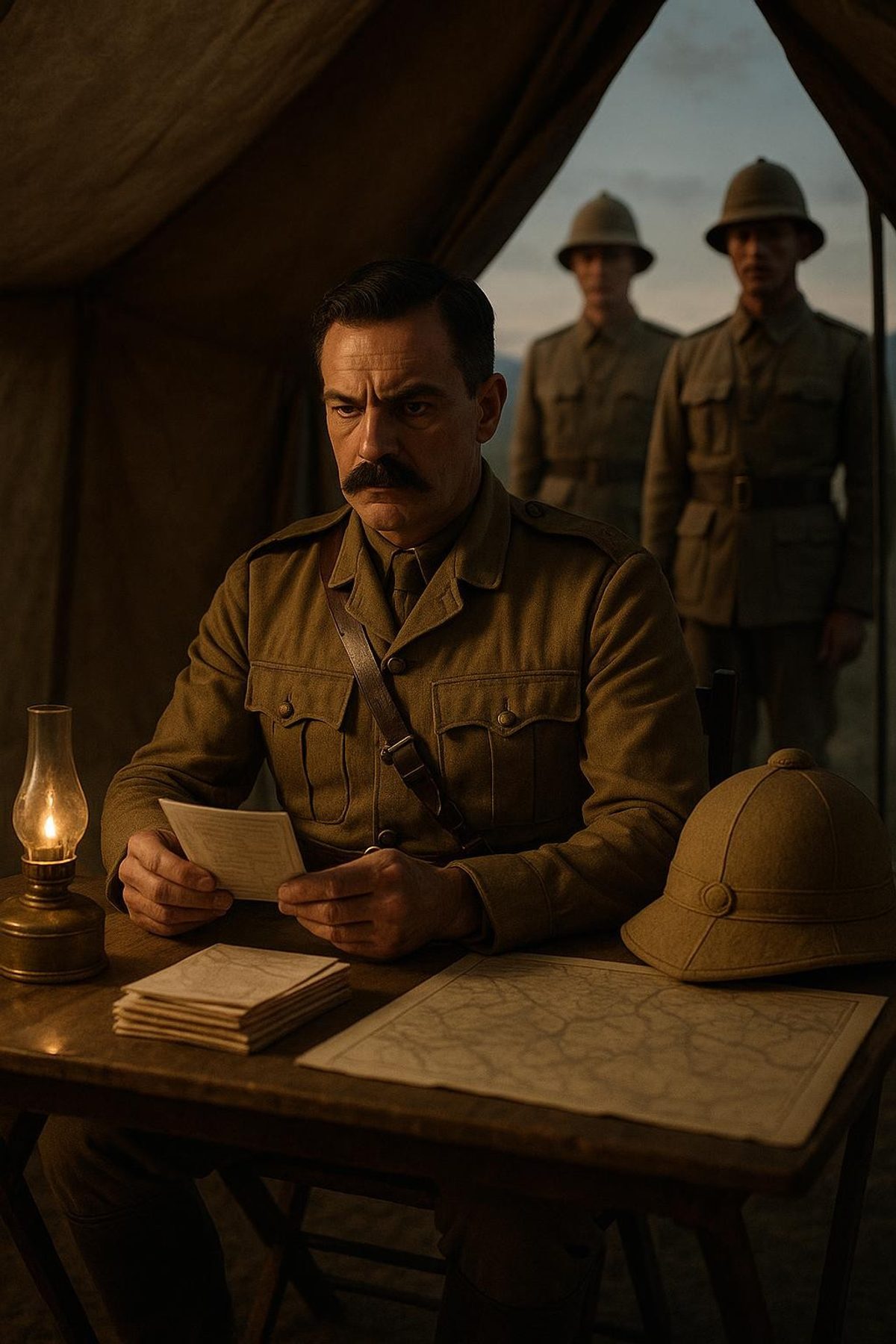
Kitchener, always pragmatic, knew that suppressing nature's call was a futile endeavor. The question became not one of prohibition but harm reduction. In a controversial maneuver, his medical officers proposed a measure both sinister in its necessity and audacious in its pragmatism: small, pocket-sized cards. They were simple but radical — catalogues of local brothels accompanied by stark warnings about the tell-tale signs of disease. The cards were meant to arm soldiers with knowledge in an area shrouded with danger and Victorian shame.
Read next: When Kitchener's Surgeon Printed What No Church Would Allow
Faith in Conflict
The proposal landed like a scandalous rumor in the austere halls of the chaplaincy. The military clergy, guardians of moral virtue, balked at the notion. They saw these cards as Pandora's Box, each one a handheld assault on their mission to cultivate righteousness and restraint among the soldiers. "No padre would touch them," one chaplain allegedly commented, flatly refusing to distribute the guides as a matter of principle.
This stalemate illuminated a deeper schism. It pitted the stark realities of war preparedness against the rigid ethics of the period. To the soldiers, fresh from lives molded by strict societal codes, the cards represented liberation and necessity, however unsavory. To the clergy, they marked an unconscionable acceptance of immorality. Yet, Kitchener understood the gravity of the situation. With orders in hand and soldiers' lives at stake, he paved a path past the chaplains, authorizing the use of the cards regardless of ecclesiastical assent.
As he anticipated, the cards found willing distributors in the ranks not tied to clerical authority. Non-commissioned officers and trusted sergeants became unexpected allies in this polarizing campaign of education and prevention, prioritizing their comrades' health over moral entanglements. The cards, illustrative in their warnings, became unlikely talismans — grisly emblems of survival in a theater of war where disease proved a more frequent harbinger of death than the Boer's bullets.
Lessons From Cards Unwanted
Despite the uproar from religious quarters, the aftermath of the cards’ introduction told a story of practical success. The rate of venereal disease, though still troubling, showed signs of decline in the camps where the cards found their way into soldiers’ hands. This small but significant victory revealed the cards as a stark tool of awareness, transcending their unsanctioned origins.
Yet, what was merely an episode in the larger tapestry of the Boer War became a conduit for broader societal reflections. Here was a moral conundrum laid bare: could the ends justify the means, even when those means flew in the face of established codes? The cards spoke to a clash not only of health and prudence against doctrine but also of change against tradition. They stood as evidences of an uncomfortable truth: that sometimes victory demanded acceptance of the unpalatable.
As history would show, Kitchener's cards were more than just paper shields against an invisible threat. They were artifacts of a time and place where necessity married defiance, silently challenging the parameters of the Victorian moral landscape. In a way, these small acts of resistance — tangible, controversial, and consequential — signified a shift. They underscored the inevitability of progress at odds with adherence to inflexible principles, echoing into future conflicts where moral and practical imperatives would once again come into conflict.