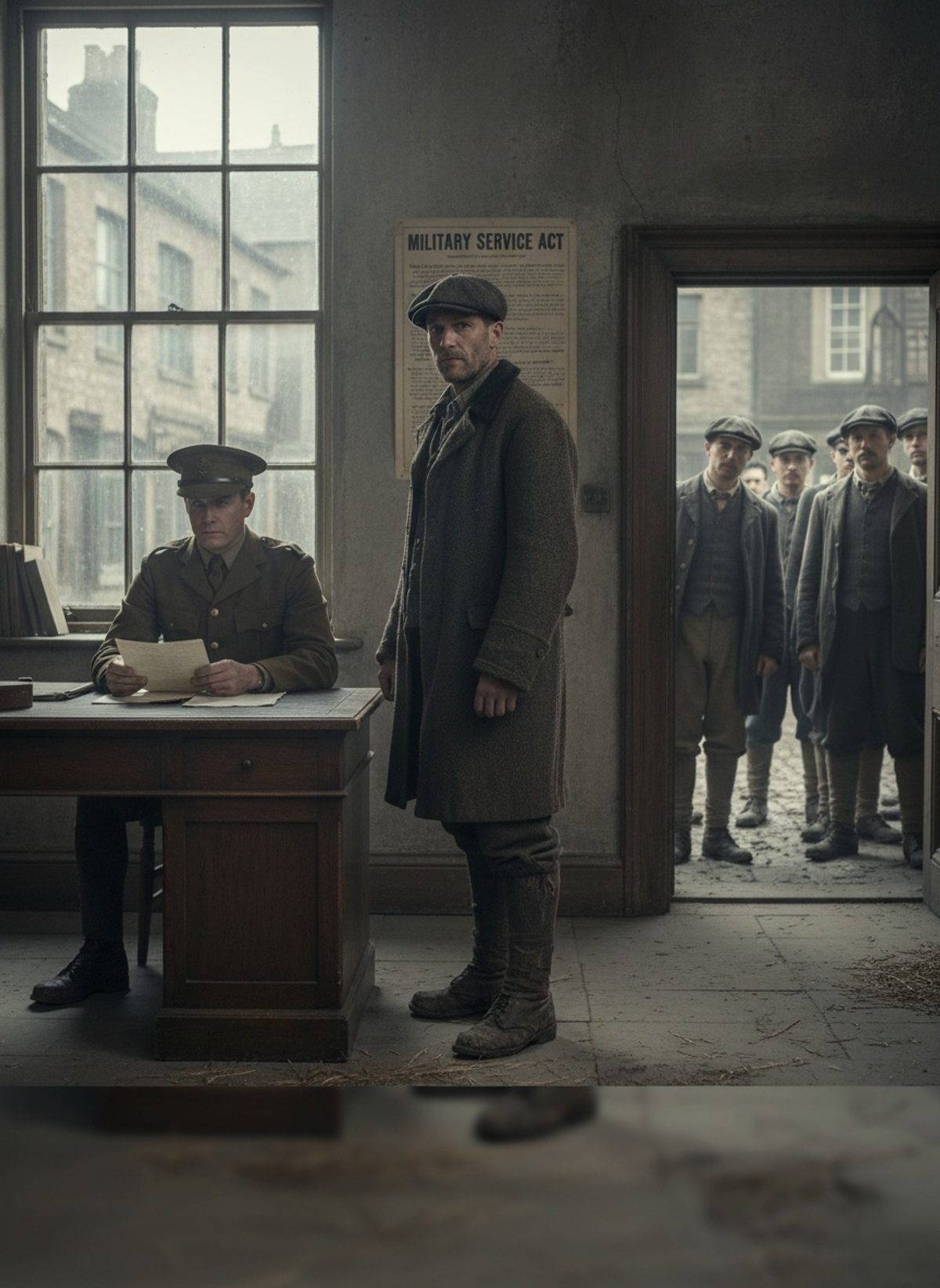
He was five-foot-two. The British Army deemed him unfit for war because he couldn’t meet the minimum height requirement.
The Call to Arms
In the late summer of 1914, the ominous clouds of war gathered over Europe, and Britain found itself grasping for every able-bodied man to fight in The Great War. Posters bearing Lord Kitchener's stern visage with his finger pointed directly at the viewer were plastered across towns and cities, urging men to enlist. The adrenaline-charged atmosphere reverberated through the streets as factories turning out munitions added to the bustling fervor. Men from all walks of life responded with pride, eager to defend their nation and partake in what many believed would be a short and glorious campaign.
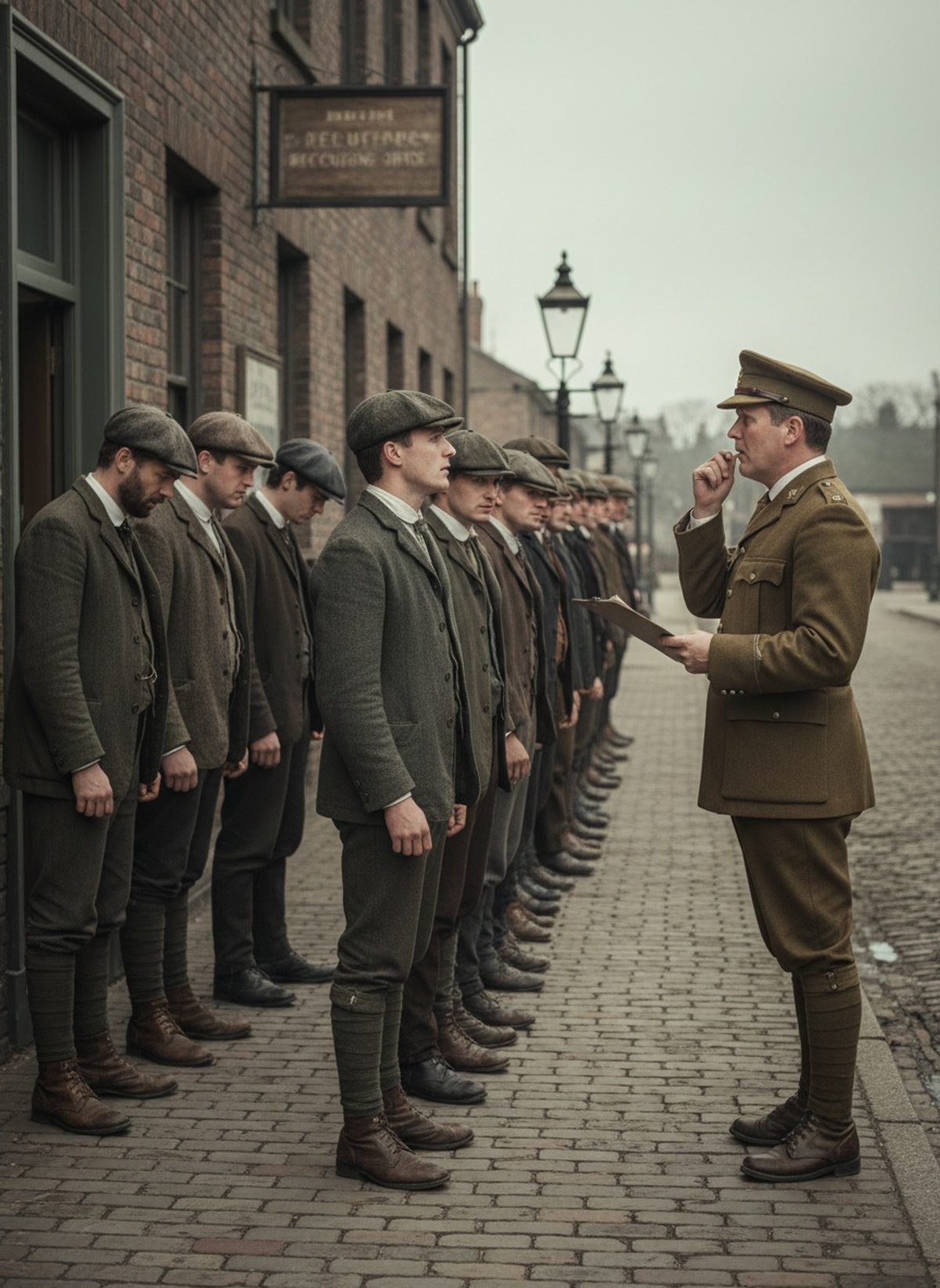
By 1915, over three million men had visited recruiting offices across the country. Queues stretched around corners as young lads, seasoned tradesmen, and even eager teenagers lied about their age to experience the patriotism-tinged adventure. Yet, among this sea of applicants, a surprising number of eager volunteers found themselves overlooked, rejected not for lack of courage but for reasons that speak volumes about the era's priorities and prejudices.
Imperial Standards
The British Army's recruiting standards, born from decades of peacetime military doctrine, were rigorous—and by some standards, irrationally so. Amidst the process of building an imperial fighting force, physical criteria held immense weight. Imagine the scene: a bustling recruiting hall tinged with the antiseptic smell of formaldehyde, where hopeful men lined up for their medical examinations. Each was scrutinized through a precise lens: height, dental health, and foot arch, with the latter revealing a penchant for the Victorian ideal of the perfect soldier.
Read next: When Adrian Carton de Wiart Led the Charge at Zebugett, 1918
A man under five-foot-three, such as our fervent yet diminutive friend, who stood just an inch shorter, was often dismissed, mirroring a prejudice that sidelined countless potential soldiers. Around 35% of these men were turned away due to medical unfitness for service—a statistic shocking for a nation supposedly scrambling for manpower. While some conditions, like severe vision impairment or debilitating illnesses, made practical sense, others, such as the focus on dental health, baffled many.
Flat feet became a notorious criterion for rejection. It was believed a soldier with flat feet couldn’t march effectively through the muddy trenches of France. No amount of bravery could compensate for the imagined crippling impact of low arches.
The Social Reflection
The exclusions cast a spotlight on the socio-economic realities of early 20th-century Britain. Dental disqualifications, for instance, underscored the broader public health issues of the time, reflecting a working-class population with limited access to modern dental care. Many recruits arrived with rows of decayed or missing teeth, the result of nutritional deficiencies and inadequate oral hygiene education.
Height standards mirrored entrenched ideals around masculinity and prowess. A taller soldier, it was assumed, could carry more supplies, withstand physical adversity better, and from a symbolic perspective, stood taller and prouder against enemy forces. But such views discounted the resourcefulness and dedication less statuesque men could bring to bear—a tragically narrow vision of valor.
These criteria unwittingly perpetuated rigid social classes within military ranks. The working class found themselves disproportionately represented in the ranks of those rejected, as lack of access to healthcare compounded such physical 'defects'. It was a cruel twist of fate for many communities that harbored aspirations of a better life through service and sacrifice on the battlefield.
Lessons from the Past
The unyielding standards highlight an ironic juxtaposition: a zeal to fill the ranks with strong British men and a bureaucratic rigidity that stifled that very mission. It wasn’t until the war raged on and losses mounted that restrictions softened, and units like the "Bantam Battalions" were formed. These units accepted men below the original height requirement, recognizing that determination and resilience could not be measured by inches alone.
The episode remains an evocative reflection of how a society’s values influence its institutions and decisions in moments of crisis. While the stringent standards might have aimed to forge an elite fighting force, they neglected the broader human capacity to adapt and endure under adverse conditions. It is a lesson as relevant today as it was over a century ago—a call to embrace human diversity and adaptability as much as strength and stature.