She was a sleek symbol of British naval prowess. Yet, this ship's end would highlight a grave oversight in naval warfare tactics. HMS Prince of Wales had traversed tumultuous waters previously, yet the South China Sea would be her undoing.
The Maiden Voyage to Remember
HMS Prince of Wales was no stranger to peril. Her debut into the Atlantic Ocean was marked by a clash of titans—her involvement in the chase and ultimate demise of the formidable German battleship, Bismarck. It was May 1941, and the scales of naval power were still tipping precariously.
The Prince of Wales, alongside HMS Hood, squared off against Bismarck under the gray skies of the North Atlantic. It was here Prince of Wales demonstrated her resilience, dodging the shells that led to the catastrophic explosion of HMS Hood, striking back in what was both a literal and symbolic blow to Axis maritime strength.
Later that year, the Prince of Wales had the prestigious duty of escorting Prime Minister Winston Churchill across the Atlantic. Aboard her decks lay the cradle of what would be the Atlantic Charter, a pivotal document that reinforced the alliances between the United Kingdom and the United States. Her mission then was diplomacy, a splendid, serene voyage that belied the storms to come.
Read next: When Britain Sent Eight Million Animals to the Western Front
An Unenviable Task
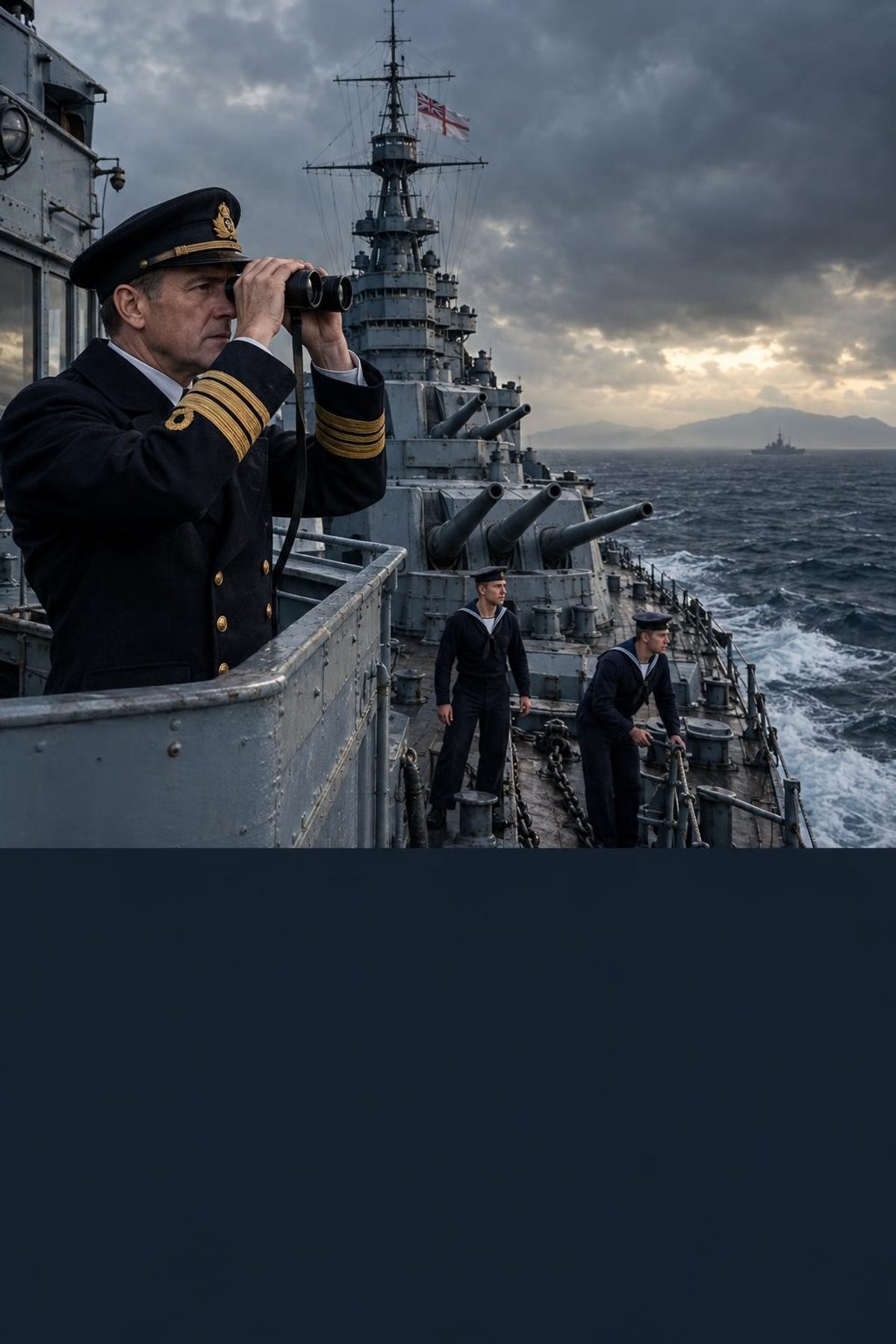
By December 1941, the Prince of Wales would once again find herself at the heart of conflict, sailing into murky waters both literally and strategically. Ordered to head north from Singapore with the battle group known as Force Z, the Prince of Wales was tasked with a preemptive strike against Japanese forces reported to be advancing on Malaya. At her side, the battlecruiser HMS Repulse bolstered the task force with her own formidable presence.
Deceptively peaceful seas lay between these vessels and their objective. However, beneath the calm, a whirlwind of strategic missteps was brewing. Admiral Sir Tom Phillips, in command of Force Z, found himself grappling with a critical lack of air support—a decision that would later prove catastrophic. Despite signs of rising Japanese air dominance in the Pacific, the confidence in the age-old might of the battleships' guns overrode wiser caution.
The Fateful Encounter
December 10, 1941, would seal the fate of the Prince of Wales. Japanese forces, armed with intelligence and superior numbers of aircraft, launched a meticulous air assault on Force Z. The early morning skies darkened with the approach of enemy bombers, and the seas below mirrored the chaos above as the battle erupted. The Prince of Wales and Repulse, proud and formidable on the surface, were no match for the tactical precision and brute force of the Japanese aerial onslaught.
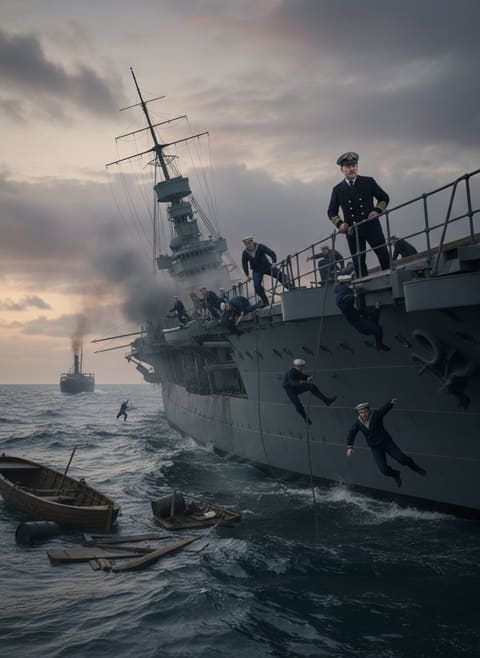
It was a battle that saw courage and desperation converge in a haunting ballet of fire and metal. Despite their gallant efforts, neither the Prince of Wales nor the Repulse evaded the determined strikes from the Japanese torpedo bombers. The once-proud flagship, riddled with hits, began to list dangerously. In the tropical waters of the South China Sea, the crew faced an agonizing struggle for survival as their ship succumbed to the unforgiving tides.
Aftermath of a Naval Catastrophe
The sinking of the Prince of Wales, alongside HMS Repulse, marked a pivotal turning point in naval warfare. It was an undeniable wake-up call to the vulnerabilities inherent in the absence of air cover for surface vessels. As the brilliant flashes of conflict subsided, the loss of these two British capital ships etched itself into history as a watershed moment where traditional naval tactics were weighed and found wanting amidst the modern face of warfare.
Read next: When Major Thomas Colville Died on the Road to Kabul, 1879
The repercussions were immediate and profound, reverberating through the Allied command structures. Force Z’s destruction underscored the harsh realities of modern naval engagements, where air power reigned supreme. The ripples of this debacle would reach far, prompting a reevaluation of naval strategy and emphasizing the critical need for effective air cover—a lesson brutally learned too late.
The Legacy of HMS Prince of Wales
The story of HMS Prince of Wales resonates through history not just as a tale of valor but as a sobering reminder of the evolving nature of warfare. Her journey from triumph to tragedy illustrates the stark reality that the seas were no longer a domain held by battleships alone. The lessons gleaned from her sinking fueled a transformation in military strategy, shaping naval doctrines for generations to come.
This brief, yet significant chapter in maritime history underscores the immutable truth that even the mightiest can fall when dogma overshadows innovation and adaptability. The waters that claimed the Prince of Wales demanded a new era of naval strategy, one defined by the skies above as much as the seas below.
As history often teaches, survival favors those who learn and evolve. In every sunken hull and lost crewman lies a whisper to the future—a call to adapt before the next decisive moment drifts in on the tide.