The late summer sun cast a viscous haze over Delhi, its glow filtered through a smothering shroud of battle smoke. Dust, mingling with the acrid scent of gunpowder, lay thick on the bloodied streets where recent violence stood fresh in every shadow. A city at the crossroads of empire—both ancient and modern—it bore silent witness to the audacious play about to unfold.
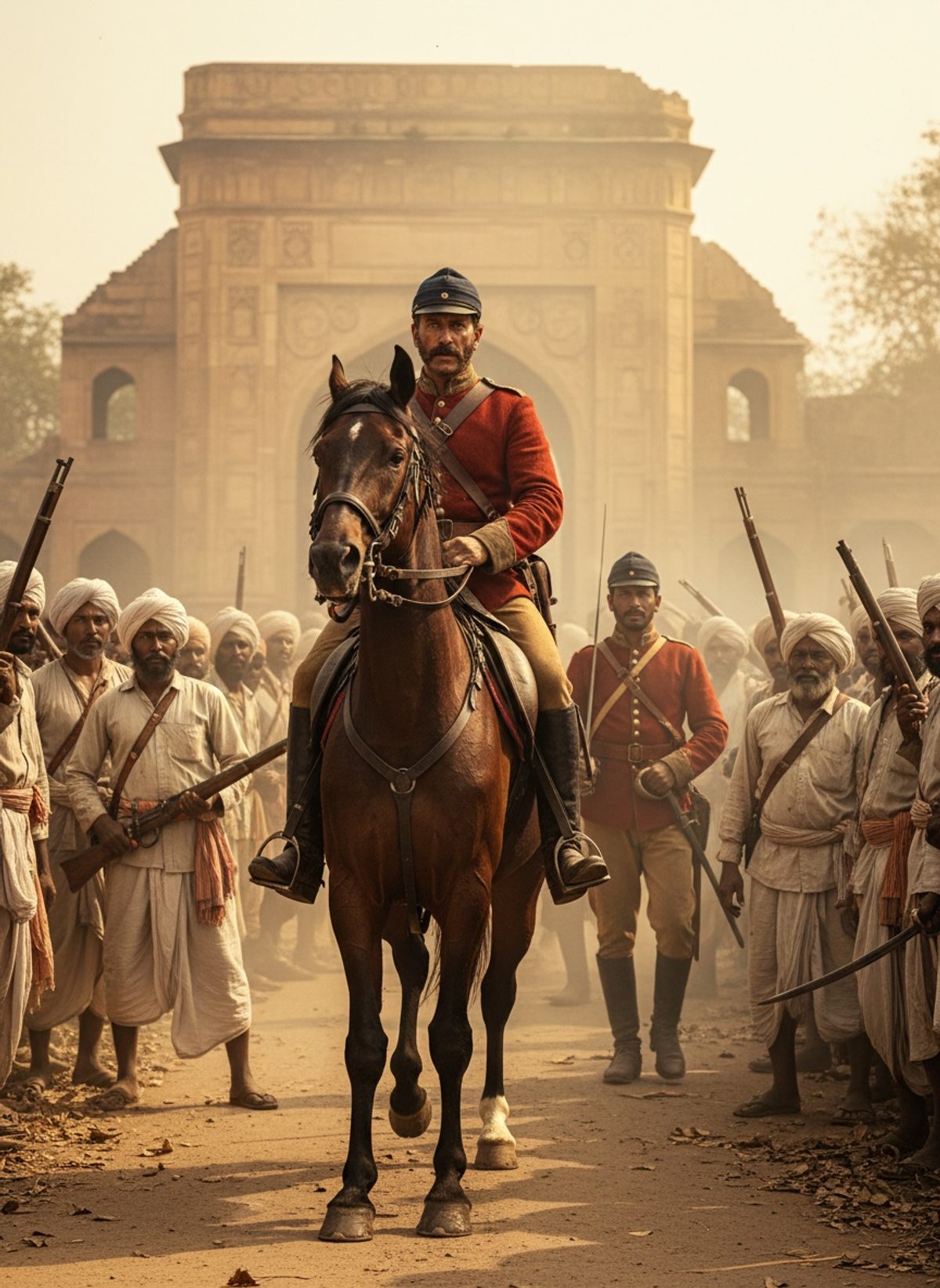
In the heat and chaos of 1857, amid the cacophony of the Indian Mutiny, one man took a gamble that would change the course of history. Major William Hodson, riding astride his steed, charged into the heart of the city, not to subdue rebels, but to shatter the last vestiges of a once-mighty empire.
The Silent Threads of Power
Delhi was no ordinary city; it was the heart of the Mughal Empire, steeped in centuries of glory and now thrumming with the feverish pulse of revolt. It was said you could hear the whispers of the past at every corner—a tapestry woven with threads of poetry, art, and conquest.
Yet, the city’s grandeur was crumbling under the onslaught of rebellion. Tens of thousands fought fiercely, their cries echoing against the old sandstone walls. And as the dust settled from the British assault, the end of an era hung in the air, palpable and inevitable.
Read next: When HMS Encounter Led Three Ships Into Surabaya, 1942
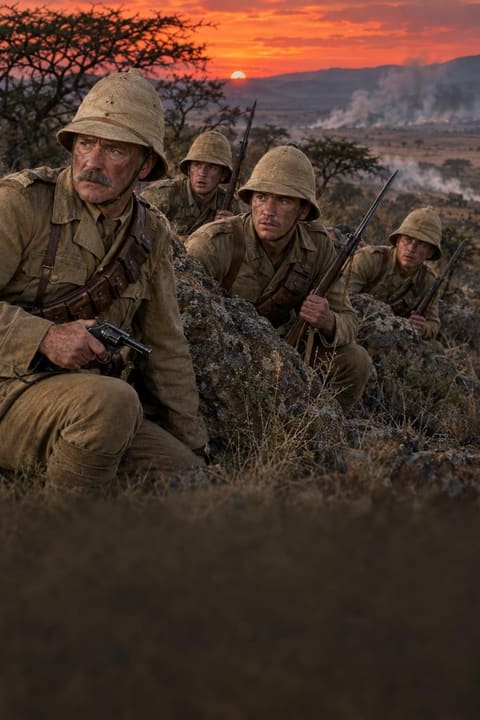
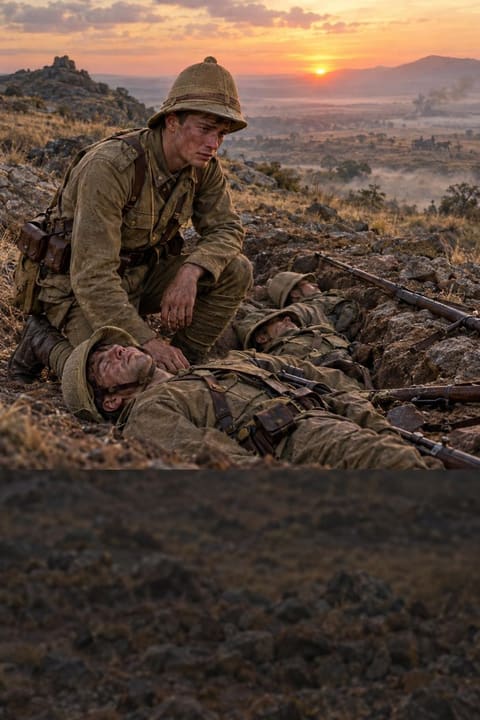
The scene was one of chaos and desperation, both beautiful and terrible. British soldiers, weary and haggard from the siege, tightened their grip over the city. Yet, looming beyond victory lay Major Hodson’s mission—ambitious, reckless, and barely conceivable. With but fifty horsemen, the odds were stacked against him.
Nonetheless, determination forged his path. And within the swirling uncertainties of war, he rode with singular purpose: to capture the last Mughal emperor, Bahadur Shah Zafar, and demand surrender in a world where once acclaims flowed to the Mughal throne with the grandeur of rajahs of old.
A Gamble Amidst Grit and Shadows
William Hodson’s bold strategy defied the natural order amidst the crumbled empire. His approach, with a handful of loyal troopers, was less an exercise in military might than a maneuver of psychological precision. The aged Bahadur Shah Zafar—a poet at heart, reluctant to rule, and helpless in the face of lost legacy—awaited his fate amid the ruins of his ancestral home, Humayun's tomb. To see the imperial line end here was to render history's turning point in solemn strokes.
In the balance hung not just an emperor but what he represented: a dynasty that had once ruled from the banks of the Bosporus to the vibrant courts of Agra. With calculated rhetoric and sheer force of will, Hodson wrested from Zafar the promise of surrender. The last king of the Mughals donned the guise of a prisoner—India's regal past turned to dust underfoot as the warriors rode out from the tomb, spirits shrouded by the approaching abyss.
The Execution on Khuni Darwaza
As dawn broke the next day against a dismal sky, Delhi prepared for one last act of retribution. After the emperor, his sons became the tether to defiance, embodying the bitter thirst for vengeance that rebel hearts craved. Hodson met this with brutal decisiveness. Riding to the camp where the princes were held, he dispensed not justice but a ruthless assertion of imperial might.
Read next: When HMS X24 Slipped Into Bergen and Left a Gift, 1944
The execution took place beneath the looming walls of the Khuni Darwaza, a pathway marked by layers of historical bloodshed. Here, Hodson took the heads of Bahadur Shah's sons with ruthless efficiency, pausing to ensure Delhi's streets understood the gravity of the revelation. The executions: swift, merciless, left a potent message in their wake—a reminder that the empire’s tolerance had its limits. No trial, no counsel, merely the unyielding grip of colonial law in the heart of a turbulent land.
Delhi’s streets ran restless with whispers; the flames of ancient monarchies snuffed, the haunting echoes of Hodson’s gunshots etched in civic memory. For in 1857, under the oppressive weight of rebellion and reprisal, the 'Lion of the Punjab' claimed a legacy notorious and unsettling, where both the man and the act left scars deeper than any narrative dare expound.
Histories breathe not just through their victories but through decisions where morality hangs heavy against desperate circumstances. Hodson's charge across Delhi's tumultuous streets is more than an outburst of bravado; it marks the final, faltering breath of imperial India in a world redrawn by the hand of colonial ambition.
In the city's ancient heart, one empire faded to the rhythm of an emerging superpower—bold and unforgiving, leaving echoes that history cannot readily silence. The passage of time may blur details, but the shadow it casts remains a testament to the legends they left out of the textbooks.