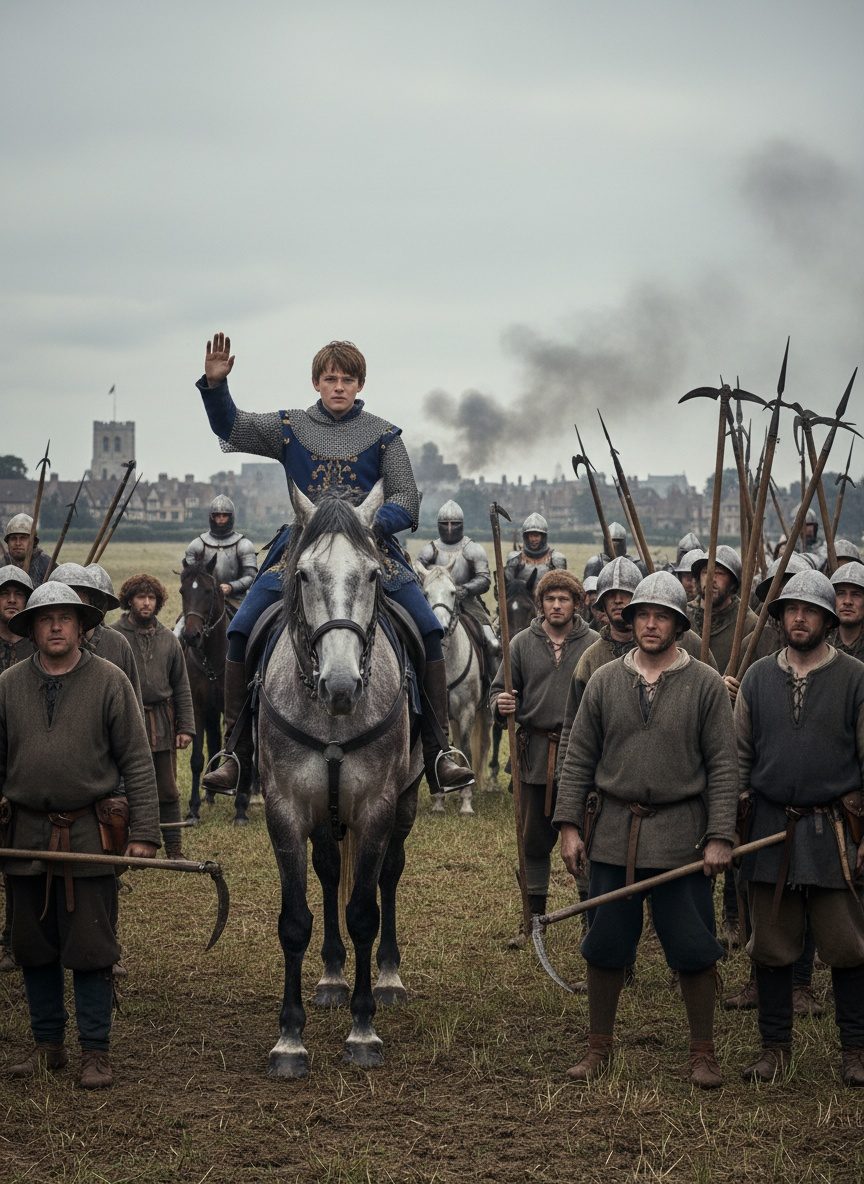
Richard the Lionheart was invincible. Until a single, swift crossbow bolt proved otherwise. March 1199 marked not only a tryst with mortality for one of England's most formidable monarchs but also a stark display of medieval justice and mercy.
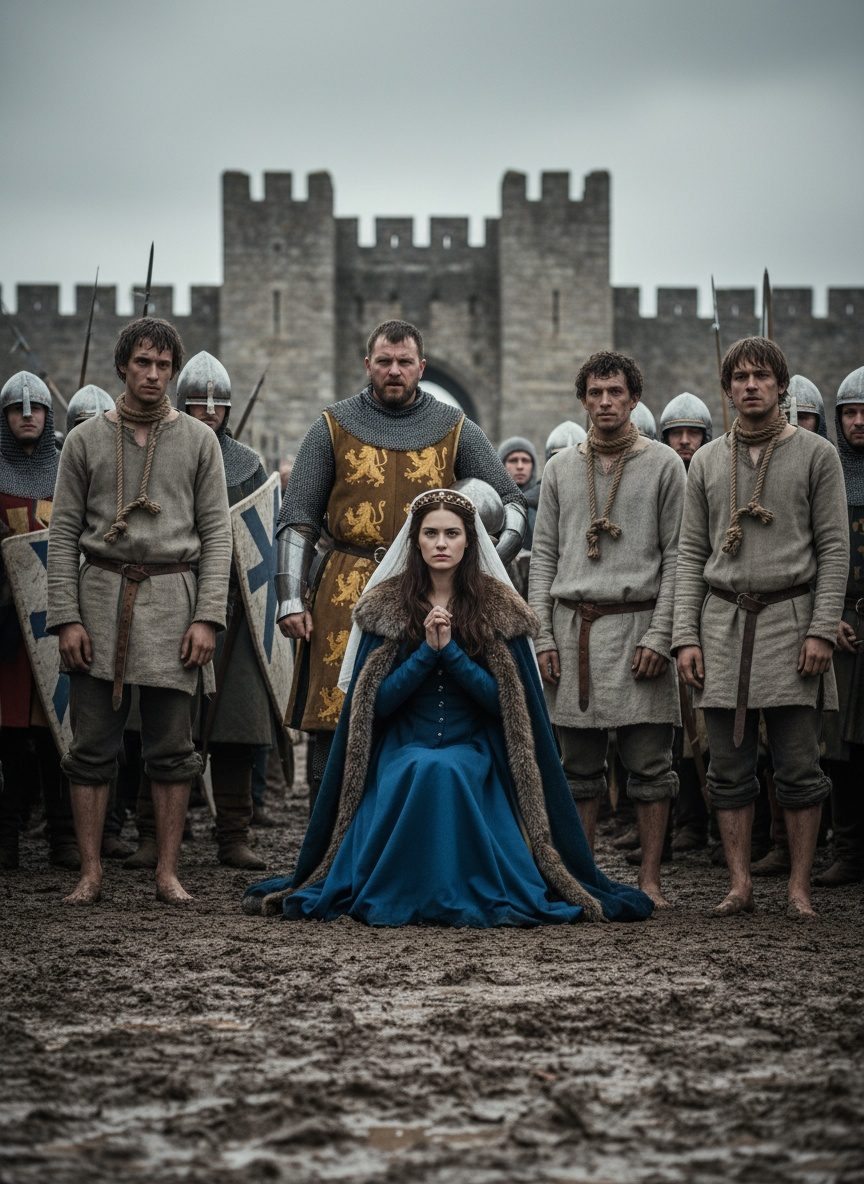
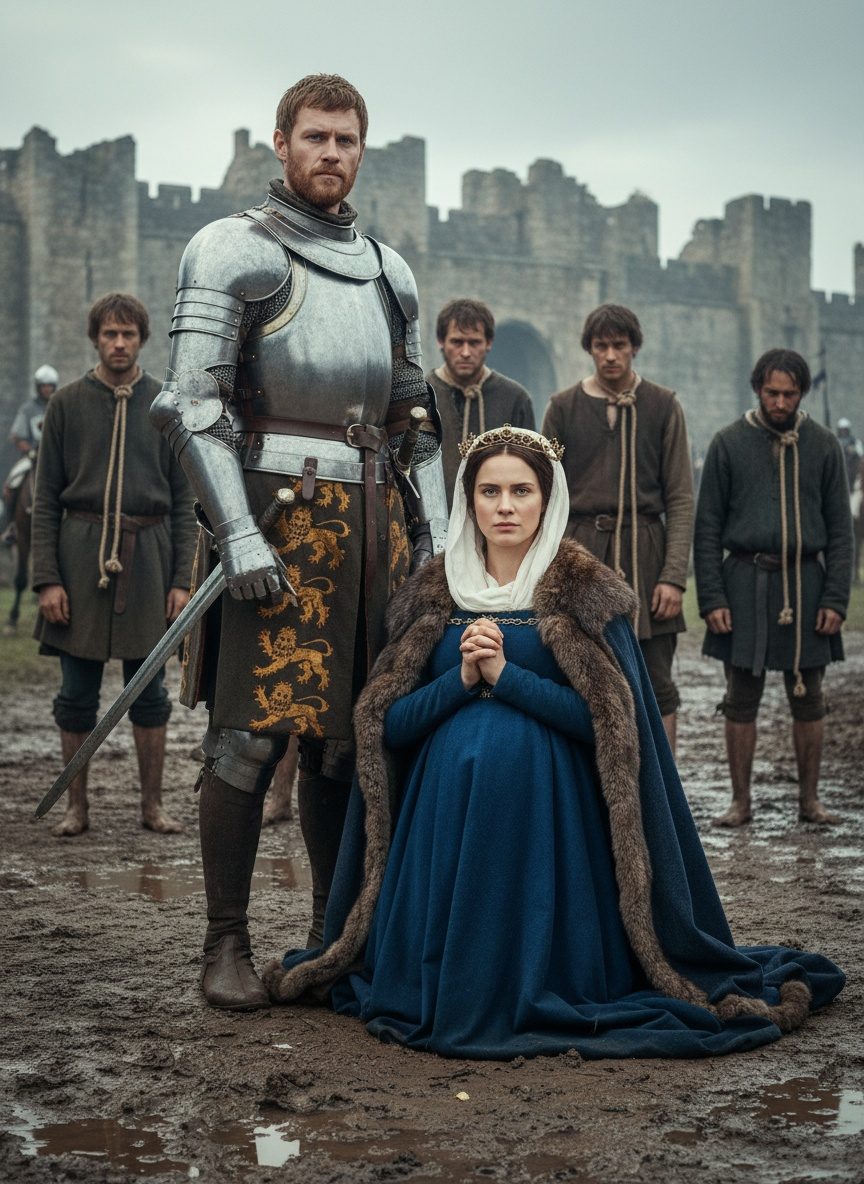
The setting was bizarrely modest for a king known for his grand conquests and architectural ambitions. Richard I, King of England and famously dubbed Lionheart, found himself laying siege to a diminutive castle — one so insignificant it might have been drawn from shaded corners of forgotten maps. Yet, its defiance was not taken lightly by a king whose entire life was steeped in the roar of battle and the clangor of sieges. Situated near the village of Châlus-Chabrol in France, the tiny fortress held a peculiar allure for Richard. Tales circulated that hidden within its modest walls were treasures beyond imagining, sparking his notorious acquisitiveness.
On a day like any other, with the sun setting behind the rugged battlements, Richard walked in the open, unarmored and casually inspecting the progress of the siege. Rosy clouds gathered above as evening crept in, lending an almost serene backdrop to what was about to become the site of calamity. From a castle wall, a young boy, perhaps buoyed by youthful daring or seeing a rare opportunity to strike at a king, pulled back the string of his crossbow. The silent tension of the scenes broken only by the whisper of leather upon wood as the bolt sailed from dock to destination.
The projectile flew true, embedding itself into Richard’s left shoulder. It was a wound, not immediately fatal, yet it portended disaster. While the injury initially seemed minor, infection—an ever-present companion in medieval warfare—soon set in. The once-mighty warrior king who had battled on the scorching plains of Acre and defended his realm from the rooftops of Jerusalem was now felled by gangrene’s insidious grasp. Each day, the wound spread its necrotic reach, darkening flesh and hopes.
Read next: The Day an English King Drowned an Army in a Marsh
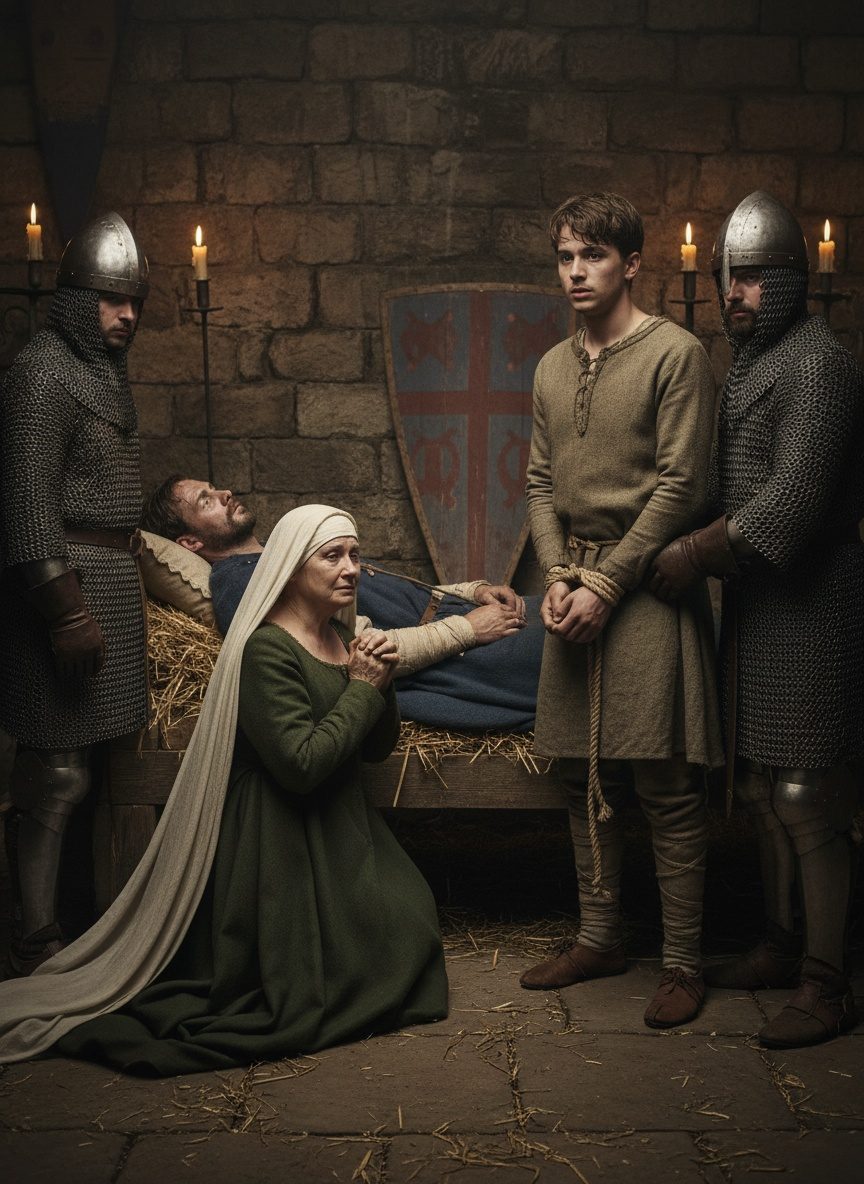
Richard, however, true to his chivalric ideals, did not let the bitterness of impending death cloud one final act of nobility. Summoning his strength, he called for the boy who had pierced him. Whether the child approached the king with trembling apprehension or defiant resignation is left to history’s imagination, but the words exchanged between them are recorded in legend. To the shock of those gathered, Richard forgave him. Letting go of vengeance in a ritual act that seems both humanity and absurdity to modern eyes, the king, knowing he would soon share the cold Earth with the commoner, placed the burden of blame upon himself.
This act of forgiveness was a momentary illumination of a world so often clouded by cycles of violence and retaliation. Richard’s deathbed Clemency, however, was swiftly eclipsed by the vengeful rigor of his men. As the Lionheart’s life ebbed away in slow, painful minutes, his soldiers’ thirst for blood amplified. Once the monarch ceased to breathe, the command for retribution echoed among the ranks. The boy, a pawn in history’s chess game, found himself at the mercy of men who offered none. Richard’s clemency served as a marker of personal nobility, but his troops were less enlightened in their understanding of justice.
The young crossbowman’s end was brutal and swift, meted out as an object lesson, a grim reminder of the hatred that even kings’ most magnanimous gestures could not extinguish. His body was mangled beyond recognition as immediate, violent retribution seemed the most natural order of such times. Medieval chivalry had its lines, but for the vengeful, those lines were often crossed in blood.
This episode, steeped in both pathos and paradox, not only highlights the frail intersection of power and vulnerability but also the human capacity for mercy amidst a stark socio-political landscape inoculated against the same. Richard, though often remembered for his martial prowess and absence from his own realm, leaves behind a multifaceted legacy. His choice to forgive, so contradictory to his warlords’ brutality, remains an intriguing facet of his reign—a footnote drowned in the larger narrative of empire, taxation, and relentless crusades.
Richard’s death in 1199 shifted the axis of power in the Angevin Empire, yet it is this intimate moment of absolution that quietly endures, a small light in the vast darkness of medieval strife. It prompts contemplation about the cyclical nature of violence and the rare moments when humanity pierces that gloom. Even in death, the tales surrounding Richard the Lionheart serve as a reminder of the perpetual confluence of grandeur and fragility in the stories of legends and mortals alike.