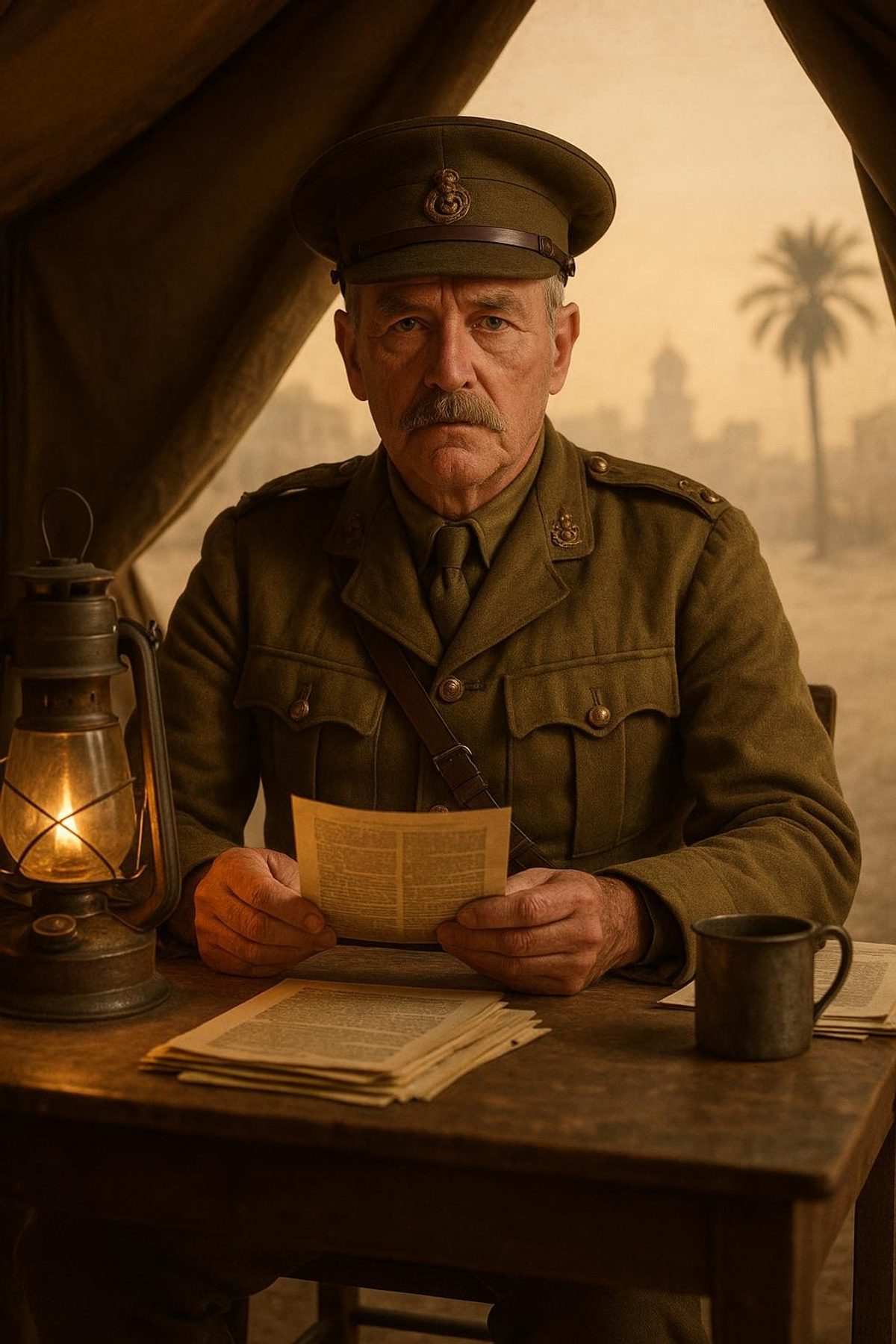
He was twenty-one years old. He had never seen the inside of a combat boot before his feet first stepped onto Papua New Guinea's soil in 1942.
The Overlooked Warriors
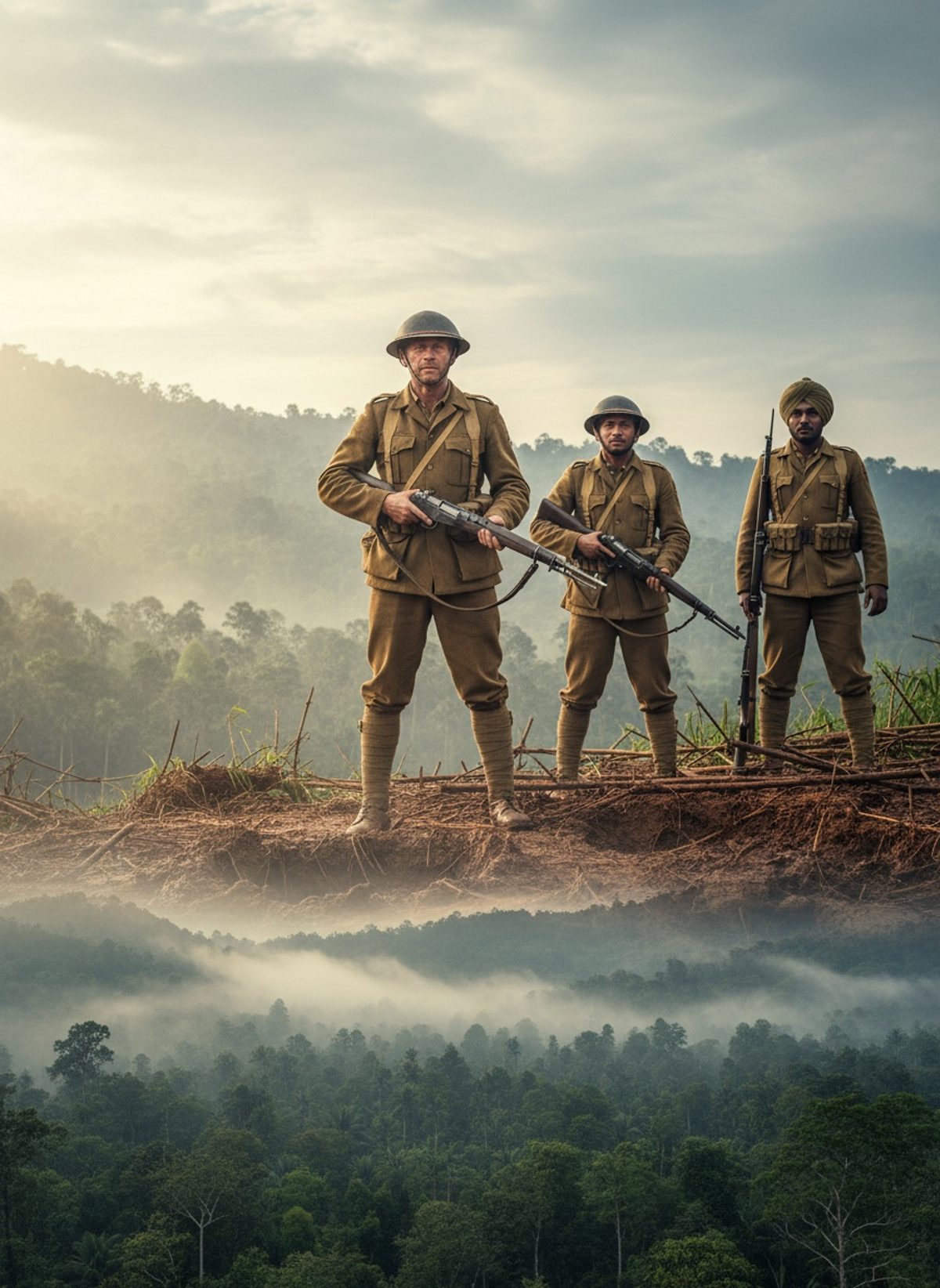
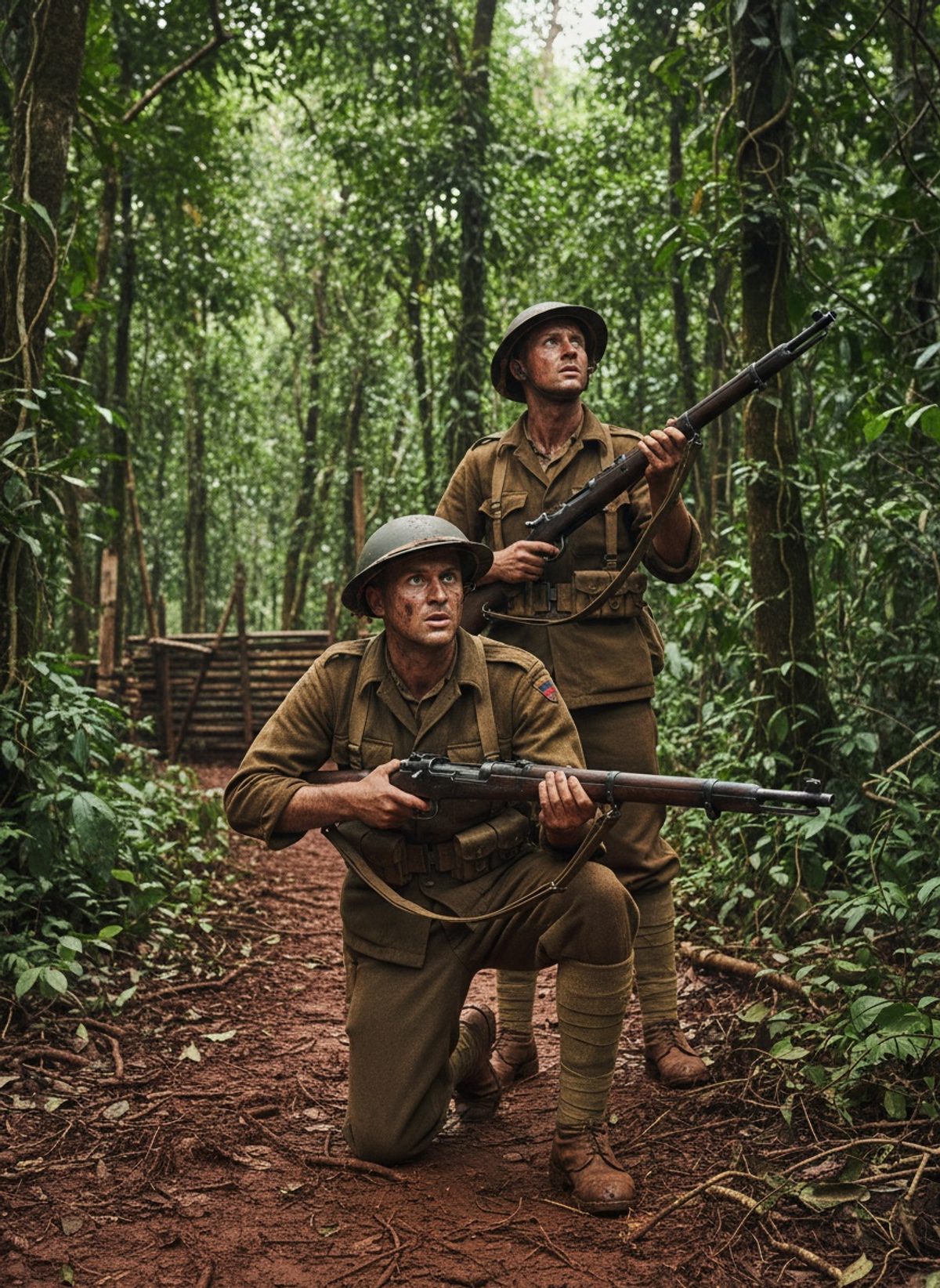
The men of the Australian militia battalions stationed to defend the Kokoda Track were not the grizzled veterans of the regular army. They were farmers, clerks, and miners pulled from the civilian comfort of their homeland and thrust into the unforgiving jungles of New Guinea. Many were young and inexperienced; their average age barely scraped twenty. Despite this, when the Japanese force began their southern push through New Guinea, these militiamen faced them with determination that belied their years. As if sheer determination itself could act as a bulwark, these men ran communication wires through the rainforest and dug into the muddy soil, ready to hold back the tide.
Yet, their situation was perilous. The Japanese troops pushing south numbered about 6,000—a disciplined, battle-hardened force. The prospect of holding back such a force would seem insurmountable to anyone but the 39th Battalion, who were about to demonstrate an endurance previously unimaginable. Encircled by the jungle, this militia stood between a burgeoning army and Port Moresby, a critical gateway to Australia. The fate of the South Pacific teetered on their shoulders.
The Harrowing Advance
The Kokoda Track was not a place for the faint of heart. Spanning over 96 kilometers, it wound through some of the toughest terrain imaginable, dipping into sweltering valleys and climbing mountainous ridges, shrouded by a dense canopy that turned day into murk. The oppressive environment was a battle on its own, where the humid air clung to the soldiers like a second skin and the thick underbrush swallowed light like a greedy child.
Read next: When Britain's Army Marched Into the Crimea Half-Starved
Despite these conditions, the 39th Battalion managed not only to hold their ground initially but to also go on the offensive. They briefly retook Kokoda village, a small victory amid their greater struggle. This audacious move shocked their adversaries, and though it wasn't possible to maintain, it provided the desperate hope and precious time their struggling comrades needed. The relief was only temporary; the village once again fell into enemy hands, yet the courage and audacity of the 39th Battalion added crucial chapters to the unwritten saga of resistance along the trail.
Blood and Mud
July blurred into August with a grim haze of conflict and endurance. The soldiers faced not only the Japanese but also the myriad torments of the jungle. Supplies were scant; illness threatened at every turn, comrades fell not only to bullets but to ailments born of the swamp and forest. Still, amidst the mud and the blood, an indomitable spirit persisted. Each volley, each inch of ground contested, was purchased dearly. These men may not have been born warriors, but under this onslaught, they truly became them.
The strength of such resolve is hard to measure and rarely finds its due place in the text of vast histories. Yet here lay the heart of resistance. Men ill-prepared who turned the unbearable into their advantage. Their actions, despite the odds, proved critical—by holding this line they prevented a quick advance onto Australia’s doorstep, allowing Allied forces to regroup and muster a more formidable defense.
Why History Remembers
In today's world, these skirmishes may seem like faint echoes from a distant past, yet they carry profound lessons about courage against overwhelming odds. The role of the Australian militia in the defense of the Kokoda Track demonstrates starkly that valor doesn’t demand pedigree. Here, ordinary men stepped into extraordinary roles, not because they were trained professionals, but because the situation demanded it.
Their sacrifices, often drowned in the broader narrative of World War II’s Pacific Theatre, underscore a crucial truth about warfare and humanity. Victory is not always quantitative. At times, the intangibles of tenacity and sheer will become the deciding factors. While their stand may not have immediately turned the tide, it did what was crucial—bought time at great cost, and in doing so, carved out a place in history where the lesser sung voices echo louder than the guns of battleships.