As Britain stood on the cusp of another global conflict in 1939, its army numbered fewer men than that of Belgium. On paper, the British Empire spread across a quarter of the globe, yet its military backbone was alarmingly thin. Two political parties, each trading promises of might and prestige, quietly presided over an era of hidden military contraction, gradually whittling away the forces expected to defend an Empire upon which the sun never set.
From Victory to Retrenchment: The Aftermath of the Boer War
The late Victorian era was awash with the triumph of imperialism. The conclusion of the Boer War in 1902 seemed a testament to Britain's unyielding dominance. However, the realities of war often cast shadows over victory. The troubling logistics of the conflict laid bare significant deficiencies within the British Army. These flaws struck a chord with the public and politicians alike, leading to calls for reform and economy rather than expansion.
Under the Liberal government, sweeping reforms, often termed "retrenchments," aimed to rationalize military expenditure. What became a thinly veiled withdrawal from the proverbial edge began as a fiscal rebalancing act. Shifts in public opinion, alongside changing political winds, played into the hands of those advocating for a leaner military. Britain's allies and enemies might have seen a potent Empire, but Parliament's vision was clouded by budget ledgers and domestic priorities.
Despite the clear risks, the gradual reduction continued without much fanfare. Historians often marvel at the unwritten consensus between opposing political ideologies. Across the aisles in Westminster, an unspoken agreement prevailed. Both Conservative and Liberal leaders were content to let the Army dwindle away quietly, as the nation basked in a deceptive aura of invulnerability.
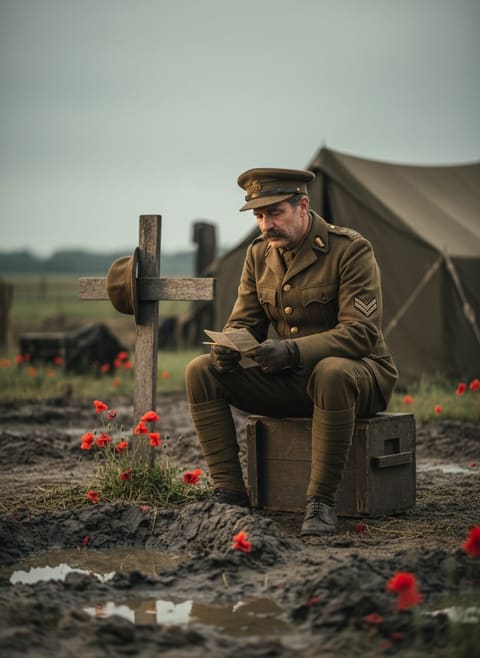
Read next: When the Poppy Fields of Flanders Came Home to Britain
The Post-Great War Era: Economics over Empire
Emerging from the Great War's ashes in 1918, Britain mourned, celebrated, and pondered its position on the world stage. The staggering human cost demanded a strategic reassessment. The Conservative party, like its Liberal predecessor, prioritized economic stability over military expansion. Under their stewardship, the military saw further reductions, as echoes of empire were drowned by the clamor for social reform and economic recovery.
This post-war period, often overshadowed by the pomp of victory parades and treaties, was marked by the tightening of purse strings. Leaders recognized that securing peace required more than mere martial strength. Yet, in focusing on national healing, they perhaps overlooked the creeping threats beyond the borders.
The interwar years saw a Britain fragmented by a mixture of disillusionment and optimism. As the 1930s wore on, the rise of fascism in Europe exposed the stark inadequacies of British military strength. Nazis rearmed, and communists consolidated, as Britain looked inward. While the Empire remained vast, its protective cloak had grown frayed and thin.
A Reckoning Deferred: The Gathering Storm
By 1939, the truth of Britain's military weakness was apparent to those with eyes to see. Hitler’s forces stood ready, well-equipped and numerous. Britain’s soldiers, brave but underprepared, faced the prospect of engagement without enough guns to arm every man. This was the legacy of decades spent trimming budgets rather than building battalions.
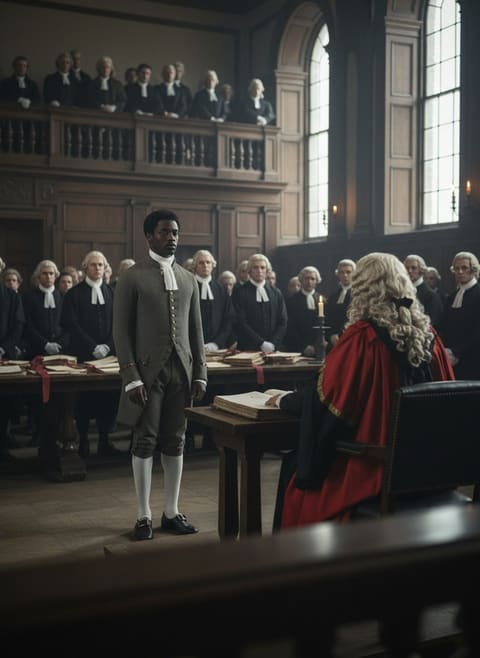
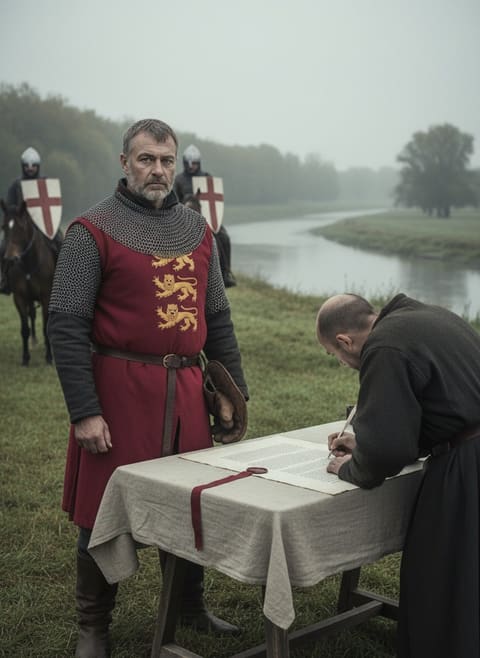
Read next: When English Law Gave the World Its First Courtroom, 1215
The quiet arms reduction that had spanned nearly seventy years revealed itself in stark relief as tensions mounted. Belgium, a nation with neither the vast imperial responsibilities nor the same strategic threats, had an army that overshadowed Britain’s modest forces. It was a chilling reality for a nation that relied heavily on standing as a bastion of power.
As war clouds gathered, Britain's two-party system found itself enmeshed in a past filled with complacency. The choices made by parliaments, striving for fiscal prudence and internal priority, caught up with the nation. Yet, it was not just rifles and regiments that the government lacked; there was a profound need for reflection on the decisions that permitted an empire to rely increasingly on a dwindling force.
Today, this whisper of history serves as a poignant reminder: Empires are not only forged by conquest but are also preserved by foresight. The situation was not due to ignorance but a convergence of calculated risks, often heedless of future-bound challenges. In an ironic twist, the very leaders who promised grandeur unwittingly set Britain on a precarious path into the turmoil of the Second World War.