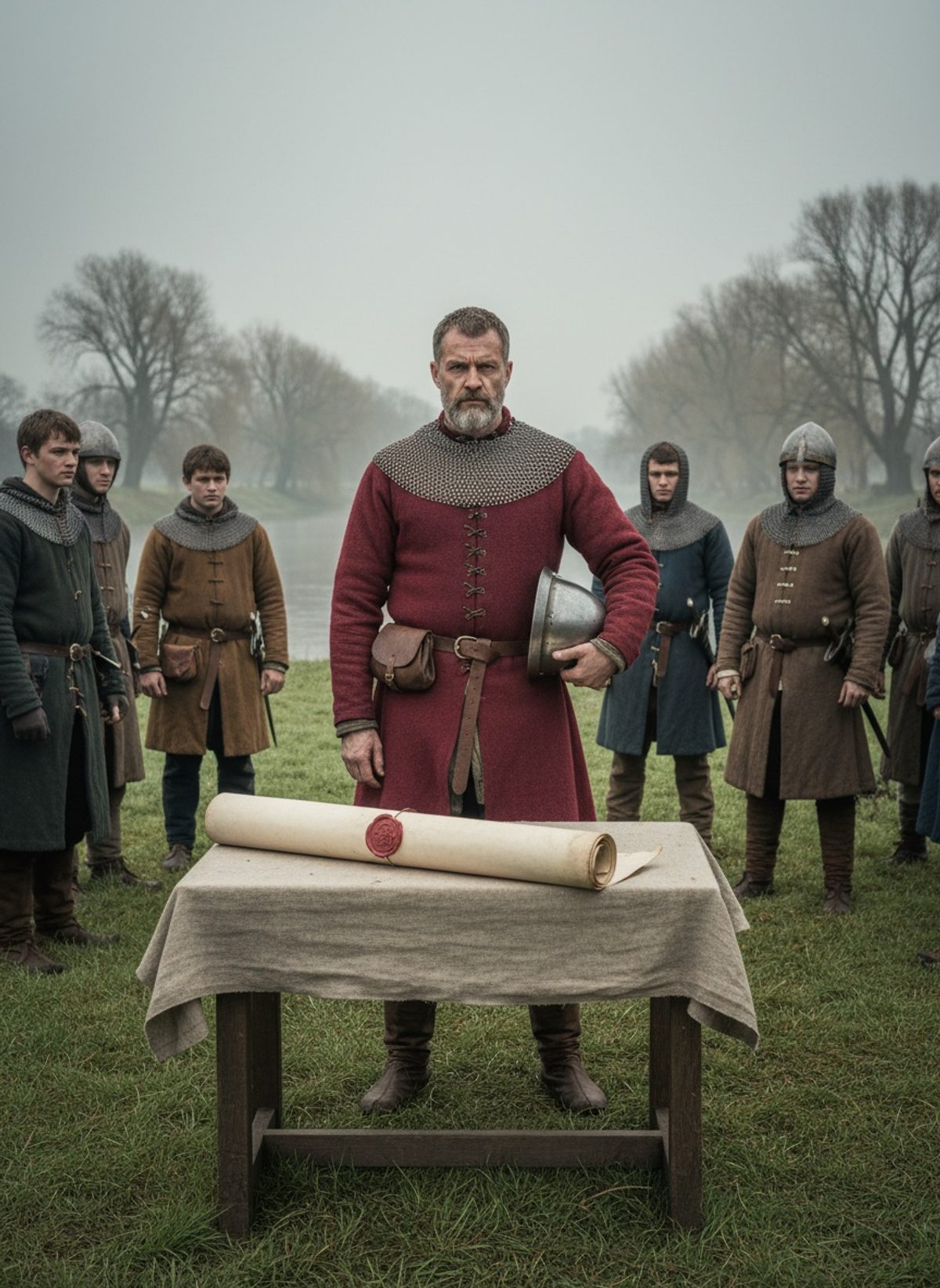
The air hung thick with the humidity of a looming storm, as clouds gathered ominously over the banks of the River Thames. The rustle of reeds and the distant murmur of water were the only sounds in the expansive meadow at Runnymede, save for the anxious whispers of onlookers. Here, in the year of our Lord 1215, a scene was unfolding that would tip the balance of power and redefine justice in a land striving beneath the weight of one man's iron-fisted reign.
The Meadow Where Change Was Rooted
Runnymede was a quiet place, far from the turmoil that roiled through medieval England's towns and cities. King John's realm was troubled, ensnared by conflicts both domestic and abroad. The meadow's tranquil facade belied its significance, for it was here that the cornerstone of a new legal revolution was laid. King John, often remembered for his tyrannical rule and losses in France, was reluctantly conceding to the demands of his barons, who had forced his hand to ensure the protection of their ancient rights.
One article of the infamous Magna Carta, sealed on that storm-laden day, would echo through the corridors of history with unparalleled influence: the right to be judged by one's peers. This charter was not the lofty parchment we imagine today, but a pragmatic attempt to prevent a civil war, yet its implications traveled far beyond the monarch's immediate capitulation.
The First Steps Toward Peer Judgment
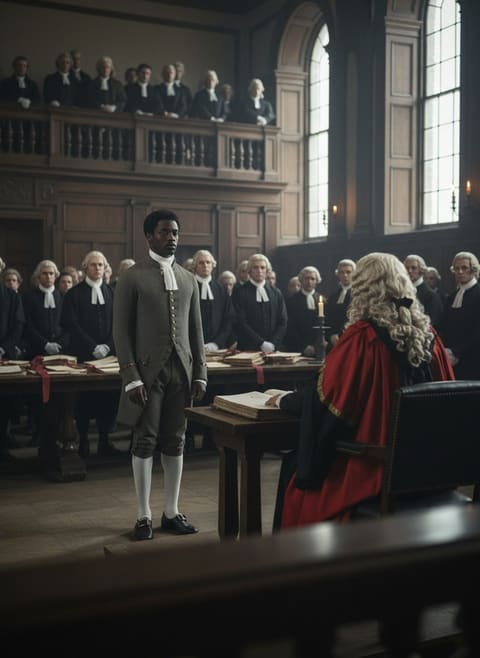
The notion that twelve ordinary men, rather than sovereigns or their appointed officials, could determine guilt or innocence was radical. It marked a departure from the tides of arbitrary rule, where justice was often a tool of the powerful. This principle of peer judgment was a spark of fairness in an age more familiar with the cudgel than with equity.
Read next: When English Law Crossed the Ocean and Never Came Back
In these moments at Runnymede, the groundwork was cemented for what would become a jury system—an institution unfamiliar to many parts of the medieval world. This shift proposed a voice for the common man, a notion that resonated profoundly beyond the dreams of those 13th-century nobles who sought assurance against the caprices of a fickle monarch. A jury of one's peers promised not just adjudication but representation, with twelve men drawn from a defendant's community, sharing in the responsibility of administering justice.
From Thames to the Seven Seas
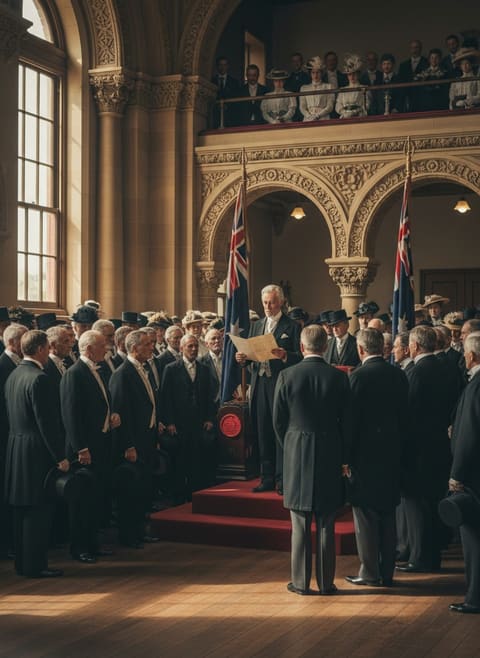
As England's navy embraced the world's oceans, this new concept of justice traveled farther than even the most daring mariners could envision. Wherever the English crown extended its reach, it carried within its vessel this transformative idea. Across continents, from the arid courts of Delhi to the bustling docks of Sydney, English colonies adopted and adapted the jury system.
The English Empire was vast, spreading its laws and customs to lands vastly different from its murky isles. Among these exports, the jury-by-peer principle proved its most enduring. In colonies and dominions, the transformation began. Even in places where English was not the native tongue, the language of justice began to include phrases like "trial by jury," seeding in far-flung realms the aspiration of impartiality.
The Unforeseen Revolution in Governance
While Magna Carta's origins may have been tied to noble discontent, its inceptions foreshadowed a broader revolution in governance. This development went beyond the legal confinements of courtrooms, influencing political structures, social hierarchies, and the very relationship between ruler and ruled. By the time England bore witness to the Enlightenment's dawn, the seeds planted at Runnymede had grown into a flourishing tree of democratic ideals.
Read next: When Britain Paid Two Centuries to End a World Sin
Instituting a jury system underpinned moves toward more participatory forms of governance, providing a template for collective judgment and accountability. It wasn't merely about deciding legal matters anymore; juries became symbolic of civic responsibility and equality, principles that would shape Western legal traditions profoundly and irreversibly.
A Legacy of Equity and Balance
The tale of that fateful day by the Thames is more than historic formality; it's a lesson in undying aspiration for equity and balance in human affairs. The notion of peer judgment, rooted in an age of knights and barons, evolved into a cornerstone of modern justice. As this principle was adopted, then absorbed into the judicial fabric of former colonies, it transcended its modest beginnings. It wasn't just the binding of an agreement, but the dawn of a new social contract—where fairness became a pledge not borrowed from the whims of a king but ensured by the common man himself.
Today, in courts from Delhi to Washington, the presence of a jury signifies something more than procedure: it is a testament to collective human dignity. The meadow at Runnymede still stands, a silent witness to the unfolding of this extraordinary journey. Through the passage of centuries, these twelve ordinary men's decision to lift the scales of justice and tip them toward fairness and community adjudication proves to be the empire's most enduring legacy, linking the world in a chain of equity and reason.