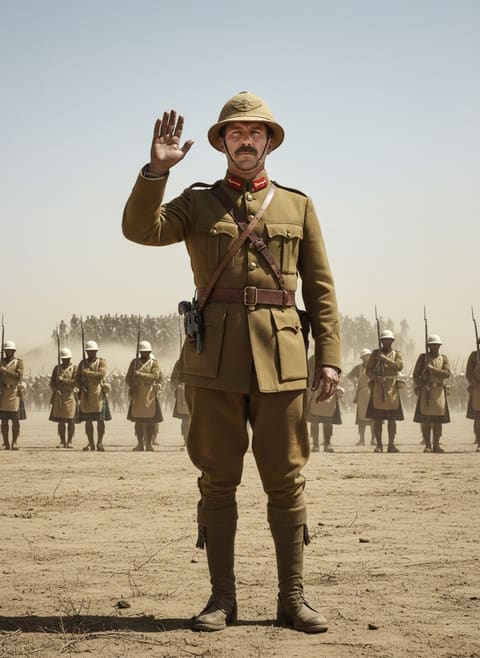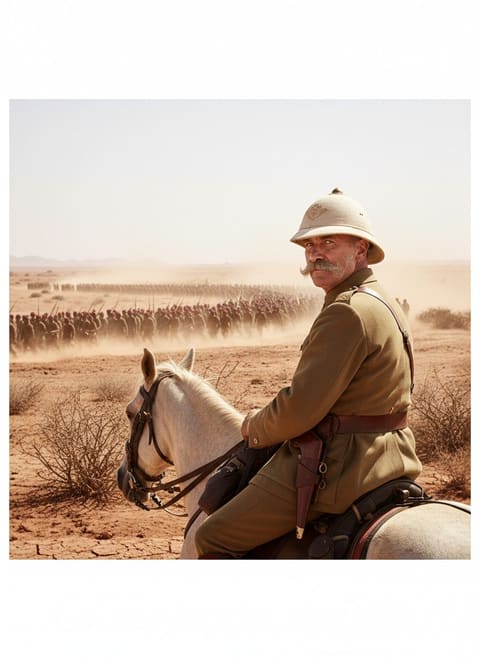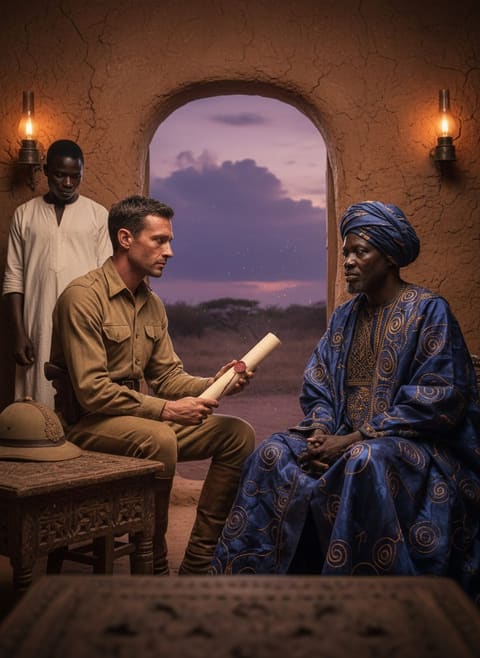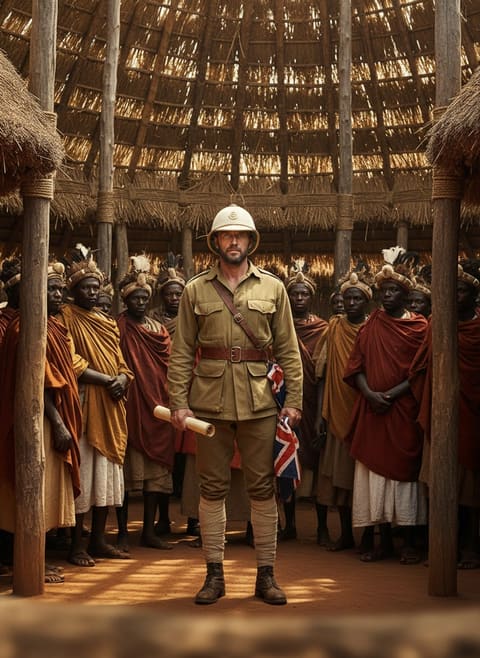
The dense, humid air of the West African jungle clung like a shroud on that fateful February morning in 1874. Sundogs shimmered in the heat, stretching their rays across the sprawling savannah as ephemeral mists of dew evaporated with the rising sun. The air buzzed with the murmurs of distant wildlife, an orchestra playing unseen among the thick canopy. This was the land of the Ashanti Empire, where a fierce and formidable capital, Kumasi, lay protected under a veil that, until now, had never been pierced by a European army. The stakes were monumental for General Garnet Wolseley and his men, as they stood on the precipice of writing a new chapter not just in British military history, but in the age-old story of African resistance against colonial ambition.
The Unyielding Ashanti: Legacy of Resistance
The Ashanti Empire, with its capital at Kumasi, had been a symbol of defiance against encroaching empires. Situated inland away from the colonial trading forts along the coast, it had withstood numerous attempts by the British to subdue it. This kingdom, founded on warrior culture and rich in resources such as gold, had broken every column previously sent against it. Its soldiers, renowned for their ferocity and expert knowledge of jungle warfare, were a force that even the most seasoned European generals found daunting.
Reports from early encounters told of Ashanti regiments charging fearlessly into battle, their uniforms adorned with scarlet waistcoats, brandishing weapons scavenged from previous skirmishes or traded for gold with the very foreigners they resisted. Such stories only magnified Kumasi's legendary status—a city that no European had ever taken by force—and underscored the challenges that lay ahead for Wolseley.
The Calculated March: Strategy and Stealth
When the tides of diplomacy and previous military actions failed to bring the Ashanti to heel, British Parliament authorized a new expedition. Enter General Garnet Wolseley, a strategist credited with British victories in Canada and West Africa. Wolseley meticulously prepared his men, valuing precision and adaptability in the face of the jungle's unpredictability. His army was a carefully calculated force—equipped with the latest breach-loading rifles, Gatling guns, and field artillery—capable of delivering swift and decisive action.
Read next: When Hector Macdonald Broke the Khalifa's Line at Omdurman
The journey through the jungle was treacherous. Tropic rains swelled the Pra River, but under Wolseley's command, engineering corps constructed makeshift bridges, pushing his column into Ashanti territory with an efficiency outstripping previous missions. Onlookers marveled at Wolseley's logistics: the provisioning of canned foods, the adoption of quinine to stave off malaria, and the strict discipline maintained throughout the ranks. Each step was a march against the very earth that seemed to conspire with the Asante to guard their capital.
The Untouchable City: Arrival in Kumasi
After weeks of relentless progress, Wolseley's forces reached the outskirts of Kumasi. The city arose from the jungle as a sprawling tapestry of densely packed buildings, with the Ashanti royal palace representing its spiritual and administrative heart. Inside its walls lay treasures—and a legacy—that had chilled the courage of many an invader.
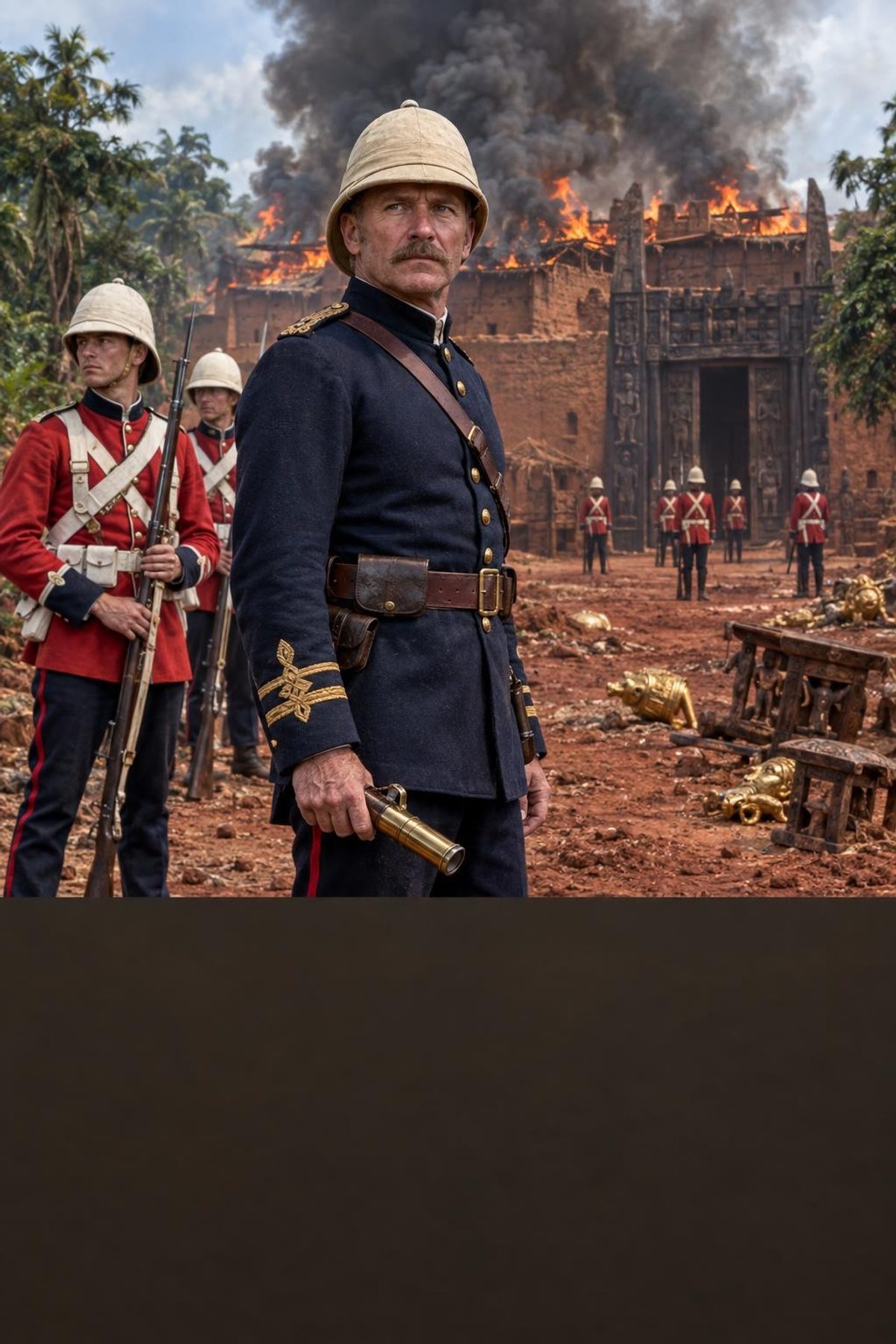
Upon entering the evacuated city, Wolseley's men were granted four hours. It was an ordered frenzy bolstered by fears of Ashanti reinforcements potentially regrouping. Soldiers moved with troubling efficiency, stripping the palace of its famed gold, intricate carvings, and regalia that testified to the Ashanti's prowess and aesthetics. For minutes that felt like seconds, Wolseley stood as a conqueror, absorbing both the triumph and the impermanence of his achievement in this once untouchable stronghold.
Inferno and Aftermath: A City Consumed by Flames
When the hourglass ran dry, the command came: to eradicate what could not be taken, and especially, to quench any hopes of resurgence against British might. Flames licked hungrily at the structures of Kumasi, birthing a towering inferno that turned the sky crimson and cast shadows of history against the ground. As the buildings burned, smoke rose like a specter, a mourning wail for a legacy now singed and scattered by the winds of imperialism.
Read next: When Lugard's Interpreter Walked Into the Kabaka's Court
While Wolseley's campaign achieved its strategic objectives, it prompted questions and criticism. The burning of Kumasi—indiscriminate destruction in pursuit of dominance—was a stark reminder of the brutal nature of colonial expeditions. Inside those ashes lay not only the ruins of a city but also the cultural heritage smothered under foreign title.
The Price of Power: Reflections on Imperial Ambition
The fall of Kumasi in February 1874 encapsulates the forces propelling the 'Scramble for Africa'—an era marked by ambition, conquest, and inevitable cultural collision. General Wolseley's feat was revolutionary; it symbolized the iron fist of an expanding empire but also the inevitable loss and coercive methods that fueled its engines. While Kumasi was rebuilt and the Ashanti people persevered, their defeat raised ethical quagmires that resonate into contemporary discussions about imperialism's legacies.
Kumasi's incineration under British command remains a resonant reminder of the cultural sacrifice made under imperial pursuits—the golden seams of an empire replaced by blackened memories. As history unfolds and fairness seeks its balance, the stories of places like Kumasi underscore the narratives left untold, urging us to reexamine the legends absent from textbook pages and reconsider whose stories we choose to enshrine.