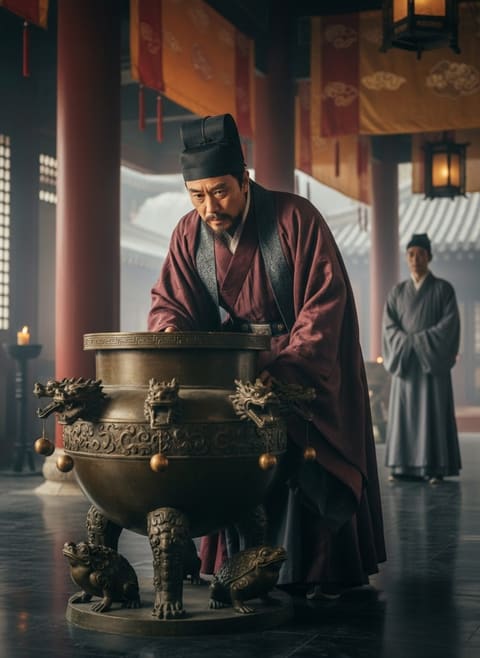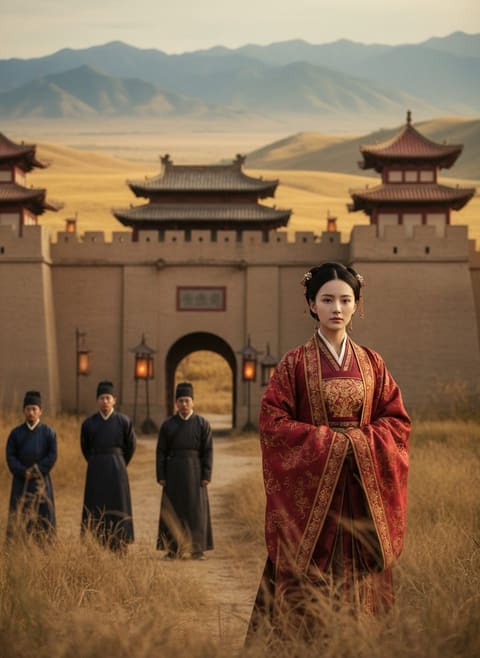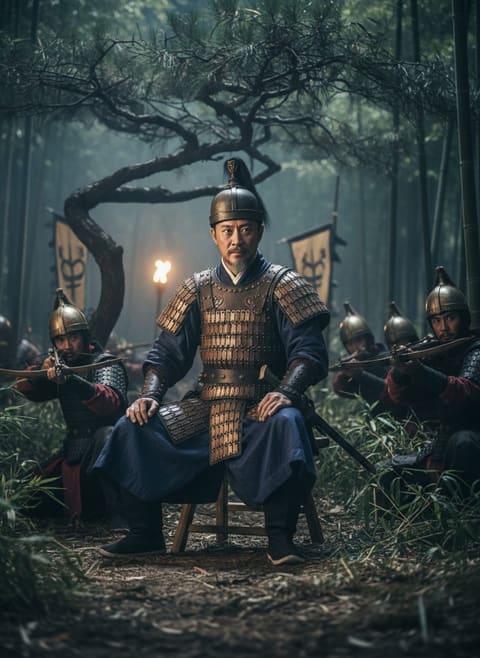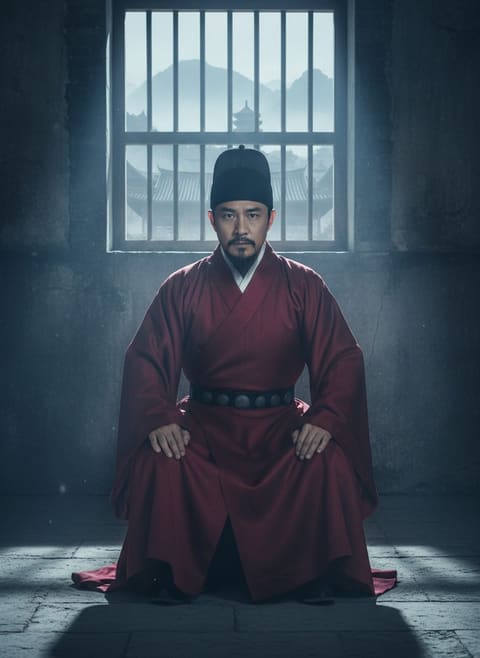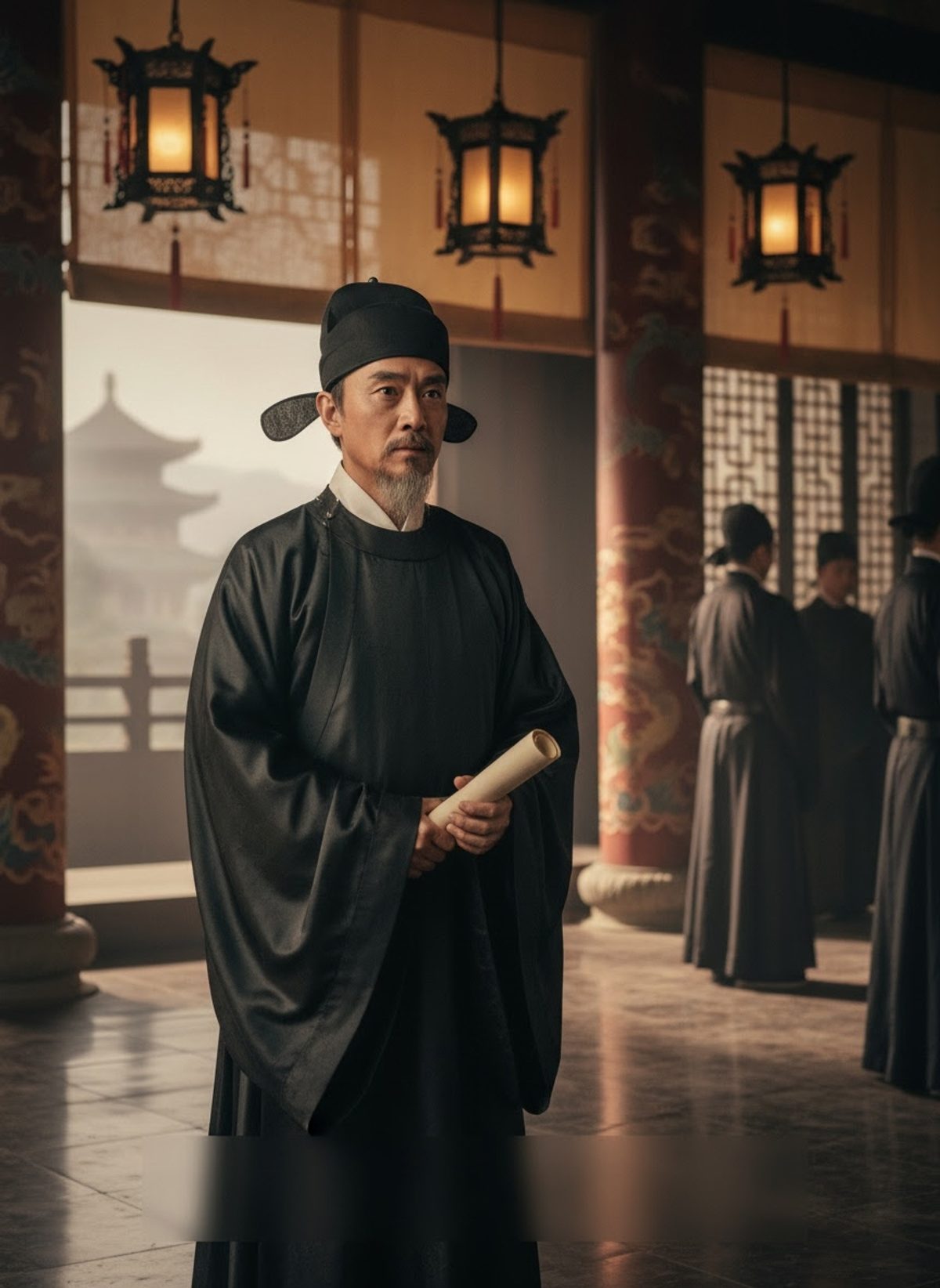
The air in Kaifeng is thick with spring's dampness in 1043, the streets humming with life as residents go about their daily routines. From the emperor's grand palace, gold and vermillion glimmer under the early morning sun, echoing tales of power and glory. But beneath this surface, a struggle for the soul of the empire unfolds. Here, Fan Zhongyan, his heart pounding like a war drum, was ready to lay the fate of reforms at the feet of Emperor Renzong.
Planting Seeds of Meritocracy
Fan Zhongyan stood before Emperor Renzong with a bold ten-point plan, an audacious proposal for a future where education and integrity would triumph over power and privilege. His dream: schools in every prefecture offering free education, a radical idea in an age where lineage often decided one's fate. Fan saw education as the great equalizer, capable of forming skilled, ethical officials who placed public service above greed.
Fan's innovative plan struck at the core of an aristocracy entrenched in nepotism. His reforms called for the dismissal of corrupt officials, a house cleaning bound to create waves in a court notorious for protecting its own interests. The risk wasn’t lost on Fan.
A student of Confucian ideals, he understood that intellectual and moral cultivation could lead to societal flourishing. "Be the first to worry about the worries of the people and the last to enjoy their pleasures," he believed, a mantra guiding his every move.
Read next: Xie Daoyun Composed a Poem Mid-Blizzard and Silenced Her Uncle
The Court Pushes Back
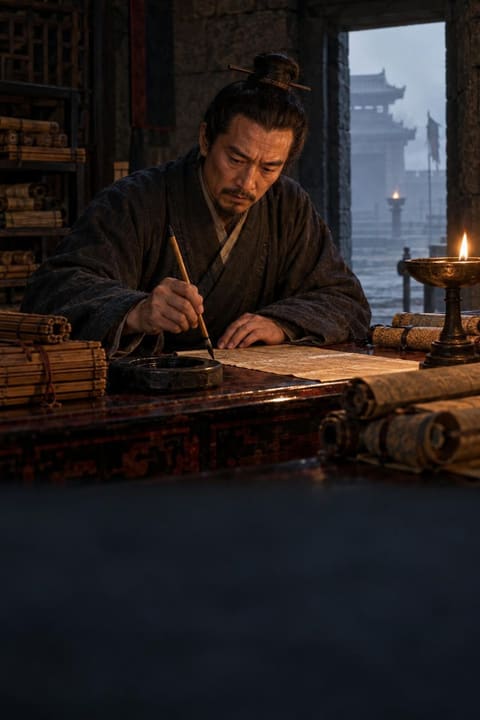
Fan's proposals were seen as an existential threat by the powerful families that dominated the court. How dare he, a man of humble beginnings, challenge centuries-old institutions? Yet Fan was no ordinary official. Raised under the influence of Confucian, Taoist, and Buddhist thought, he was a scholar of profound insight. His years at Yingtianfu Academy, where he denied himself comforts for the sake of learning, had prepared him for this moment.
The court's response was swift and unforgiving. Fan’s enemies coalesced quickly, their whispers morphing into cries for his removal. These courtly machinations, like the shifting winds, sought to scatter Fan's reforms like dried leaves. Despite knowing the peril, he pressed on, committed to the greater good. Each day he appeared in court was a gamble with his career and personal security.
Exile and Resilience
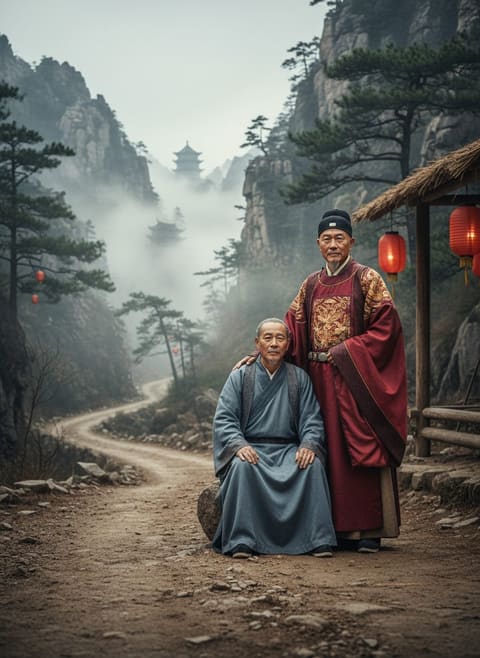
Inevitably, the storm he had awakened sent Fan into exile. Stripped of position and honor, he found himself far from the heart of the empire. But physical distance did little to dim his spirit or his resolve. Even from afar, Fan maintained correspondence with his followers, his ideas circulating like seeds caught in a current, ready to take root in the fertile minds of those who admired him.
The schools Fan advocated for stayed open, a testament to the resilience of his vision. Though he was physically absent, his presence lingered in every classroom where young men learned more than the rote recitation of ancient texts. These students, aware of Fan's struggle, absorbed lessons in integrity as well as literacy, preparing to one day take up the mantle of reformers themselves.
Read next: Su Shi Wrote His Greatest Poems From Exile in a Broken-Down Hut
Legacy of a Reformer
Fan Zhongyan's time for direct influence was brief, yet his imprint on Chinese society endured long after his exile. The schools he championed formed the basis for a merit-based civil service, providing a model for equitable governance. His emphasis on the importance of moral fortitude over familial ties inspired future leaders like Wang Anshi, who pushed Fan's philosophies forward.
What we remember of Fan today is not just his policies, but the spirit with which he pursued them. His story is not merely of one man's struggle against an indifferent court but of the timeless power of ideas to ignite change. By refusing to conflate office with power, Fan built a legacy that reminded the world of the values that hold empires together: honesty, education, and unwavering dedication to the common good.
In the modern era, as nations continue to grapple with inequality and corruption, Fan's ideals resonate stronger than ever. By prioritizing education and moral integrity, Fan Zhongyan illuminated paths out of darkness and into a world where leaders are first to worry and last to enjoy the fruits of their labor. His story is not a relic of the past but a beacon for the future generations striving to reform the world according to principles of fairness and duty.