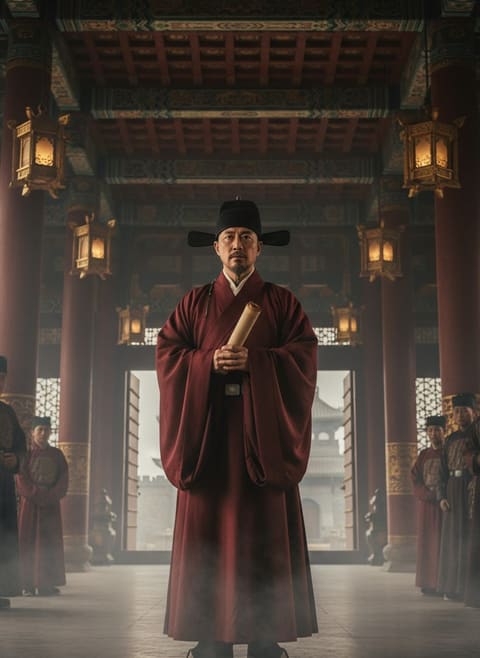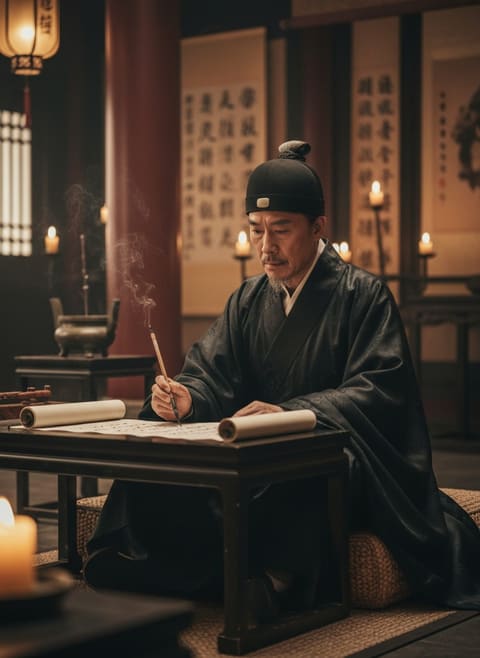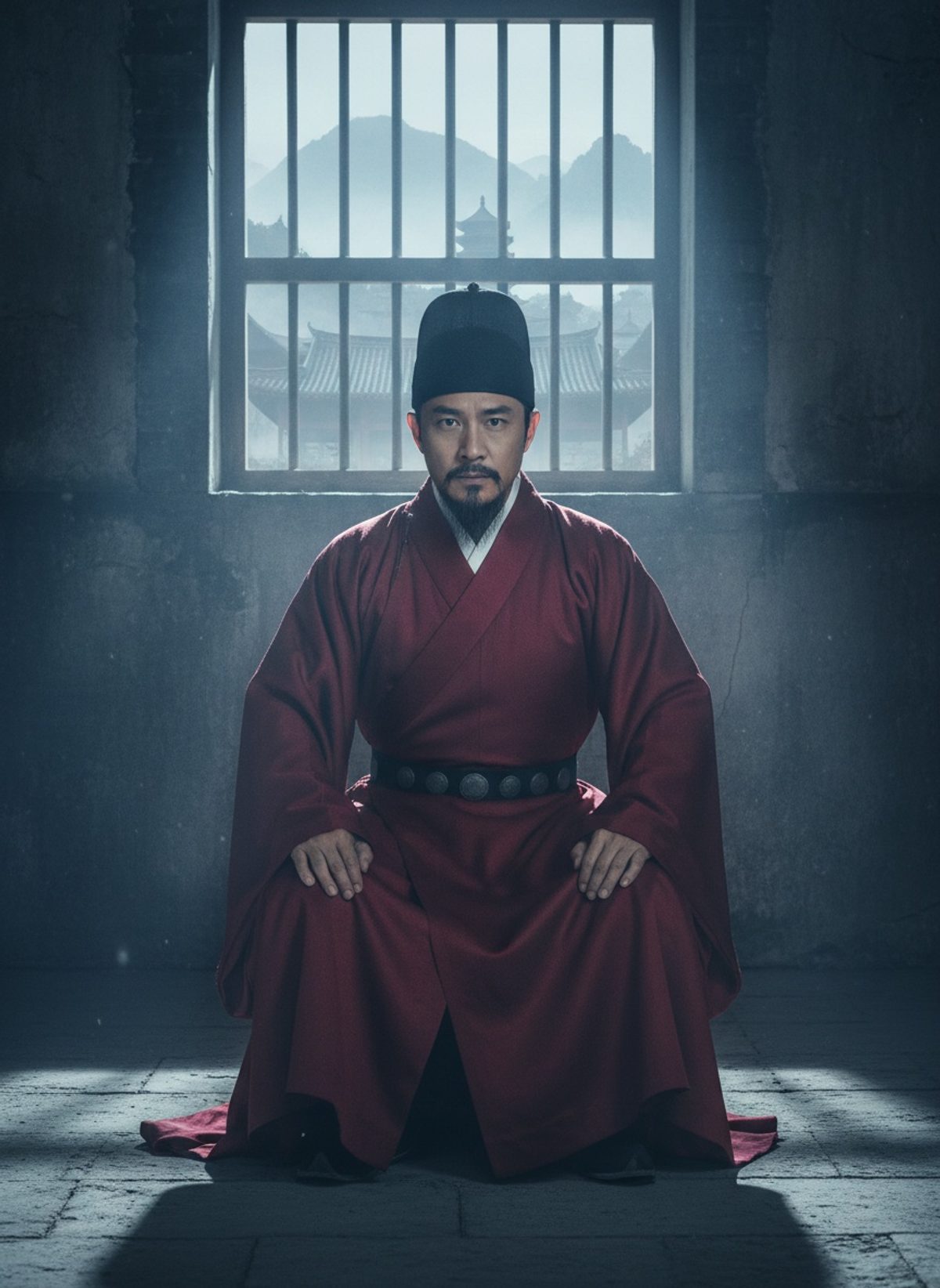
The gray walls of the Mongol prison pressed closely around him. Outside, snow drifted gently from a slate sky, each flake a small whisper of impending fate. Inside, the silence was thick and cloying, broken only by the muffled clink of chains and the distant trudging feet of guards.
For three long years, Wen Tianxiang had been captive here, his body constrained but his spirit unbroken. It was 1279, and the Song Dynasty had fallen. In this layered silence, a momentous decision loomed.
The Iron Will of a Poet-Warrior
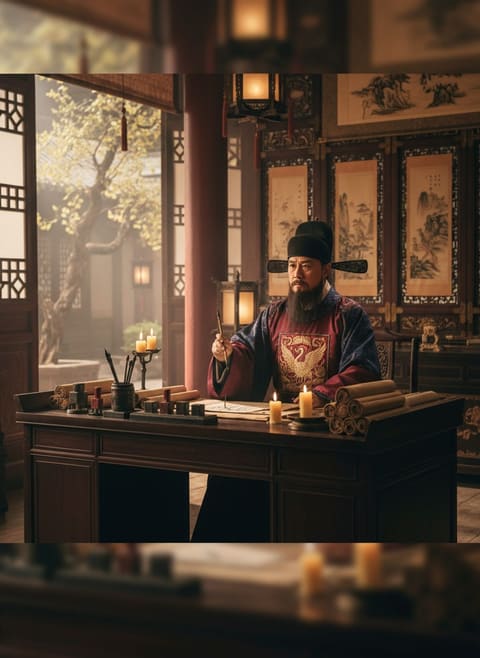
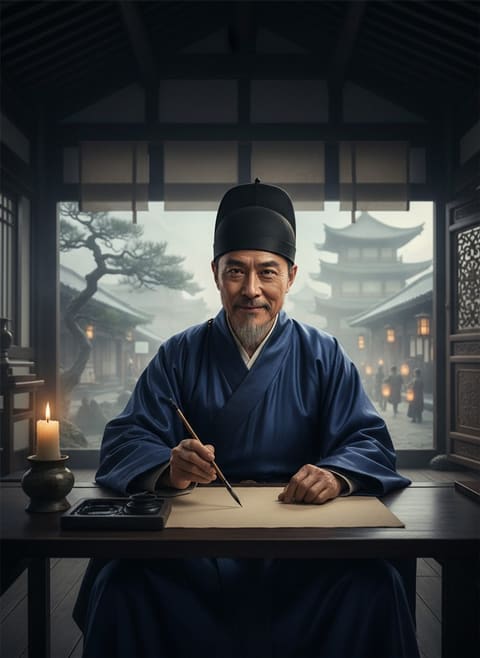
Born on 6 June 1236 in Luling, Jiangxi Province, Wen Tianxiang was a man of scholarly pursuit and military resolve. From an early age, he distinguished himself in the Confucian classics, securing the highest honors at the imperial examinations in his youth.
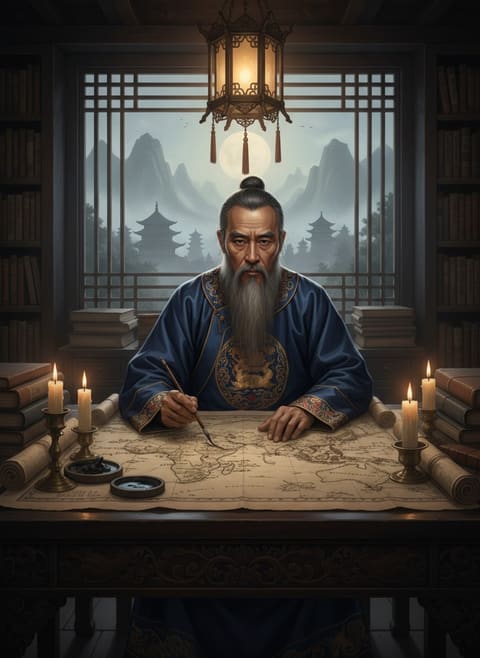
He swiftly ascended through the ranks of the Southern Song bureaucracy, facing the corrupt machinations of power brokers like Jia Sidao. But as the Mongol threat grew, Wen’s path diverged from mere administration. He transformed into a staunch advocate for resistance, a dissenter against accommodating the invaders pressing at China's borders.
Read next: Guo Shoujing Built China's Most Accurate Calendar in 1280
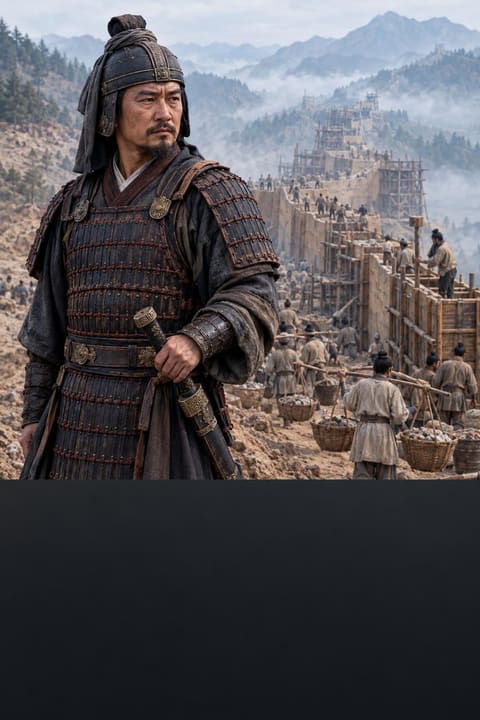
The Yuan Mongols, led by the formidable Kublai Khan, had set their eyes on the rich lands of the Southern Song. Wen, undeterred, mustered troops from local populations and endeavored to repel the advancing forces. Betrayal and cowardice riddled the court as optimism faltered. Yet Wen Tianxiang's defiance stood firm, rising in passionate oratory even when tasked to sue for peace—a task he boldly reinterpreted as he demanded the Mongols retreat.
A Choice Against The Odds
With the futility of these undertakings evident, the end soon loomed as Kublai Khan’s forces surged forth like unstoppable tides. By 1276, the Song Dynasty was on its knees, its leaders fragmented in their responses.
Wen was caught in the wave of devastation that followed the Mongol advances, captured as Song dominions collapsed into submission. Offered the role of Chancellor of the Right, his first act was to demand the enemy withdraw. Instead, his intransigence sealed his fate as a prisoner.
In captivity, he was subjected to the pressures and tortures meant to exact submission. Yet Wen, in the depths of his cell and the labyrinth of impending mortality, found clarity. When Kublai Khan—now the emperor of the established Yuan dynasty—extended an olive branch draped in temptation, it was an opportunity unprecedented: freedom, a ministry, wealth, and power. It required only a compromise, a yield to the new order.
But Wen was more than a man of his time. In his heart, loyalty to the lost Song was interwoven with the sinews of integrity. He remained unshaken, preferring the integrity of death over the comforts of acquiescence.
Read next: Fang Xiaoru Refused the Usurper's Decree — and Paid With His Clan
Scenes From the End
The air in Wen’s cell bore the heavy chill of a dynasty’s demise, yet it carried a hint of the coming dawn—a subtle reminder that every end nurtures a beginning. On 9 January 1283, Wen’s resolve crystallized one final time as he faced north, the direction of his fallen home. There was an unspoken dialogue with the past. Enshrined in ritualistic solemnity, he knelt, poised in a gesture of unwavering fidelity to the vanished emperors he had served.
It is the image of this moment that echoes through history, a portrait of courage etched in stark relief against a tableau of surrender. To him, capitulation was not an option. By choosing death, Wen Tianxiang transcended his immediate fate, casting off the shadows of a life where principles are supplanted by expediency.
Wen’s legacy burgeoned beyond the grave. His refusal to yield remains a potent symbol of patriotism and incorruptibility. The crux of his narrative persists in cultural memory, a beacon guiding those who resist tyranny and hold fast to ideals amidst daunting odds.
Long after his passing, this legacy ignited inspiration in others facing trials of destiny, like the group of young men in 1908 swearing allegiance to national revolution in his historical shrine. Wen Tianxiang’s actions endure as a reminder that sometimes the greatest battles occur not on fields of war but within the depths of soul, where true victories resonate for generations.