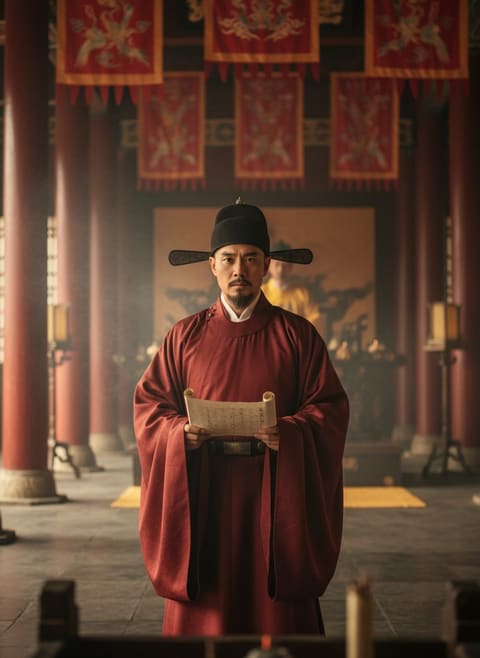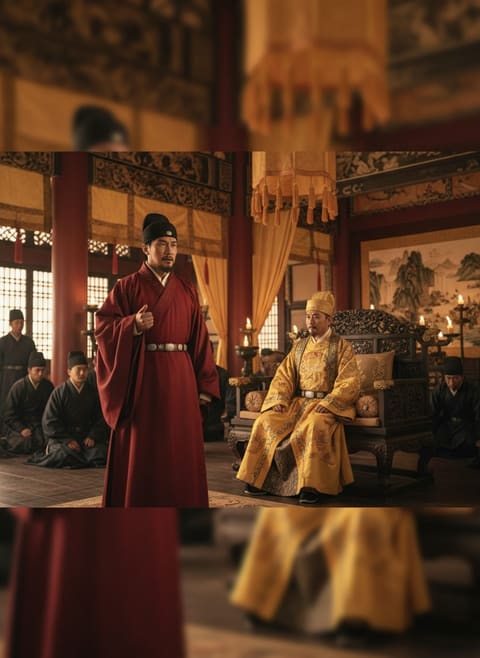
The heat of mid-July bore down on the heart of Ming China in 1402, casting the imperial city of Nanjing in a golden haze. Sunlight glinted off tiled rooftops, a sharp contrast to the tension that hung palpably in the air beneath imperial eaves, where power had shifted swiftly and violently. Against this backdrop, the ambitious Prince of Yan, Zhu Di, had claimed the throne through blood and betrayal, assuming the title of Yongle Emperor. Yet, for all his military prowess, a shadow of doubt lingered over his ascension. One man, Fang Xiaoru, held the pen that could legitimize the new regime, but he was intent on defying the usurper.
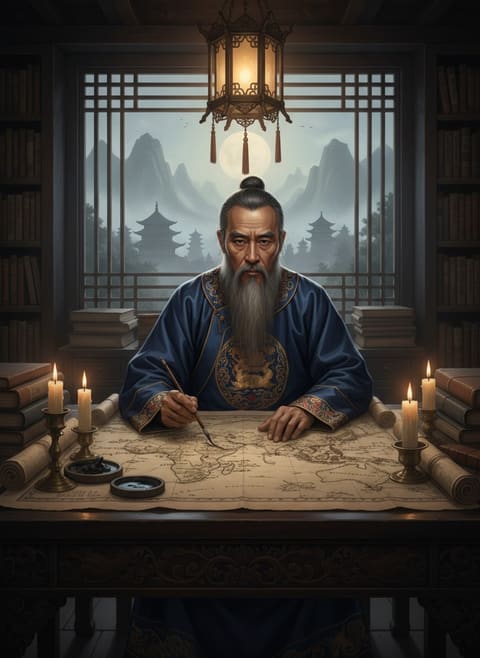
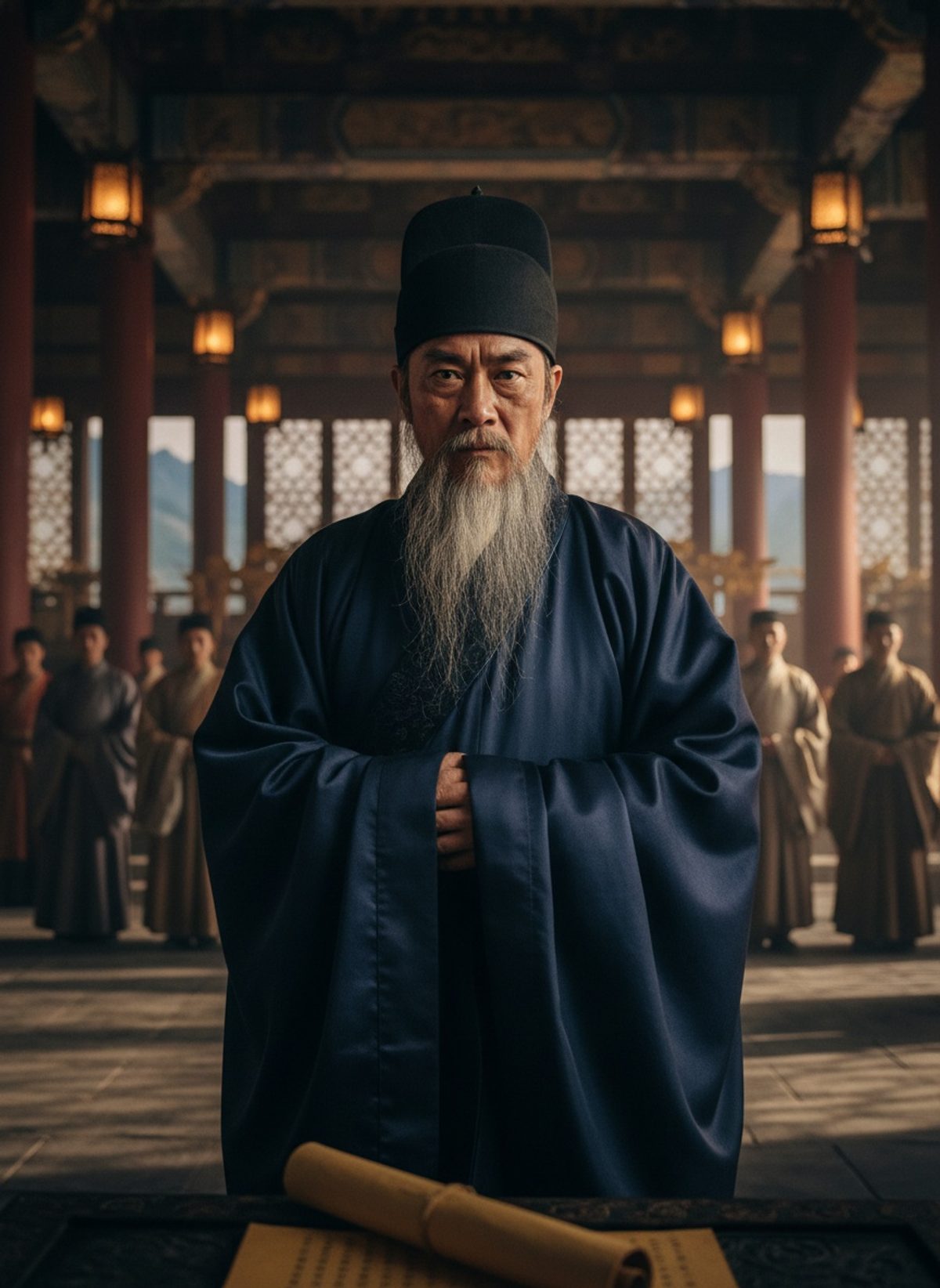
Fang Xiaoru was not just any scholar; he was an esteemed Confucian official, known for his uncompromising loyalty to his former sovereign, the Jianwen Emperor, Zhu Yunwen. He had served as one of Zhu Yunwen's most trusted advisors, deeply embedded in the scholarly traditions of Zhu Xi's Jinhua school. Fang was more than a bureaucrat — he was the living embodiment of Confucian virtues, where loyalty to one's sovereign stood unchallenged. His refusal to lend his talents to the Yongle Emperor was no simple act of defiance but a profound statement of principle.
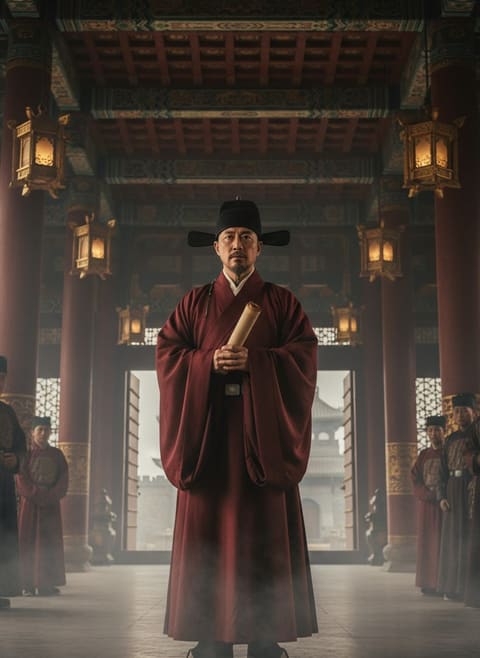
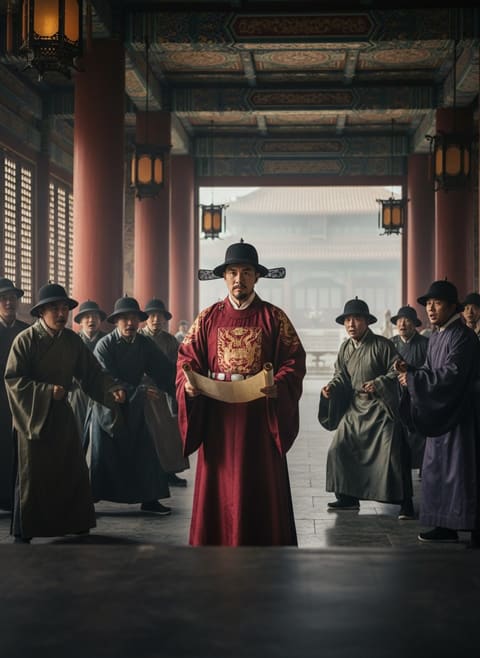
The scene within the palatial halls where Fang was summoned must have been chilling. Zhu Di, now sitting upon the throne he seized, demanded that Fang draft an address that would liken his usurpation to the revered regency of the Duke of Zhou, a patriarch in ancient Chinese lore known for his wise stewardship during the reign of a young king. Zhu Di wished to cast his bloody takeover in a noble guise, but Fang's intellectual integrity would not yield. "Then where is King Cheng?" Fang provocatively asked, referring to the ruler under the Duke's guidance. The emperor responded briskly, "He was killed by his own fire." Yet Fang's probing persisted, leading to a relentless exchange that ended with Fang’s firm rejection of the coup's legitimacy.
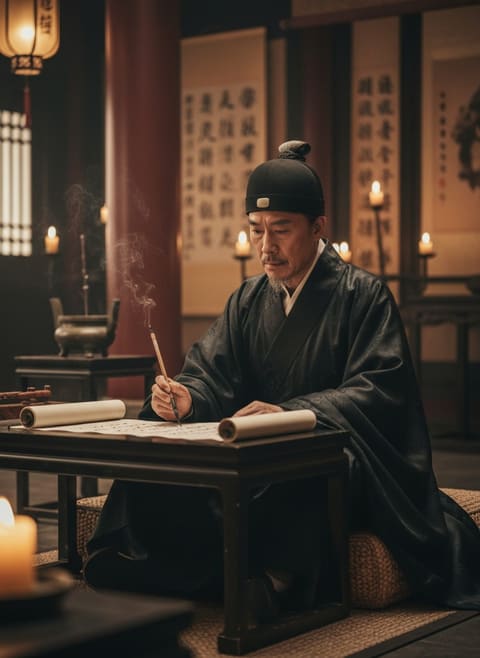
What happens next has become part of historical legend. Refusing to bend under duress, Fang reportedly tossed his pen aside, embodying defiance. The Yongle Emperor, unable to tolerate such a public disgrace, sentenced Fang to an execution most brutal. Early accounts suggest that Fang faced lingchi, a "death by a thousand cuts," a grisly procedure meant to reflect the agony of treason. But even in the face of death, Fang's resistance remained undiminished.
Read next: Meng Jiao Failed the Exam Twice. He Wrote the Poem That Lived
Fang's defiance set off a cascade of repercussions that would see the execution of hundreds. The threat of extermination usually extended to nine kinships — an ancient punitive measure — was escalated to ten at Fang's own sardonic suggestion. "I would be fine with ten!" he reportedly challenged, leading to an unprecedented act of imperial vengeance. Here, the lines between history and myth blur, but it is said that alongside his family — a grim tally reaching 873 people, including students and associates — was wiped out as the "10th kinship." It was a wholesale slaughter underscoring the brutal price of resistance against an unyielding autocrat.
The non-conformity of one man and the corresponding wrath of an emperor sent ripples through the corridors of power, as scholars throughout China bore witness to this extraordinary loyalty. While the Yongle Emperor sought to consolidate his reign through fear, Fang Xiaoru’s martyrdom only amplified his legacy. He became a symbol of unwavering righteousness in literature, occupying spaces in the annals of Chinese history as both a Confucian hero and spiritual figure. Moreover, in the southern Fujian region, he was venerated alongside other figures such as Tie Xuan, taking on a role as a deity in the Wang Ye worship — a testament to his enduring moral influence.
Read next: Meng Tian Built the Great Wall With 300,000 Men in Ten Years
Centuries later, Fang Xiaoru's stand remains a stirring testament to the power of conviction. It’s a narrative that transcends time, where the pen is pitted against the sword, and fidelity clashes with tyranny. Such stories resonate profoundly, reminding us that integrity, even in its extremity, can leave a formidable imprint on history. Fang Xiaoru's defiance under Zhu Di’s regime didn’t merely defy an emperor; it lauded the virtuous possibility of saying no in the face of overwhelming power.
Today, as we read the layers of history that unfold within Fang Xiaoru’s resolve, we’re reminded of the profound human capacity to uphold one's principles. While many battles and wars carve new empires, it’s these singular acts of bravery, written in defiance and tinged with personal sacrifice, that challenge power and shape the moral compass of future generations. In his death, Fang Xiaoru offered more than a refusal; he imparted an enduring question on the true essence of loyalty.