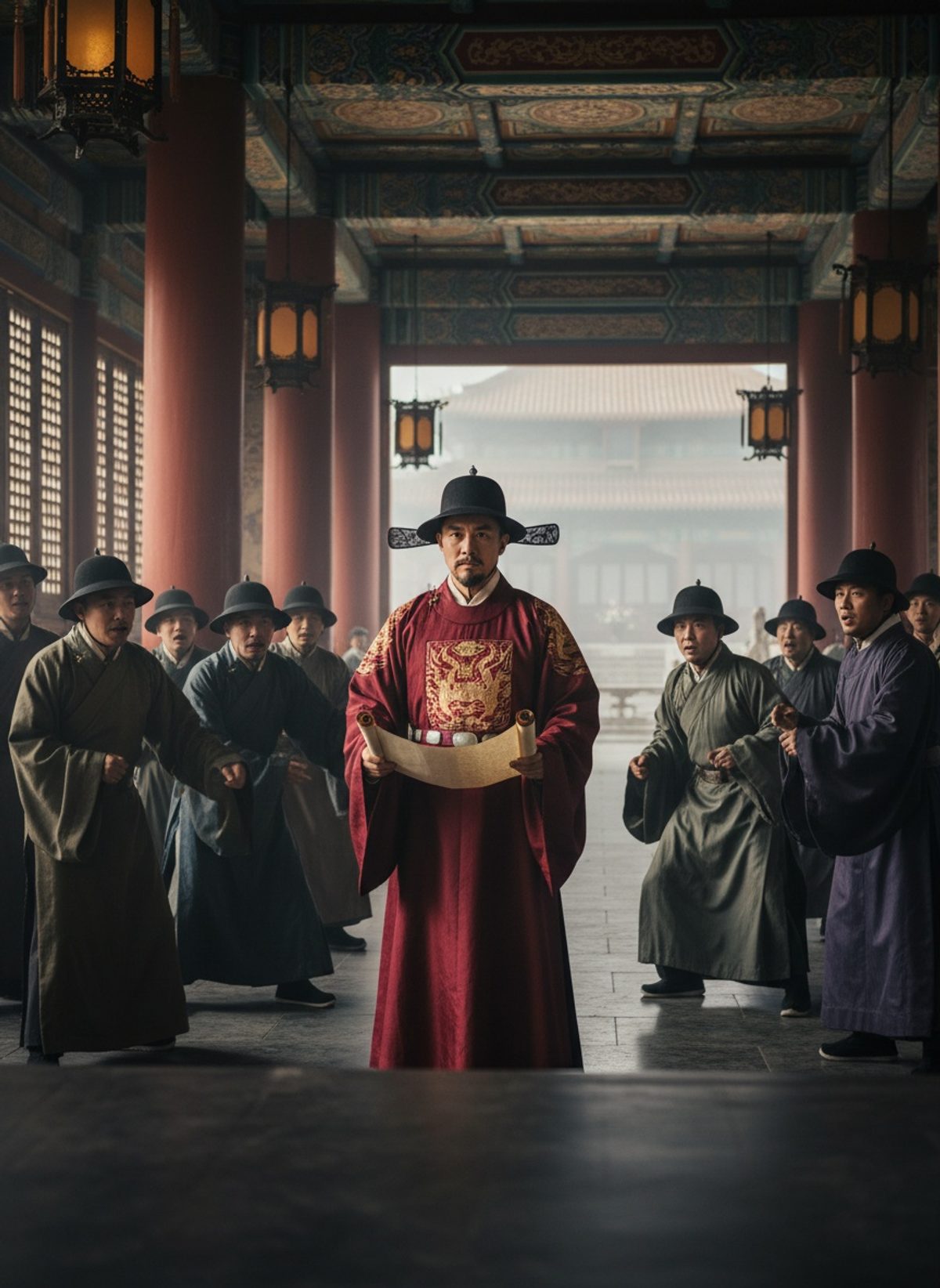
September 1, 1449. The air was thick with the acrid smoke of desperation rising over Beijing.
A City on the Brink
The Ming Dynasty's seat of power trembled. Word spread like wildfire: Emperor Yingzong had been captured by the Oirat Mongols at the catastrophic Battle of Tumu, a battle that had plunged the mighty empire into chaos. The heart of China was vulnerable; factions within the imperial court were paralyzed by indecision and fear. Some called for flight, while others, drunk on panic, pushed for war without strategic foresight.
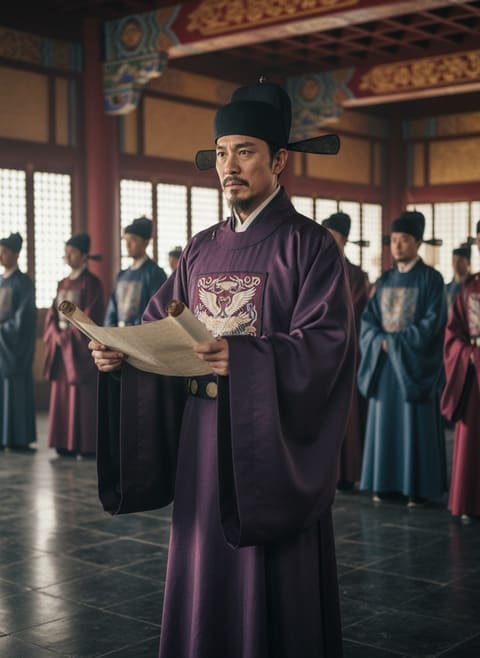
Amidst this cauldron of political disarray stood Yu Qian, the Vice Minister of War, a man of unyielding resolve. With the emperor held prisoner, Beijing faced the very real threat of annihilation. Thousands within the city, from ministers to common folk, teetered on the edge of a brutal fate; a single misstep could seal their destiny.
Yu Qian held a list, an incontrovertible decree of death for those deemed traitorous or suspect. This grim documentation was more than just an inventory of lives; it was a testament to the turmoil that threatened to unravel the Ming fabric. Yet, rather than succumb to vengeance or fear, Yu Qian set the list aside, his focus turning sharply to the survival of the city he vowed to protect.
Read next: He Held the Emperor's Verdict. He Tore It Up Himself.
Accounts from the time illustrate Yu Qian as a man who understood the weight of responsibility. He urged the court to forgo their squabbles and consolidate their efforts on a single goal: defending Beijing. His plan was simple yet bold—prepare to defend their home with every resource at hand, desperately fortifying the city's defenses to stave off annihilation.
As the days bled into nights, with Beijing seemingly marking time until its demise, Yu Qian's stoic leadership galvanized a weary populace and a frightened military. He rallied the soldiers not with fiery rhetoric but with the unswerving assurance of duty. To abandon the city, he argued, was to admit defeat before a single arrow flew. Instead, their stand would be one of resistance, a bulwark against chaos.
The Stone Walls Stand Firm
Yu Qian's steadfast approach caught the Mongols by surprise. The city's hastily erected battlements loomed, solidifying Beijing's facade of impenetrability. When the Mongol forces, led by Esen Taiji, approached Beijing expecting an easy conquest, they were met not with feeble surrenders but with a resolute city ready to defend every stone.
His methods were methodical. Yu Qian ensured the city was stocked with provisions to outlast a siege, and he distributed weaponry with precision, fostering an atmosphere of collective defense rather than disparate fear. Despite the absence of their emperor and the uncertainty shadowing their future, the defenders of Beijing steeled themselves under his command.
Yu Qian’s leadership was pivotal—a minister not merely commanding from the sanctity of fortified walls, but present and participative. It was his presence that imbued the garrisons with courage and the populace with hope. As the Mongol siege commenced, Yu Qian's forethought revealed its brilliance. The Mongols were ill-equipped for a protracted campaign, unprepared for a city that fought back with a fervor borne of survival.
The fields outside Beijing bore silent witness to this unexpected stalemate. When the Mongols realized the city would not fall easily, their resolve wavered. Their supplies dwindling and winter encroaching, they rescinded—a retreat orchestrated not by imperial decree from an absent emperor, but by the indefatigable spirit of a man who refused to forfeit life's final defense.
Read next: He Held the Sword. He Knelt for the Prisoner Instead.
The Price of Loyalty
With the Mongol retreat, Beijing's immediate danger waned. Yet, for Yu Qian, the shadows lingered—ever present, ever threatening. He had preserved not just a city but symbolically, the dynasty’s heart—though it came at a grave cost. For his decisive action, Yu Qian was lauded initially, elevated in ranks, and regarded as a savior of the Ming Dynasty by the newly instated Jingtai Emperor.
Yet history often discounts loyalty when power is at play. When Emperor Yingzong returned to power in 1457, his vengeance unyielding and his authority uncompromising, Yu Qian faced an unjust retribution. Accused of treason in the shifting sands of courtly reprisals, the man who had defended Beijing with unmatched fervor found himself condemned. The executioner's decree echoed the betrayal of an ordinance disavowed—the list of lives once forgone for the city’s salvation.
Yu Qian met his fate with the dignity that had marked his life, his legacy a story etched into the Ming’s epochal narrative. His life’s abrupt erasure serves a stark reminder of the precarious balance between duty and power, between the ephemeral nature of political grace and the enduring weight of principled action.
Why does Yu Qian’s tale resonate, centuries hence? It speaks to the unyielding strength of a singular individual who, faced with the collapse of an empire, chose action over despair and integrity over fleeting safety. In a world shaped by ambition and sacrifice, he reminds us of the enduring power of convictions, even in the face of insuperable odds. His actions saved more than just a city—they preserved a legacy, albeit briefly. And in the annals of history, such courage never fades.