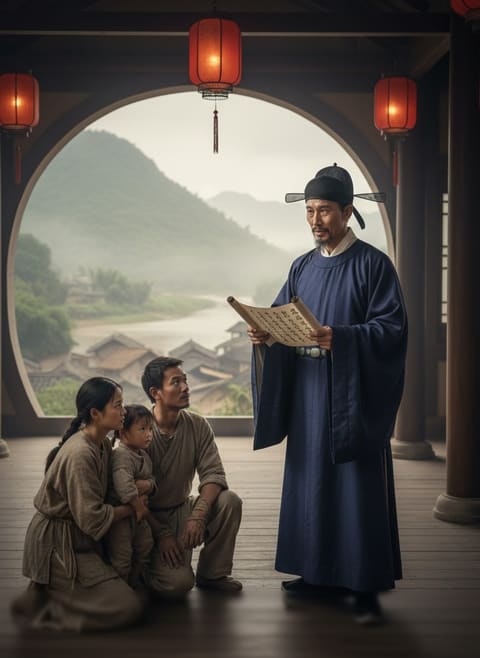
The air shimmered under the crisp autumn sun, its warmth a temporary balm against the chill of impending winter. Dust rose in plumes from the ground as the pounding hooves of the invading Liao cavalry echoed across the open plains surrounding the Song Dynasty’s capital. Inside the bustling court, an unseen storm raged. Anxiety crackled in the air, as thick as the incense smoke that curled through the palace corridors. This was not just an imperial crisis; it was a moment upon which the future of a dynasty teetered precariously.
The Siege of Panic
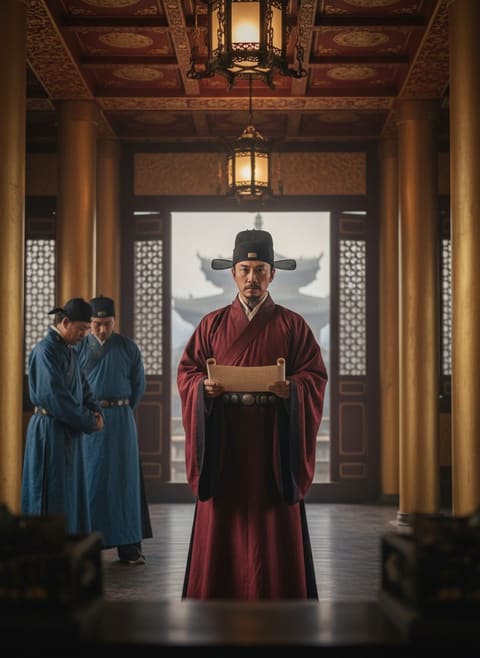
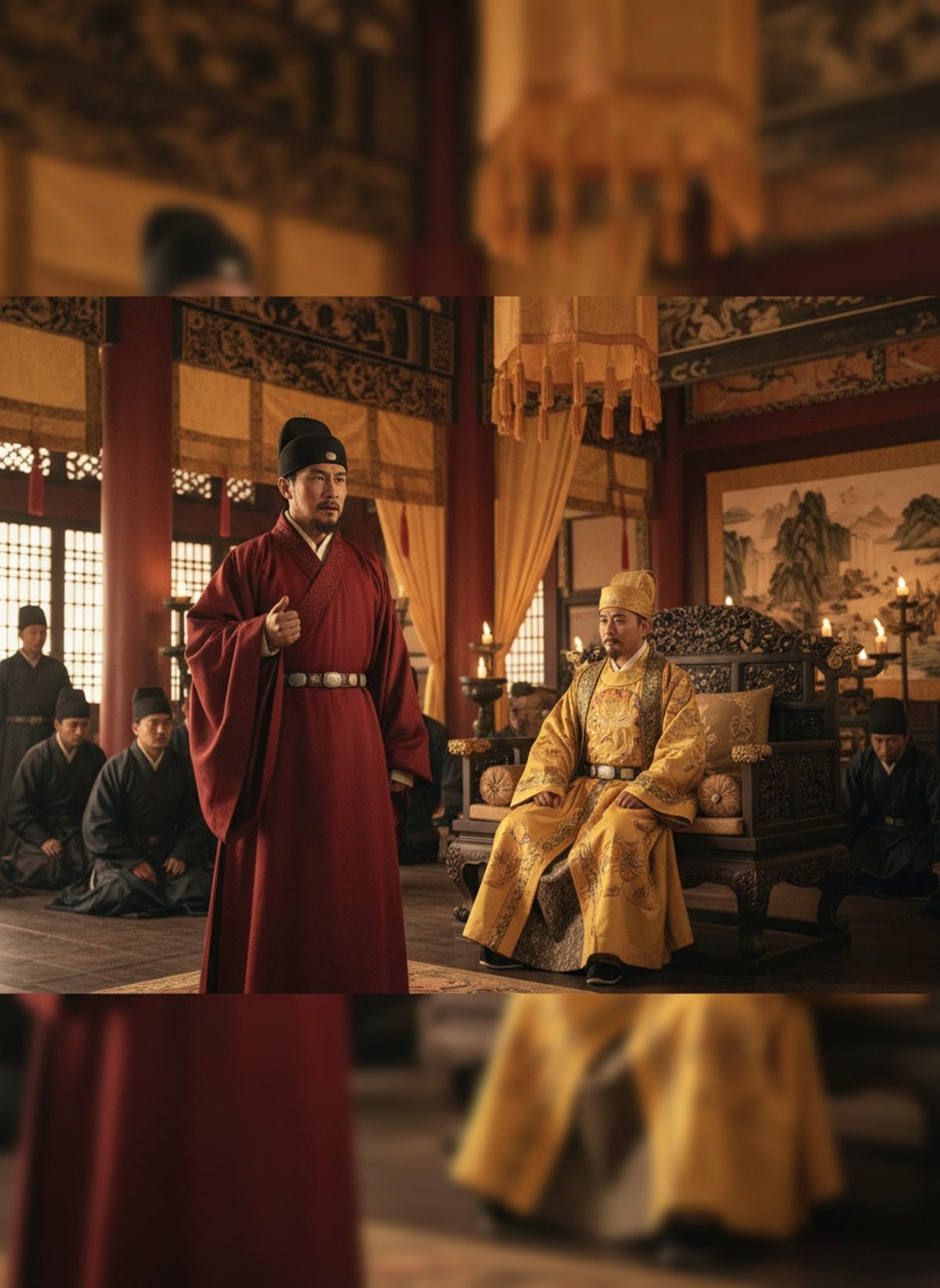
In the heart of the Song Dynasty's capital, a cacophony of clashing opinions and panicked voices filled the imperial court. Fear seeped into every corner of the hall as ministers and advisors clamored around the throne. The Liao’s mounted forces had breached the Yellow River and now loomed menacingly at the gates. It was 1004 AD, a year that none within those palace walls would soon forget—for the grace of the dynasty itself hung in the balance.
The emperor, Zhao Heng, known to history as Emperor Zhenzong, faced a dire decision. His advisors, eyes wide with desperation, urged a tactical retreat. They advocated abandoning the capital, fleeing southward to regroup. After all, to lose the capital to barbarian hands was to lose legitimacy—a sting that could potentially unravel all that had been built since the consolidation of the Northern Song Dynasty.
A Voice Called Kou Zhun
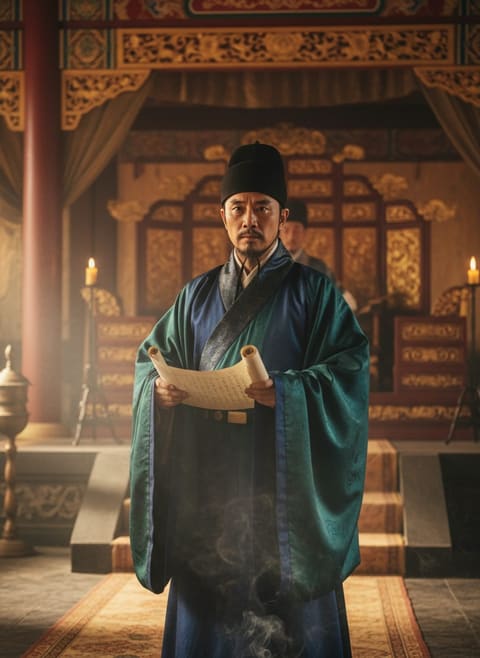
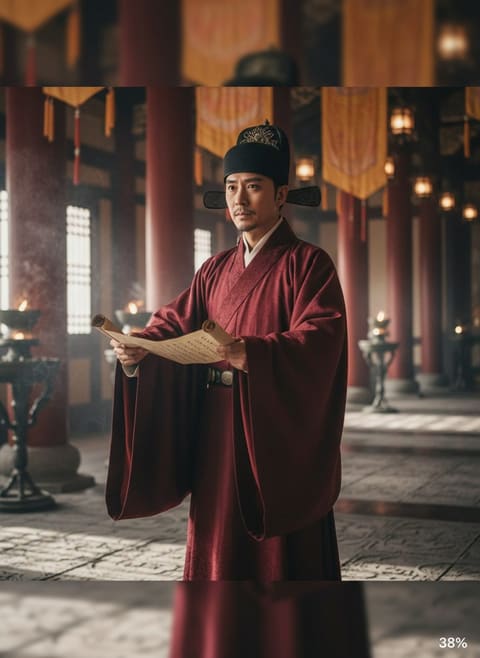
As the court descended into disarray, one figure remained unmoved by the rising tide of fear. Kou Zhun, a steadfast minister with a reputation for both integrity and daring, rose from the throng. His eyes locked with the emperor’s, and the murmur of the room fell silent. Not a man given to panic, Kou Zhun addressed the emperor with a clarity and conviction sorely absent in the quagmire of panic around him.
Read next: He Held the Emperor's Seal. He Gave It to a Stranger.
The course of action he suggested was as bold as it was unexpected: to mount a horse and ride forth to face the enemy. The audacity of his proposition sliced through the dread like a blade. Kou Zhun argued that the emperor’s presence on the battlefield would not only rally the soldiers but also stem the waves of fear crashing through the lines. Here was a gambit rooted in psychological warfare as much as it was in strategy—a play of emperor-as-symbol to bolster flagging morale.
The Emperor Rides Out
Against all other counsel, Emperor Zhenzong chose to heed Kou Zhun’s call. In an act that blended bravery with desperation, he donned his armor and mounted his steed. The transformation rippled through the capital like a cleansing breeze. The appearance of their sovereign on the battlefield invigorated the Song troops, rejuvenating spirits and uniting resolve where there had been hesitance and doubt.
The Liao forces, although formidable, had not anticipated such a response. They had counted on the intimidation of their presence to do much of the heavy lifting. Encountering an emperor ready to test their mettle with his own was not part of their calculations. Sometimes, it takes not an army of thousands, but the wilful defiance of a single figurehead to alter the momentum of history.
Heartbeats of History
The Song forces, newly emboldened, entered the fray not only to protect their capital but to defend their emperor who had come to share their peril. The psychological boost paid dividends that numbers alone might not account for. The standoff that followed, neither a rout nor a surrender, ultimately led to a peace treaty brokered on terms more favorable than retreat might have assured.
Read next: He Held the Imperial Decree. He Threw It in the River.
It is said that legends are forged in the crucible of crisis. While Kou Zhun saw no visions, and the weather held no signs, his counsel was born of an unwavering belief in the power of resolve and presence. His was an epiphany that the symbol of authority could become a fortress stronger than the walls breached by siege engines.
A Legacy Beyond Borders
In the grand tapestry of Chinese history, the story of Kou Zhun and Emperor Zhenzong may read like an episode of brinksmanship narrowly skirted. Yet, within it lies a revelation of what true leadership can encapsulate—the willingness to place oneself at the focal point of risk. In aligning with courage, Kou Zhun ensured that an entire empire remembered that sometimes the battle is won by convincing hearts and minds rather than by the sharpness of swords.
The echoes of this incident reach across centuries, serving as a poignant reminder that leadership calls for more than strategy. It demands presence, vision, and sometimes, a refusal to yield when all around urge retreat. Perhaps that is why this story matters, even now—the reminder that history sometimes pivots on the decisions made in moments of crisis, grounded in the courage to confront rather than evade.